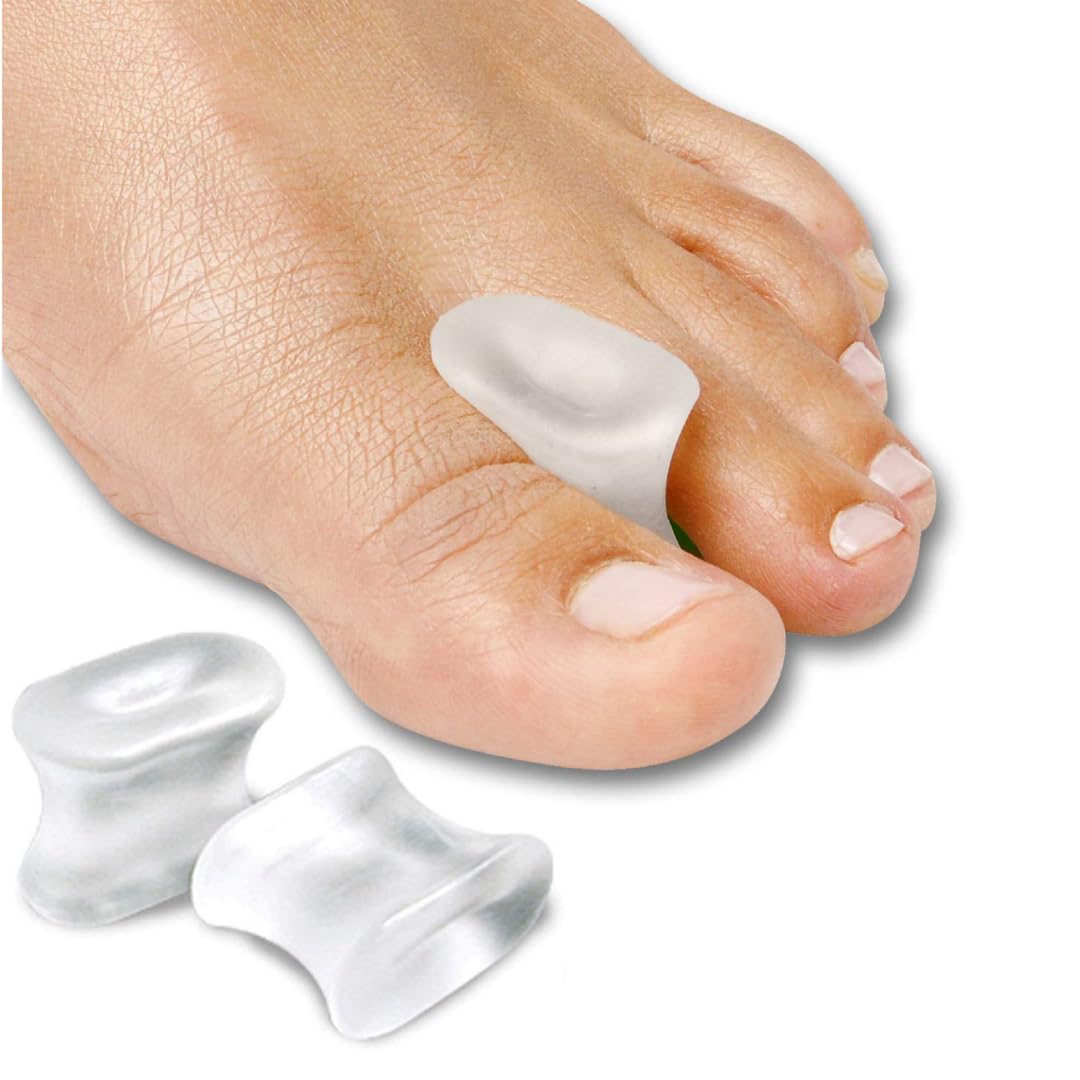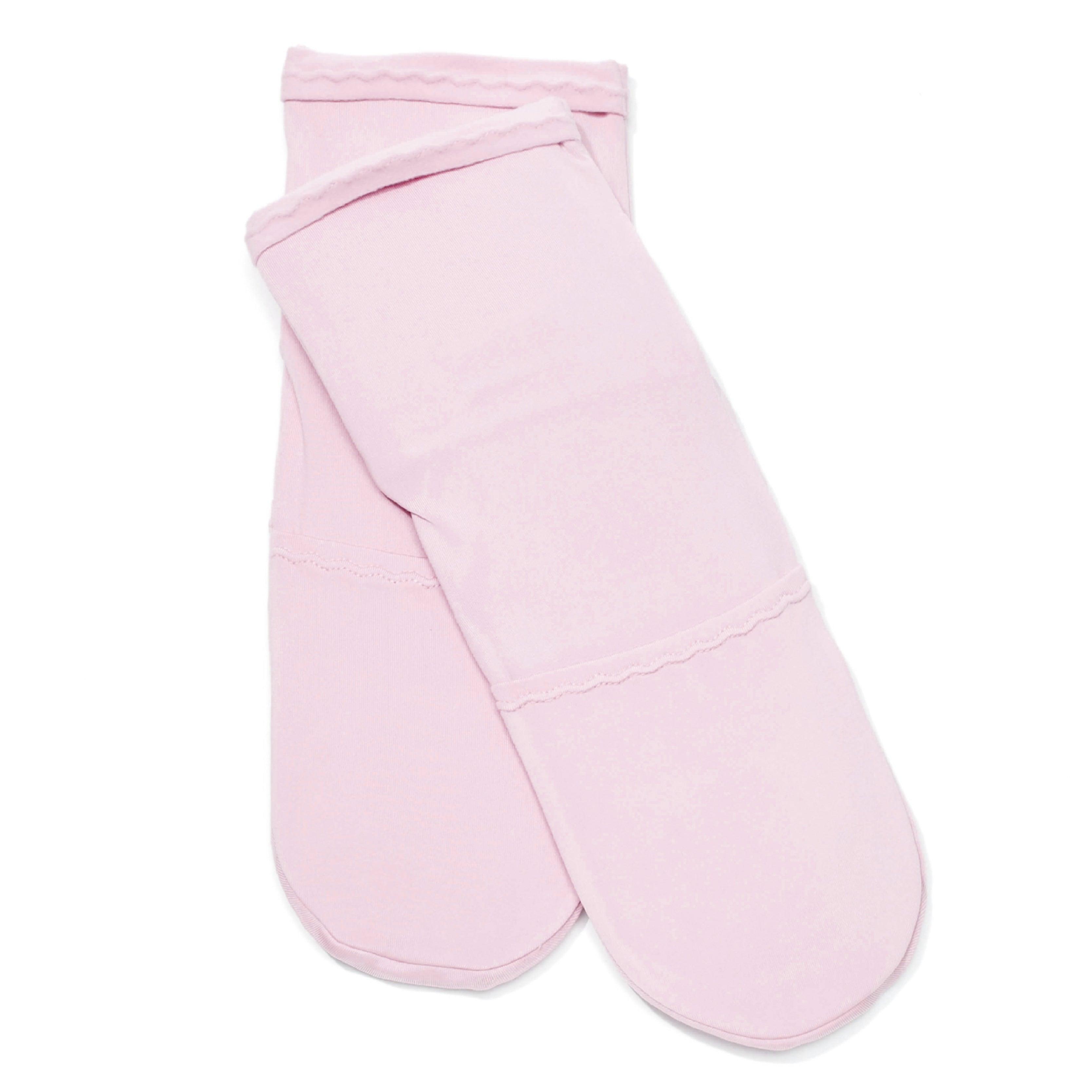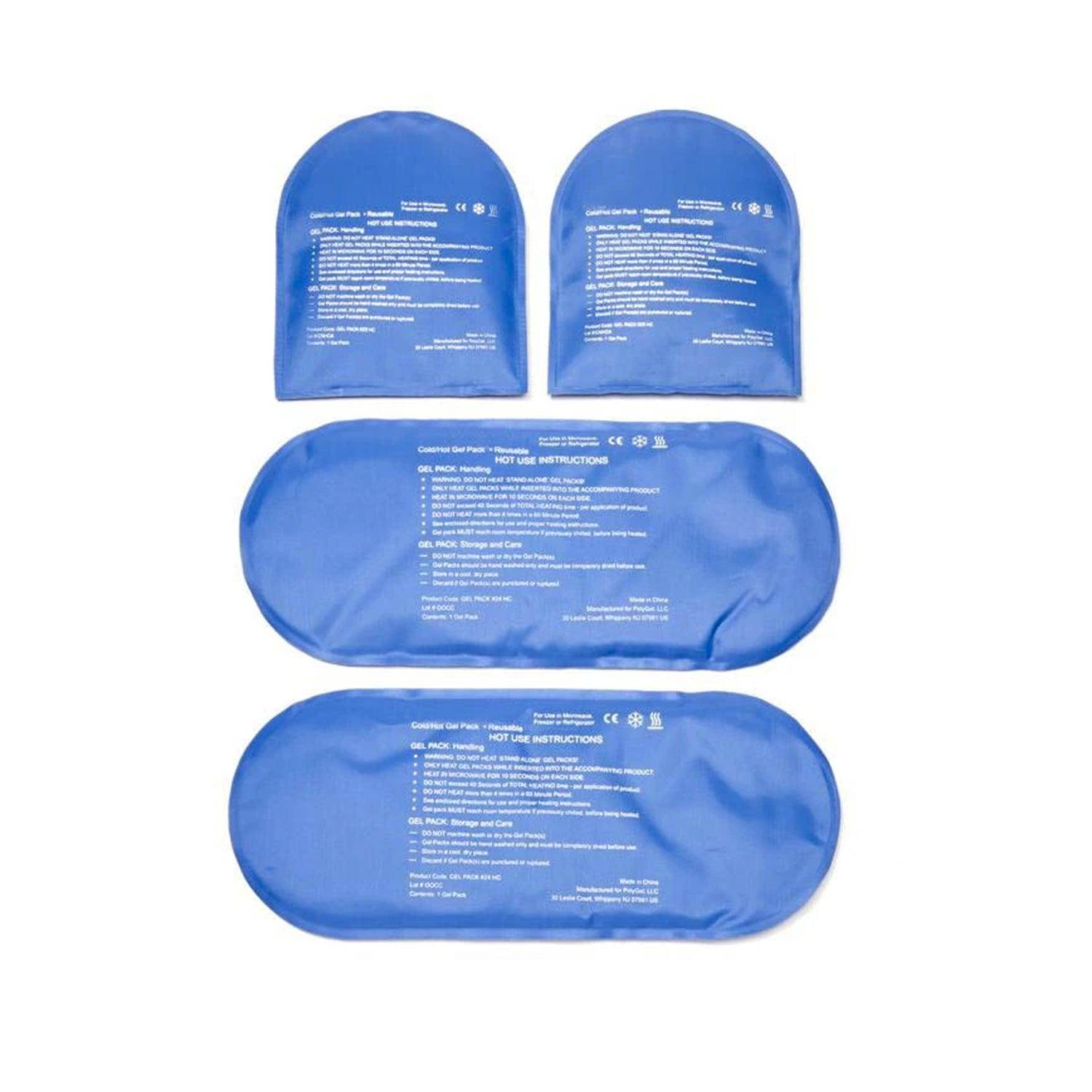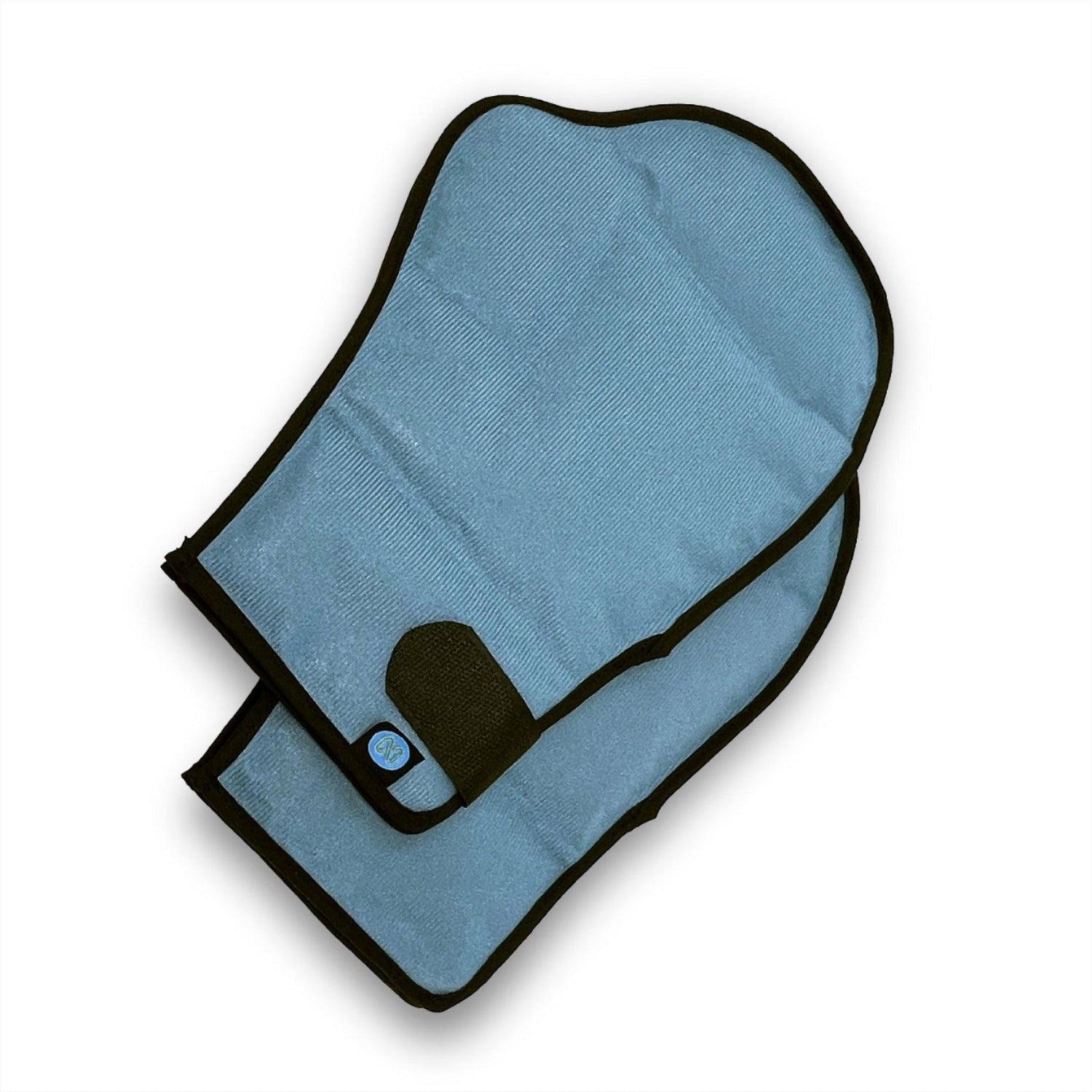

Key Highlights
-
Reusable cold packs play a big role in physical therapy. They help give pain relief and cut down on swelling after you finish your exercises.
-
When you pick a pack, go for one that stays flexible after you freeze it. Make sure the size is right. Look for one that lasts long and is made of latex-free materials for safety and comfort.
-
A lot of physical therapy plans use cold therapy to help with swelling and help your body heal in a good way.
-
If you use reusable gel packs instead of the kind you throw away, you will spend less money, help the world, and get steady results for long-term recovery.
-
To get the best from a cold pack, use it for 15–20 minutes at a time. Always put a barrier like a towel between the pack and your skin.
-
The FlexiKold by NatraCure is a brand that many people recommend. It checks all the boxes you need for a PT-grade cold pack.
Introduction
Your physical therapist often says, "Ice it for 20 minutes when you get home." But what does that mean? You might take a bag of frozen peas out of the freezer, or you may try one of those hard first-aid ice packs. These can feel odd on your knee or your shoulder. This guide will help you learn how to make cold therapy feel better and work better. Using cold the right way is key to pain relief and healing when you are in physical therapy. The right cold pack can help you feel better and get well faster. Now, let's look at what makes a cold pack good for you on your recovery with your physical therapist.
Why Cold Therapy Is Essential in Physical Therapy
Cold therapy, also called cryotherapy, is a big part of many physical therapy plans. It is not just to help you feel good. This method is used by doctors to help control how your body reacts to injuries and exercise. Your therapist will recommend it, as it helps your body heal in between your physical therapy sessions.
Knowing why this simple tool works so well can help you take a bigger part in your recovery. We will talk about how cold packs help lower swelling. You will learn which injuries can get the most from them. We will also share the best ways to use cold packs in a safe way.
How Cold Packs Support Recovery and Reduce Inflammation
When you put a cold pack on an injured area, the cooling effect makes the blood vessels get smaller. This is called vasoconstriction. When the blood vessels get narrow, blood flow slows down at the spot where you got hurt. This is important because it keeps too much fluid from building up. That way, there is less swelling and inflammation.
This drop in swelling is important for faster recovery. When you keep swelling down, you take pressure off soft tissues and nerve endings. This helps a lot with pain relief. The application of low temperatures can make the area feel numb, giving you quick pain relief. This will also help make your recovery feel better.
In the end, using cold therapy as part of your treatment plan can help you handle the first stage of an injury. It also gives your healing process some support. When you put cold packs on the hurt area, they cut down on both inflammation and pain. This helps your body’s natural healing process work better. With the help of cold therapy, you may feel better and be more likely to get back to your day-to-day activities sooner.
Common Injuries and Conditions Treated with Cold Packs
Cold packs are very useful in physical therapy. People use them for many issues, like sports injuries and long-term or chronic conditions. Cold packs help give pain relief and bring down swelling. That is why therapists often use them for musculoskeletal problems. Cold packs are often suggested for a lot of common problems.
If you have pain after an injury, or feel sore from a problem that has been there for some time, cold therapy can help you feel better. It works well for soft tissue injuries, especially when there is swelling. Cold therapy can be an easy and good way to help with your recovery.
Here are a few shared cases where cold packs help:
-
Sprains, strains, and bruises can happen from sports injuries.
-
You may feel muscle soreness and have muscle strains after you exercise.
-
There can be pain and swelling in your joints if you have arthritis or bursitis.
-
A person might feel low back pain because of sudden swelling.
-
After surgery, ice can help with pain and swelling.
Clinical Guidelines for Cold Therapy Session Timing
To get the most out of your ice pack and not harm your body, you need to follow the right steps for timing. If you use a cold compress for too long, it can lead to tissue damage. But if you use it for too short a time, you may not feel the full benefit. A physical therapist can tell you what works best for you. Still, there are some simple best ways to use it that almost anyone can follow.
The best time to use cold therapy is about 15 to 20 minutes. This is usually enough for the cold to make blood vessels get smaller and help with your pain. A session this long can numb your nerve endings too. This short time also keeps you safe from any bad effects that can happen if you stay in cold temperatures for too long. Cold therapy works well for pain management when you stick to these limits.
Here are some key things to keep in mind for safe and good muscle recovery:
-
Do not put an ice pack right on your skin. There should always be a thin towel or cloth between your skin and the ice pack.
-
Do not use the ice pack for more than 20 minutes at a time.
-
Wait for your skin to feel normal again before you put the ice pack back on. You should wait at least an hour between each use.
Key Benefits of Using Cold Packs for Physical Therapy
The benefits of using cold packs in your physical therapy are easy to see. They give strong pain relief without the use of medicine, and they work well to bring down swelling. This helps you feel better and do more as you go through your rehab. Cold packs also make muscle recovery better.
Icing at home, just like your therapist told you, can help you feel better faster after getting hurt or having surgery. Cold packs can do a lot for you. They help you feel less sore after you work out. They also help control swelling when you have had surgery. Using cold packs at home can make your healing time feel better overall.
Pain Relief after PT Exercises and Activities
It is normal for you to feel sore after a physical therapy session. This happens a lot when you are trying to get your strength and movement back. Cold packs can help you feel better during this time. When you use a cold pack on the sore spot, it helps numb the pain. It can stop the nerves from sending pain signals to your brain, so you feel better. Using cold packs is a good way to help with soreness after physical therapy.
This cooling effect does more than just ease the ache. It also helps lessen muscle spasms. When your muscles are overused or get hurt, they might feel tight and hurt even more. Cold therapy can relax these muscles, so you feel better. It gives much-needed relief and helps make muscle recovery work better. This is why cold therapyis a good way to help in your recovery process.
If you have a soft tissue injury, getting quick pain relief matters a lot. It helps make the recovery feel easier and lets you keep up with your physical therapy. This is important for your long-term progress and success.
Swelling Management Following Injury or Surgery
Managing swelling is very important after you get hurt or have surgery. When there is too much fluid and inflammation in the affected area, you feel more pain. It also can keep you from moving well and can slow down the healing process. Cold packs are a good way to help manage swelling.
When you use cold therapy, it makes the blood vessels get smaller. This stops too much blood or fluid from moving to the part of the body that got hurt. That helps keep swelling down. It is important to put ice on an acute injury, especially during the first hours and days after it happens.
During the time after your surgery, your physical therapist will likely add cold therapy to your pain management. When you use a cold pack often, it can help lower swelling. It also takes away some pressure from your cut and the tissue around it. Cold therapy can make the whole recovery feel better.
Enhancing Home Recovery with Cold Therapy
Your work in physical therapy does not stop once you step out of the clinic. The recovery process keeps going at home. Cold therapy can help a lot with this. Using cold packs as part of your daily routine can make the recovery process better. This makes for a more effective recovery process.
When you handle pain and swelling often, you help your body heal the best way. This helps you get a faster recovery. You can also get more from your treatment plan exercises. If you do not feel pain all the time, it is easier to focus on doing your moves right. You can move forward with your treatment plan and feel better sooner.
Using cold packs at home is an easy and safe way to feel better. It helps after your physical therapy sessions by keeping the good effects going. Cold packs can also help you feel better faster. When you use them, your road to healing can be smoother and more effective. Cold packs are simple tools. They let you be part of your own healing.
Choosing Between Reusable and Disposable Cold Packs
When you need a cold pack, you will see there are two main types. One is reusable, and one is disposable. A disposable pack can be used by squeezing or shaking it. These packs are easy to use one time. But if you are in a physical therapy program, the best choice is easy to see.
Getting better after you hurt yourself or have surgery takes time. It is not quick. You have to use ice often during the weeks and months while you heal. This is when things like cost, how the product affects the environment, and how well the product works matter a lot. Reusable cold packs are the best fit for any real plan to get better, as they save money, are better for the earth, and keep working each time you use them.
Cost and Convenience during Long-Term PT Rehab
For anyone who needs help for a long time, saving money is important. Disposable cold packs may look cheap at first, but the cost goes up fast. You have to buy many packs if your treatment plan needs icing a few times each day for several weeks. A good reusable gel pack is a one-time buy. You can use it for your whole recovery and after that, too.
Using reusable packs is more simple and handy than using disposables over time. A disposable pack is easy to grab the first time you need it, but you have to throw it out and get a new one each time. A reusable pack can be used over and over. You just put it in the freezer for a few hours, and then it is ready to use again.
This reliability is very important for dealing with chronic pain. Cold therapy becomes a daily habit for many people. When you have strong, reusable cold packs, you do not need to worry about using them up. You can feel sure that your cold packs are ready whenever you need them. This helps you stay with your treatment plan and not miss any days.
Environmental Impact & Waste Reduction
Many people worry about how single-use products hurt the environment. Disposable cold packs are made for you to use one time and then throw out. They end up as waste in landfills. The cold comes from a chemical reaction that cannot be used again. The plastic pouches are hard to recycle and mostly do not get reused.
Choosing reusable cold packs is an easy way to be kind to the planet while you heal. A tough gel pack keeps working many times, sometimes hundreds or thousands. This means you make less waste. It is a small thing, but over a long treatment plan, it can help a lot.
Consider the benefits of waste reduction:
-
Less plastic goes into landfills.
-
People use fewer chemicals and materials to make packs that they throw away.
-
You get a way that is better for the earth for your healthcare and wellness.
Performance Differences: Consistency and Longevity
When you talk about how well cold packs work for physical therapy, reusable cold packs are the best. Disposable cold packs give off a lot of cold, but this does not last long. They can get warm in about 10 minutes. This is not enough time for a normal 15-20 minute session.
A reusable gel ice pack can stay cold for a long time. It keeps a good temperature for about 20 minutes or more. This steady cold feel is important to help lower swelling and help with pain. You can count on the ice pack to give you the same cold feel each time you use it.
Reusable packs last a long time. A good pack is made to freeze and thaw again and again. It does not wear out fast. This means you have a solid tool for physical therapy all the way through. Disposable packs do not work as well. They can be used only once and are not made to last.
Types of Cold Packs Used in Physical Therapy
The idea of cold therapy is easy to understand. But, there are different tools to use it. The most common types of cold packs are gel packs, regular ice bags, and newer cold therapy systems. Each one has different features. These work best for different needs and what people like. Cold therapy, cold packs, gel packs, and cold therapy systems give you several ways to get relief.
Knowing how these choices differ will let you pick the best tool for your injury and how you recover. We will explain the top options. This way, you can feel sure about what you need for your care at home.
Gel Ice Packs for Physical Therapy
Gel ice packs are common in most physical therapy clinics. They have a safe gel inside that stays cold for a long time. The gel helps keep the right temperature for about 20 minutes, which is how long a session should last. This is the reason they are a good choice for pain relief.
One of the biggest benefits of a good gel pack is that it is still soft and flexible even when it is cold or frozen. A flexible ice pack can shape itself to fit your knee, shoulder, or ankle. This means the cold therapy can touch all parts of your injured area, making sure it works well.
This gel ice pack stays cold for a long time. It also stays flexible. This makes it a good choice to use at home. You get treatment like the pros, but it is easy to use. A gel ice pack works better than a hard ice pack that does not fit to your body.
Flexible Gel Packs for Injury Recovery
Flexibility matters when it comes to a good injury recovery tool. A cold pack that turns hard will not fit well on body parts like joints. Flexible gel packs fix this issue. They shape themselves to fit your body right.
This close contact is key for getting the most out of cold therapy. When gel packs cover all of the injured area, they give steady cooling. This is needed to help bring down swelling and numb the pain. For pain management, flexible gel packs are a good and effective means of pain management.
When you have a swollen ankle, aching shoulder, or sore back, it helps when the pack can bend and fit around the area. This good flexibility lets you get all the icing benefit. It helps speed up your recovery process.
Traditional Ice Bags vs. Cold Packs: Pros and Cons
The classic ice bag is just ice cubes in a bag that does not let water out. A lot of people use it as a cold compress. It works, but there are some things about it that are not as good as what you get with gel packs today. When the ice melts, it can be messy. Water forms on the outside or may leak out. The cubes may push against your skin, which can feel strange or hurt. Also, it does not cover the area as well as reusable gel packs.
Reusable gel packs make cold therapy easier and feel better. The gel does not get hard. It fits close to your body and has no sharp spots. You do not have to deal with melted ice or any mess. Many people in physical therapy like using gel packs. They give steady cold and are simple to use.
Here is a fast look to help you choose which one is best for your pain relief needs.
|
Feature |
Traditional Ice Bags |
Reusable Gel Packs |
|---|---|---|
|
Conformity |
Lumpy and less flexible; may not cover joints well. |
Highly flexible when frozen; conforms to body contours. |
|
Convenience |
Requires a constant supply of ice; can be messy. |
Self-contained and easy to refreeze; no drips or leaks. |
|
Comfort |
Hard ice cubes can be uncomfortable on sensitive areas. |
Soft and pliable gel provides even, comfortable pressure. |
|
Temperature |
Can be intensely cold initially, but melts faster. |
Maintains a consistent therapeutic cold for 20+ minutes. |
Five Crucial Features in a Physical Therapy Cold Pack
Not every cold pack works the same. This is true when you need one for physical therapy. If you want the pack to help you feel better, you should watch for some top features. A pack made for PT is much more than something that just cools down.
From the material it uses to how long it can keep things cold, these things show if the item is good or not. A good cold pack has qualities that set it apart from others that do not work well. Here are the five most important things you should pay attention to when you want to buy a cold pack for your recovery.
Flexibility and Comfort When Frozen
The most important thing to look for in a cold pack for physical therapy is how well it bends when frozen. A ice pack that gets hard like a block will not work in treating parts like the knee, shoulder, ankle, or neck. It will press in uneven ways and leave much of the injured area without touching it.
True comfort is when the pack fits well and feels good on your body. A high-quality gel pack is made to stay soft, even when it is at cold temperatures. This lets the pack touch your skin all over, with a protective layer in-between. It spreads the cold feel evenly on the area you want to treat with gel packs.
When you feel pain and swelling, you do not want to use an ice pack that feels tight or awkward. If you pick something with flexibility, cold therapy can feel better and get the job done. It will be much easier to stay with your plan and feel good while you recover.
Ideal Size and Coverage Options
When it comes to cold therapy, you want to use the right ice pack for the size of the affected area. A pack that's too small will not cover all the area you need it for. This means it will not keep the inflammation down. A pack that's too big can feel clumsy and may cool more than you need, reaching the tissues around the spot.
Good brands make packs in many sizes for different parts of the body. A big, flat pack works well for a sore back or for a knee wrap. A smaller pack is best to go on an ankle, wrist, or elbow. When you use the right size, the cold goes right where you need it. This helps you get your range of motion back faster.
Look for a brand that offers clear sizing options:
-
Standard or Medium sizes: These work well for the knees, the shoulders, and for small parts of the back.
-
Large or Oversized options: These are best if you need to cover big muscle areas like the front of the thigh, the back of the thigh, or your whole lower back.
-
Small or Cervical shapes: These are made for the neck, the jaw, or other small places in the body.
Durability and Construction Quality
Physical therapy often needs you to use ice every day for weeks or even months. When you freeze, thaw, and use a cold pack many times, it can wear out fast. A cold pack that is not built well will stop working soon. This can cause leaks, splits, or may not stay cold as long. A strong and long-lasting pack is important for good therapy.
Look at how well the gel packs are made. The outer part should be made from thick nylon or vinyl. It should not be thin plastic, because that can tear very easily. Check the seams on the packs. Good gel packs have edges that are double-sealed or reinforced. This keeps the gel inside and stops it from leaking out as time goes by.
Investing in a strong pack means you do not have to worry about blue gel leaking in the freezer or on your stuff. It will make sure your cold pack stays tough through your rehab. You can count on it to give steady and reliable therapy when you need it the most.
Latex-Free and Skin-Safe Materials
When you try any kind of therapy, your safety should come first. This is important because you use these products right on your skin. Many people have a latex allergy, and some may not even know it. A bad skin reaction can show up as red spots, itchiness, or feel sore. You do not want more problems when you are trying to get better from an injury.
To stay safe, always pick cold packs that say they are latex-free right on the label. This is the best choice for all people, especially if you have sensitive skin or need them after surgery. At that time, the skin can be weak. When you use the right skin-safe materials, you can focus on feeling better. You will not have to deal with any surprise skin problems.
A trusted brand will always share what materials go into its products. It is a good idea to pick a cold pack that does not have latex. This will help make sure your home therapy is safe and you do not face any problems.
Cold Retention for Optimal Therapeutic Duration
An ice pack works best when it stays cold for a long time. The idea with cold therapy is to keep a good temperature on your body for about 15 to 20 minutes. If your ice pack gets warm too fast, you will not get full pain relief or help for sore muscles. A cold pack that stays cold will give you the benefits of cold therapy and this can help with pain.
The cold of a pack lasts because of many things. One main thing is how much gel there is and how good it is. If the pack has a lot of high-quality gel, it will stay cold for a longer time. A thin pack that uses less gel will not keep its cold very long. This makes sure that the pack works well through the whole time you need therapy.
When you shop, check if the product says it can stay cold for at least 20 minutes. This will make sure you finish your cold therapy session without needing to change the pack in the middle. It helps make the cold therapy easy, good, and fast.
What to Avoid: Red Flags When Buying Cold Packs
It is just as important to know what you should not buy as to know what you should get. The market has many cold packs that are cheap and not good. These cold packs may not work well. Some can even be unsafe. Knowing about these problems will help you stay away from cold packs that can make you feel upset.
Knowing these warning signs helps you make a smart choice for your health. A cold pack that doesn't meet physical therapy standards can show problems like bad build quality or not being clear about what is inside. Look out for these points so you can feel good about your choice.
Thin Materials and Poorly Sealed Edges
One easy way to spot a bad cold pack is by touching the outside. If it feels thin, weak, or like the plastic you get in cheap items, that is a warning sign. Thin covers can tear or get holes fast. This is not good, because you will use it over and over in physical therapy.
You need to check the edges of the pack. The pack may have weak edges that only have a thin heat-sealed line. These weak spots can split. When this happens, gel leaks out, making a mess. The pack cannot be used anymore. A good pack will have wide and strong seals.
Don’t let a cheap price make you choose a pack that won’t last. A pack that leaks after only a few uses is not worth it. It is better to get one made of thick and strong materials. Look for strong seams too. If you do this, you will save money and trouble over time.
Cold Packs That Freeze Solid and Lose Flexibility
A big thing to look out for is a cold pack sold as a "gel pack" that turns hard and stiff when frozen. If it freezes like a brick, what is inside may be mostly water mixed with blue dye and stuff to make it thick. A real gel pack should stay soft when it is cold.
These ice packs do not work well for physical therapy. They get hard when frozen, so they cannot bend or fit to your body. This means you do not get good contact or enough cooling. Also, they feel bad because they make hard spots on your skin, not soft or even pressure.
If you read that a product "freezes solid" or is "not flexible," do not buy it. A real PT-grade gel pack will stay soft and bendable when frozen. This is important for comfort and to help with therapy. You should not give up on this feature.
Lack of Transparency about Materials and Safety
A good brand will always be open about what is inside the product. A cold pack should list all its materials. If you cannot find this information, it is a big warning sign. The box or online listing should also say if the cold pack is latex-free or not. This is an important safety detail that needs to be clear for everyone.
This lack of clear information about materials may mean the maker is not doing things right. They could use cheap materials with allergens or things that could harm you. Product safety is very important, more so when you use a medical device on your body often.
It is good to pick brands that tell you exactly how their products are made. You should look for words like "latex-free," "non-toxic gel," and "durable, puncture-resistant." When the company gives clear details, it shows they care about the safety and quality of what they sell.
Spotlight on FlexiKold Gel Ice Pack by NatraCure
After you know what you should pick and what you should not, you can focus on a product that ticks all the boxes. The FlexiKold Gel Ice Pack by NatraCure is a top option in physical therapy. It is well-known for meeting and going beyond what people need for an ice pack. Physical therapists and medical professionals often trust and suggest this reusable ice pack and gel pack for home recovery.
FlexiKold is made to meet the needs of people who are healing. It uses a special gel and is built to last. Each part of FlexiKold helps give strong, safe, and comfortable cold therapy. This is not just another cold pack. It is a pro-level tool that helps people recover in a serious way.
Why FlexiKold Excels for Post-PT Home Recovery
FlexiKold is the right choice for your home recovery after physical therapy. It has all the features that people need. The gel inside is made with good quality and stays cold for a long time. This means your pack will stay cold for the whole 20-minute session that your physical therapist says is good for you.
This long-lasting cold pack helps to give better pain relief and helps with swelling after your exercises. You do not have to stand up and get a new pack when it warms up too fast. Just relax and let FlexiKold work for you. This makes your cold therapy simple and more helpful.
Using FlexiKold lets you keep the gains you get from physical therapy. It helps you control pain and swelling at home. You can feel better between visits. This lets you do your home exercises with less pain. You take charge of your own healing and feel good about it.
User Experience: Comfort, Fit, and Versatility
People say they have a good experience with FlexiKold. It is soft and fits well. Some ice packs feel hard after you freeze them, but not this one. The gel inside stays soft, even right after being in the freezer. This makes it easy to place on any part of your body. It can wrap around your ankle or your shoulder. It will fit close and feel nice against the skin. This helps it work better, giving you more relief where you need it.
This great fit gives you better comfort. Many people say in reviews that the gel pack is soft and feels good on the skin when you use a towel. There are no hard or odd edges like you get with cheaper gel packs or other ice bags. This helps you keep up with a regular icing plan. It also makes the whole thing feel nicer.
The FlexiKold line is good because it can be used in many ways.
-
Multiple Sizes: The product comes in different sizes. You can use it on a small joint or on your whole lower back. It helps you target any place you need.
-
Flexible Use: You can use this for sports injuries, after surgery swelling, arthritis pain, and muscle soreness. It is good for all of these.
-
Durable Construction: It is made to hold up to daily use. You can rely on it while you do a long rehab program.
Frequently Asked Sizing and Care Questions
Picking the right size and taking care of your FlexiKold gel ice pack helps it work well and last a long time. It's easy to choose a size: just get the ice pack that fits where you want to use it. A bigger pack is best for your back or thigh. A standard size is good for your knee or shoulder.
It is easy to take care of your pack. Cleaning it helps keep the quality like new. Wipe the pack with a little soap and water after you use it. Dry it well before you put the pack back in the freezer. This helps stop ice from forming and makes sure the material stays in good shape.
Here are a few common questions about care:
-
How should I store it? Keep your FlexiKold pack flat in the freezer. This way, it will be cold and ready when you need to use it for cold therapy.
-
Can I heat it? No, do not microwave FlexiKold packs. They are made to give cold therapy only.
-
How do I clean it? Wipe it soft with a wet cloth. You can also use some mild soap and water. Do not use strong cleaners.
Where to Buy Trusted Cold Packs for Physical Therapy (United States)
Now that you know what to look for in a good cold pack, the last thing you need to know is where to buy one. You should get your cold pack from a trusted place to make sure you are getting a real and high-quality product. Do not buy from third-party sellers on marketplace sites, as they sometimes sell fake or poor-quality cold packs.
You can find good cold packs at big stores that have health and wellness sections. You can also get them straight from trusted brand websites. When you buy from an authorized seller, you know you are getting a real product. This makes sure you get the benefits you want for your physical therapy and cold therapy routines.
Finding Professional-Grade Packs at Major Retailers
Many big stores in the United States sell cold packs that work well and are made for professionals. You can often find these in the pharmacy or health section. Stores like CVS, Walgreens, Target, and Walmart usually have good brands. One of these brands is NatraCure’s FlexiKold. This is a good choice if you need a cold pack right away.
When you go shopping for gel packs at a big store, read the packaging well. You need to look for things like how the gel packs stay flexible, how strong they feel, and make sure they are latex-free. Try not to buy store-brand gel packs that get hard when you freeze them and use thin materials that do not last.
Buying from a big or popular store helps you feel sure the product is real. It is a safe way to get a good cold pack for your physical therapy. You also don't have to wait for shipping, so you can use it right away.
Buying Direct Online from Brands like NatraCure
One good way to make sure you get a real and good ice pack is to buy it straight from the official brand website. When you shop online from trusted brands like NatraCure, you know you will get a real FlexiKold gel ice pack. You will not end up with a fake one or a copy.
Shopping online from the brand’s site gives you more info. You get details about the specs, read what other people say, and see all the size options. These may not be in a store. You can take time to find the right pack for what you need. It will come right to your door.
This direct-to-consumer model lets you reach out to customer support at any time if you have questions about the product. You will feel better knowing you are getting help if you need it. It is a good idea to buy directly from NatraCure or other trusted brands online because you can see the full line of products. This way, you have more choices and feel sure about what you get.
Conclusion
To sum up, it is important to use the right cold pack for physical therapy if you want a better recovery. When you know the good things about reusable gel packs—like how they bend, last long, and fit well—you give yourself a better chance to heal. Cold therapy can help with pain relief and bring down swelling. It also helps your body get better after injury. We hope this buyer’s guide has given you some good tips for picking the best cold pack for your needs. If you want a solution you can count on, think about trying the FlexiKold Gel Ice Pack by NatraCure. Start your way to healing now and feel the change for yourself!
Frequently Asked Questions
How long should I apply a cold pack after physical therapy?
You should use a cold pack for 15 to 20 minutes after you finish your physical therapy. This is the best time to help with pain relief. It can also help cut down on swelling. Do not keep the cold on too long, or you could get tissue damage. Always put a cloth between your skin and the cold pack during the cooling time.
Are gel ice packs better than regular ice bags for PT injuries?
For most physical therapy injuries, gel ice packs work better. They stay soft even when cold, so they fit to your body for better comfort. High-quality cold packs do not leak like ice bags. They give steady, clean cold for pain relief and help with inflammation. This makes them a good choice for people who want to feel better during physical therapy.
Are there any precautions when using cold packs at home?
Yes, safety is very important when you use cold therapy at home. The most important thing to remember is to not put a cold pack straight on your skin. Always use a towel between your skin and the pack. Keep each cold therapy session to 20 minutes or less. This helps keep you safe from numbness or any damage to your nerves. Look at your cold pack often. If you see any leaks, do not use it.
What ice packs do physical therapists use?
Physical therapists usually use gel ice packs. These packs can bend and fit over different body parts. Some may also use reusable cold packs. Cold packs stay cool for a longer time. They can give more pressure if needed. This can help make recovery better for people during therapy.
Why is ice no longer recommended for injuries?
Studies show that using ice can slow down healing. This happens because it makes blood flow less, which the body needs for getting better. Now, it is better to use compression and elevation to help an injury. These ways let your body use its own swelling to fix the hurt area and help you feel better in the end.
What is the 20 20 20 rule for ice and heat?
The 20-20-20 rule says you should put ice on for 20 minutes. After that, take a 20-minute break. Then you can use heat for 20 minutes. Doing this helps with pain and swelling. It is a good rule to follow in physical therapy when you need both cold and heat treatments.
Can ice packs help with bruising?
Ice packs can help with bruising because they slow down blood flow in the affected area. This also helps keep swelling down. If you use a cold pack soon after you get hurt, it can lessen swelling, help with pain, and let you get faster recovery. Wrap the ice pack in a cloth every time so you do not hurt your skin.