
Key Highlights
Here are the main things to do if you have a sprained ankle:
-
Right away, using cold therapy on the injured area helps to lower swelling and ease pain in the first 48 hours.
-
The RICE method (Rest, Ice, Compression, Elevation) is the best way to treat a mild ankle sprain at home.
-
A compression wrap works to control swelling and give support, but make sure it does not cut off circulation.
-
The severity of the sprain decides how long recovery time is and what treatment plan will be needed. This could be a few weeks or more.
-
Good care, like rest and building up exercise slowly, plays a big role in the healing process and helps keep you safe from future injuries.
Introduction
Hurting your sprained ankle can be hard. It can stop you from doing what you need to do. This can happen when you play a sport or even if you just take a bad step. You need to know what to do to help the injured area feel better. That is important for good healing.
This guide will show you what you should do for a sprained ankle. You will learn the best time to use an ice pack. You will also see how to wrap the ankle the right way. If you follow these tips, you can feel less discomfort. They will help your healing process and get you back on your feet.
Understanding Ankle Sprains and Their Impact
A sprained ankle happens when you twist or turn your foot the wrong way. This can stretch or tear the ligaments that keep the ankle joint stable. A sprained ankle is a common injury. It usually causes swelling, bruising, and pain right away. The body reacts by sending more blood flow to the spot. This leads to swelling and inflammation.
Understanding the injury is the first step to taking good care of it. How you deal with the first signs can really change your recovery time. Now, let's talk about what usually causes this injury and how it can get in the way of your daily life.
Common Causes and Types of Ankle Sprains
Most ankle sprains can catch you by surprise. When you take a wrong step on uneven ground, turn too fast when you play sports, or wear high heels, your ankle joint can twist in a way it should not. This quick twist can stretch the ligaments too far and cause an ankle injury.
The severity of the sprain can be different for each person. There are three main types of sprains. A mild sprain happens when the ligaments only get stretched. A moderate sprain means there is a partial tear in the ligaments. A severe sprain is when the ligament is torn all the way, and this may need more medical care.
Common things people do that can make you get a sprained ankle include:
-
Playing sports where you need to move fast in different ways.
-
Walking or running when the ground is not flat.
-
A clumsy fall or tripping on stairs.
-
Landing badly after a jump.
How Ankle Sprains Affect Daily Activities
An injured ankle can make it hard to do all the things you do every day. Walking to the kitchen or standing for just a few minutes gets tough and can bring a lot of discomfort. The pain, swelling, and bruising can get so bad that you may not want to put any weight on your foot.
This problem is not only about walking. It makes it harder for you to keep your balance and move around. The movement of the ankle joint is limited. This can get in the way when you drive, work out, or do what you like. It may feel slower, and that can make you feel upset and lower your quality of life.
How much you can move your ankle, or your range of motion, can be very limited if the injury is bad. Trying to keep moving or pushing through the pain is not a good idea. It can slow down your healing. You should listen to your body and give your ankle rest so it can get better.
Why Immediate Care Matters for Ankle Sprain Recovery
Acting fast after an ankle sprain is important for your healing process. The first thing to do is work on swelling and inflammation, since these are what bring most of the pain. If you take the right steps in the first 48 hours, you will help lower your discomfort and get the healing started.
Getting care quickly can stop the injury from getting worse. This can help you avoid more physical therapy later. It is important to know the signs of a sprain. You should also know what to do right away. These steps are your best way to protect yourself.
Recognizing the Signs of a Sprained Ankle
It is usually easy to tell if you have sprained your ankle. The main sign is sudden pain right where you got hurt. This pain often gets worse when you try to stand or walk. Some people hear or feel a “pop” when it happens. If this happens, it could mean the injury is more serious.
The severity of the sprain can change what symptoms you feel. Swelling often shows up fast around the injured area. Bruising can soon follow because blood vessels under the skin break. You may feel stiffness in your ankle and it might not move as well.
Look out for these common signs:
-
There is pain, especially when you stand or walk on the foot.
-
You might notice swelling and feel tender around the ankle joint.
-
Bruising may show up, and it can get worse with time.
-
The ankle can feel unstable.
Ice Pack Therapy for Ankle Sprains
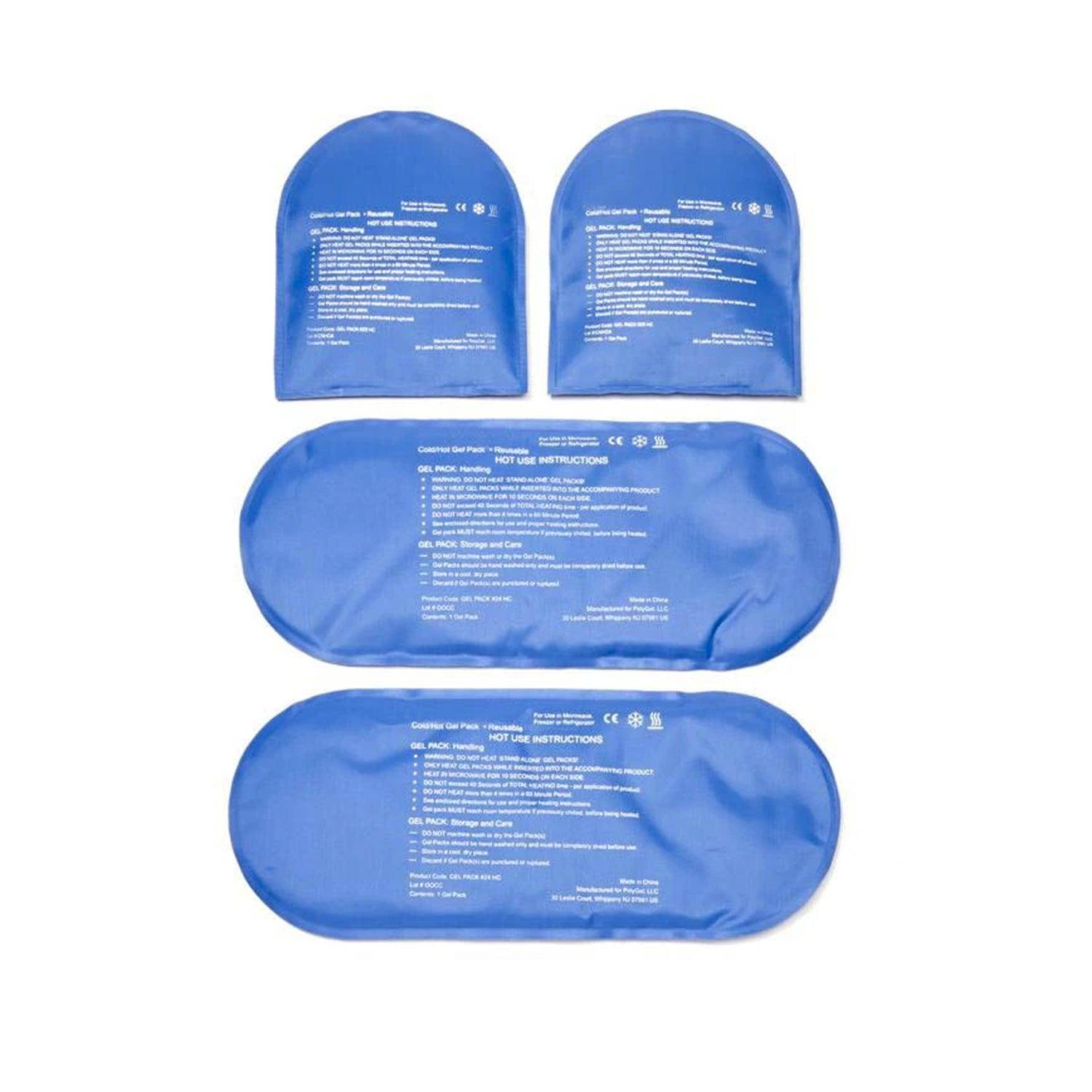
Using a cold pack is a good first step for a sprained ankle. Cold therapy helps by making blood vessels tighter. That slows down swelling and inflammation in the injured area. This way, it can also make the pain feel less. It’s a simple thing you can do to ease pain.
Applying an ice pack the right way is important. It helps you feel better and keeps your skin safe. You need to know when to use it, how to place it on your body, and how long it should stay there. These things can change how cold therapy works for you. Follow the best ways to use this cold therapy for more comfort and faster healing.
When and How to Apply an Ankle Sprain Ice Pack
The timing is very important when you use an ice pack for cold therapy. You need to put an ice pack on the injured area right after you get hurt. Doing this fast can help stop the first swelling and pain. It will also help start the healing process well. Keep using the ice pack for the first two to three days to help with swelling and healing.
To use an ice pack or peas the right way, do not put it right on your skin. This could hurt your skin or lead to frostbite. Wrap the ice pack or bag of frozen peas in a thin towel or cloth first. Then, place it on your ankle.
Here are the steps for proper application:
-
Get your ice pack ready.
-
Wrap it in a dry cloth. This makes a barrier.
-
Put the ice pack over all of the swollen and painful area.
-
Hold it in place or use a wrap to keep it there.
Cold Therapy Duration and Frequency for Best Results
For cold therapy to work, you should put ice on the affected area for the right length of time. Most people say that icing for 15 to 20 minutes is best. Keeping ice on for more time will not make it better, and it may hurt your skin or the tissues under it.
You should do this icing routine many times each day, especially in the first couple of days. A good way to do it is to ice every three to four hours. Doing this over and over helps manage inflammation and is important for the healing process.
After about two to three days, the swelling will begin to get better. You can stop using cold therapy at this time. Start using heat therapy instead. Heat will help improve blood flow. It can also help relax muscles that feel stiff.
|
Duration of Icing |
Frequency |
Total Duration of Treatment |
|---|---|---|
|
15-20 minutes per session |
Every 3-4 hours |
For the first 48-72 hours post-injury |
Wrapping and Compression Techniques
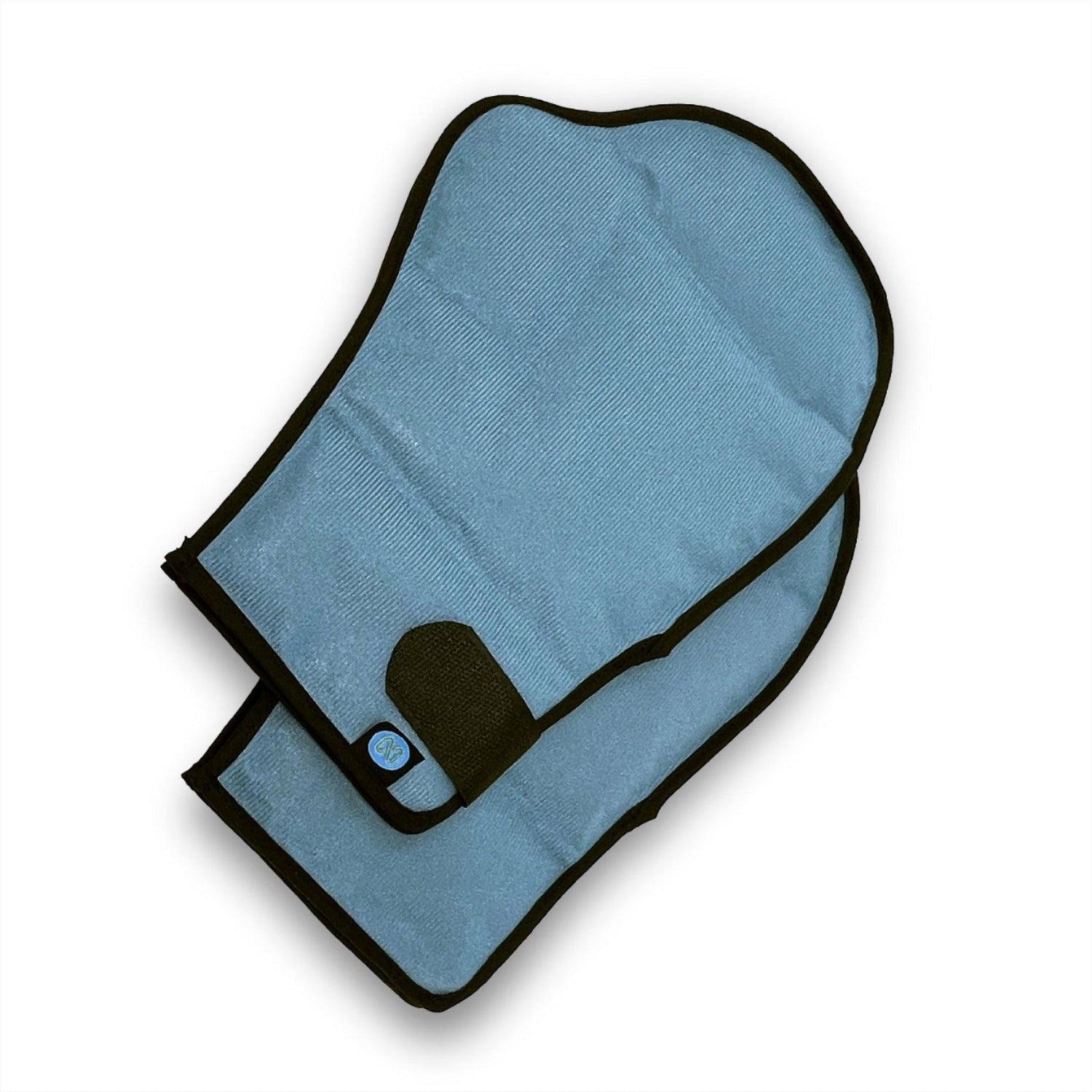
Along with ice, compression is an important step when you have an ankle sprain. Wrapping the injured ankle with an elastic bandage or using an ankle brace can help you lower swelling by putting gentle pressure on it. This support can keep the joint steady and stop movements that might cause further damage to your ankle.
The right compression is important. It needs to help lower swelling but must not be too tight. If it is too tight, it can stop blood circulation. If you learn to wrap your ankle the correct way and pick the best kind of support, it will help with your healing.
How to Properly Wrap a Sprained Ankle
Using a compression wrap like an Ace bandage can help give good support and lower swelling. Begin at the base of your toes. Then wrap moving up toward your calf. This helps push fluid out of the foot. It is important for reducing swelling.
The key to good bandage wrapping is to use the same pressure all around. You want the bandage to be tight but not so much that it hurts. If you feel numbness, tingling, or more pain, the wrapping is too tight. You should make the bandage looser right away. A bandage that is wrapped badly can stop circulation and hurt you instead of help.
Follow these steps for the best results:
-
Start to wrap at the ball of your foot. Keep the bandage tight but do not pull too hard.
-
Each time you go around, try to cover half of the last layer of bandage.
-
Use a figure-eight pattern when you move around the ankle joint. This will help to keep it steady.
-
Finish the wrap above the ankle. Make sure the bandage is not tied too tight.
Choosing Between Compression Bandages and Sleeves
When you need ankle support, you can pick what works best for you. You might choose an elastic bandage or try a newer compression sleeve. The right choice often comes down to how bad the sprain is and what you like better. Both ways can help as you heal from a sprain. An elastic bandage or compression sleeve gives support to help you feel and get better day by day.
An elastic bandage gives you changeable compression. You can decide how tight to make it as the swelling goes down. This bandage is good for the first part of an injury. You do need to know how to wrap it right to keep the pressure even.
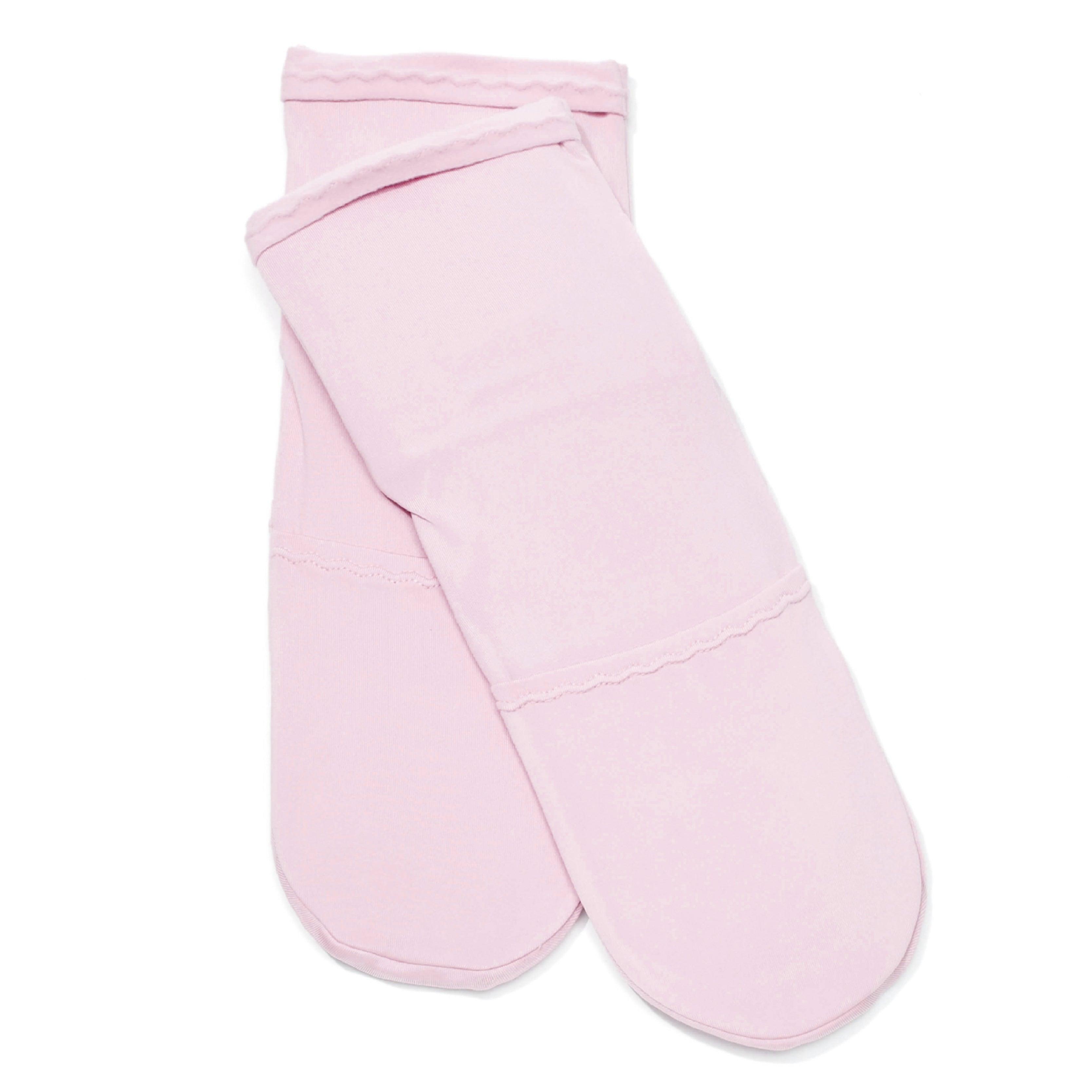
A compression sleeve is easy to put on. You just slide it over your ankle. This gives you gentle and steady compression all over the ankle. It can feel good if you have a mild or medium sprain. But, if your injury is worse, you might need an ankle brace that is more stiff. A rigid brace gives better support and keeps your ankle steady. This can help you feel better faster and may cut your recovery time.
Integrating the RICE Method for Ankle Sprain Recovery
The RICE method is a good way to help with a sprained ankle or another injured body part. The letters stand for Rest, Ice, Compression, and Elevation. Each step helps to cut down on damage and makes the healing process go better. This easy method is used to help the healing of soft tissue injuries.
If you follow all four steps at the same time, you help your body heal better. This full way of caring is the best way to treat yourself at home in the first few days after you get hurt. Let's talk about how you can add rest and elevation to your plan for getting better.
Rest and Elevation: Supporting the Healing Process
Rest is the first and most important part of the RICE method. When you injure your sprained ankle, you should stop what you are doing right away. Try not to put weight on it. This helps keep the ligaments from more harm, and lets your body work on healing. If you keep walking on your sprained ankle, it can make the injury worse. It can also make it take more time to heal.
Elevation matters just as much. If you lift your injured ankle so it is higher than the level of your heart, you let gravity help move extra fluid away from the hurt area. This easy step works well to lower swelling and inflammation. With less swelling, the pain can get better too.
To make the most of rest and elevation:
-
Put your ankle up on top of some pillows when you sit or lie down.
-
Try to keep the ankle raised most of the time in the first two days.
Combining Ice, Compression, and Elevation for Optimal Outcomes
Each part of the RICE method helps your body on its own, but the real strength comes when you use all of them together. If you use cold therapy, compression with a bandage, and elevation at the same time, they work in a stronger way. These steps help fight pain and swelling. Working together, they can give you more comfort and help you heal faster.
Think of this as a simple first-aid plan. When you rest with your ankle up, you can use an ice pack and keep it in place with a compression wrap. This help to lower inflammation and supports your joint. You still get care for your ankle even when you are not able to move around much.
If you follow the RICE method closely in the first two or three days, this can help your recovery start in a strong way. When your ankle starts to feel better, you can slowly start to move it again. Many physical therapists say that the RICE method is a good first step to fight sprains.
Frequently Asked Questions (FAQ)
What should you do right after an ankle injury? You should use the RICE method. This means rest, ice, compression, and elevation. Doing this helps lower swelling and take care of discomfort.
How long should you ice a sprained ankle? A good way is to put ice on it for 15 to 20 minutes each time. Do this every few hours for the first couple of days.
Can gentle exercises help you get better? Yes, once the first swelling is down, gentle exercises help your ankle move better. These can also build ankle muscles.
Always ask your healthcare provider for advice that fits your needs.
When should I see a doctor for ankle sprain recovery?
You need to see an MD if you can't put weight on your ankle. Go if you feel a lot of pain, or if the swelling is very bad. It is also important to get help if there is a change in shape, numbness, or if you heard a "pop" when the injury happened. A doctor will help you know if you have a broken ankle or bone fracture. The doctor may use an MRI at the time of injury to check for a fracture.
Are reusable ice packs or compression sleeves best for ankle sprain ice pack therapy?
Both can help in their own way. A reusable ice pack works well if you want cold therapy on one spot. A compression sleeve keeps steady pressure to bring swelling down. If you just have a mild sprain, using a sleeve could be enough. When swelling is bigger, it’s often best to use a cold pack and a separate compression wrap together. This helps get the most out of both cold therapy and compression after a sprain.
Is it safe to walk on a sprained ankle while recovering?
In the first 24 to 48 hours, you should have complete rest. After this time, as swelling and pain go down, try to slowly put your weight on the ankle joint. Listen to what your body says. If walking makes the pain worse, you need more rest. When it's right, gentle movement of the ankle joint can help the healing process.
What does it feel like to have a sprained ankle?
A sprained ankle usually leads to pain and swelling. You might notice bruising as well. A lot of people feel some discomfort and may have trouble putting weight on the foot or walking. It can also be hard to move the joint. How much it hurts can change from mild discomfort to strong pain. That can depend on how bad the injury is and what part of the tissue got hurt. A limited range of motion is also common if you get a sprained ankle.