
Key Highlights
-
A rotator cuff tear is a common problem where the muscles and tendons in the shoulder joint get hurt. This can cause shoulder pain and weakness.
-
These injuries may happen suddenly, or they can show up slowly because of overuse or as people get older.
-
Some symptoms of a torn rotator cuff are a dull ache, trouble when you try to lift your arm, and pain that gets worse at night.
-
A doctor will check for a rotator cuff tear with a physical exam and imaging tests like an MRI.
-
Treatment options can be rest, icing, and physical therapy. Severe tears might need surgical repair.
Introduction
Shoulder pain can make your daily activities tough. It can even turn simple things you do every day into problems. Many times, rotator cuff injuries are the reason for the pain. This group of muscles and tendons helps keep the shoulder joint stable and lets it move. Knowing how to take care of your rotator cuff, watch for signs of injury, and find good ways to feel better can help you return to your routine without pain.
Understanding Rotator Cuff Anatomy
Your rotator cuff is made of a group of muscles and tendons that work as one in your shoulder. These muscles and tendons are very important. They keep the top of your upper arm bone in place inside your shoulder socket. You can think of it like a team that gives your arm bone support. This is what lets you move your upper arm in many ways.
When the rotator cuff muscles and the tendons that connect them work the right way, the shoulder can move without any problems. But if you hurt any part of this system, you may feel pain and find it hard to move your shoulder. Let's look more at these parts and find out what they do.
Key Muscles and Tendons of the Rotator Cuff
The rotator cuff has four main muscles. These are the supraspinatus, infraspinatus, subscapularis, and teres minor. This group of muscles wraps around the shoulder joint. Each muscle helps make moving and holding the shoulder in place possible. For example, the supraspinatus helps you lift your arm out to the side. The infraspinatus and teres minor help you turn your arm out.
These muscles connect to your upper arm bone through the rotator cuff tendons. The tendons are tough and fibrous. They help pass the force from the muscles to the bone. This lets you lift, push, and rotate your arm. The supraspinatus tendon is the one that gets hurt the most.
The muscles and tendons work together to keep your shoulder joint steady. They also let you move your arm in many ways. When all these parts are working well, you can do many things every day without worry. But if one of these parts gets hurt, the balance in your shoulder joint is thrown off. This can affect your range of motion and make it harder to do things.
How the Rotator Cuff Supports Shoulder Function
The rotator cuff helps the shoulder work well. It gives the shoulder a lot of strength and keeps it from moving in the wrong way. The main thing it does is keep the top part of your upper arm bone in place, right in the middle of the shoulder blade. Without the help of the rotator cuff, the ball on top of your upper arm can feel like it is about to fall out of the socket, almost like a golf ball sitting on a tee.
This steady support is important to help you get the full range of motion in your upper arm. No matter if you are reaching up, throwing a ball, or picking up groceries, your rotator cuff is busy helping you. It lets you lift and turn your upper arm in a smooth and controlled way.
When the rotator cuff is hurt, the shoulder cannot stay stable. You may feel arm weakness and pain. Moving your arm can also get hard. Everyday things feel tough to do. This shows how important this group of muscles and tendons is for the way your shoulder works.
Common Causes and Risk Factors for Rotator Cuff Injury
A rotator cuff injury can happen suddenly when there is an accident, like a fall. It can also happen over time. Many tendon tears are caused by wear and tear. When you make the same motion again and again, this can slowly make the tendon pull away from the arm bone. This problem is more common when people get older.
Understanding why rotator cuff problems happen and what can cause them will help you keep your shoulders safe from further damage. Things like your job, your activity level, and how you sit or stand can all play a part in these problems. In the next part, we will talk about which activities raise the risk and the people who are most likely to get rotator cuff problems.
Everyday Activities That Increase Risk
Some daily activities can put a lot of repetitive stress on your rotator cuff. When you do overhead activities many times, this can be a big reason for this stress. These moves can make the tendons wear down as time goes by. It's not only a problem for athletes. Many people have jobs or chores at home that use these overhead activities and cause the same kind of stress.
Some examples of high-risk activities include:
-
Painting is hard, with ceilings or high walls being tough to handle.
-
Carpentry and construction work take a lot out of you.
-
Playing sports, like tennis, baseball, or swimming, can wear you down.
-
Heavy lifting is common at the gym or on the job.
A single scary event like a fall can lead to a broken collarbone or a dislocated shoulder. This can also cause a sudden tear in the shoulder. The things you do every day and your activity level matter a lot for your shoulder’s health. It is important to know about these risks first so you can try to stop them from happening.
Who Is Most Susceptible to Rotator Cuff Problems?
Anyone can get a rotator cuff injury, but some people are at greater risk. The biggest reason for this is age. People over 40 can have more problems because of normal wear on the tendons. As we get older, the blood supply to the rotator cuff goes down. This makes it hard for the body to fix small tears or other damage.
Genetics can be a factor too. If you have a family history of shoulder issues, your risk goes up. The way you live and what kind of work you do can also make a difference. For example, poor posture can change how the shoulder moves. This adds more stress to the tendons.
Here is a look at who is more at risk:
|
Risk Group |
Why They Are at Risk |
|---|---|
|
Individuals Over 40 |
Natural tendon degeneration and reduced blood flow to the shoulder area. |
|
Athletes |
Repetitive overhead motions in sports like baseball, tennis, and rowing. |
|
Manual Laborers |
Jobs like carpentry, painting, or mechanics that require frequent overhead work and heavy lifting. |
|
People with Poor Posture |
Incorrect posture can strain shoulder muscles and tendons over time. |
|
Smokers |
Smoking can negatively affect blood flow, impairing tendon health and healing. |
Recognizing Rotator Cuff Pain and Symptoms
It is important to know the signs of a rotator cuff injury so you can get care on time. A rotator cuff injury most often causes shoulder pain. This pain can be a dull ache deep in the shoulder or feel sharp like a stab. The pain might get worse when you lie on the side that hurts or when you try to lift your arm.
You may feel that your shoulder is weak or you may hear a pop or click when you move your arm. These rotator cuff tear symptoms can make it hard to do your normal daily tasks. Let's look at how a small strain is different from a serious rotator cuff tear, and when you should see your doctor.
Signs of Rotator Cuff Strain Versus Tear
It can be hard to tell the difference between a strain and a tear on your own. But the type and how strong your signs feel can give you some idea. A strain can feel like a dull ache that does not go away. A tear can bring sharp pain and you may feel weak right away.
Here are some signs of a rotator cuff tear you should look out for:
-
Pain at Rest: If you feel pain that gets stronger at night or when you are not using your arm, it can be a sign of a tear.
-
Significant Weakness: If you find it hard to lift your arm or hold things that you could easily hold before, this can show a problem.
-
Popping or Clicking: If you feel a popping or clicking in your shoulder when you move it in certain ways, this can also be a clue.
A partial tear happens when the tendon is worn but still sticks to the bone. A complete tear means the tendon has pulled away from the bone. If the injury comes from tendon degeneration over time, there may be mild pain at first. A sudden and strong injury will cause a complete tear with sharp pain and feel very weak right away.
When Shoulder Pain Signals a More Serious Issue
Sometimes minor shoulder pain can go away after you rest for a bit. But if the pain in your shoulder is always there or is very strong, you should not ignore it. If you feel that your shoulder pain makes it hard to sleep, do daily activities, or you feel shoulder weakness, it is good to see a doctor. These signs can mean that you have a torn tendon and may need help from a doctor.
Ignoring the signs of rotator cuff injuries can cause further damage. A partial tear might get worse as time goes on. It can turn into a complete tear, which is harder to fix. This can lead to chronic pain, long-lasting mobility issues, and make life feel less good.
You should talk to a doctor if you feel sudden, strong pain after a fall or accident. You should also get help if your shoulder pain stays and does not get better with home care. A healthcare provider can find what is wrong and tell you about a treatment plan. This can stop the problem with shoulder pain from getting worse.
How Rotator Cuff Injuries Are Diagnosed
If you think you have a problem with your rotator cuff, the first thing you should do is get the right diagnosis. A shoulder specialist will usually start with a physical exam. The doctor will check how strong your arm is and look at your range of motion. They will also ask about your symptoms and your medical history. This helps them understand more about the injury.
In many cases, your doctor may ask for imaging tests. These tests help the doctor see the tendons and bones in your shoulder more clearly. The results can help confirm the diagnosis. They also show how bad the tear is. We will talk about what you will face during the exam and which imaging tests are usually used.
Physical Exam and In-Office Assessments
During a physical exam for a possible rotator cuff tear, a shoulder specialist will take a close look at your shoulder. They want to see if there is any spot that hurts. The shoulder specialist will also check your range of motion. You will be asked to move your arm in different ways. This shows them what movements cause pain or feel weak.
Your doctor will do some tests to look at the strength of your rotator cuff muscles. He or she may tell you to push your arm against their hand. You may also have to lift your arm while they push against it. If you feel weak during these movements, it could show that there is a problem with a tendon. In the "drop arm test," you lift your arm, and your doctor asks you to bring it down slowly. If your arm falls down without control, it may mean there is a full tear in the rotator cuff muscles.
This hands-on check gives your doctor important details for the management of cuff tears. The results from the physical exam can help him know where your pain comes from. This also lets the doctor see if you need more tests to know for sure about the diagnosis.
Imaging Techniques for Accurate Diagnosis
A physical exam can give your doctor some good clues about what is wrong. But your doctor will usually need imaging tests to know for sure if you have a rotator cuff tear and to see how bad it is. These tests help the doctor see the shoulder joint better. They make it easier to look at the soft tissues and bones to get a more exact diagnosis.
Several types of imaging tests are commonly used:
-
X-ray: X-rays can't show tendon tears, but they can help find other reasons for shoulder pain. You may have bone spurs or arthritis, and an X-ray can help your doctor see these problems.
-
Magnetic Resonance Imaging (MRI): MRI is very good at showing soft tissues such as tendons. This test can show if you have tendon tears, and if the tear is small or big. It also helps your doctor look at the health of the tendon. MRI is often used for checking shoulder pain.
-
Ultrasound: A doctor uses sound waves during an ultrasound to make pictures of the rotator cuff. This test can show tendon tears and other issues right as they happen.
These kinds of imaging tools help your healthcare provider see all parts of your injury. The information they get from these tests helps them make a treatment plan that fits what you need.
Managing Rotator Cuff Recovery at Home
For a lot of rotator cuff injuries, like partial tears, you can manage recovery at home. There are several ways to feel better without surgery. The main goal at home is to help control pain and swelling. Over time, you work to get back strength and movement in your shoulder.
You may need to rest and change your daily activities. A doctor will likely give you a physical therapy plan. Remember, healing can take time. You need to keep up with your routine to see good results with these treatment options.
Taking care of rotator cuff tears at home means using easy and trusted ways to help with pain and help your body heal. You can put ice on the area to feel better. You can also use wraps that support your shoulder. These and other ways can make the days of your recovery feel better and help you get back to your normal life. In the next part, we will talk about these simple steps for the management of rotator cuff tears and how you can use them.
Effective Icing Protocols to Reduce Rotator Cuff Pain
Applying ice is a good and easy way to help with rotator cuff pain at home. When you feel a dull ache in your shoulder from injury, the cold can help. Ice is able to lower swelling and cut down on inflammation. The pain often comes from these problems.
Ice makes the blood vessels get smaller. This helps numb the spot for a short time. You feel less pain right away. Cold packs are often used for shoulder injuries and work well for most people.
For the best results, you need to stick to a regular icing plan in your treatment plan. When you use cold packs the right way, it can really help your comfort and help you get better faster.
Follow these general tips when you need to put ice on your shoulder:
-
Put a cold pack or ice in a thin towel. Place it on the sore area.
-
Keep the ice there for 15 to 20 minutes each time. Do this a few times each day.
-
Do not put ice right on your skin. This helps stop ice burn.
This routine can help a lot after you do activities or physical therapy moves that may leave you sore for some time. Using ice often is a key part of good pain care at home.
How the NatraCure Shoulder Wrap Can Help
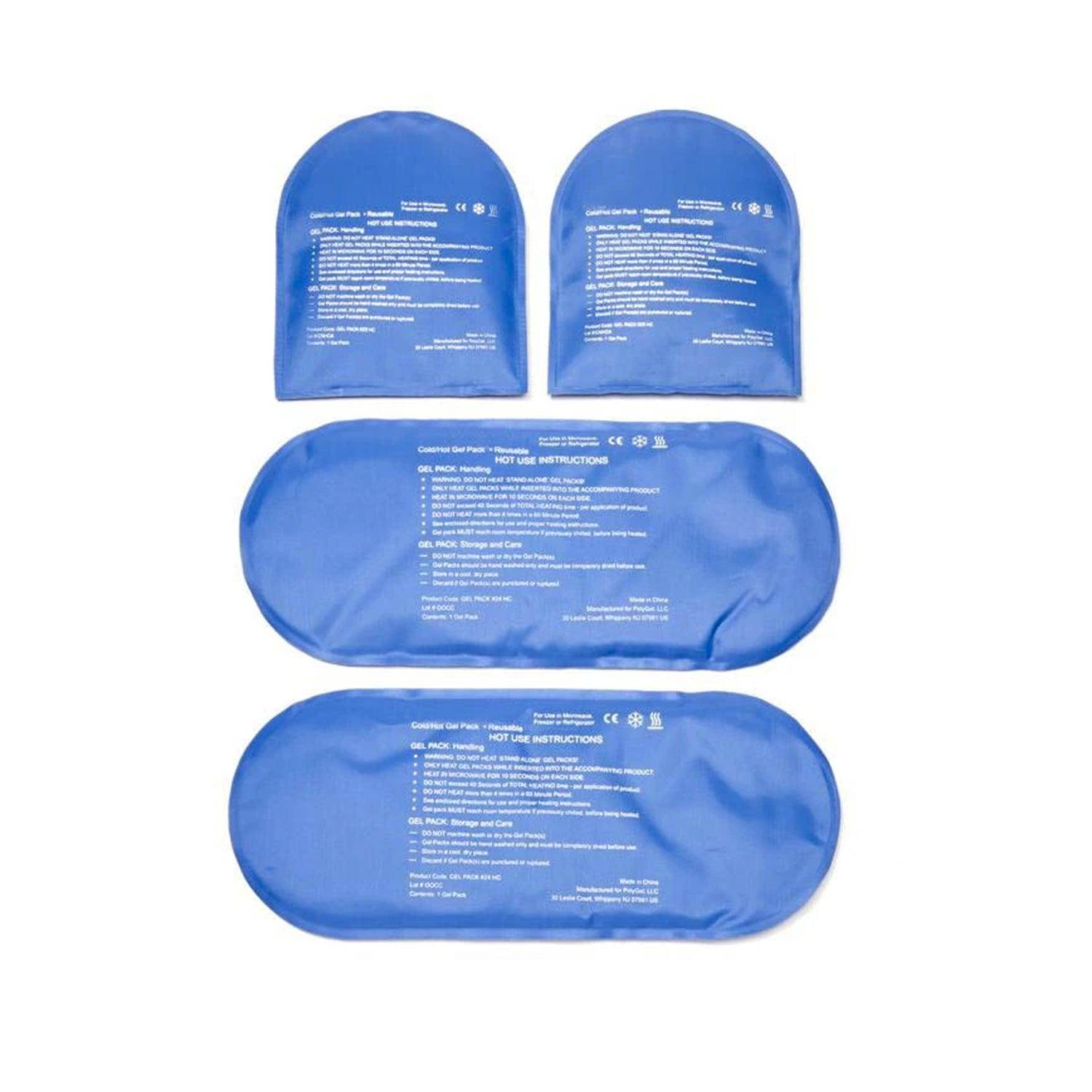
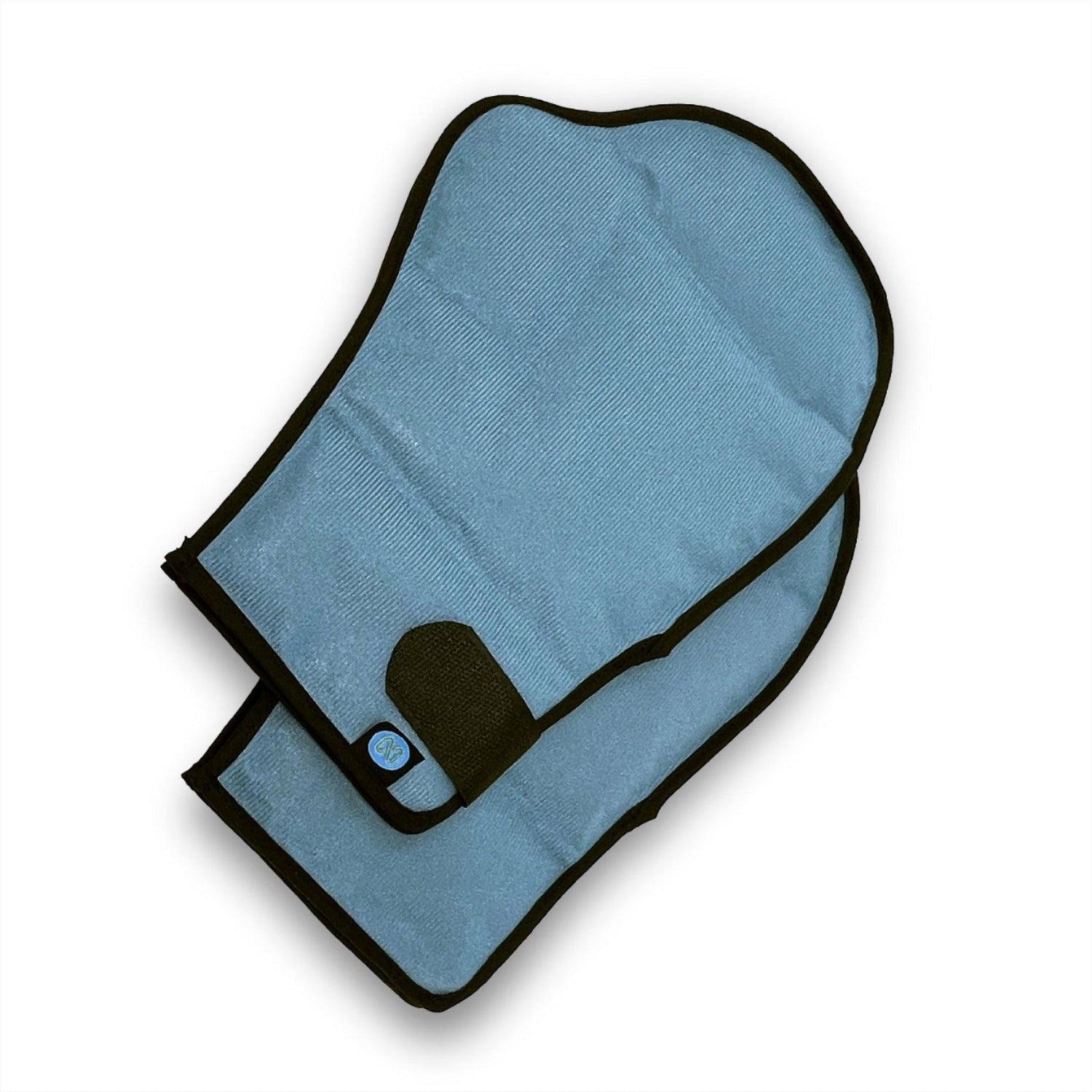
To help with shoulder pain, you can use a product made for icing the shoulder. The NatraCure Shoulder Wrap is a good choice for people with rotator cuff injuries. It gives cold therapy right where it is needed. This helps to lower swelling and make you feel better in the area that hurts.
This wrap gives you an easy and hands-free way to put cold on your shoulder joint. You can rest and feel comfortable while it works. The design makes sure the cold covers the whole shoulder joint. This helps you feel better all over your shoulder. A wrap made just for this can work better and feel nicer than trying to hold a bag of ice.
Adding the NatraCure Shoulder Wrap to your recovery plan is one of the easy treatment options that can really help. It lets you stick to your icing routine. This is important to manage pain, bring down swelling, and stop further damage while you heal.
Preventative Tips and Exercises for Rotator Cuff Health
Taking care of your rotator cuff is important. You should focus on the health of your shoulder joint even before you get hurt. You can do a few things to help stop injuries before they start. A lot of this has to do with doing strengthening and stretching exercises for your rotator cuff muscles.
Doing these exercises will help your shoulder joint feel better and stay strong. These moves help make the shoulder joint more flexible. They also build up endurance and help keep your shoulder steady. Doing these things will help you feel good and lower the chance of problems later on.
A physical therapy expert can help you choose the right moves for your body. There are also many easy exercises you can do at home. If you add these moves into your normal workout, your shoulders may stay strong and less likely to get hurt. Here are a few simple tips for making an exercise plan that is good for your shoulders.
Strengthening and Stretching Routines to Avoid Injury
A good way to avoid rotator cuff injuries is to follow a routine that works on both strength and flexibility. When you do strengthening exercises, you help build up the group of muscles that support your shoulder. Stretching, on the other hand, helps you get a better range of motion and keeps your tendons loose and healthy.
Before you begin any new exercise plan, you should talk to a doctor or someone who knows about physical therapy. They can help you choose a routine that fits your needs. This makes sure you stay safe and get good results. Here are some exercises that people often recommend:
-
Doorway Stretch: Stand in a doorway. Put your forearms on the side of the frame. This will gently stretch the front of your shoulders.
-
Pendulum Swings: Lean over. Let your arm hang down. Swing it in small circles. Go slow and be gentle.
-
Resistance Band Pull-Aparts: Hold a resistance band with both hands. Pull it out to the sides. This will help make the muscles in your upper back and shoulders stronger.
-
Wall Push-Ups: This is like a regular push-up, but you do it standing and push against a wall. It puts less strain on your shoulder joint and still helps you build strength.
When you do these exercises often, you help your shoulders get stronger and stay steady. This can lower your chance of getting hurt. Doing them the same way each time is important to grow and keep a healthy rotator cuff.
Conclusion
To sum up, it's important to know how your rotator cuff works if you want to heal well and stop new injuries. When you learn about the parts in your shoulder, know what pain feels like, and use good care at home—like keeping ice on the shoulder and trying tools such as the NatraCure shoulder wrap—you can help your recovery in a big way. Doing exercises made to keep your shoulder strong will also help you stay away from trouble later on. Taking steps early can give you a better and more healthy shoulder and bring more comfort to your life. If you are not sure about something or feel that you want help for your own situation, feel free to book a free meeting to talk. You can get started on your journey to feel better today!
Frequently Asked Questions
What is the average recovery time after rotator cuff surgery?
Getting all the way better after rotator cuff repair surgery can take a lot of time. The full process might take a year or even more. For the first 4 to 6 weeks, you will have to wear a sling. After that, you will go through a long time of physical therapy. This is important to help you get your strength and make your shoulder joint work well again. Most people start to feel much better after 4 to 6 months.
Can I tell the difference between a rotator cuff strain and a tear on my own?
It can be hard to tell the difference between a strain and a rotator cuff tear by yourself. A strain may give you a dull ache in your shoulder. But if you feel shoulder pain, have trouble lifting your arm, feel very weak, or feel sharp pain, these are symptoms of a rotator cuff injury. A complete tear or strong symptoms of a rotator cuff tear need a doctor to check your shoulder.
When should I see a doctor for rotator cuff pain?
You need to see a shoulder specialist if your shoulder pain is very strong, lasts more than a week, gets worse at night, or comes with a lot of weakness. If you feel symptoms of a rotator cuff injury, make sure you get help soon. This can help you get the right diagnosis and keep you from having further damage.
https://pubmed.ncbi.nlm.nih.gov/
https://pubmed.ncbi.nlm.nih.gov/37435133/
https://pubmed.ncbi.nlm.nih.gov/38695501/
https://pubmed.ncbi.nlm.nih.gov/38974096/
https://pubmed.ncbi.nlm.nih.gov/38332156/
https://www.ncbi.nlm.nih.gov/pubmed/41949979
https://www.ncbi.nlm.nih.gov/pmc/articles/PMC4686437/
https://www.radiologyinfo.org/es/info/arthrog
https://www.radiologyinfo.org/en/info/arthrog