
Key Highlights
-
A blister is a small pocket with fluid that forms in the upper layers of skin to keep the underlying skin safe.
-
The main causes of blisters are friction, burns, chemical exposure, and some medical conditions.
-
Most painful blisters get better on their own, but popping them can lead to a skin infection.
-
You can avoid friction blisters by using well-fitting shoes, wearing sports socks, and keeping moisture down.
-
If you notice signs of infection on the affected area, you should get medical attention.
Introduction
Have you ever got a small bump full of fluid on your foot after a long walk? That is called a blister. A blister is a skin problem that many of us have. The bubble is your body’s way to keep a hurt spot safe. Most of the time, friction is what makes a blister grow. A blister can also show up if you have a burn, an allergic reaction, or if there is a medical condition. In this guide, you will read about the common causes of blisters, their signs, and how to take care of and stop them in a good way.
Understanding Blisters
A blister is a small bubble of fluid. It forms in the top layers of your skin. These small bubbles are also called vesicles. A blister acts as a shield. It helps cover and protect the hurt skin underneath from more harm.
A blister is a small pocket in the skin that is usually filled with a clear fluid. This fluid is called serum. Serum comes out from damaged skin cells. It is important to know the causes of blisters and what signs to look for. This can help you take care of blisters and stop them from getting worse. Let’s talk about what a blister is and how you can spot the common signs.
What Is a Blister? Definition and Formation Explained
A blister is a bump that forms on the skin and is filled with fluid. It often looks like a bubble. You get a blister when the top layer of the skin, called the epidermis, pulls away from the layer below it. This space fills up with fluid. A small blister goes by the medical name "vesicle," and a large one is called a "bulla." A blister can feel odd, but it is the body's way to protect the new skin under it.
This is how your body reacts to an injury. The friction blisters that often show up are caused by repeated rubbing or too much pressure. This friction puts stress on your skin. A tear happens inside the skin layers. To help, a fluid like plasma, called serum, moves in and fills that space.
This fluid-filled sac works like a bandage. It gives a soft layer to the hurt part and keeps it safe. This helps new skin to form under it without getting hurt again. After some time, the fluid goes away as new skin grows below.
Common Symptoms Associated with Blisters
Blisters are usually simple to spot. The main sign is a small bubble on the skin. This bubble is the most clear thing you will see when you have a blister. Along with the blister, there can be other symptoms. These may make you feel some discomfort. The level of discomfort can be different for each person.
Pain is a common sign that goes with friction blisters on your hands or feet. The blisters can feel itchy. It depends on what caused them. For example, if you have an allergic reaction or skin conditions like eczema, you can see itchy blisters too. The skin in the affected area may look red or feel puffy.
Key symptoms to watch for include:
-
A blister is a bump full of fluid that rises up on the skin.
-
You may feel pain or discomfort in the affected area.
-
The skin around the blister can turn red or show inflammation.
-
There could be itching or a rash near the affected area.
Causes of Blisters
There are many causes of blisters. The most common is friction. This happens when skin keeps rubbing on something else. Blisters can also come from other things, not just rubbing. Some health problems can cause them too.
Being around very hot or cold things, like getting burns or frostbite, can hurt the skin and make blisters. If you touch some chemicals, you might get an allergic reaction or contact dermatitis. Sometimes, blisters show up because there is a medical condition or some other problem in the body. We will talk more about these ways blisters and dermatitis happen, from things you touch to health issues.
Friction, Burns, and Chemical Exposure
The most common causes of blisters are things that hurt the surface of the skin. One main reason is physical or chemical damage. Many people get friction blisters from new shoes, high heels, or working with their hands. This is because of repetitive friction on the skin. When you have a lot of rubbing, it causes shear stress. The skin gets hurt this way, and a blister can show up.
Burns can also be a big cause. A second-degree burn from heat or a bad sunburn will make blisters show up fast. This happens when your skin gets hurt. Even frostbite can cause blisters when the skin warms back up.
Blisters can form when you touch some chemicals. This can happen if you have an allergic reaction on the skin called contact dermatitis. Your skin may react to things such as cosmetics, detergents, or the oil found in poison ivy. Dermatitis like this may make the skin feel sore and cause blisters to show up.
|
Cause |
Description |
|---|---|
|
Friction |
Caused by repetitive rubbing, often from ill-fitting shoes or manual work. |
|
Burns |
Resulting from heat, such as from touching a hot surface or severe sunburn. |
|
Chemicals |
Triggered by contact with irritants like solvents, detergents, or allergens. |
Medical Conditions That Lead to Blistering
Blisters can sometimes show there is an underlying health problem. While most blisters are not harmful, they can be a sign of a number of medical conditions that can affect the skin. These problems may be due to a virus, something to do with the immune system, or passed down in families.
Some viral infections, like chickenpox and shingles, cause itchy blisters that show up as a rash. The herpes simplex virus is also to blame for several skin problems. It often leads to cold sores on and around the mouth or causes genital herpes. There are some types of eczema too, such as dyshidrotic eczema, that give you small and very itchy blisters on your hands and feet. These problems can make you feel uncomfortable because of the itchy blisters you get with them.
Some other health problems can also lead to blisters. Here are a few:
-
Bullous pemphigoid: This is an autoimmune disease. It causes large blisters, and it happens mostly in older adults.
-
Pemphigus: This is a rare autoimmune disorder. In this one, blisters can form from small pressure.
-
Epidermolysis bullosa: This is a genetic connective tissue disease. It makes the skin easy to blister and also very fragile.
Types of Blisters
Blisters show up in different ways. The type you get depends on what caused them and what kind of fluid is in them. The most common ones are friction blisters. A friction blister has a clear liquid inside called serum. This happens when the stratum spinosum, that is a layer of the skin, pulls away from the layer under it because of friction.
Sometimes, if the damage is more and it breaks small blood vessels, blood can come out into that area. This makes a blood blister. A blister can also be put into two groups by size. A small one is called a vesicle. A large one is called a bulla. If you know about these types, you can better see what is happening with your skin.
Friction Blisters, Blood Blisters, and More
Yes, there are different types of blisters. People usually group them by how they look, what causes them, or the kind of fluid inside. Knowing the difference will help you know what to do next.
Friction blisters are the most common kind of blister. These small bubbles on the skin are full of clear fluid. They happen when there is a lot of rubbing on a part of your skin. A blood blister is a different type of friction blister. A blood blister forms when the skin gets pinched or crushed. When this happens, blood vessels under the skin break. The fluid inside the blister mixes with blood, so it looks dark red or purple.
Some blisters get their names from the skin conditions that make them, like eczema or chickenpox. The size of the blister is also used to group them.
-
Vesicles: These are small blisters. They are usually less than 0.5 centimeters wide.
-
Bulla: These are large blisters. They are more than 0.5 centimeters wide.
-
Friction Blisters: These happen from friction or rubbing. They are filled with clear serum.
-
Blood Blisters: These have blood in them. You get them when your skin is pinched or crushed.
Signs a Blister May Need Medical Attention
Most blisters get better on their own and do not cause problems. But how do you know when you need to see a doctor for a blister? The main thing to watch for is the risk of infection. This is very important if the blister has been popped or if the skin has been ripped open.
Keep an eye out for signs of infection in a blister. This means bacteria may have got into the wound. Some things to look for are pus (a yellow or green fluid), more pain, swelling, or redness that spreads out from the blister. If you get any of these signs of infection, or you feel sick and have a fever, you should see a doctor or your GP.
You should also seek medical care if:
-
Blisters can show up when there is no clear reason for them.
-
You see a lot of blisters all over your body.
-
Some blisters are in sensitive places like your mouth or eyes.
-
The pain and discomfort get very bad.
Treating and Managing Blisters at Home
When you need to treat a blister, the main thing is to keep it safe from further damage. You also want to stop it from getting infected. Most times, you can handle this at home. The skin on the blister acts as a shield from bacteria. It is better to leave this skin as it is.
Covering the blister with a bandage or soft dressing can help lower friction and give a soft feel. If the blister breaks, clean the area well. After that, keep it covered so there is no risk of infection. A bad infection may need medical intervention, and you may need antibiotics to get better.
Safe Care, When to Pop, and NatraCure’s Role
If you want to know how to treat a blister at home, the main thing is to care for it in a safe way. A lot of people ask, "Should I pop a blister or let it heal on its own?" Most of the time, you should let a blister heal by itself. Popping it takes away the skin that helps keep germs out, which can lead to an infected blister.
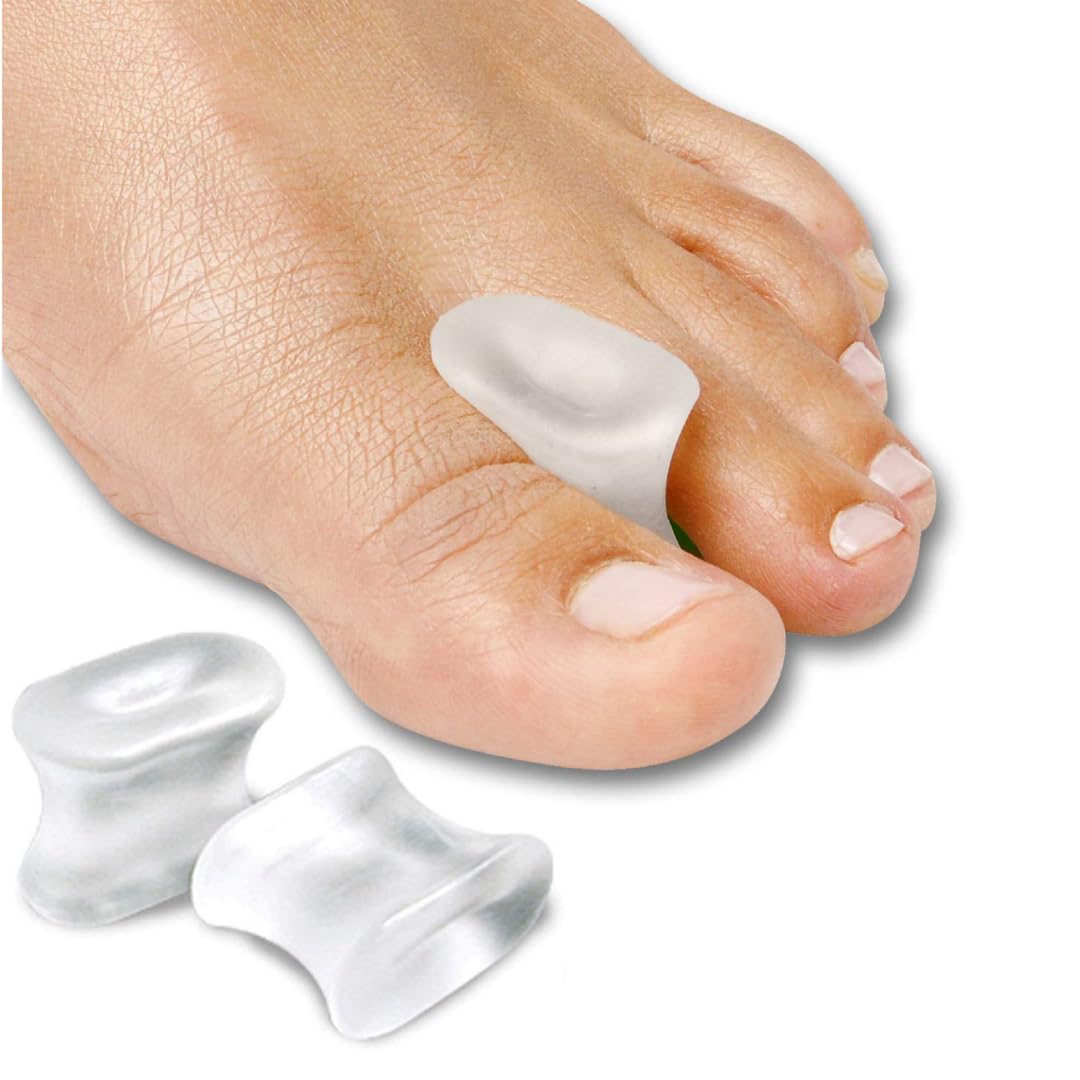
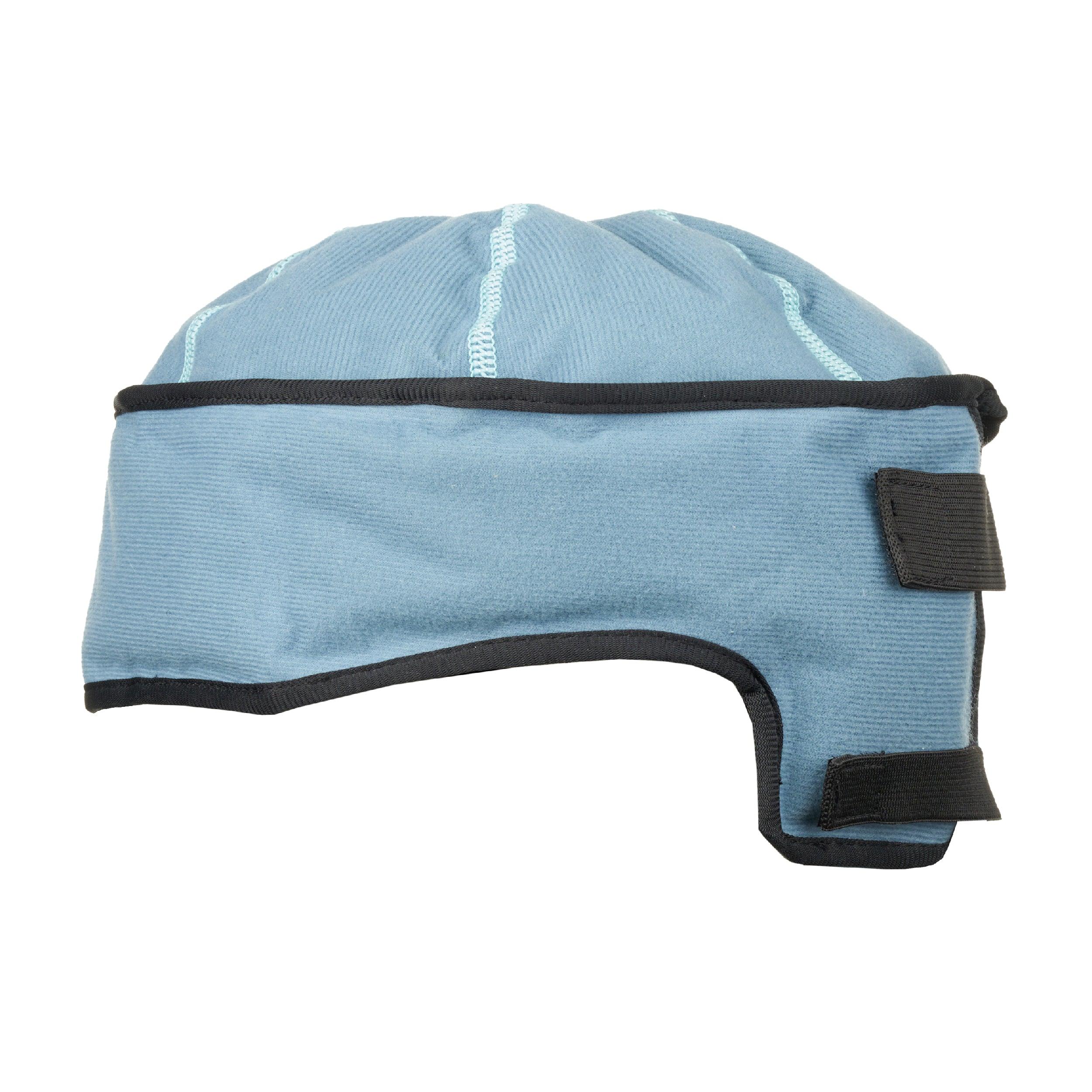
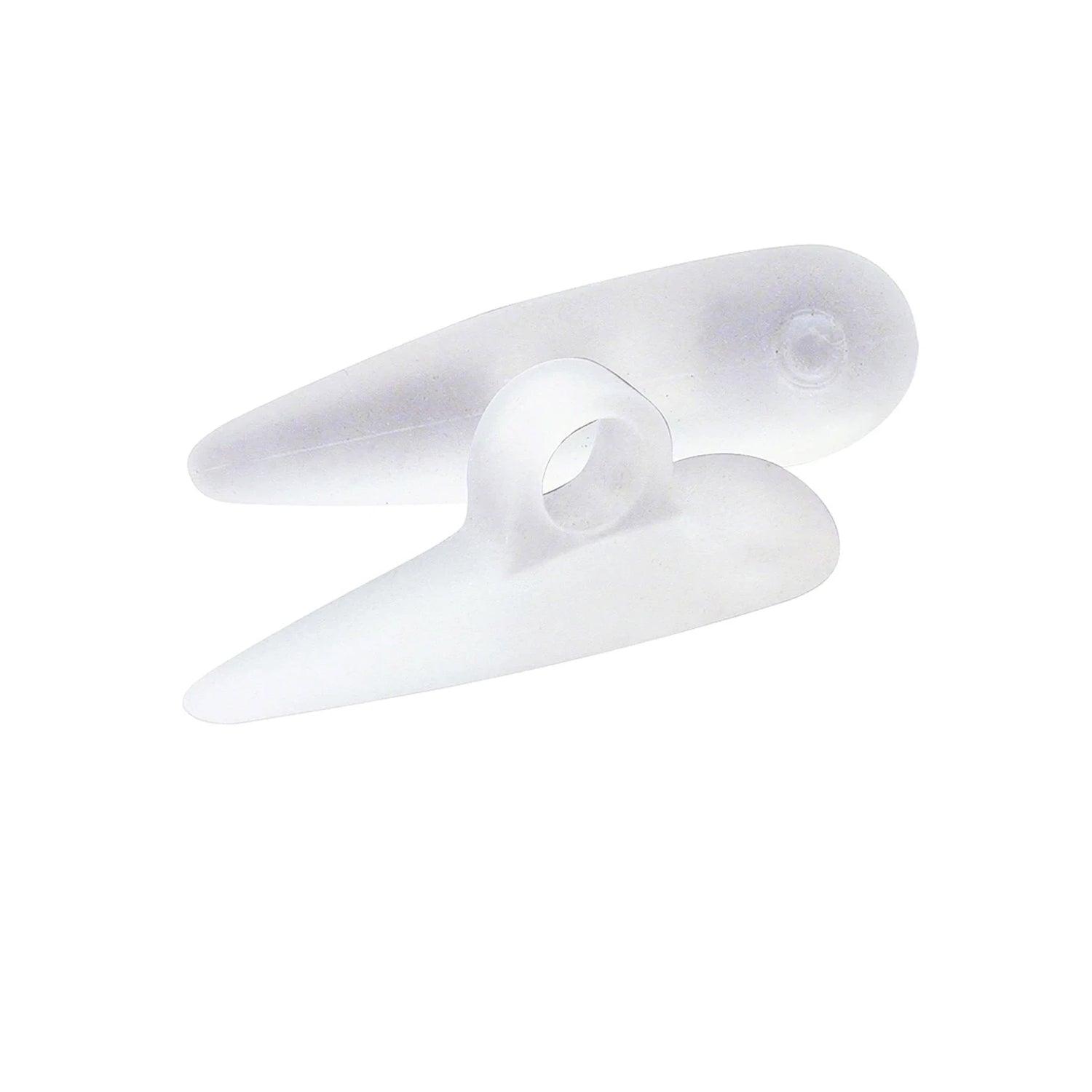
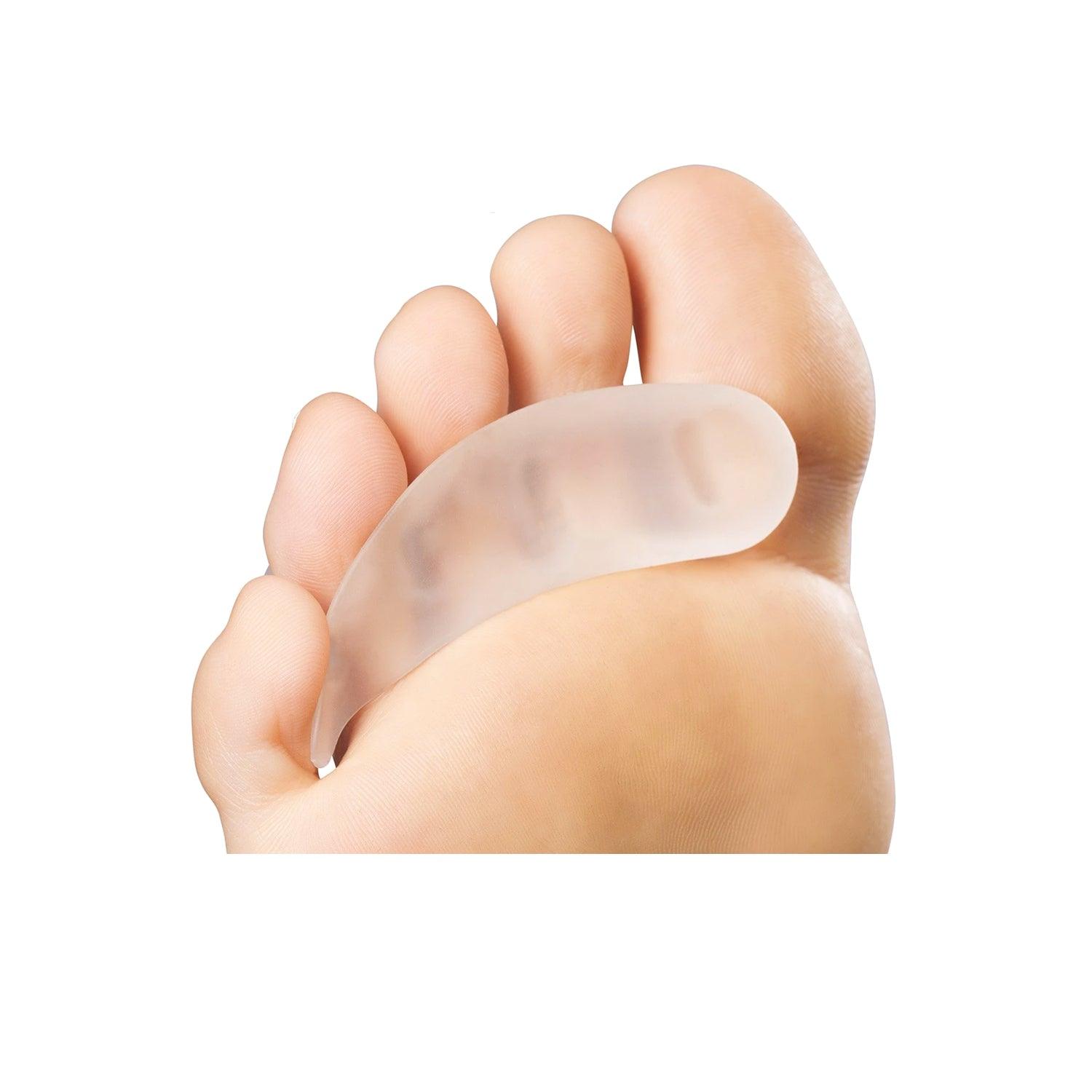
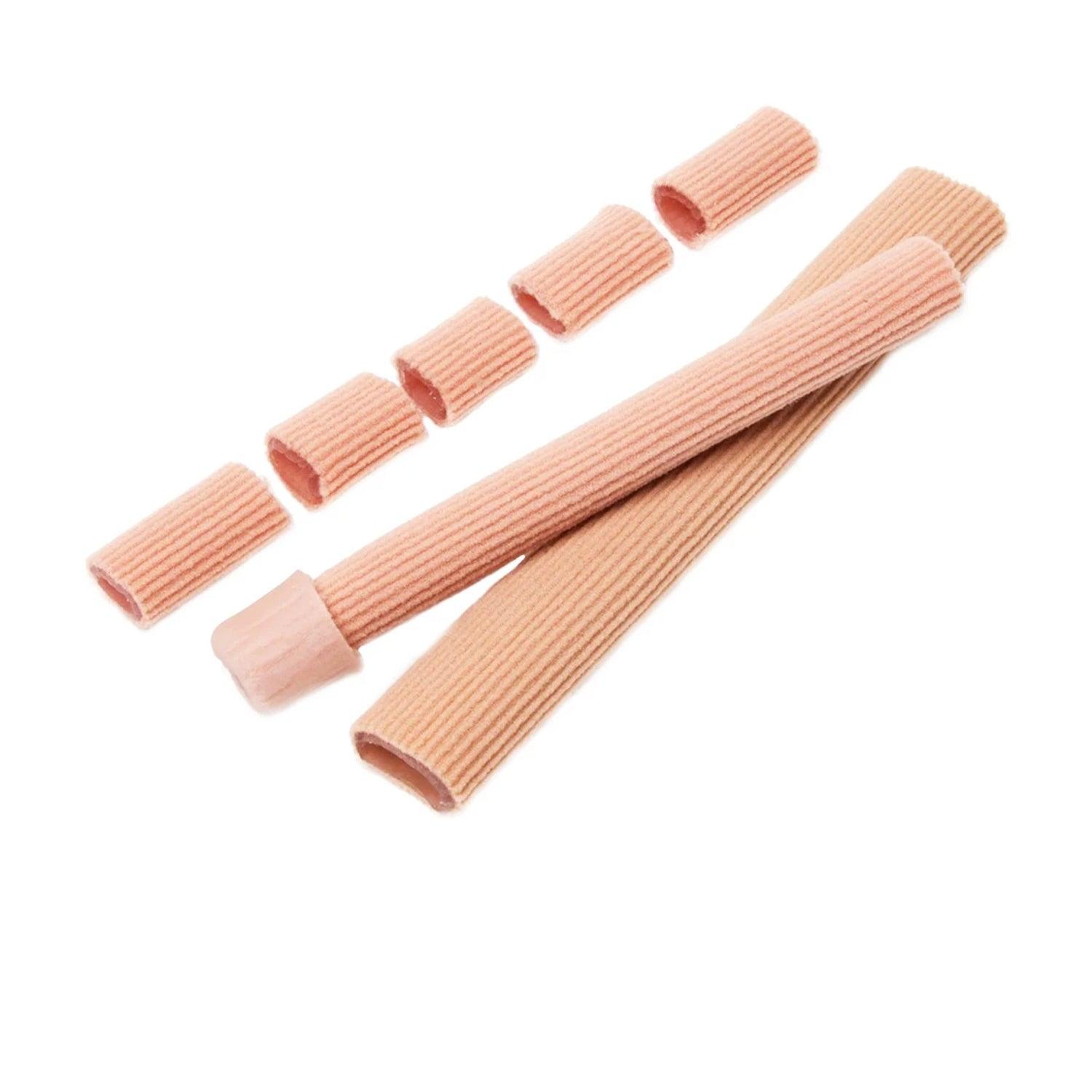
If a blister pops by itself, let the fluid out and wash it with mild soap and water. Do not take off the skin on top. Put some antibiotic ointment on it. Then cover it with a bandage or dressing. This will help keep it clean. If you feel discomfort, or if the blister is on your foot, you can use NatraCure products to help cushion the area. This can take away pain and help the blister heal.
For safe care at home:
-
Wash your hands before you touch the blister.
-
Put a loose bandage or a special blister dressing over the affected area.
-
Change the dressing one time each day or when it gets wet or dirty.
-
Do not put pressure on the affected area.
Effective Prevention Tips for Blister-Free Skin
What can you do to stop blisters from forming? It is always better to stop them before they start. A few simple steps can help you stay away from the repeated rubbing that leads to most blisters. Preventing blisters is easier than treating them. If you take steps to reduce friction, you can keep your feet and hands safe.
When you are on your feet, the best thing you can do is to wear shoes that fit well and feel good. Do not wear shoes that are too tight or too stiff. Moisture can lead to blisters on your skin. That is why you should pick moisture-wicking sports socks when you exercise or do any hard work. You can use talcum powder to help keep your feet dry for a short time. If you are doing manual work or using tools, wearing gloves will protect your hands from blisters.
Here are a few quick prevention tips:
-
Make sure you have broken in your shoes before you go on long walks.
-
Put padding or patches on the areas where you feel friction.
-
Wear protective gloves when you are gardening, playing sports, or using tools.
-
Use sunscreen to keep your skin safe from sunburn and blisters.
Conclusion
To sum up, blisters are usually a small problem, but sometimes they can point to bigger health issues that need to be looked at. By learning how blisters start, what causes them, and the different types, you can be ready to handle and prevent them. If you care for your skin and choose the right treatment, like using NatraCure, you'll keep your skin healthy and without blisters. The best method is to stop blisters before they start, so make sure you protect your skin from friction and things that can bother it. If blisters keep coming back or you feel worried, talk to a doctor. Good skin is important, and taking early steps can help a lot.
Frequently Asked Questions
What is a blister and how does it form?
A blister is a small bubble that forms under a layer of the skin. It happens when the skin gets hurt and the layers pull apart. The body puts a clear fluid called serum in this space. This fluid helps cushion the affected area and keeps it safe while it gets better.
What are the most common causes of blisters?
The most common causes of blisters come from things like physical irritation and damage. When you get repetitive friction from shoes or tools, it can make your skin hurt. Burns from heat or the sun are other causes of blisters. Chemical exposure can also cause problems, either from an irritant or when you have an allergic reaction. These things make the top layers of your skin pull apart, which lets fluid fill inside and create a blister.
How can I tell if a blister needs medical attention?
You should get medical attention if you see any signs of infection with your blister. This includes things like pus, more pain, redness, or swelling. A blister can also be a problem if there is a high risk of infection, severe discomfort, or if blisters come up without a clear reason. In these cases, it is good to see your doctor to find out what is going on.
What is a blister filled with?
A blister often has a clear fluid called serum inside it. Serum is a part of the blood. A blister forms because of friction, heat, or an injury. The fluid acts as a cushion for the skin. This helps the skin heal and keeps it safe from further damage.
How do I get rid of my blister?
To help a blister heal, you need to cover it with a clean bandage. Try not to pop the blister. Also, keep the area clean. If you feel pain, you can take over-the-counter pain medicine. Watch out for any signs of infection. If you notice something wrong or feel worried, reach out to a healthcare provider for help.
What actually causes blisters?
Blisters often happen when you have friction on your skin. Heat or chemicals can also cause them. The skin layers pull apart, and fluid fills up under the skin. You can get a blister from things like burns, allergies, or an infection. Knowing what causes a blister can help you stop them or treat them in the right way.
Is it best to pop a blister or leave it?
Popping a blister can cause an infection and slow down healing. It is often better to leave it as it is. The skin over a blister will help keep out bacteria. If your blister hurts or is big, it is good to cover it instead of breaking it.