
Key Highlights
-
Using an ice pack is a good and effective way to help with knee pain or swelling from many kinds of knee injuries.
-
Cold therapy can give you significant pain relief because it lowers blood flow and helps calm down swelling.
-
To use it the right way, put a knee ice pack on for just 15 to 20 minutes at one time.
-
Always use a thin towel to wrap around your ice pack so your skin is protected from harm.
-
For the best results, use cold therapy and also keep your leg raised so the healing process can work better.
-
NatraCure knee wraps feel more comfortable and give their pain relief right where you need it. They work better than other so-called generic options.
Introduction
Summer is a great time to run, ride your bike, and do other things outside. But you may feel pain in your knee during this time too. Some people feel sore from using their knee too much. Others feel pain from getting hurt all of a sudden. It is important to find pain relief that works. Cold therapy is an easy way to help with this kind of pain and swelling. Using an ice pack on your knee can do a lot to help you feel better. This guide will show you what you need to know about cold therapy and how to use an ice pack for knee pain. With these tips, you can get back to your summer fun faster, and feel less pain.
How to Use an Ice Pack for Knee Relief: Step-by-Step List for Runners and Athletes
If you have knee pain and play sports, using an ice pack the right way can help you feel much better. Cold therapy slows the flow of blood in the affected area by making your blood vessels smaller. This helps to bring down swelling and makes the pain feel less strong. When you do this, you get relief from the pain that comes with knee injuries.
If you follow a clear and simple step-by-step way, you can get the most out of your cold therapy for your knee pain. This will help you stay safe and feel better. We will show you each step, starting with how to choose the right pack and how often you should use it. With these steps, you can take care of your knee pain and feel like you really know what you are doing.
1. Choose the Right Ice Pack for Your Knee Needs
The first step to feel better is to choose the best ice pack for knee injuries. A bag of ice can help when you do not have much time, but a knee ice pack is made for this and is easier to use. It is good to use a pack that can bend to fit the shape of your knee. This way, cold therapy can cover the whole affected area and work well.
Gel packs or ones with adjustable straps give better cooling and gentle compression. This helps lower blood flow and keeps the pack in place. You can even move around, and the pack will stay where you need it. Flat packs often slide off and do not give the targeted relief you want.
When you invest in a knee-specific pack like the NatraCure Knee Wrap, you get a product made for top performance. These wraps are easy to use and they give cold therapy right where you need it. This makes them very useful for your recovery kit.
2. Prepare the Ice Pack for Optimal Cold Therapy
Once you get your ice pack, you have to prepare it in the right way to get the best results from cold therapy. Most gel packs you can use again should be put in the freezer for some time before you use them. You need to read and follow what the maker says so that your pack gets cold enough, but not so hard that you can't bend it.
To get the best results from your ice pack, the cold should be strong but the pack needs to stay soft. You want it to fit well around your knee. If you freeze it for too long, it can get hard, and that does not feel good. A good ice pack gives steady cold, goes into the skin, and helps you feel better.
Before you use the pack for cold therapy, let it stay at room temperature for a minute or two if you find it very hard. This helps it get a bit softer, so it is more comfortable and works better. Taking this easy step can make your cold therapy safe and good for you. It also lets your skin go back to its normal temperature between each use.
3. Wrap or Cover the Knee Ice Pack to Protect Skin
A key thing to remember when you use an ice pack is to never put it right on your skin. A frozen ice pack that touches your skin can cause skin irritation, nerve damage, or frostbite. So, to keep your skin safe, you should always put something, like a towel, between the ice pack and your knee.
A thin towel or a simple cloth is great to use as a cover for your ice pack. This cover lets the cold get through and helps you feel better but doesn’t hurt your skin. If your ice pack comes with its own cover or sleeve, always use it. This is a very easy step, but you should not skip it if you want safe cold therapy.
When you do this, you can stay away from adverse effects and keep your focus on healing. This easy step helps you get all the good things from cold therapy without any risks. It makes your recovery process better and safe.
4. Apply the Ice Pack to the Knee Joint
Now it is time to put the cold pack on your knee. To get the best pain relief, make sure the cold pack covers all of your knee joint. Focus on the areas where you feel the most knee discomfort. A flexible pack works well, as you can shape it to fit around your knee for full coverage.
Carefully put the wrapped pack on the front, sides, and back of the knee as you need. If the wrap has straps, such as the NatraCure Knee Wrap, fasten it tightly enough to stay in place. Make sure the fit is firm, but not too tight. It should give light pressure without stopping blood flow.
Good positioning is important for the treatment to work well. When you put the cold pack in the right place, the cold reaches all parts of the swollen area. This helps to bring the swelling down and makes the pain feel less. This focused way to use cold also helps the healing process to move faster, so you can feel better and be back on your feet sooner. Using cold like this helps block pain signals too.
5. Set a Timer: Recommended Duration for Knee Icing
To get the best pain relief with ice therapy, timing matters a lot. If you put ice on for too long, it can do more harm than good. The right amount of time for one single session is 15 to 20 minutes. This is just enough for the cold to make the blood vessels tighten up and give significant pain relief, but still short enough to help you avoid nerve damage or hurt your skin.
It is a good idea to use a timer on your phone or a clock. This way, you know when the session is done. Doing more is not always better when you ice something. If you go over 20 minutes, there can be problems like frostbite or hurt the tissues under your skin.
Staying in the sweet spot of 15 to 20 minutes means you get all the good anti-inflammatory effects in a safe way. It is better to have short and regular sessions like this to help with pain and swelling. A long session is not as good as sticking to this sweet spot every time.
6. Elevate the Knee While Using the Ice Pack
To get the most out of your icing session, you should raise your knee. Put your leg up on some pillows or a cushion so your knee is higher than your heart. This uses gravity to help with the swelling. In this spot, extra fluid can leave the sore area, and this helps bring down swelling.
Using an ice pack and keeping your knee up work well together when you want to fight swelling and pain. The cold therapy from the ice pack makes the blood vessels tighten. This cuts down blood flow to the knee. When you keep the leg up, it helps move the fluid away from the knee. This mix is good for knee injuries that just happened or after you do strong exercise.
Add this to your recovery routine. Find a good place to rest, like a couch or your bed. Take your pillows and get comfortable. Then, put some ice on your knee and keep your leg up. This mix of ice and elevation can give you better pain relief. It’s an easy step that can help your knee feel good faster.
7. Follow Guidelines for Frequency of Use After Running or Cycling
If you want to use cold therapy to help with knee pain, it's good to be consistent. But how often you use an ice pack depends on your need. If you feel sharp pain or your knee hurts after a hard or long activity, like running or biking, you can put ice on your knee several times in one day. A common tip to follow is to use an ice pack for 15 to 20 minutes. Do this every 2 to 3 hours in the first day or two after you feel the pain. This can help keep the pain and swelling down.
The way you move in your day or your activity level will decide how many times you need to use ice. If you like to be active in summer and train often, you may want to use ice after every session. This can be an important step to help your body feel better after working out. It makes sure that swelling does not get worse and stop small aches from turning into bigger problems.
Listen to your body. If you feel that your knee is hot, swollen, or hurts, then cold therapy is a good idea. But you have to let your skin go back to its normal temperature before you use cold therapy again. This helps you avoid any damage.
8. Monitor Skin and Knee Condition During and After Icing
While you use cold therapy, you should watch how your skin and knee feel. Every now and then, check the skin under the ice pack to see if there are any problems. If you notice a lot of redness, white spots, blisters, or bumps, these may mean there is skin damage or frostbite. If you see these adverse effects, stop using the ice pack and let your skin rest.
If you feel strong numbness or a sharp, tingling feel when you use an ice pack, take it off right away. These feelings can mean the ice pack is making your nerves feel sore, or that there could be nerve damage. It's okay for your skin to feel cold and feel a bit numb for a short time. But it should not feel painful.
After the session, let your skin go back to its normal temperature and color. Do not start another application right away. It is good to watch how your body reacts to cold therapy. This helps you use cold therapy in the best way. It will help with knee pain and not cause harm.
Key Benefits of Using an Ice Pack for Knee Relief
Using an ice pack for knee pain comes with many benefits, especially for people who move a lot. A big plus of cold therapy is that it can give you immediate pain relief and help with swelling. When you use ice, it makes the blood vessels become narrow. This action slows down the body's response to injury, which often causes much of the pain after you get hurt or after a tough workout.
This simple treatment does not involve any surgery or needles. The healing process can move faster with it. It works well to control pain and reduce swelling. This means you can start easy rehab exercises earlier. That helps you to build up strength in your knee. You also get back your movement sooner. Now, let’s look more closely at some of these benefits.
Immediate Reduction in Swelling and Inflammation
Using an ice pack on your knee helps to narrow blood vessels fast. This cold therapy brings down swelling and soothes the affected area right away. It is key to do this after an acute injury or if you feel pain from tough exercise. A knee ice pack can stop pain signals and bring quick relief.
Keep the ice pack on your knee for about 15 to 20 minutes. This helps with blood circulation and supports the healing process. To avoid skin irritation, always wrap the pack in a thin towel before putting it on.
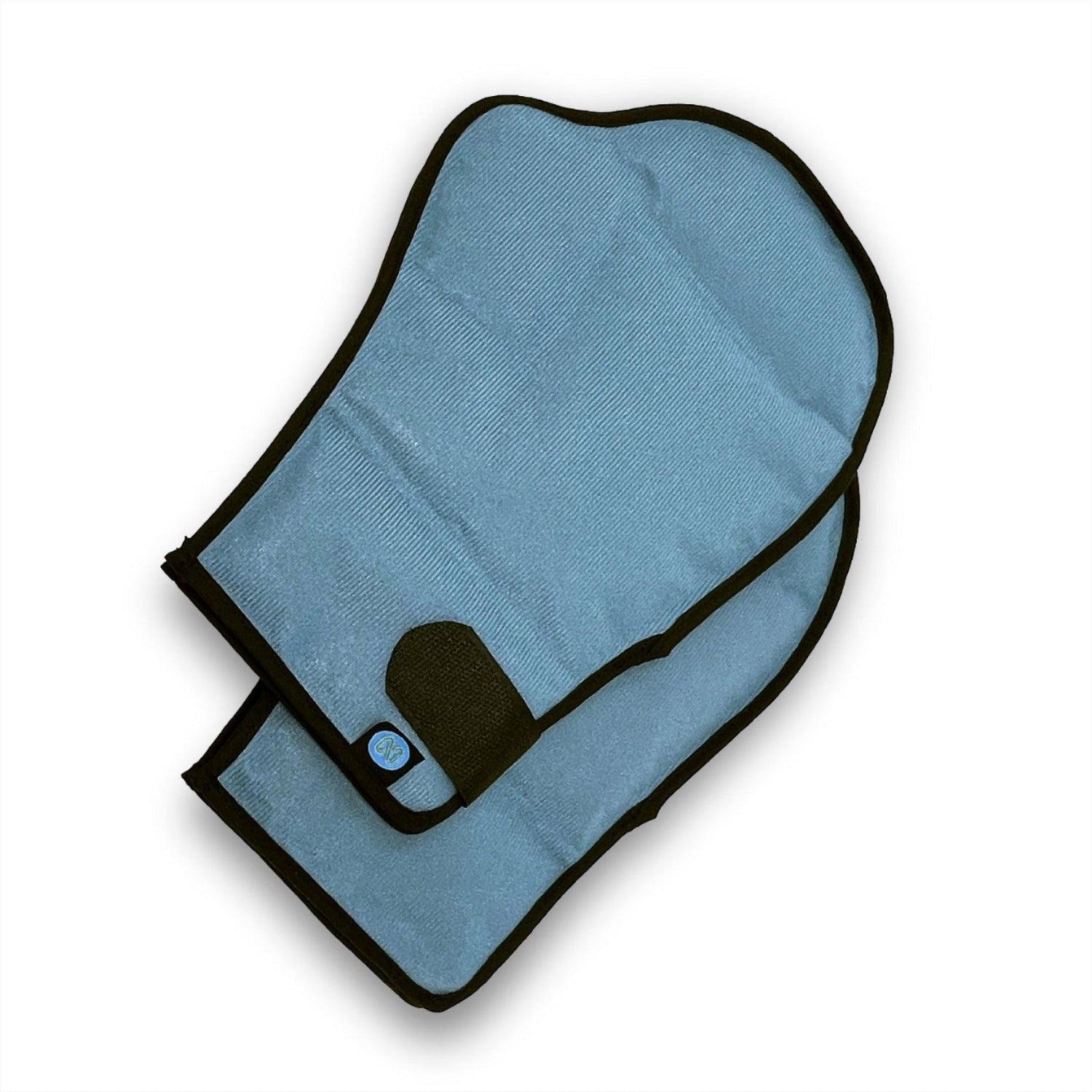
The NatraCure knee wrap is also a good option. It comes with adjustable straps that give gentle compression to your knee. This helps you feel even more comfortable while targeting relief where you need it most.
Enhanced Pain Relief for Overuse or Acute Injuries
Pain relief from overuse or new injuries can feel much better with the right use of an ice pack. Cold therapy helps to calm swelling and makes the blood vessels in the affected area get smaller. This cuts down on swelling and gives pain relief. When putting an ice pack on your knee, always use a thin towel to keep your skin safe from skin damage or irritation. Try to use it for about 15-20 minutes at a time, and let your knee return to room temperature before you do it again. For the best results, this way gives you immediate pain relief and helps keep your knee joint working well during your recovery.
With a product like the NatraCure knee wrap, you can feel good support and extra comfort. The adjustable straps make it easy to fit it well around your knee, so the cold covers the right spots. A proper fit makes cold therapy more useful and goes well with your daily activities, even if you are a runner or someone active in the summer. These steps can help you feel better faster, feel less pain, and get you back on your feet and into your usual day.
Faster Post-Workout Recovery for Summer Athletes
After you work out, it can help a lot to use the right recovery steps, especially for summer sports like cycling, running, or other hard exercises. When you use an ice pack, such as the NatraCure knee wrap, it can calm inflammation and help blood flow in the affected area. It is a good idea to try cold therapy on your body for 15 to 20 minutes after you finish your workout because it can ease muscle tension and make pain signals feel less strong. A little gentle compression can be added to the area too, which gives extra support and helps stop further injury. If you make this a part of your routine, the recovery process will be better, and you can stay in good shape all summer.
Types of Ice Packs for Knee Pain: What Runners Should Know
When you want to put an ice pack on your knee, you should know that not every kind of ice pack is the same. There are a few types you can use, like gel packs and compression wraps. If you run a lot, you need to pick the right one. This choice can help make your cold therapy work better and also fit well with your daily routine. A reusable ice pack is a good idea if you play sports and need relief often.
If you know the differences between the choices, you can choose the tool that works best for you. This will help you get steady and focused relief for your knee pain. Now, let's see what the most common types are.
Reusable vs. Single-Use Knee Ice Packs
When you look at options for knee ice packs, you will find that reusable ones are often a good pick because they help save money and are better for the environment. People can use these packs again and again. You just put them in the freezer, and they are ready to go when you need some cold therapy for knee discomfort or for when you are coming back from an injury.
But single-use packs are also helpful. You do not need to do any preparing or waiting for these packs. You can use them right away when you feel pain, like after intense physical activity or if you pull something all of a sudden.
So, the best type for you will depend on your activity level and what you want to feel better. With cold therapy, both options can help, but you need to think about what works best for your own needs.
Compression Wraps vs. Standard Gel Packs
When you need pain relief for your knee, it's good to know how cold therapy options work. Compression wraps offer cold therapy. They also give gentle support to the affected area. This helps improve blood circulation and brings down swelling.
Regular gel packs give cold therapy too. But they might not give you the extra support your knee needs. Using both compression wraps and gel packs may help you feel better faster. This is helpful for athletes and anyone in their recovery process.
If you put together the benefits of compression and cold therapy, you can get significant pain relief in the affected area. This mix also helps your healing.
Why Flexibility Is Essential in a Knee Ice Pack
The flexibility of a knee ice pack is important for getting the best results from cold therapy. When the ice pack can fit the knee joint well, it makes good contact with the affected area. This helps cold therapy work better to calm inflammation and lower swelling. A close fit can also help improve blood flow, so the knee heals faster. A flexible knee ice pack is more comfortable to use during your daily activities or while you work out. A design like this should move with you, so you can keep doing what you need to do. At the same time, the ice therapy gives strong pain relief and helps with any muscle tension or joint discomfort.
Comparing NatraCure Knee Wrap with Generic Brands
When you have knee pain, you need something that helps right away. A lot of basic gel packs from other brands feel the same, but the NatraCure Knee Wrap stands out. This wrap is made to feel better and work better. Many one-size-fits-all packs can slide around and not cool your knee the right way. The NatraCure Knee Wrap is made for your knee, and gives you cold therapy right where you feel pain. It also stays in place and gives good compression, so you get comfort and support with every use.
The small things really do make a big difference. Many generic brands use cheap materials. They also go with simple designs. This can lead to a product that does not work well. It may leave you feel upset or let down. However, when you choose a top brand like NatraCure, you get much better quality. The team behind this brand makes sure each product is well made. The goal is to give you steady and trusted relief, so you heal quicker and get back to doing what you love.
Unique Features and Comfort of NatraCure Knee Wrap
Made to feel good, the NatraCure knee wrap comes with adjustable straps for gentle support. It fits close around your knee joint to make sure the cold therapy gets right to the affected area. This helps improve your blood circulation and cut down on muscle spasms. The soft, flexible design lets you move well, so you can use this ice pack at home, at work, or while doing your daily activities. It gives strong pain relief and helps the healing process, bringing comfort each time you put it on.
Effectiveness and Durability Compared to Other Knee Ice Packs
An ice pack for the knee is best known for its strength and how well it works, especially when you compare it to other ice packs. A lot of ice packs may help for a short time, but the better ones, such as the NatraCure knee wrap, give steady cold therapy. This helps lower pain and can also help blood flow in the affected area. A strong ice pack can be used many times. It is a good pick for people, like athletes, who have pain from overuse or an acute injury. Using high-quality wraps is good for both your comfort and for lowering pain signals when you are healing.
Conclusion
In the end, using an ice pack on your knee is an easy and good way to help with pain and swelling. This is very helpful for runners and those who are active in summer. If you follow the steps in this post, you can make sure that you use cold therapy the right way. This will give you the best results.
Keep in mind, not every ice pack is the same. The NatraCure Knee Wrap has special features that can give you more comfort and good results when you compare it to normal ice packs. When you use it often, do it the right way, and pick the right tools, you can feel good faster and get better sooner.
To get the help you need for your knee, you can look at the top-rated Flexikold Gel Ice Packs [here](https://www.amazon.com/stores/page/5EFF8C3A-D66D-4B28-BB8C-6B4C6F4D3B9A?ingress=2&visitId=d7f2ddf2-a693-4778-aa24-f52e299da165&store_ref=bl_ast_dp_brandLogo_sto&ref_=ast_bln&aa_adgroupid=_Ampd____Storefront___All_Ice_Packs___BRANDED_174340879144&aa_campaignid=_Ampd____Storefront___All_Ice_Packs___BRANDED_21714905230&aa
Frequently Asked Questions
How long should I keep an ice pack on my knee to reduce swelling?
For good pain relief and to help bring down swelling, put an ice pack on your knee for 15 to 20 minutes. This is enough time for cold therapy to slow down blood flow but not hurt your skin. Always let your skin get back to normal temperature before you use the ice pack again.
Can I use a knee ice wrap after surgery or injury?
Yes, most people will use an ice pack after knee surgery or for knee injuries. Cold therapy is a big part of the healing process. It helps lower pain and swelling after surgery or an injury. But you should talk with your doctor or physical therapist. They can give you advice that is right for you.
Are there any risks or side effects of using an ice pack on my knee?
The biggest risks of cold therapy are skin irritation and frostbite. These happen if you do not use an ice pack the right way. To keep away from these bad effects, do not put an ice pack right on your skin. Also, do not use it for longer than 20 minutes at one time. If you have a medical condition like a problem with your blood flow, talk to your doctor before you try cold therapy.