
Key Highlights
-
Knee pain is a common issue that can be managed effectively with a knee ice pack for targeted pain relief.
-
Cold therapy helps reduce swelling and numbs discomfort from injuries, overuse, or chronic conditions.
-
Understanding the cause of your knee pain—whether from injury, arthritis, or overuse—helps determine the best treatment.
-
Compression wraps combined with cold packs offer superior support and targeted relief compared to standard ice.
-
Proper use, including application time and skin protection, is crucial for safe and effective pain management.
-
The NatraCure Knee Wrap provides flexible, hands-free cold therapy for comprehensive pain relief.
Introduction
Dealing with knee pain can disrupt your daily life, making simple activities feel like a major challenge. Whether it's a dull ache or a sharp pain, finding effective pain relief is a top priority. While there are many remedies, cold packs remain one of the most trusted and accessible solutions. They offer a straightforward way to manage discomfort and support your body's healing process. This guide will walk you through how to choose and use the best ice pack for your knee, helping you get back on your feet.
Understanding Knee Pain and Its Causes
Knee pain can appear in many forms, from a mild annoyance to debilitating discomfort that limits your mobility. It often stems from issues within the knee joint itself, but can also be related to muscle tension or even problems in your lower back. The causes are diverse, ranging from sudden knee injuries to chronic conditions that develop over time.
Understanding what's behind your pain is the first step toward finding the right solution. Whether it's from overuse, an accident, or an underlying medical condition, identifying the source helps guide your treatment. Below, we'll explore common types of knee pain and why ice therapy is such a popular recommendation.
Common Types of Knee Pain: Medial, Lateral, Post-Op, and Runner’s Knee
Knee pain isn't a one-size-fits-all problem; it can manifest in different parts of the knee, each pointing to a unique cause. Medial knee pain, or pain on the inside of your knee, often relates to ligament issues or arthritis. In contrast, lateral knee pain on the outside of the joint can be linked to iliotibial (IT) band syndrome, a common ailment for runners.
Post-operative pain is another key category, occurring after procedures like a knee replacement. This type of discomfort is a normal part of the healing process and requires careful management to reduce swelling and promote recovery. Then there's "runner's knee," a general term for pain around the kneecap, often caused by overuse and repetitive stress on the knee joint.
Each of these knee issues can cause significant joint pain and limit your activities. Recognizing the specific type of pain you're experiencing is crucial for choosing the most effective treatment, including which of the different types of ice packs will work best for you.
Why Ice Therapy Is Recommended for Knee Discomfort
When you're dealing with knee discomfort, one of the most common recommendations you'll hear is to use an ice pack. But why is this simple remedy so effective? Cold therapy, or cryotherapy, works by constricting blood vessels in the targeted area. This process helps reduce inflammation and swelling, two of the primary sources of pain after an injury or flare-up.
Applying cold packs also has a numbing effect, providing immediate, short-term pain relief. By slowing down nerve signals in the area, ice helps to dull the sensation of pain, making your knee discomfort more manageable. This is especially helpful for acute injuries, like sprains or strains, where swelling is prominent.
This method is a go-to for athletes and healthcare providers alike because it's a non-invasive and effective way to handle symptoms. Whether you're using a simple bag of ice or specialized cold wraps, the principle remains the same: control swelling, numb pain, and start the healing process.
How Ice Packs Help Relieve Knee Pain
Using a knee ice pack is a powerful way to achieve pain relief. The magic behind icing is its ability to reduce blood flow to the affected area. This simple action helps calm inflammation and reduces swelling, which are often the main culprits behind your pain. Cold therapy can also help ease muscle tension around the knee joint.
By applying cold, you are effectively telling your body to slow down its inflammatory response. This provides a numbing sensation that brings quick comfort. Now, let's look closer at the specific benefits of cold compression and how it compares to heat therapy.
Benefits of Cold Compression for Knee Pain Relief
Combining cold with compression is a highly effective strategy for managing joint pain. A compression wrap that holds a knee ice pack in place does more than just keep it secure. The pressure from the wrap helps to further reduce swelling and provides gentle support to the knee, which can enhance your pain relief.
This dual-action approach is particularly beneficial for acute injuries. The cold numbs the pain and constricts blood vessels, while the compression helps push excess fluid away from the injured tissue. This synergy can lead to faster recovery and reduced discomfort. It can also help relieve muscle spasms around the joint.
Key benefits of using cold packs with compression include:
-
Enhanced Swelling Reduction: Compression helps prevent fluid buildup in the joint.
-
Targeted Pain Relief: The wrap ensures the cold is applied directly where it's needed most.
-
Improved Stability: The wrap provides support to the knee, protecting it from further strain.
Reducing Swelling After Injury or Surgery
Swelling is your body's natural response to an injury or surgery, but too much of it can increase pain and slow down healing. After an event like a sprain or knee replacement surgery, managing swelling is a critical first step. This is where cold therapy becomes an invaluable tool.
When you apply a cold pack to the affected area, it causes the blood vessels to constrict. This reduces the flow of blood and other fluids to the site of the injury, directly combating the buildup that causes swelling. By limiting inflammation, you can alleviate pressure on the surrounding nerves and tissues, which in turn reduces pain.
For post-surgical recovery, such as after a total knee replacement, controlling swelling is essential for regaining your range of motion. Consistent and proper use of cold therapy can make the initial stages of the healing process much more comfortable and effective, helping you get back to your daily activities sooner.
Hot vs. Cold Therapy—When to Use Each for Your Knees
Knowing whether to reach for a cold pack or a heating pad can be confusing. The key difference between hot and cold therapy lies in how they affect blood flow. Cold therapy constricts blood vessels, which is ideal for new injuries, while heat therapy does the opposite, increasing blood flow.
Use cold packs for acute injuries (within the first 48-72 hours) where swelling and inflammation are the main issues. The cold helps numb the pain and reduce fluid buildup. This is your go-to solution for sprains, strains, or post-workout soreness. Heat therapy, on the other hand, is best for chronic conditions and muscle stiffness. The warmth helps relax tight muscles and soothes joints affected by conditions like arthritis.
Here’s a quick guide:
-
Use Cold For: Acute injuries, swelling, inflammation, and post-activity soreness.
-
Use Heat For: Chronic pain, stiff joints, muscle spasms, and pre-activity warm-ups.
-
Alternate: For some conditions, alternating between hot and cold can be beneficial, but start with cold if swelling is present.
Types of Ice Packs Designed for Knee Pain
Not all ice packs are created equal, especially when it comes to treating knee pain. While a bag of frozen peas can work in a pinch, there are different types of ice packs designed to contour to body parts like your knee. Modern options like gel packs offer flexibility and consistent cold that traditional ice can't match.
These specialized cold packs are made to provide targeted relief, ensuring the cold reaches the entire joint. From simple gel packs to advanced compression wraps, understanding the options available will help you find the most comfortable and effective solution for your needs.
Standard Gel Packs Versus Traditional Ice
When it comes to cold therapy for knee pain, you have a few choices. The most basic option is traditional ice—cubes or crushed ice placed in a plastic bag. While readily available and effective at reducing temperature, ice can be lumpy, uncomfortable, and prone to messy leaks as it melts. It also doesn't conform well to the complex shape of your knee.
This is where gel packs come in as a superior alternative. Gel packs are designed to stay flexible even when frozen, allowing them to wrap snugly around your knee for better coverage. They deliver a consistent, controlled cold without the drippy mess. Because they are reusable, they are also more convenient and cost-effective over time.
While a bag of ice will certainly do the job in an emergency, investing in a reusable gel pack provides a more comfortable and efficient way to apply cold therapy. Their design ensures that the cold penetrates the joint evenly, maximizing the therapeutic benefits for your knee pain.
Compression Wraps for Targeted Cold Therapy
For those seeking the next level of pain relief, compression wraps are specifically designed to combine the benefits of cold and compression. These wraps feature a sleeve or brace that holds one or more cold packs securely against your knee. They are often equipped with adjustable straps, allowing you to control the amount of pressure for a customized fit.
This combination is a game-changer for knee ice therapy. The compression helps reduce swelling more effectively than cold alone, while also providing stability to the joint. The wrap ensures the cold packs stay in place, delivering targeted relief exactly where you need it without you having to hold it. This is particularly useful for delivering consistent cold to the entire knee joint.
Here’s why compression wraps stand out:
-
Hands-Free Application: The wrap secures the pack, freeing up your hands.
-
Customizable Compression: Adjustable straps let you find the perfect level of pressure.
-
Comprehensive Coverage: They are designed to envelop the knee for all-around relief.
Reusable vs. Disposable Knee Ice Packs
When choosing a knee ice pack, you'll encounter both reusable and disposable options. Disposable packs are convenient for one-time use, like in a first-aid kit for emergencies. However, for ongoing knee pain or recovery over an extended period, a reusable knee ice pack is a far more practical and economical choice.
Reusable packs, typically gel-based, can be used again and again. You simply store them in the freezer until needed. They tend to provide a more consistent and longer-lasting cold compared to their disposable counterparts. Think of it as an investment in your long-term comfort and well-being. A simple sealable bag with ice cubes is a form of disposable pack, but it can be messy and less effective.
Consider these points when deciding:
-
Cost-Effectiveness: Reusable packs save money over time if you need cold therapy regularly.
-
Convenience: A reusable pack is always ready in your freezer, eliminating the need to buy new ones.
-
Performance: Reusable gel packs often offer better temperature control and flexibility.
Choosing the Best Knee Ice Pack
Finding the right ice pack for your knee pain can make a huge difference in your recovery. To choose the best one, you should look for features that provide comfort, convenience, and effective relief. Think about how it fits, what it's made of, and how well it covers the painful area. Gel packs are often recommended in physical therapy for their flexibility.
A good knee ice pack should address your specific joint pain without creating new problems, like slipping off or causing skin irritation. We'll now break down the key features to look for, how materials and fit impact effectiveness, and how to keep it secure.
Key Features to Look for in a Knee Ice Pack
When you're on the hunt for the perfect knee ice pack, certain features can significantly enhance its effectiveness and your comfort. First and foremost, look for a pack that offers excellent coverage of the affected area. A good design will wrap around the entire knee—front, back, and sides—to ensure comprehensive pain relief.
Flexibility is another crucial element. The pack should be able to contour to the unique shape of your knee, even when frozen. This is where gel-based cold packs excel. Additionally, consider packs that come with adjustable straps. These straps allow you to apply gentle compression and keep the pack securely in place, so you don't have to hold it.
Here are the top features to prioritize:
-
Flexible Design: Ensures the pack molds to your knee for maximum contact.
-
Adjustable Straps: Provide a secure fit and allow for hands-free use and compression.
-
Durable, Leak-Proof Material: Prevents messes and ensures the pack lasts through many uses.
How Fit, Material, and Coverage Impact Effectiveness
The effectiveness of a knee ice pack isn't just about how cold it gets; fit, material, and coverage play equally important roles. A proper fit is essential for targeted pain relief. If the pack is too bulky or doesn't conform to your knee's shape, it won't deliver cold evenly, leaving some areas untreated. A snug fit ensures that the cold therapy penetrates deep into the joint to reduce swelling effectively.
The material of the ice pack and its cover also matters. A soft, pliable material will feel more comfortable against your skin and prevent irritation. Some packs come with a cloth barrier to protect your skin from direct contact with the cold source. Look for durable, high-quality materials that are leak-proof and designed for repeated use.
Finally, coverage determines how much of your knee receives treatment. A small pack might only cool the front of your kneecap, but pain and swelling often affect the sides and back of the knee as well. A larger, wrap-around design provides 360-degree coverage, ensuring the entire joint benefits from the cold therapy.
Keeping the Ice Pack Secure During Movement
One of the biggest challenges with using a knee ice pack is keeping it in place, especially if you can't sit still. Trying to balance a simple gel pack or a bag of ice on your knee while you move around is frustrating and ineffective. To keep the pack secure, you need a solution designed for movement.
This is where wraps with adjustable straps are invaluable. These straps allow you to fasten the ice pack firmly but comfortably around your knee. You can walk around the house, make a meal, or even do gentle stretches without the pack slipping or falling off. The ability to adjust the tightness also means you can apply the perfect amount of compression for your comfort level.
While you shouldn't engage in intense physical activity while icing your knee, having a secure wrap allows you to continue with light daily tasks. This hands-free convenience makes it much easier to stick to a consistent icing schedule, which is key for a successful recovery.
Spotlight on NatraCure Knee Wrap
When it comes to managing knee pain, finding a reliable and user-friendly knee ice pack is essential. The NatraCure Knee Wrap is an excellent example of a product designed with user comfort and effective pain relief in mind. It combines the benefits of cold therapy with secure compression wraps to deliver targeted relief.
This wrap is designed to make icing your knee simple and hassle-free. Let’s explore the unique features that make the NatraCure Knee Wrap a standout choice and see what real users have to say about their experiences.
Unique Features and Benefits of NatraCure Knee Wrap
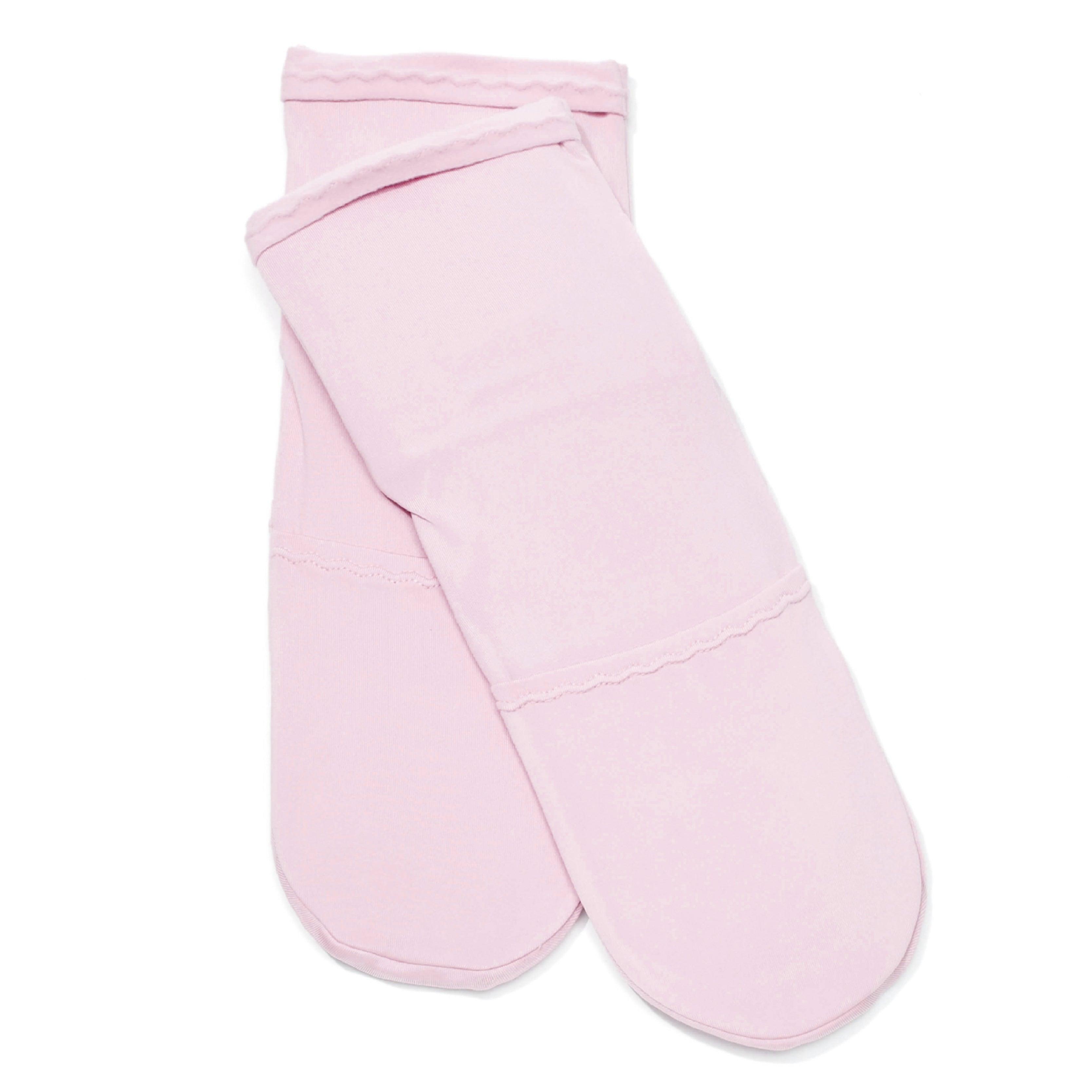
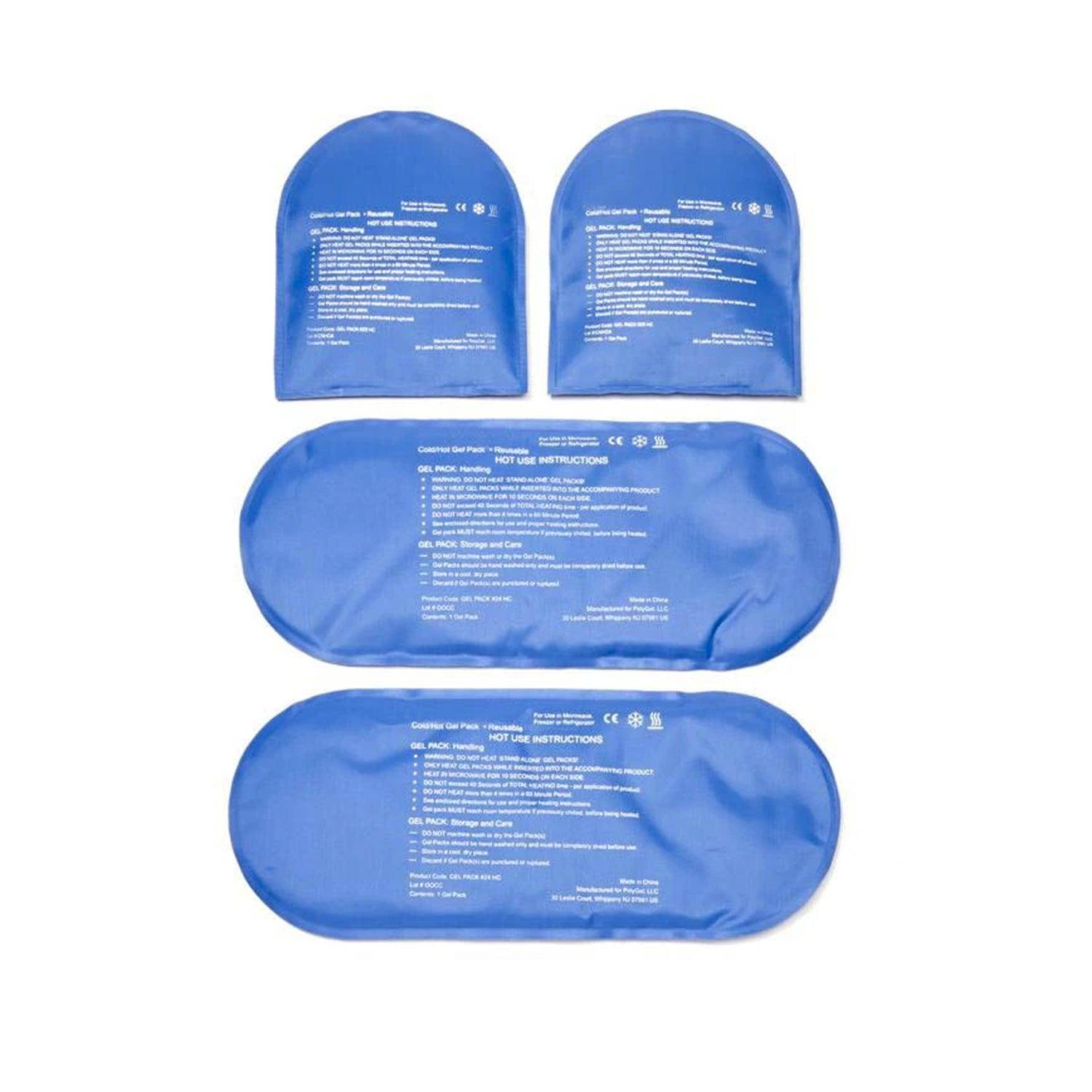
The NatraCure Knee Wrap stands out due to its thoughtful design, which prioritizes both comfort and effectiveness. It includes flexible gel cold packs that can be frozen or heated, offering versatility for both cold therapy and heat therapy. These packs are designed to remain pliable when cold, ensuring they hug the contours of your knee for complete coverage.
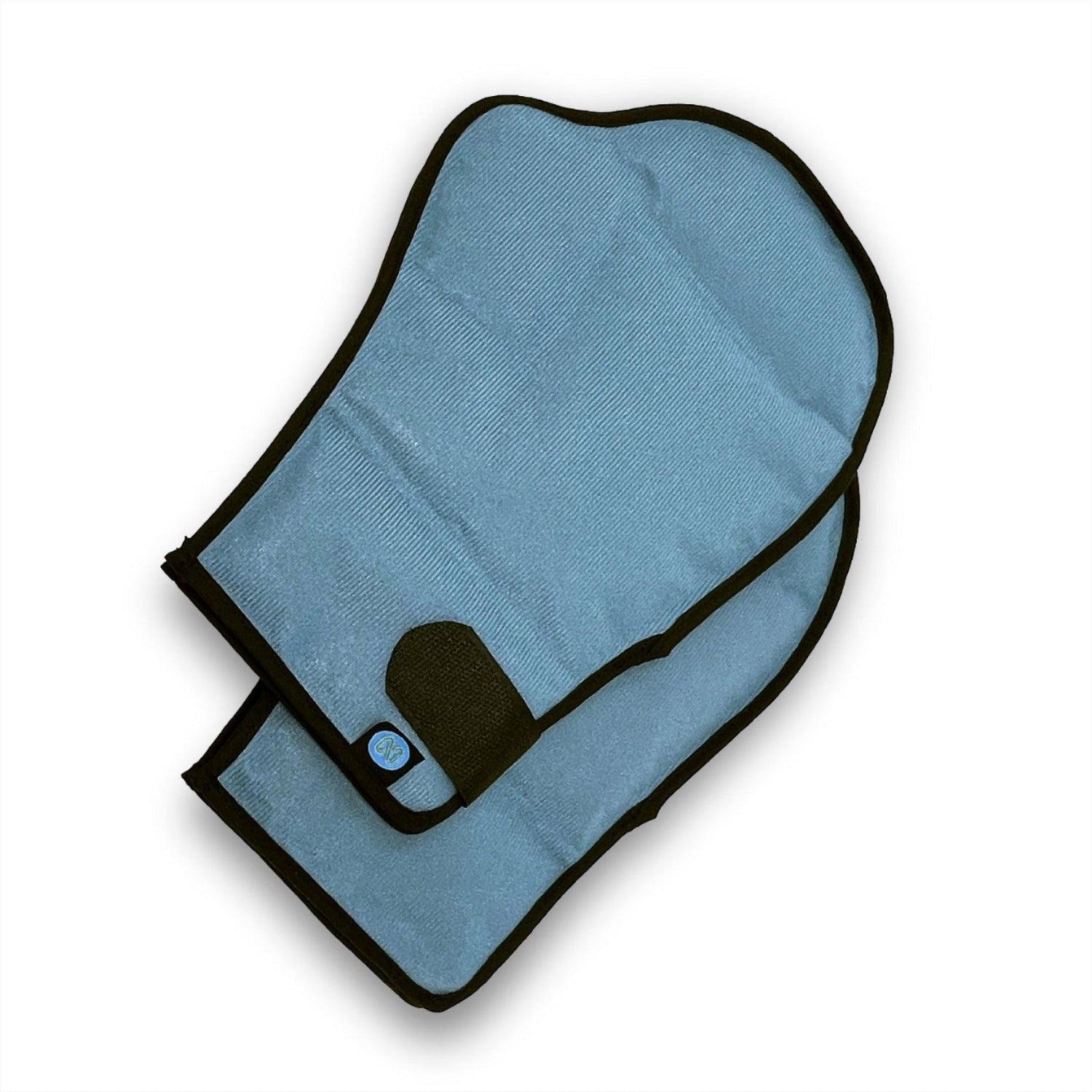
One of its most significant benefits is the hands-free design. The wrap is secured with strong adjustable straps, which not only keep the pack in place but also allow you to apply your desired level of compression. This combination of cold and compression works wonders for reducing swelling and providing fast pain relief, allowing you to stay mobile while you treat your knee.
Key features of the NatraCure Knee Wrap include:
-
Flexible Gel Packs: Provide consistent cold and conform to your knee.
-
Secure Adjustable Straps: Enable hands-free use and customizable compression.
-
Dual Hot/Cold Functionality: Offers versatility for different types of pain relief.
Real-World Experiences and User Testimonials
Hearing from people who have actually used a product provides valuable insight. User testimonials for knee wraps like the NatraCure often highlight the significant pain relief they experience. Many users report that the ability to combine cold with compression makes a noticeable difference in reducing swelling after a long day on their feet or a tough workout.
People recovering from knee surgery frequently praise the convenience of a hands-free knee ice pack. They appreciate being able to ice their knee while resting with it elevated, without having to awkwardly hold a pack in place. This ease of use encourages more consistent application, which is crucial for a smooth healing process.
Other testimonials often mention the comfort and fit of the wrap. Users find that the soft material and adjustable design make it easy to wear for the recommended 15-20 minutes. These real-world experiences confirm that a well-designed wrap can be a powerful tool in managing both acute and chronic knee pain.
Comparison Table: NatraCure vs. Other Wrap Styles
When comparing the NatraCure Knee Wrap to other wrap styles, it's helpful to look at key features that impact pain relief and usability. While basic gel packs offer cold therapy, they lack the integrated compression and secure fit of a dedicated wrap. Traditional compression wraps may provide support, but often require a separate ice pack, making them less convenient.
The NatraCure Knee Wrap integrates these features into one seamless product. Its design focuses on providing 360-degree coverage, which is something simpler wraps or basic ice packs often fail to do. This all-in-one approach simplifies the process of applying cold and compression, making it a more efficient tool for managing knee pain.
Let's break down the differences in a simple table.
|
Feature |
NatraCure Knee Wrap |
Basic Gel Pack |
Simple Compression Sleeve |
|---|---|---|---|
|
Hands-Free Use |
Yes, with adjustable straps |
No, must be held in place |
Yes, but no cold therapy |
|
Built-in Compression |
Yes, adjustable |
No |
Yes, but not adjustable |
|
Hot/Cold Therapy |
Yes, versatile gel packs |
Cold therapy only |
No |
|
Coverage |
Full knee coverage |
Partial/spot coverage |
Full knee coverage (no cold) |
Safe Usage Guidelines for Knee Ice Packs
While using a knee ice pack is a fantastic way to get pain relief, proper use is essential to avoid potential issues like skin damage. Applying cold for too long or directly on the skin can do more harm than good. It's always a good idea to follow some basic safety guidelines.
Before starting any new treatment, especially for persistent pain, consulting a healthcare provider can help ensure you're on the right track. Let’s go over the correct application time, frequency, and how to protect your skin for safe and effective relief.
Proper Application Time and Frequency
To get the most out of your knee ice pack without risking harm, it's important to stick to the recommended application time. The general rule is to apply cold for 15-20 minutes at a time. This is long enough to reduce swelling and numb pain but short enough to avoid skin damage or negatively impacting blood circulation.
After each session, you should give your skin a break of at least an hour before reapplying. This allows the tissue to return to its normal temperature and helps prevent any adverse effects. Over-icing can lead to frostbite or nerve damage, which would only complicate your healing process.
Here are the key takeaways for timing:
-
Apply for 15-20 minutes: This is the sweet spot for effective pain relief.
-
Take breaks: Allow at least one hour between icing sessions.
-
Listen to your body: If your skin becomes overly numb or painful, remove the ice pack immediately.
Everyday Use—Is It Safe Long-Term?
For those dealing with chronic knee pain from conditions like arthritis, using a knee ice pack every day can be a safe and effective way to manage symptoms. Daily icing can help control inflammation and provide consistent pain relief, making it easier to perform daily activities. As long as you follow the proper application guidelines, everyday use is generally considered safe.
However, it's crucial not to use the ice pack for an extended period in a single session. Sticking to the 15-20 minute rule is important even for long-term users. If you find yourself needing to ice your knee multiple times a day for weeks on end, it’s a good idea to check in with a healthcare provider.
They can help confirm the underlying cause of your chronic knee pain and ensure that cold therapy remains the best course of action. Your provider can also recommend complementary treatments, such as physical therapy or exercises, to address the root of the problem.
Protecting Skin While Applying Ice
One of the most important rules of proper use is to never apply a knee ice pack directly to your skin. The intense cold can cause skin damage, including frostbite and ice burns. Always use a protective barrier between the cold source and the affected area.
A thin towel, a t-shirt, or a specially designed cloth cover works perfectly. If you're using a simple plastic bag filled with ice, wrapping it in a dish towel is a must. Many commercial gel packs and wraps come with their own fabric pouch, making this step easy and convenient.
Before each application, check your skin for any open wounds or sores. Avoid icing over broken skin unless directed by a doctor. Following this simple precaution will ensure you get all the benefits of cold therapy without any of the risks, allowing you to focus on pain relief.
Maximizing Results with Knee Ice Packs
Simply applying a knee ice pack is great, but you can enhance its effects by combining it with other simple strategies. To truly maximize your pain relief and speed up the healing process, think beyond just the ice. Your posture, activity level, and rest all play a role in recovery.
By incorporating a few extra steps into your routine, you can create a more comprehensive approach to managing your knee pain. Let’s look at how elevation, compression, and rest, along with specific tips for sports injuries and post-surgical care, can boost your results.
Elevation, Compression, and Rest Strategies
To supercharge your recovery, remember the classic R.I.C.E. method: Rest, Ice, Compression, and Elevation. While we've covered ice, the other three components are just as vital for pain relief. Rest is simple but crucial—give your knee a break from strenuous activity to prevent further injury and allow the healing process to begin.
Combining your icing session with elevation can dramatically reduce swelling. Prop your leg up on pillows so that your knee is above the level of your heart. This uses gravity to help drain excess fluid away from the joint. At the same time, using compression wraps provides support and helps control swelling.
For best results, integrate these strategies:
-
Rest: Avoid activities that cause pain and give your knee time to heal.
-
Elevation: Keep your knee raised above your heart while icing and resting.
-
Compression: Use an elastic bandage or a compression wrap to gently squeeze the area.
Tips for Using Ice Packs After Sports Injuries
After sustaining knee injuries from sports or other physical activity, immediate action is key to minimizing damage and speeding up recovery. Cold packs should be your first line of defense. Applying ice as soon as possible after an injury can significantly reduce swelling and numb the initial sharp pain.
For athletes, having a good quality, reusable ice pack on hand is essential. After a game or intense workout, even if you don't feel injured, applying a cold pack can help soothe muscles and prevent inflammation from setting in. This proactive approach can help you stay on top of your game and avoid nagging soreness.
Follow these tips for sports-related injuries:
-
Ice Immediately: Apply cold within the first 48 hours of an acute injury.
-
Combine with Rest: Avoid putting weight on the injured knee until the pain subsides.
-
Ice After Activity: Use cold packs proactively after workouts to manage inflammation.
Best Practices Post-Surgery or for Chronic Pain
Managing pain after a knee replacement surgery or with chronic pain conditions requires a consistent and careful approach. Your healthcare provider or physical therapy specialist will likely recommend a strict icing schedule to control post-operative swelling and pain. Adhering to this plan is crucial for a successful recovery after a joint replacement.
For those with chronic pain, such as from arthritis, integrating cold therapy into your daily routine can provide ongoing pain relief. Using an ice pack after activities that tend to aggravate your knee or at the end of the day can help manage flare-ups. Consistency is key to keeping inflammation at bay and maintaining your quality of life.
Whether you're recovering from surgery or managing a long-term condition, communication with your healthcare team is vital. They can provide a personalized treatment plan and adjust it as your needs change, ensuring you get the most effective and safest pain relief possible.
Conclusion
In conclusion, choosing the right ice pack for knee pain can make a significant difference in your recovery and comfort. Whether you opt for the NatraCure knee wrap or another style, understanding the unique features and benefits of various options is essential. Remember to consider factors like fit, coverage, and material to ensure optimal effectiveness. Incorporate safe usage guidelines and best practices to maximize your results, making your journey to relief smoother and more effective. If you’re ready to experience targeted cold therapy that works, explore the benefits of the NatraCure knee wrap and take the first step towards alleviating your knee discomfort today.
Frequently Asked Questions
Can a knee ice pack help with swelling from running or sports?
Yes, absolutely. A knee ice pack is an excellent tool for reducing swelling after running or sports. Applying cold therapy for 15-20 minutes post-activity helps constrict blood vessels, which minimizes inflammation and provides immediate pain relief, helping you recover faster.
Is a compression wrap better than a standard ice pack for knee pain?
For many people, a compression wrap is better because it combines two therapies in one: cold and compression. This duo is more effective at reducing swelling and providing targeted pain relief. The adjustable straps also offer a secure, hands-free experience that a standard ice pack can't match.
How often should I use an ice pack for chronic knee discomfort?
For chronic knee pain, you can typically use an ice pack one to three times a day for 15-20 minutes per session, especially after activity. However, it's always best to consult with a healthcare provider to determine the ideal frequency for your specific condition to ensure safe and effective pain relief.