
Key Highlights
-
Plantar fasciitis and arch pain are both common reasons people feel foot pain. But their causes and signs are not the same.
-
Plantar fasciitis brings sharp pain near the heel. This is the main difference. Arch pain can feel different and might be in another part of the foot.
-
Arch pain may happen because of flat feet, high arches, or if you use your feet too much.
-
The treatment for both is often the same. Rest, gentle stretching, physical therapy, and supportive shoes can help.
-
If your foot pain does not go away or is very bad, you should see a doctor to get the right treatment.
Introduction
Do you have a pain that will not go away in your foot? It can be hard to know if what you feel is normal arch pain or if it is plantar fasciitis. A lot of foot pain can make it tough to do your daily activities. The first step to feel better is understanding what is wrong. This guide will help you know if your pain is from general arch pain or plantar fasciitis. Here, you will read about what causes each one and how to make your foot feel good again. With the right steps, you will get back on your feet and feel better day by day.
Understanding Foot Arch Pain and Plantar Fasciitis
Pain in the arch of your foot can feel annoying. The foot arch is an important part of the foot. It helps take in shock and support your body weight. If the arch of your foot hurts, there may be many reasons behind it.
One of the most common causes of this pain is plantar fasciitis. It happens when the plantar fascia hurts or gets swollen. The plantar fascia is a thick band that keeps your heel attached to your toes. Let’s see what makes each of these problems unique.
What Is Foot Arch Pain?
General foot arch pain means you feel discomfort along the curved part on the bottom of your foot. This spot is between your heel and the ball of the foot. Arch pain can feel like a dull ache or a sharp, shooting feeling. It often gets worse when you are active or after standing for long periods.
The most common causes of foot arch pain come from the shape of your feet or the way you use them. A lot of running or standing for a long time can put too much stress on the muscles and ligaments in your foot arch. Weight gain or wearing shoes that do not support your feet well can also lead to discomfort in the arch. These are some of the main causes of foot arch problems.
Finding out the underlying cause of your foot pain is the first step to get the right treatment. There can be many reasons for the pain. It is not always because of a strain. A proper diagnosis can show you what the problem is. This helps you treat it and stop your foot pain from coming back later.
What Is Plantar Fasciitis?
Plantar fasciitis is a common problem that causes heel pain. This happens when the plantar fascia, which is a thick band of tissue at the bottom of your foot, gets sore or irritated. This band helps support the arch of your foot and helps take in shock when you walk.
The main sign of plantar fasciitis is a sharp pain by your heel. It often hurts most when you take your first steps in the morning. The pain may get better as you walk around. But it can come back after long periods of standing or when you stand up after sitting down. The pain is caused by stress and small tears in the fascia.
Plantar fasciitis is often the main reason for arch pain. But other reasons can cause it too, like posterior tibial tendon dysfunction. You can also get arch pain from overuse injuries or structural issues such as flat feet. All these can lead to pain in the arch of the foot.
Key Differences Between Arch Pain and Plantar Fasciitis
Trying to spot the difference between plantar fasciitis and arch pain can feel hard because they both affect the same area in the foot. But the main thing to look at is where your pain is and how it feels. The location of your pain can help you know if it is plantar fasciitis or general arch pain.
Plantar fasciitis pain is often found near the heel. Arch pain can happen anywhere along the arch of the foot. It's important to know these differences. The causes for plantar fasciitis and arch pain are not the same. Let's look at how they are not alike in a simple way.
Location and Nature of Pain
The main way to tell the difference between arch pain and plantar fasciitis is to see where you feel the pain. Plantar fasciitis usually causes pain on the bottom of your foot, near the heel. Arch pain can happen anywhere in the arch, from your heel up to the ball of the foot.
If you feel pain in the arch of your foot, pay attention to signs like your foot feeling stiff in the morning, swelling, or if the pain gets worse during or after you do physical activities. The way the pain feels can tell you more. Plantar fasciitis will usually feel like a sharp or stabbing pain, especially when you first get up in the morning and take your first steps.
General arch pain often feels like a dull ache or a bit of strain. Knowing these differences can help you and your doctor find out where your discomfort is coming from.
|
Feature |
General Arch Pain |
Plantar Fasciitis |
|---|---|---|
|
Pain Location |
Anywhere along the arch of the foot. |
Primarily at the bottom of the heel or close to it. |
|
Pain Sensation |
Often a dull ache or strain. |
Typically a sharp, stabbing pain. |
|
When It's Worst |
Can worsen during or after activity. |
Often most severe with the first steps in the morning or after rest. |
Causes and Contributing Factors
The cause of the pain in your arch can come from many things. If you do a lot of sports or stand for long periods, you might feel this pain. Your body weight can also make a difference, since extra pounds can put more stress on your feet.
Foot structure also plays a big part in this. Flat feet and high arches can change how your weight spreads out on the foot. This puts more strain on the plantar fascia and other areas in the foot. People with these structural issues often need additional support to help keep pain away.
Certain medical conditions can make you feel foot pain. To sum up, some common causes are:
-
Doing too much activity like running
-
Standing on hard surfaces for a long time
-
Weight gain or being obese
-
The way your foot is shaped, like flat feet or high arches
-
Wearing shoes that do not have enough support
Other Common Causes of Arch Pain
There are many reasons for foot pain in the arch besides plantar fasciitis. Some people have flat feet, while others have high arches. Both of these can make your weight not fall the right way on your foot. This might lead to pain after some time. These types of structural issues are foot problems that can change how you walk and how your body moves.
Another cause that people may have is tendon trouble. This can affect the parts of your foot that help hold up the arch. It is good to know about these possible reasons. It helps you get the right diagnosis and the best care.
Flat Feet and High Arches
Yes, flat feet and high arches can both cause pain in your foot's arch. If you have flat feet, the whole bottom of your foot touches the ground. This can make the arch drop down. It puts strain on the muscles and the ligaments, which can lead to pain.
Cavus foot is when someone has high arches. This can be a problem for people. With high arches, too much weight goes on the ball and heel when you walk or stand. This puts extra stress on the arch of the foot. It can cause pain and make your foot feel less stable.
Both kinds of feet change the way your body takes on impact and spreads out weight. This can make you feel sore, not only in your feet but also in your ankles, knees, and back.
Posterior Tibial Tendon Dysfunction and Overuse Injuries
Posterior tibial tendon dysfunction (PTTD) is a major cause of arch pain. Some people call it adult-acquired flatfoot. The posterior tibial tendon helps to support the arch of your foot. If this tendon gets swollen, stretched too much, or torn, it can not hold up the arch well. This will lead to flattening of the arch. People often feel pain along the inside of the foot and ankle when this happens.
Overuse injuries often lead to pain in the arch. If you do the same activity again and again, like long-distance running, ballet, or aerobic dance, you put a lot of stress on your heel and the tissues that are connected to it. This ongoing strain can make the muscles and ligaments in your arch feel sore and hurt.
These conditions show that both the way your foot is built and too much stress on it can lead to arch pain. This pain is not always like plantar fasciitis, where it is the plantar fascia ligament that hurts. With these problems, some other muscles and tendons be the reason for the pain.
Recognizing Symptoms and When to Seek Medical Advice
While foot pain sometimes gets better on its own, you should know when the pain means something serious. If the pain does not go away, gets worse, or comes with other signs that worry you, it is good to ask for professional help.
Ignoring these signs can make things worse over time. It can also make it hard for you to do your daily activities. Watch for symptoms like difficulty walking or pain that stays, even when you rest.
Warning Signs That Need a Doctor’s Attention
You should go see a doctor for foot arch pain if the pain stops you from doing what you want or if it does not get better after a few weeks of trying to care for it yourself. You should not have to live with persistent foot pain. If you feel a sharp pain in your foot arch and it comes on fast, especially after an injury, you should get medical help at once. Taking care of arch pain and foot pain early can help improve your quality of life.
If the pain in your foot or leg is so strong that you have trouble walking or putting weight on it, you should have it looked at. If you see signs of an infection, like redness, swelling, or fever, you need to see a healthcare provider right away. It is important this is not ignored, so you feel better soon.
Don't wait until the pain is too much. Go see a doctor if you feel any of these:
-
Pain that stays for more than two weeks and does not get better
-
Sudden, sharp pain or pain that is very strong
-
Difficulty walking or not able to put weight on the foot that hurts
-
Swelling or bruises that do not go away
How Medical Professionals Diagnose Foot Arch Pain
When you see a medical professional for arch pain in your foot, the process often starts with a physical examination. The doctor will talk with you about your symptoms and your medical history. You will also be asked about the physical activities you do. During this time, they will look at your foot and check for things like tenderness, redness, or swelling to find out where the pain is.
To get a proper diagnosis, your doctor might ask you to move your foot. You may be asked to flex it or point it. The doctor could also have you walk a short distance. They do this to watch how you walk. This helps the doctor see how your foot works. It can show if you have any structural issues. Finding these problems can help your doctor figure out the underlying cause of your discomfort.
In some cases, you may need imaging tests to help your doctor be sure of what’s going on. Your doctor could use X-rays to see if you have any broken bones or arthritis. MRI scans may good for seeing details in soft tissues, like ligaments and tendons.
Home Remedies and Self-Care Options
Many people can deal with arch pain with some simple home remedies. You can also feel better when you take good care of your feet at home. This is not just for now, but it also helps stop problems before they start. Good foot care can help you feel well and keep arch pain from coming back.
Doing gentle stretching, picking supportive shoes, and using ice are great first steps. These things can help cut down swelling and ease the pull on your arches. You may feel much better with this simple plan.
Effective Stretches and Exercises for Foot Arch Pain
You can help ease pain in the arch of your foot at home with some easy stretches. These simple moves are a part of physical therapy. They can help the muscles feel less tight and move better. It's good to stretch your calf muscles too. When the calf muscles feel tight, they can pull at your heel. This can make the arch of your foot feel sore.
A good way to help your foot feel better is by rolling a tennis ball or a frozen water bottle under your foot. Sit down, and slowly move the ball from your heel to your toes. Do this for 5 to 10 minutes. This can help ease tension in the plantar fascia.
To help feel less pain, you can try these easy and good stretches:
-
Towel Stretch: Sit down and keep your legs straight. Put a towel around the ball of your foot. Gently pull it toward you. Hold for 30 seconds.
-
Calf Stretch: Stand in front of a wall and put your hands on it. Step one foot back. Keep that leg straight and keep the heel on the floor. Hold for 30 seconds, then switch legs.
-
Toe Curls: Put a small towel on the floor. Use your toes to pull the towel toward you.
Supportive Shoes, Insoles, and the Role of Plantar Fasciitis Compression Cold Socks
Wearing the right shoes is a good way to help with arch pain. Supportive shoes with good arch support and a wide toe box can make a big difference for your feet. Try not to walk barefoot on hard surfaces. Do not wear shoes like flip-flops for long periods because they do not support your feet well.
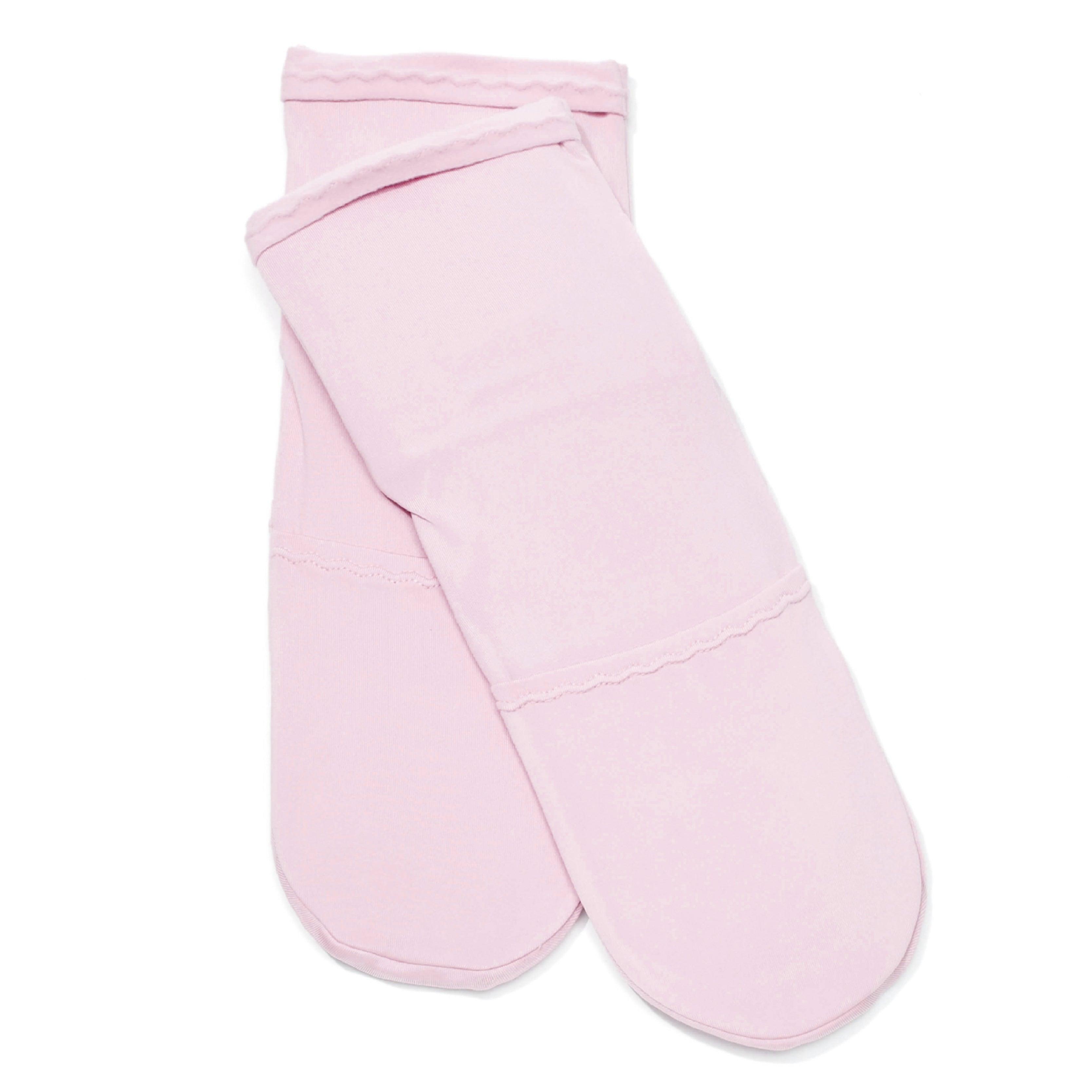
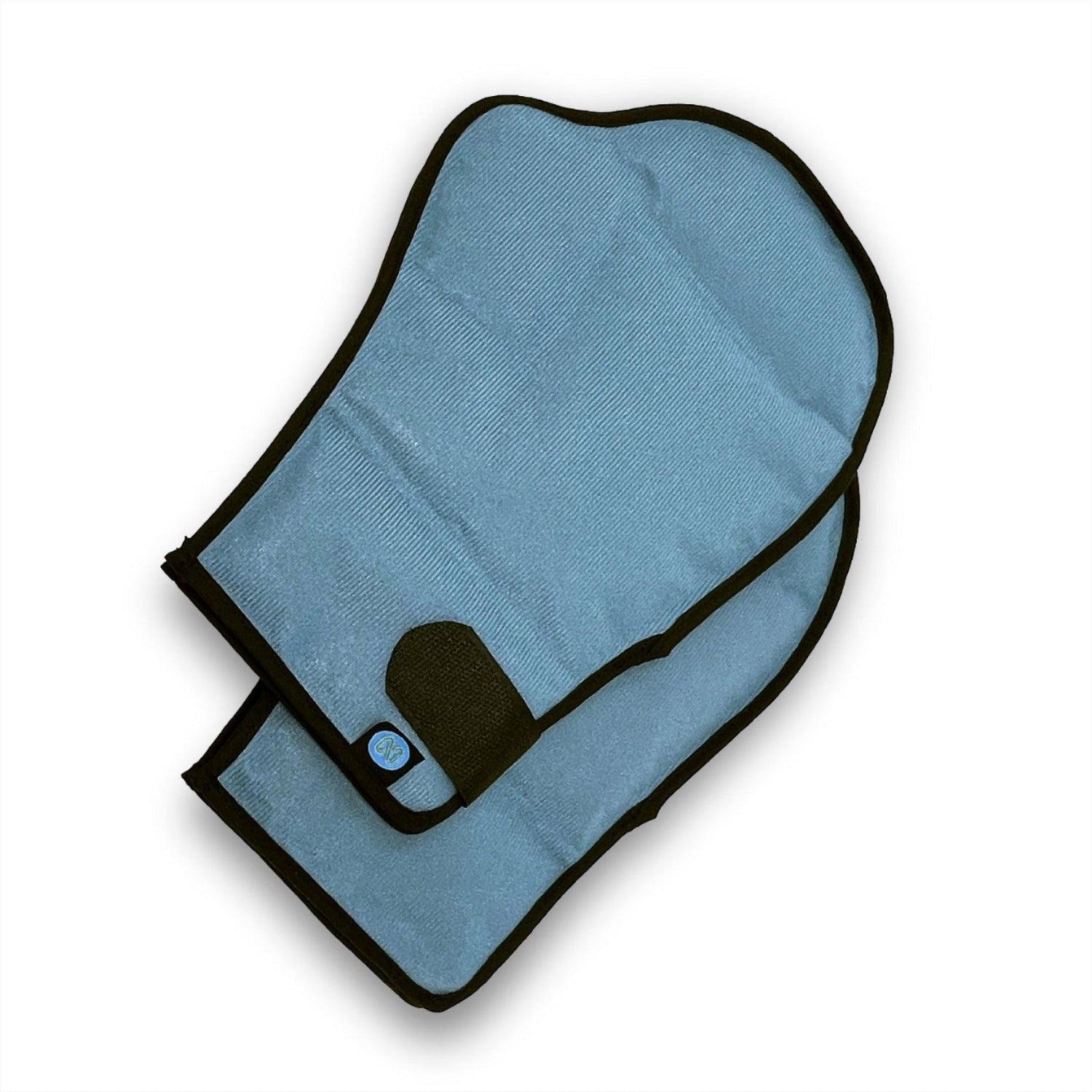
Shoe inserts, also called orthotic insoles, can give you more support and help with structural issues. You can use custom or store-bought insoles. They can take some pressure off the plantar fascia. This may make both arch pain and plantar fasciitis feel better. For more help in a certain spot, you can try Plantar Fasciitis Compression Cold Socks. These socks mix compression to help blood flow with cold therapy to lower swelling and pain.
Here are some key takeaways for footwear:
-
Pick shoes that give your feet strong support for the arch.
-
You can use orthotic insoles to add more cushion.
-
Compression socks may help if you have swelling.
-
Change your old workout shoes when they start to wear out.
Conclusion
To sum up, it is important to know the difference between plantar fasciitis and arch pain. This helps you treat and manage the problem in the right way. Look for the signs and know when you need to see a doctor. This can stop bigger problems from happening.
You can use home remedies to feel better. Things like good stretches and shoes that support your feet can help lower pain. If you have plantar fasciitis or arch pain, you do not have to feel bad all the time. Try things like Plantar Fasciitis Compression Cold Socks. These can give your feet the support and relief they need.
Take care of your foot health now and you will feel better later. Find the solutions that work for you and make a step toward a more comfortable life.
Frequently Asked Questions
Can normal activities like running or long walks cause arch pain?
Yes, doing your normal activities can make arch pain worse. This is true if you do them for long periods or on hard surfaces. Running or walking puts the same kind of stress on your foot arch over and over. If you do not take good foot care or wear supportive shoes, you could feel more strain, swelling, and discomfort in your foot arch as time goes on.
Do orthotic insoles really help with arch pain or plantar fasciitis?
Yes, orthotic insoles can help a lot with arch pain and plantar fasciitis. These shoe inserts give extra support to the arch of the foot. The support helps spread out the pressure and lowers strain on the plantar fascia. They are often used as a good way to treat pain in the arch and plantar fasciitis.
How long does it usually take for arch pain or plantar fasciitis to improve?
Recovery time for arch pain and plantar fasciitis is not the same for everyone. If you rest, stretch, and use custom orthotics, you may feel better in a few weeks or months. But some severe cases, or if you spend long periods of standing, can take up to a year to improve fully.
Why do I have pain inside my foot?
Pain in the foot, especially in the foot arch, can happen for many reasons. The underlying cause may be something about how the foot is built, like flat feet. It could also be because tendons are not working right or there is swelling. Plantar fasciitis is one reason for pain. A physical examination by a doctor is the best way to find out what is causing the pain.
What causes a foot arch to hurt?
A foot arch can hurt for different reasons. The cause of the pain often comes from doing too much on your feet, wearing shoes that do not fit well, or having foot problems like flattening of the arch. A very common cause of foot pain is plantar fasciitis. This happens when the ligament that helps hold up the arch of your foot gets swollen and sore.
Is it normal to have arch pain after running or walking long distances?
It is normal to feel muscle soreness after you do hard physical activities. But if you feel arch pain after running or walking for a long time, it is not normal. If there is pain at the bottom of the foot and it does not go away, it may mean you used your foot too much or did not run the right way. If you feel this, you may need better shoes or to add stretching to your routine.