
Key Highlights
-
After knee replacement surgery, cold therapy is important to help with pain relief and swelling.
-
Ice packs give knee pain relief and help to make the recovery process smoother.
-
You should use ice on your knee for 15 to 20 minutes, about 3 to 5 times each day, especially during the first few days after knee replacement.
-
Cold therapy makes your blood vessels smaller. This helps bring down swelling and helps the healing process.
-
It is good to pick an ice pack with adjustable straps. This can make cold therapy feel better and work well.
-
You should use a barrier, like a cloth, between the ice pack and your skin to stop your skin from getting irritated during cold therapy.
Introduction
Are you getting ready for knee replacement surgery or getting better after having it? Dealing with pain is very important. One of the best and easiest ways to feel better is cold therapy. When you use an ice pack the right way, it can help a lot. It works by reducing swelling and making your knee feel better. This can make it much easier for you during your recovery from knee replacement surgery.
This guide will help you learn all you need to know about using ice packs after knee replacement. You will see tips to help you heal faster and feel less pain. Cold therapy is a simple step that can give you pain relief each day after surgery.
The Role of Ice Packs in Knee Replacement Recovery
After your knee replacement, it is important to control knee pain and swelling. This helps during your surgery recovery. Your orthopedic surgeon will often tell you to use cold therapy as part of your care after surgery. Cold therapy is a simple way to help your healing process feel easier and better.
Adding cold therapy to your physical therapy plan can help you get better results. When you use ice, it can lower pain and make it easier for you to do your exercises. This helps you move better and feel good faster. The best way to use an ice pack is to follow how your healthcare team tells you to use it and make sure you use it often.
How Cold Therapy Supports Healing After Surgery
After you have knee replacement surgery, your body will send more blood to your knee. This can make your knee feel warm, swollen, and painful. Cold therapy, which people also call cryotherapy, helps to slow down this process. When you put something cold on your knee, the blood vessels in that area get smaller. This can make your knee feel better.
This tightening slows down how much blood goes to the surgical site. Because of this, you will see less swelling and inflammation in that area. That is important because it is a big cause of feeling pain after surgery. This way, you get pain relief and the body can have the right setting to start the healing process.
Cold therapy helps slow down how your cells work in the parts around your knee. When this happens, it can stop more tissue from getting hurt. Because of this, cold therapy is an important step in your recovery. It works with rest and your medicine. This will help you heal well and move around again soon.
Key Benefits of Icing for Knee Replacement Patients
One of the first things you will feel from icing is knee pain relief. The cold helps numb the nerve endings in your knee. This means your brain gets fewer pain signals, so the pain goes down fast. It is a good way to get pain relief that feels natural and works well. You may not need to use strong pain medicine as much during your surgery recovery because of this method for knee pain relief.
Icing is good because it helps control swelling. When you put ice on, it slows down the blood flow in the area. This can help stop your knee or hip from getting puffy after surgery. When there is less swelling, there is not as much pressure on your new joint or the area around it. This means you feel less pain and you can move better.
To get the best results, try to add icing to your day-to-day routine. When you use ice often, it can help you feel less pain. This makes it easier for you to do your physical therapy exercises. The main benefits are:
-
It helps to reduce swelling and marks from bruising.
-
It can lower how much pain medication you need.
-
It lets you get back to your normal activities faster.
-
It makes you feel more comfortable during physical therapy.
When and How Long to Use an Ice Pack After Knee Replacement
Knowing when and how long to use ice therapy is important for a smooth surgery recovery after a knee replacement. You should begin to use ice as soon as you can after your total knee replacement. This will help with pain and swelling early on. The healthcare team you work with at the hospital will tell you what you need to do and how to do it.
When you get home, be sure to keep using ice packs often. This is just as important as your physical therapy. It helps you feel better. How often you need to use ice packs can depend on what you need and what your doctor tells you. But in the first few weeks, using them all the time is key.
Timing Your Sessions for Maximum Effectiveness
To make the most of ice packs, you need to use them at the right time. In the first two or three days after surgery, work on keeping down swelling and pain. This is a very important time. Put ice packs on often during these hours. Doing this through the day helps you fight swelling and feel better.
As you move forward in your recovery process, you can change when you use ice. A lot of people find it good to put ice on after their physical therapy sessions. This helps with any swelling from the exercises and gives fast pain relief. It makes each session easier for you.
You can try putting ice on your body before you go to bed. This may help lower discomfort and help you sleep better at night. Most people say it is good to use ice for around 15 to 20 minutes each time. It is important to pay attention to how you feel and use ice when you feel stiff or sore. This can help you feel more comfortable and also help your body heal.
Recommendations on Duration and Frequency
For the best results, you should use ice on your skin for 15 to 20 minutes in one go. Using ice for a longer time won't help more. It could even harm your skin or cause frostbite. Make sure to give your skin a break. Wait at least 30 to 60 minutes before you use ice again.
In the first few days after your surgery, you need to ice your knee about 3 to 5 times each day. People in sports medicine often use this way to handle new knee injuries. Using ice often will help reduce swelling and pain during the first and most painful days.
When you start to feel better and the swelling goes down, you can use it 2-3 times a day. You can also use it when you feel pain. Be sure to follow the professional medical advice from your surgeon or physical therapist. They will help you know how long and how often you should do it based on what you need as you heal.
Choosing the Best Ice Pack for Knee Replacement Recovery
There are many ice packs out there, and picking the right one after you have a knee replacement can feel hard. The best ice packs give steady, long-lasting cold and are simple to use. It is good to get one made for joints. They cover the area well and do not move around too much.
There are lots of ways to do cold therapy these days. You can use everything from old ice bags to new, advanced cold therapy tools. If you look at things like how the product bends, its size, and how it stays on your knee, you will be able to pick what works best. All these help to get the most out of surgery recovery with these innovative solutions.
Features to Look for in a Quality Ice Pack
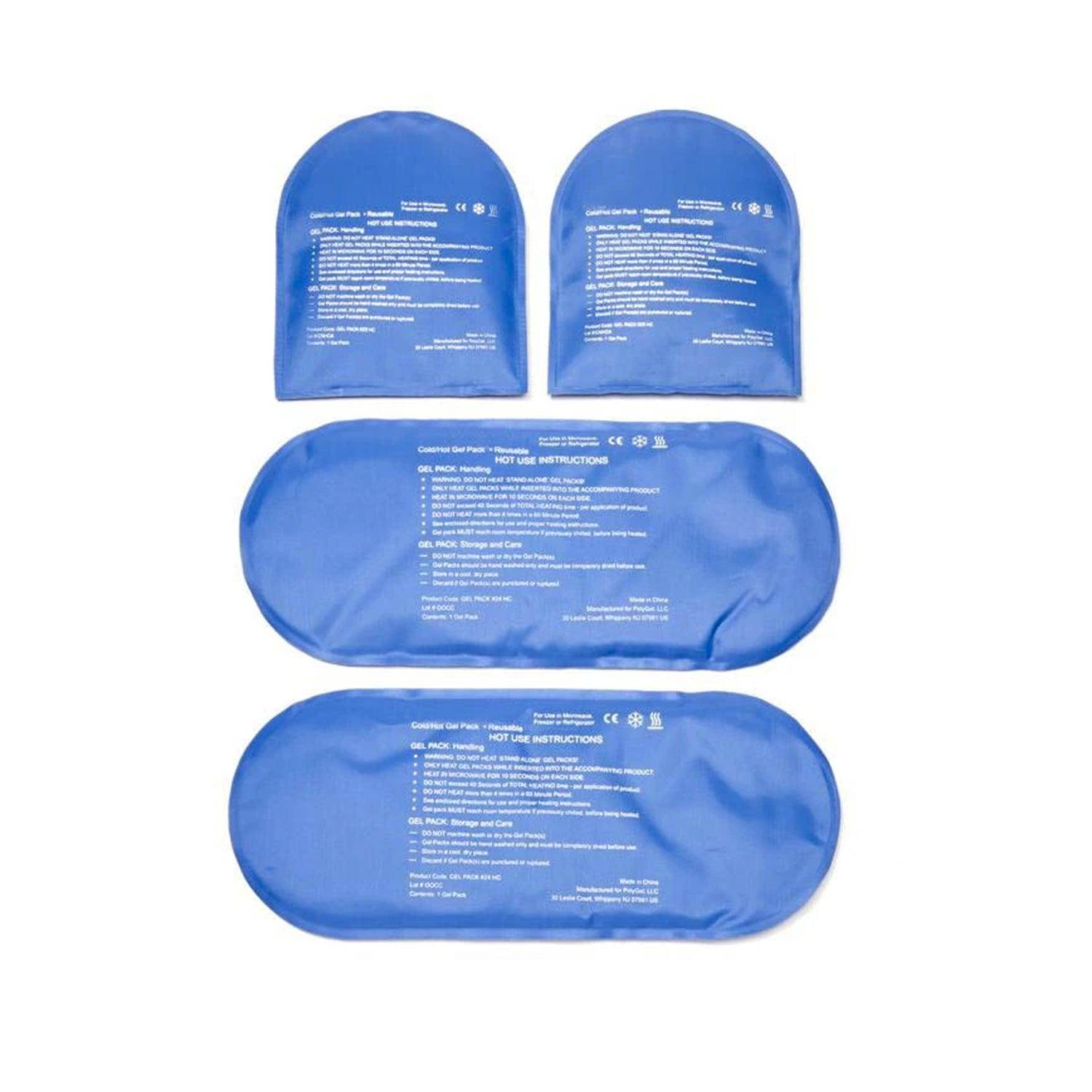
When you pick a knee ice pack, look at the way it's made and what it's made from. A good gel ice pack is better than using a bag of ice. It stays soft and bends even after freezing. This helps it fit well around your knee and sends the cold across the whole affected area.
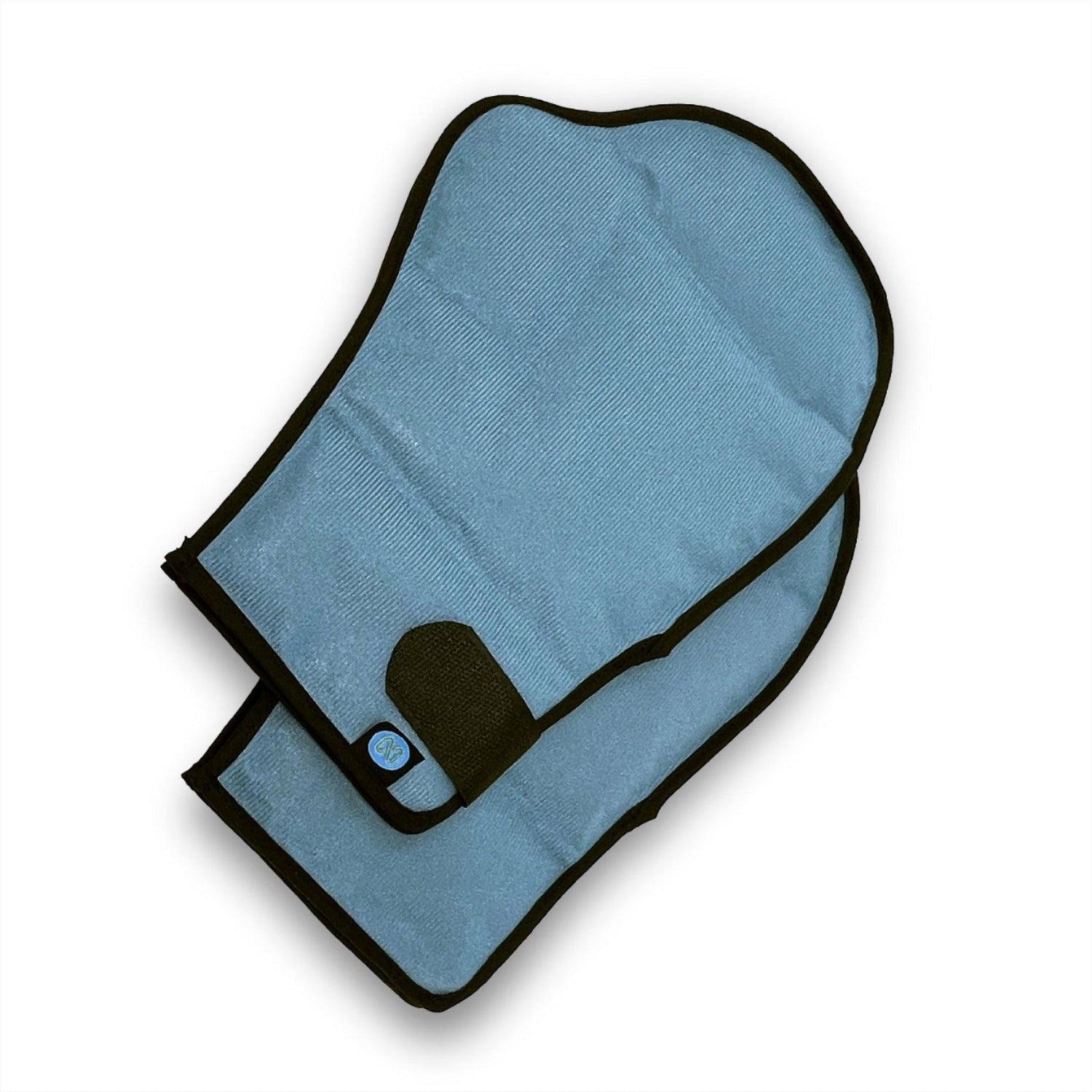
Another key feature is the inclusion of adjustable straps. These straps help you keep the ice pack in place. The pack stays secure, but you will feel comfortable with it on your leg. This hands-free style lets you put your leg up or relax without holding the pack. It gives you ease of use and helps the ice pack stay where you need it.
A cold therapy machine can help, but a good gel pack works in many of the same ways. A gel pack costs less and is easy to take with you. Here are the main things to look at when you compare them:
|
Feature |
Importance |
Benefit |
|---|---|---|
|
Flexibility |
High |
Conforms to the knee for even cold distribution. |
|
Adjustable Straps |
High |
Secures the pack for hands-free, consistent use. |
|
Size |
Medium |
Should be large enough to cover the front and sides of the knee. |
|
Durability |
Medium |
Prevents leaks and ensures long-term use. |
Why FlexiKold Ice Packs Are Highly Recommended
For pain relief and ease of use, we suggest the FlexiKold Ice Pack. The gel in these packs stays cold longer than most other brands. This helps give more time with cold therapy, so it can work better to get rid of pain and swelling. FlexiKold Ice Packs are a good choice if you want effective pain relief after surgery.
What makes FlexiKold different is that it stays flexible right out of the freezer. The pack fits well around your knee and touches every part that needs cold. This gives you better cold therapy because it puts the cool feel right where you want it. The way it works makes sure you get steady cold therapy just where you need it most.
FlexiKold ice packs are made from strong materials. This means they last a long time and you can use them again when you need to feel better. These ice packs stay cold for a long time, stay flexible, and are built well. All of this makes them a good choice for your healing and for later use.
Safe and Effective Application Techniques
To get the most out of cold therapy, you need to think about how you use it, not just what you use. The right and safe way matters for good pain relief and to avoid any side effects. Physical therapists often talk about using the right technique. This helps you have a better surgery recovery.
When you follow the right steps to wrap and use your ice pack, you get the best results. This helps the cold reach the joint and brings down swelling. At the same time, it keeps your skin safe. Now, let's look at how you can do it the right way.
Step-by-Step Guide to Wrapping and Applying Ice Packs
Using an ice pack is easy and helps a lot. First, get your gel ice pack and a thin, dry towel or cloth. Do not put the ice pack right on your skin. Always wrap it in the towel or cloth, because ice can hurt your skin or even cause frostbite.
Start by wrapping the towel around the affected area of your knee. After that, put the ice pack over the towel. Make sure it goes over the front of the knee and covers as much of the sides as you can. If you are using an ice pack wrap with straps, put them on now. The wrap should feel snug and hold well, but it should not be too tight or it will cut off blood flow.
Here is a simple step-by-step guide:
-
Always put a thin, dry cloth or towel between the ice pack and your skin.
-
Place the ice pack so it covers the front and both sides of the knee.
-
Hold the pack in place using its straps or an elastic bandage.
-
Keep your leg raised while you use the ice for some extra help.
-
Do not use the ice for more than 15-20 minutes at one time.
Tips to Prevent Skin Irritation and Numbness
Cold therapy is safe for most people. Still, you need to follow some steps to avoid skin problems or too much numbness. The main thing is that you should put something between the ice pack and your skin. A thin towel or a t-shirt is just right for this.
It's very important to keep the ice on for only 15-20 minutes each time. If you put ice on for too long, it can hurt your nerves or cause frostbite. If your skin feels too numb, or if it turns very red or white, take off the ice pack right away. A small amount of redness is okay, but if you see big changes in color, you should stop.
Here are some tips for safe application:
-
Always put a cloth between the ice and your skin.
-
Do not keep the ice on for more than 20 minutes at one time.
-
Keep checking your skin while you use the ice.
-
If your skin feels numb or gets irritated, stop using ice and let your skin feel normal again.
-
Never go to sleep with an ice pack on, and do not use a heating pad right after using ice.
Conclusion
To sum up, using ice packs the right way is important for your recovery after knee replacement surgery. If you know when to use cold therapy, how long to use it, and the best ways to do it, you can help your healing process and feel less pain. Keep in mind, not all ice packs are the same. Choosing a good brand like FlexiKold can give your knee the support you need. While you recover from knee replacement, make your comfort and health a top goal by using ice therapy the proper way. If you need more help, feel free to ask and see how FlexiKold can help you in your healing process.
Frequently Asked Questions
Can I use reusable or single-use ice packs after knee replacement?
Yes, both reusable and single-use ice packs work well. But, reusable ice packs are often a better deal. That is true for gel packs too. They are good for the environment and help you save money during your surgery recovery. These packs keep the cold steady for pain relief. They are a great choice for when you need to use ice packs many times after knee surgery.
Is a special knee ice pack wrap necessary for recovery?
A special knee ice pack wrap with straps is not required, but it is a good idea. The straps keep the pack in place, so it is easier to use cold therapy. The ice pack wrap gives better coverage. You can rest easier after your surgery because it holds still. This also helps your surgery recovery and makes your treatment work better.
Are there any risks or side effects of using ice packs after knee surgery?
The main risks of cold therapy are skin irritation, frostbite, and nerve damage if you use it the wrong way. To stay away from these side effects, put something between the ice packs and your skin. Do not use cold therapy for more than 20 minutes at a time. When you use ice packs the right way, they can be a very safe part of the healing process.
Can you put too much ice on a knee replacement?
Yes, you can use too much ice. If you leave an ice pack on for more than 20 minutes, it can hurt your skin or the tissues under it. You should always follow the guidelines for ice therapy. If you feel worried, talk to your healthcare provider for professional medical advice.