
Key Highlights
-
Ice therapy is good to use when you have a new injury. It can help bring down swelling right away and numb pain in the area.
-
Heat therapy is good for people who feel stiffness or have muscle tension. It can help by boosting blood flow.
-
If you feel knee pain and see inflammation right away from an injury, use ice on it for the first 48 to 72 hours.
-
Use heat before you move around. A heating pad works well to warm up stiff joints and make it easier to move.
-
Always put a towel between your skin and the ice pack or heating pad. This will help keep your skin safe.
-
Do not leave heat or ice on for more than 20 to 30 minutes each time. This can stop your skin from getting hurt.
Introduction
When you feel knee pain, you want the pain to stop right away. A lot of people grab an ice pack from the freezer to try and feel better. Some people feel like a heating pad would work well instead. It can be hard to choose between ice therapy and heat therapy for pain in your knee. Picking the right one is important if you want good results and to feel better fast. This guide will help you know when to use either ice or heat on your knee pain, so you can feel good and get moving again.
Understanding Knee Pain and Therapy Options
Knee pain happens a lot, and it can make your day harder and lower the quality of life. The pain can come from getting hurt, doing too much, or having joint pain for a long time. It is important to take care of the pain.
The good thing is, you don't always need a prescription. A heating pad or an ice pack at home can help lower knee pain. Simple heating or cooling can give some people nice relief and help with joint pain.
When you feel knee pain, you need to check where it comes from before you pick heat or ice therapy. Ask if it is from a sudden injury with swelling, or if it is a long-lasting ache with stiffness. This is the first thing you have to do. After that, we can learn more about the common causes of knee pain and see how ice therapy and other treatments can help you feel better. This will make it easier for you to know what to use.
Common Causes of Knee Pain
The knee is made of many parts, so pain can come from a lot of places. A knee injury could happen fast if you play sports or have a fall. This can hurt ligaments or cartilage. When that happens, you feel pain right away and there can be inflammation, too. Sometimes, using your knee a lot over the years can wear it down. This may lead to long-lasting discomfort.
Knowing what is causing your knee pain will help you find the right way to feel better. There are several reasons why people get knee pain. Some of the most common causes are:
-
Acute injuries: These happen when there is a sprain, strain, or a small tear in the knee cartilage or ligaments.
-
Overuse conditions: Things like tendonitis or runner’s knee can show up, and you might see swelling as well.
-
Arthritis: This is a long-term problem where the knee cartilage gets worn out. This can give you pain and stiffness in the knee.
-
Bursitis: The small, fluid-filled sacs in your knee can get inflammation. This gives you pain in the joint when you move.
If you have a new knee injury and you see swelling, the best thing to do first is use ice. Ice can help control swelling, which is often what makes the pain feel worse. The same advice goes for after knee surgery. Doctors say ice is useful for handling swelling and discomfort. This helps cut down on inflammation and can make you feel better.
How Heat and Ice Therapy Work for Pain Relief
Heat and ice help with pain, but they work in different ways. Ice therapy, which people also call cryotherapy, is good for sudden injuries. When you put ice on your knee, your blood vessels get smaller. This slows your blood flow in that spot. It helps with swelling and inflammation, and can ease the pain. The cold makes the area feel numb, so you get quick relief.
Heat therapy, also called thermotherapy, works in a different way. When you use heat, it makes your blood vessels get bigger. This helps blood flow better to the area. As more blood gets there, it brings oxygen and nutrients. This can help fix damage to your tissues over time. Heat therapy is good for easing muscle tension. It can also lower joint stiffness, which helps a lot if you feel stiffness from ongoing problems.
For knee arthritis pain, both heat and ice can help. Heat is good when you feel stiffness and aching, like in the morning or before you get moving. But if your knee has more swelling or there is a flare-up with inflammation, it is better to put ice on it. This will help calm down the swelling and make you feel better.
Beginner’s Guide: Heat or Ice for Knee Pain
Getting started with heat or ice therapy is easy. If you have a new injury with swelling or inflammation, you should use an ice pack. A heating pad is best if you have chronic stiffness or muscle tension. This way, you target the real problem you feel—whether it's swelling, inflammation, or tight muscles. It's best to pick ice therapy for swelling and a heating pad for muscle soreness or stiffness.
A lot of people want to know if they can switch between heat and ice for knee pain. The answer is yes, you can. This way can work really well for some people. For example, you may use cold therapy during the first few days after you hurt your knee to help with swelling. After that, you can use heat to help relax your muscles and improve blood flow. If you are not sure what to do, a physical therapist can help you with advice that fits your needs. Now, let's talk about what you need to start and how to pick the best way for you.
What You Need to Get Started (Heat Packs, Ice Packs, NatraCure Products)
You do not need fancy things to start heat or cold therapy. The tools you need are likely already in your home. If you have these things close by, you can treat knee pain right when it begins. This is a good way to use cold therapy to feel better fast.
Here are a few easy things you can use to begin:
-
For ice therapy: You can use a bag of frozen vegetables, use a cold compression sleeve, or a flexible ice pack.
-
For heat therapy: Use a warm, damp towel, a hot water bottle, or try taking a warm bath.
-
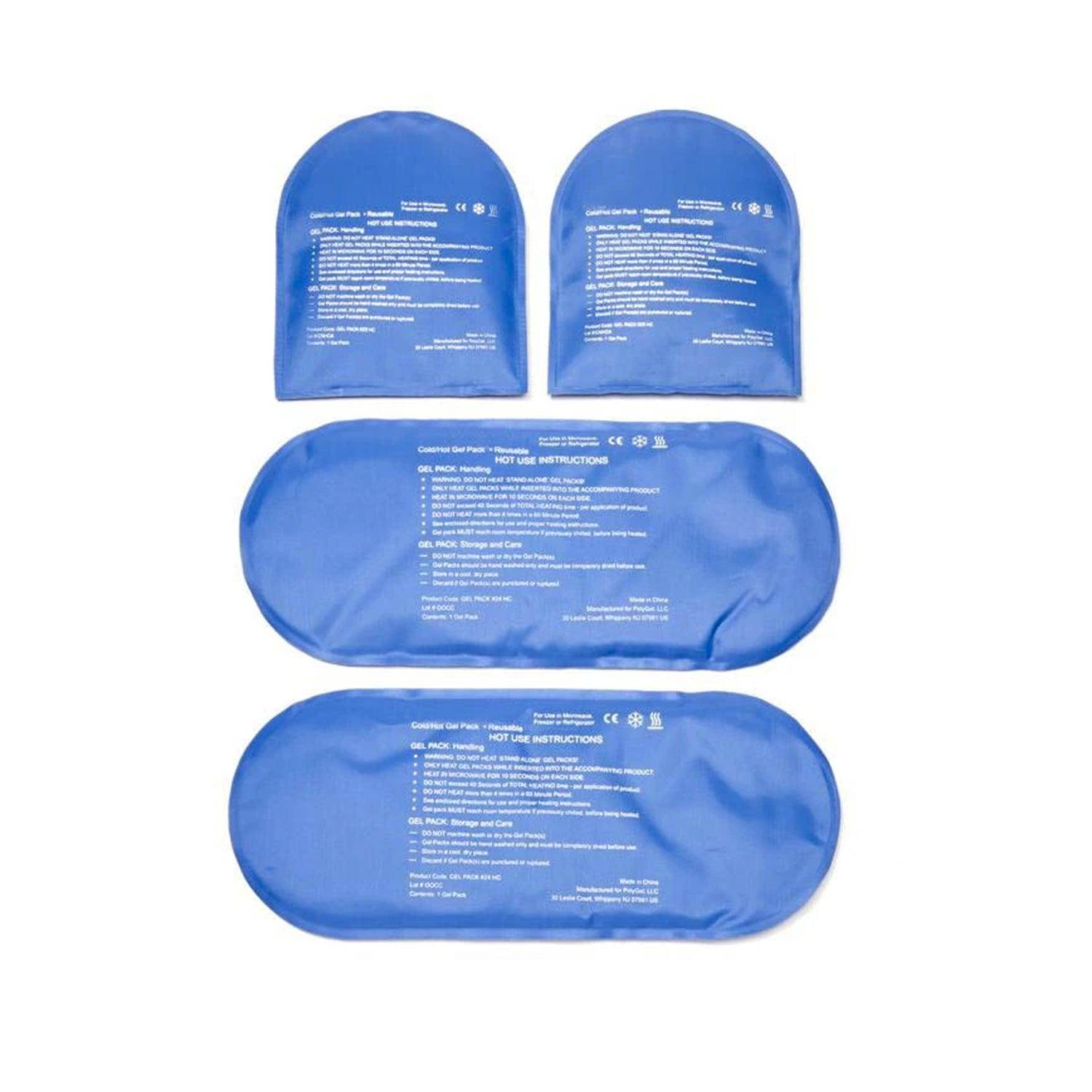
For convenience: You may want to use reusable gel packs. You can freeze them or warm them up in the microwave.
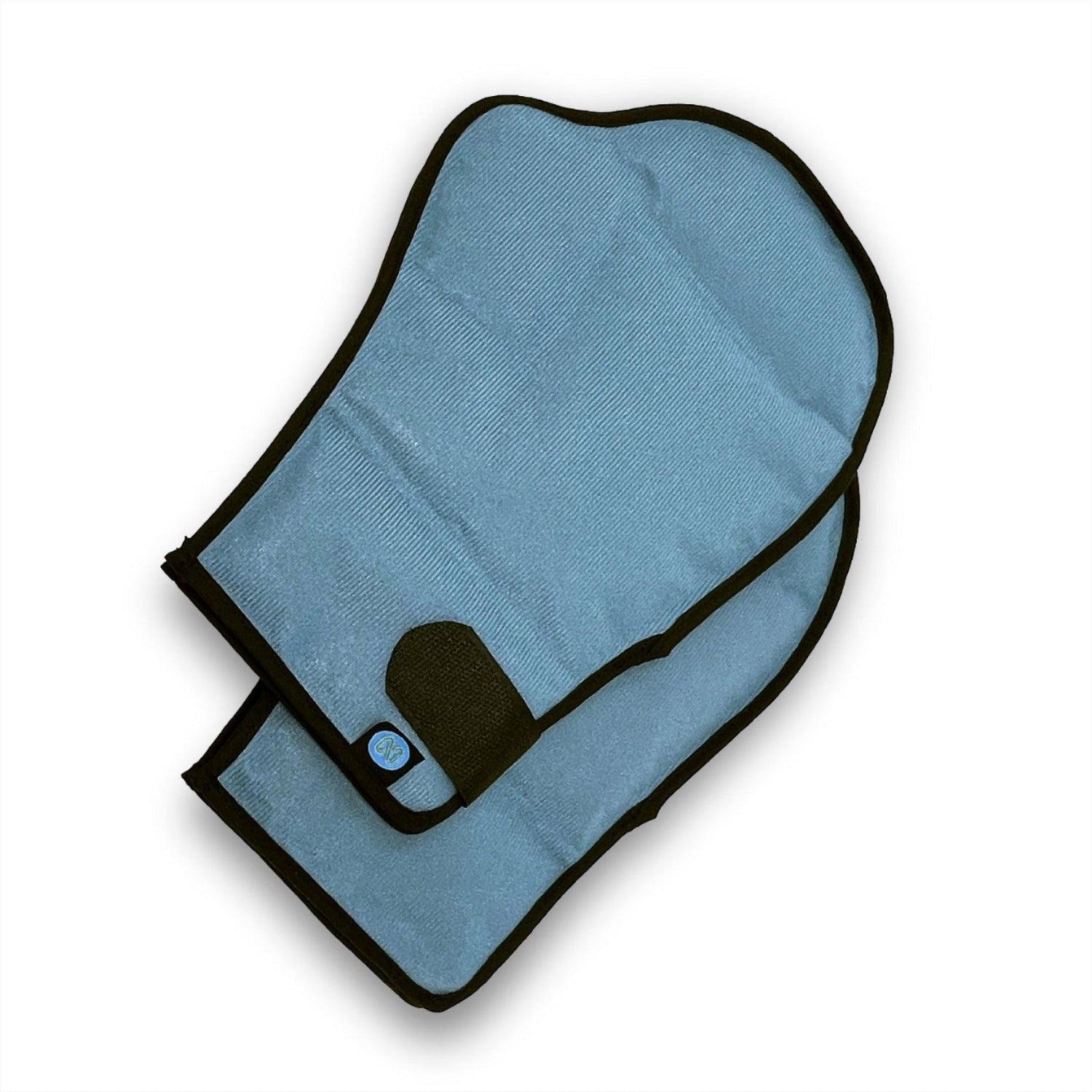
If you are looking for something made for joint pain, try out products that deal with it well. The FlexiKold Gel Ice Pack is a good choice. You can use it as hot or cold therapy. If you want a wrap that will not move around, the NatraCure Gel Knee Wrap is a good pick. It goes right on your knee, and you do not need to hold it in place. It gives steady warm or cool relief and is easy for people to use.
Choosing the Right Method Based on Your Knee Condition
The main thing to get good pain relief is to pick a treatment that matches your symptoms. A new injury with swelling will need to be treated in a different way than chronic stiffness. Think about how your knee feels. Is it sharp and swollen, or maybe dull and stiff? This will help you choose what to do next.
For knee arthritis, what you use depends on how you feel right now. Heat therapy is good for managing muscle pain and stiffness you feel every day with arthritis. But if the joint is swollen and inflamed in a flare-up, ice therapy is better. It can help ease discomfort at that time.
Here is a simple table that can help you pick between heat and ice therapy for your knee pain:
|
Condition |
Recommended Therapy |
Why It Works |
|---|---|---|
|
Acute Injury (first 48-72 hours) |
Ice |
Reduces blood flow to minimize swelling and numb sharp pain. |
|
Swelling & Inflammation |
Ice |
Constricts blood vessels to decrease inflammation. |
|
Chronic Pain (no swelling) |
Heat |
Increases blood flow to help repair tissue and soothe aches. |
|
Stiffness & Muscle Tension |
Heat |
Relaxes tight muscles and improves flexibility in the joint. |
|
Arthritis (stiffness) |
Heat |
Eases joint stiffness and prepares the knee for activity. |
|
Arthritis (flare-up with swelling) |
Ice |
Calms inflammation and reduces pain during a flare-up. |
Step-by-Step Guide to Applying Heat and Ice Therapy
Once you choose heat or ice, it is important to use it the right way. This helps keep you safe and makes these therapies work better. Doing it right gives you the most pain relief, and you will not hurt your skin or make your injury worse. The steps are simple. You can do this at home without any trouble.
Whether you have acute pain from a new injury or you feel sore for some time, you take about the same steps. The first thing to do is look at your symptoms. Then, you need to use the right way to treat it. Let’s go through how you can do this.
Step 1: Assess Your Knee Pain and Injury Type
Before you reach for a heating pad or ice pack, stop and check your knee. The type of pain you feel will help you choose what is best to use. Look at the affected area. Think about how it feels when you touch it and when you move. A good look and feel can help you know if you should use heating or an ice pack for relief.
Is the pain sharp, and did it begin just after you moved a certain way or got hurt? Look for swelling, redness, or skin that feels warm. These are all signs of acute pain. It often happens after a new injury, like a sprain or strain. If you notice these, your knee may be dealing with swelling or inflammation. For this kind of pain, it is good to use ice on the knee. The cold can help bring the swelling down. Ice will also help numb the area and make it feel better if there is redness or pain.
If you feel a dull ache that does not go away and you do not see any swelling, you may have chronic pain or stiffness. Many people get this from arthritis or an old injury. Heat works better for this kind of discomfort. Heat can help relax tight muscles and get good blood flow to a stiff joint.
Step 2: Proper Application Techniques for Heat and Ice
Applying heat and ice in the right way is very important. This helps you avoid hurting your skin and lets you feel less pain. One of the most important things to remember is not to let a heat source or cold pack touch your skin directly. There should always be something, like a thin towel, between your skin and the heat source. This stops burns or frostbite from happening.
Timing is very important for heat and cold therapy. You should not use the treatment for too long. It can hurt you if you do. Use these easy steps to make your cold therapy safe and work well.
-
Duration: Keep the ice pack or heating pad on for about 15 to 20 minutes each time.
-
Breaks: Let your skin rest for at least one hour between using it again.
-
Protection: Put a towel around your pack. Many products like the NatraCure Gel Knee Wrap come with a cover for this.
-
Elevation: When you use an ice pack for swelling, raise your knee up over your heart. This can also help bring down swelling.
Listen to your body. If you feel any strong discomfort, take the pack off right away. The goal is to feel less pain, not to make things worse.
Conclusion
To sum up, knowing when to use heat or ice for knee pain can help you feel better and heal faster. Both heat and ice therapy work in different ways. Heat helps by boosting blood flow and relaxing the muscles. Ice, on the other hand, can cut down swelling and numb pain caused by inflammation.
Think about the kind of knee pain you have to choose the best method. Use the right steps when you try either therapy, because that can make a big difference. For the best results, try using NatraCure products. They have options for both heat and ice therapy that work well.
Use these simple tips to feel better and take care of your knee pain. That way you can get back to doing what you enjoy.
Frequently Asked Questions
How long should I use heat or ice on my knee?
You should use an ice pack or a heating pad for 15 to 20 minutes at a time. Do not put it right on your skin. Always have a towel between your skin and the heating pad or ice pack. Wait at least one hour before you use it again. This break helps your skin feel better and can help the heating or ice pack work well for pain and swelling.
Can I alternate between heat and ice for knee pain relief?
Yes, using different treatments can help a lot. When you get a new injury, it is good to use ice therapy for the first 48 to 72 hours. Ice helps lower swelling and brings down inflammation. After this time, you can try heat therapy to relax your muscles and boost blood flow. Using both ice therapy and heat therapy can give you good pain relief from joint pain.
Are there risks to using heat or ice incorrectly?
Yes, using heat or ice the wrong way can cause problems. If you put heat or ice on your skin for too long, you could get burns, frostbite, or a rash. If you use heat on a new injury that is swollen, it can make inflammation and discomfort worse. Icing before you move around or do an activity can also lower joint mobility. This means you might not move as well and your performance can go down.
Is heat or ice better for knee arthritis and post-surgery recovery?
For knee arthritis, heat helps with daily stiffness. Ice is better if you get painful flare-ups with swelling. If you have had surgery, it is best to use ice first. Ice can help you control inflammation and reduce pain. Always do what your doctor tells you after any procedure.
What is the fastest way to cure knee pain?
There is not one fastest way to feel better, since healing can change for each person and problem. For small problems, you can use the R.I.C.E. method. This stands for rest, ice, compression, and elevation. It helps you feel less pain fast.
If the pain lasts for a long time, it helps to rest, and do special stretching. A physical therapist can show you the right way to do this. This path can help you feel better and heal well.
Is a heating pad good for knee pain?
A heating pad can be very good for certain kinds of knee pain. It works best if you feel stiffness or have muscle tension. A heating pad also helps if you have arthritis and there is no swelling. Heat therapy can make blood flow better. This can ease pain and help the tight muscles around your knee feel more relaxed. A heating pad is a good way to feel some relief when your knee feels tight or stiff.
Should I use heat or ice for knee pain?
The way you treat a knee injury depends on what you feel. If you have a new knee injury, ice therapy helps with swelling and inflammation. It can numb the pain and slow down blood flow. If you feel stiffness or have sore muscles, heat therapy is good. It can help increase blood flow and bring relief to your pain.
How long should I apply ice or heat to my sore knee?
Put an ice pack or a heating pad on your knee for 15 to 20 minutes at a time. Wrap it in a towel, so there is no direct contact with your skin. Let your knee rest for at least an hour before you use the ice pack or heating pad again. This will help you feel better and stop your skin from getting hurt.