
Key Highlights
Here are the main things you need to know about muscle tightness and how to feel better:
-
Muscle stiffness is a common issue for many people. It often happens after intense exercise, poor posture, or long periods of inactivity.
-
It is important to know the difference between muscle tightness and soreness. This helps you pick the right way to feel better.
-
Your body will give warning signs with tightness. Sometimes, this means there could be a more serious problem.
-
The good news is you can try at-home ways to feel better. Using temperature therapy for muscles, or stretching, can help ease muscle tightness.
-
If you have muscle stiffness that will not go away, and you also notice fever or swelling, you should see a healthcare provider. They can give you an accurate diagnosis.
Introduction
Have you ever finished a workout or stood up from your desk and felt that familiar, uncomfortable feeling of muscle tightness? This feeling can make your muscles feel sore, cramped, or even hard to move. Muscle stiffness is something many of us get at some point. A lot of people feel this kind of discomfort as a part of daily life. The good thing is, muscle tightness or stiffness usually goes away on its own and you can treat it at home. But, to feel good again and get rid of the discomfort, it's helpful to know why it happens in the first place. This way, you can get back to moving and working at your best.
Everyday Triggers of Muscle Tightness
Muscle tightness can happen because of many things you do each day. You might feel it after you sleep in a strange position. Sitting at a computer for hours can make it show up, too. A long day, full of stress, can also lead to tightness. All these things can make your muscles feel sore and tight.
Knowing what causes muscle stiffness helps to stop discomfort. Things like dehydration and problems with your electrolytes can make muscles feel tight and cramped. When you spot these things, you can take steps to avoid them. Now, let’s see how your daily habits and exercise choices affect muscle stiffness.
How Daily Habits Contribute to Stiff and Locked Muscles
The things you do every day can really affect how your muscles feel. Even little habits that seem fine can lead to stiff muscles, making you feel tight and unable to move well. A main reason for stiff muscles is staying still for long periods, like when you sit at a desk for many hours during the day. Long periods of inactivity can stop your muscles from moving through their full range of motion.
When you stay in one spot for a long time, the muscles can get stiff. This happens because you do not use them. A bad posture can also cause problems. If the head, shoulders, and hips are not lined up right, some muscle groups feel more stress. This often makes the neck and back feel tight and sore.
Other things from your daily life can also cause muscle stiffness. These include:
-
Anxiety and stress: When you feel stressed or anxious, your muscles can get tight. If this happens a lot, the muscles can feel stiff over time.
-
Dehydration: If you do not have enough water in your body, your electrolytes can get out of balance. This can stop your muscles from relaxing the way they should.
-
Lack of regular movement: If you do not move your muscles through their full range of motion, they can get short and feel tight.
The Science Behind Post-Exercise Muscle Tightness
When you feel your muscles get tight after you work out, it is often because of delayed-onset muscle soreness (onset muscle soreness). You feel this soreness and stiffness most after you do intense exercise or new activities that your body is not used to.
When you do a hard workout, the muscle fibers in your body get small tears. To fix these, your body starts a repair process. This repair needs some swelling in the area, which is called inflammation. This inflammation helps heal the damage, but it is also why you feel muscle pain, soreness, and tightness a day or two later.
This reaction can happen in any muscle groups you have used. It is a normal part of getting stronger. Still, the discomfort may make it hard for you to move or use some parts of your body well. When you know this is just your body's way to adjust, you can handle the recovery in a better way.
Understanding the Difference: Muscle Tightness vs. Soreness
It is important to tell the difference between muscle tightness and soreness. They mean different things for your body. Muscle tightness happens when a muscle feels cramped. You may feel it is hard to move that muscle and its range of motion becomes less. It can feel like the muscle is locked and will not move easy.
Soreness is different. It often feels like a general ache or a sensation of pain that you feel after you use your body a lot. Both can happen at the same time, but if you can tell which is which, it may help you know what to do for relief. Let's look at when these signals tell you that this is more serious than a regular ache after working out.
Recognizing the Body’s Signals: When It’s More Than Just Sore
It can be hard to know if what you feel is muscle soreness or tightness. Soreness is usually a dull pain in your muscles. Tightness feels different. It is more like a steady, tight feeling. You may feel like something is "pulling" or notice that you cannot move as much as you used to. A limit to your range of motion is common with tightness, but you do not get that with soreness alone.
If you feel muscle stiffness that does not go away after a few days, even with rest and home care, it may be a sign of a bigger problem. The discomfort and stiffness might feel worse, especially if it gets in the way of your day or does not get better over time. In times like this, it is important to get an accurate diagnosis.
Pay attention to the other signs that come with your muscle stiffness. The stiffness might be more serious if you also have these signs:
-
You may feel sudden and strong pain.
-
There can be swelling or redness in the area you got hurt.
-
You might feel weakness in the muscle that got hurt.
Symptoms That Indicate Serious Muscle Stiffness
Most of the time, muscle stiffness does not point to something serious. But there are signs that show it could be a bigger problem. If your muscle stiffness stops you from moving, gets worse when you move around, or is just too much to handle, you should see a doctor.
This kind of muscle stiffness can make you more likely to get hurt if you do not take care of it. A tight muscle that stays this way can lead to other problems. For example, bad stiffness may cause muscle spasms later. It can also bring on a pinched nerve if the tight muscle puts pressure on tissue around it.
You need to see a healthcare provider right away if you feel stiffness with any red-flag symptoms like fever, swelling you can't explain, or very bad muscle weakness. These can mean you have a serious problem such as meningitis or another condition. A healthcare provider can find out what is wrong and set up a treatment plan for you.
Why Muscles Tighten: The Body’s Protective Response
Muscle tightness happens when your body wants to keep itself safe. If you use a muscle too much, hurt it, or if it is sore, the nervous system can tell it to tighten. This is how the body tries to stop you from moving that muscle too much. It is there to help stop more damage to that part of your body. The feeling of tightness is one way your body protects you.
This protective tightening can lead to problems like muscle spasticity. This is when the muscles tighten without you meaning to. At first, this response helps the body. But when there is long-term inflammation or tension, this process can turn into a problem. The spasticity can start to hurt, and it can cause the body not to work the way it should. Now, let’s look at how the nervous system and overworked tissues are involved in muscle spasticity and inflammation.
Nervous System Factors and Overworked Tissues
Your nervous system controls how your muscles move. When you want to move, the brain tells your muscles to tighten or relax, using small electrical signals. But sometimes, when the muscle tissues do too much work or get hurt, the muscle cells send signals back to your brain. The brain sees these signals as muscle pain.
This kind of communication can lead to more tightness. When your nervous system thinks there is a problem or an injury, it can keep your muscles tight to protect you. This may lead to muscle spasticity, so your muscles stay tight without you wanting them to. If this goes on for a long time, the tension can turn into a long-lasting spasticity problem.
Tight muscles are often caused by how different parts of the body work together. Things like poor posture, doing the same moves over and over, or getting hurt can all be the reason. When muscles work too much, the nervous system tries to protect you. That is what makes you feel stiffness and pain.
Common Medical Conditions Linked to Chronic Tightness
Sometimes, muscle tightness or stiffness does not come from your daily habits or working out. It can be a sign of a health problem. Some conditions can cause the body to have inflammation. Some can change the way the nervous system works, or they can affect how your muscles move and feel. All these can lead to muscle tightness that does not go away.
Some health problems can make the body attack itself. For example, autoimmune issues like multiple sclerosis (MS) and lupus can lead to muscle tightness and muscle pain. There are also other conditions, such as fibromyalgia, where people feel pain and stiffness all over their muscles and bones. Even some drugs, like statins, can cause muscle pain as a side effect.
Here are some things that can cause your muscles to feel tight all the time:
|
Condition |
How It Causes Tightness |
|---|---|
|
Fibromyalgia |
A chronic disorder causing widespread muscle pain, tenderness, and stiffness. |
|
Multiple Sclerosis (MS) |
An autoimmune disease that can lead to muscle spasticity and involuntary contractions. |
|
Plantar Fasciitis |
Inflammation of the fascia on the bottom of the foot, causing tightness in the calves and foot muscles. |
|
Stiff Person Syndrome |
A rare neurological disorder characterized by severe muscle stiffness and spasms. |
Muscle Recovery Strategies You Can Use at Home
You do not always have to go to a professional to feel better. You can try many muscle recovery strategies at home to help with muscle stiffness. These simple remedies can make a big difference. They help ease discomfort and improve your mobility. With them, you will feel less stiffness and be able to move better in your daily life.
You can help your tight muscles feel better with gentle stretching, massage therapy, and by using heat or cold. These ways work because they get more blood to the area, help with inflammation, and make tense muscles feel more relaxed. Let’s talk about some simple things you can do right now at home to feel better.
Stretching, Mobility, and Self-Massage Techniques
One of the best ways to feel better when your muscles feel tight is to add some gentle movement and massage into your day. Stretching often during the day can be good for you. It helps your muscles feel longer and can make your range of motion better. When you stretch, hold the stretch gently. Do not bounce.
Mobility exercises help your joints move through their full range of motion. Doing this can help your body fight the effects of being still for too long. You can also try self-massage on tight areas. Use your hands, a foam roller, or a massage gun. This can help relax your muscles by working on the knots, or trigger points, that make them feel tense.
Think about adding these to your self-care routine each day:
-
Dynamic stretching: To warm up your muscle groups, do slow and controlled moves before you start to work out.
-
Static stretching: Hold your stretches for 15 to 30 seconds after a workout. This can help you be more flexible.
-
Foam rolling: Use foam on big muscle groups like your hamstrings, calves, and back. It helps to let go of tightness.
-
Targeted massage: You can use your fingers or a small ball for massage. Press on spots that feel tight in the muscle.
Temperature Therapy for Muscles: Cold vs. Heat Explained
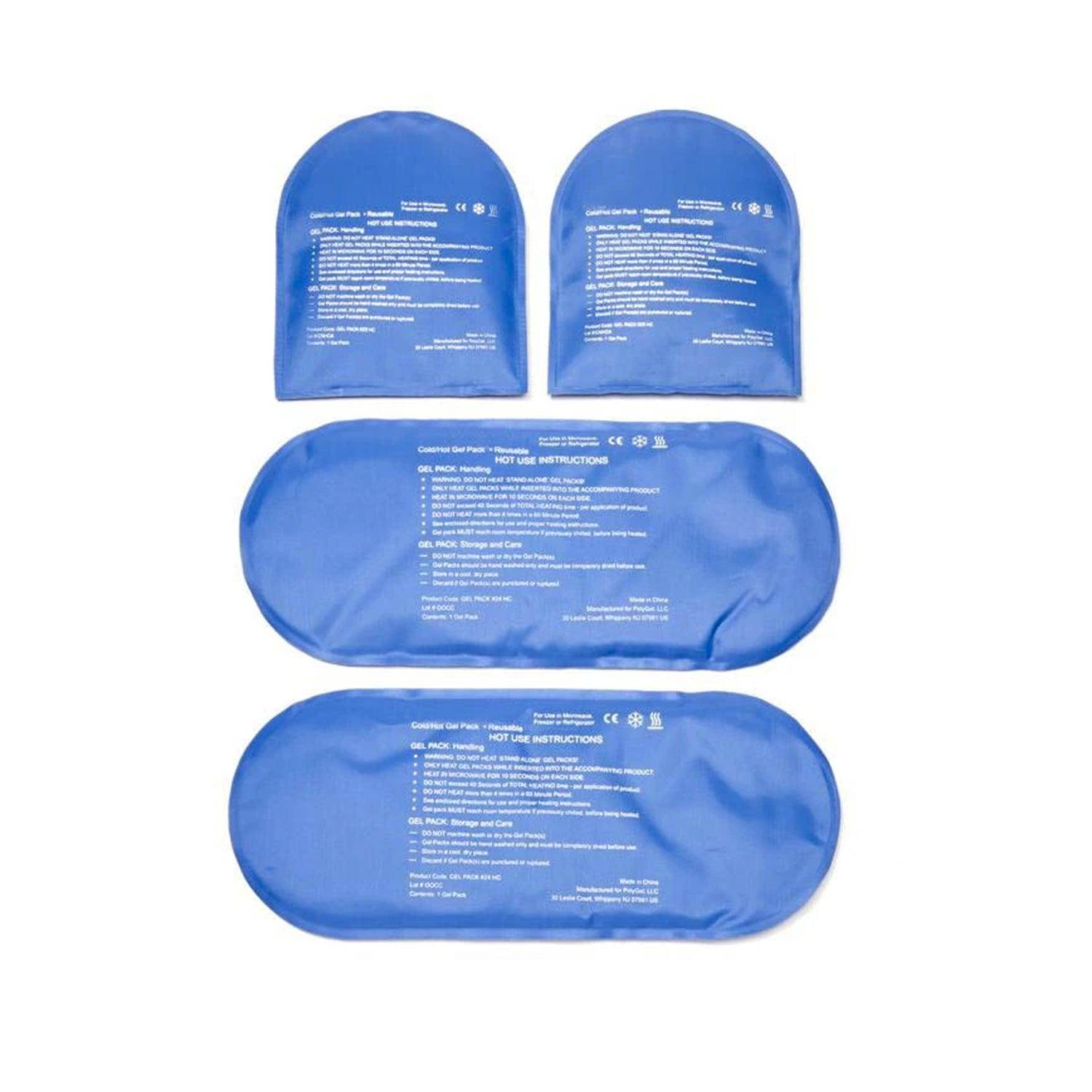
Temperature therapy is a good way to feel better at home if you have muscle tightness. You can use cold or heat. The one you pick will depend on what kind of discomfort you feel. Both ways can help you get relief. They also help your muscles work better and feel less tight.
Cold therapy is good to use when you have a new injury or right after an intense exercise session. The cold can help bring down swelling and lower inflammation. It also numbs the area, which makes the sensation of pain go down. Cold therapy works because it makes the blood vessels get smaller, so there is less blood flow to the spot that is inflamed.
Heat therapy is best used when you feel muscle tightness or have long-lasting stiffness and there is no swelling. When you put heat on the area, it helps with circulation by bringing more blood and oxygen to the muscle. This can relax the muscles, make the fascia or connective tissue feel more comfortable, and help with your flexibility.
-
Use Cold for: If you have new injuries within the last two days, or if you see swelling or feel inflammation after a workout, use cold packs.
-
Use Heat for: Heat helps with muscle tightness and stiffness, and is good for getting ready before a workout or activity.
-
Alternating: There are people who say that using hot and cold packs one after the other, for 20 minutes each, can help them feel good.
Conclusion
To sum up, it is important to know what causes muscle tightness and how to deal with it. This helps you stay comfortable and feel good in your day-to-day life. When you know what the common triggers are and why your body reacts the way it does, you can find ways to feel better. You can use stretching, massage, and even temperature therapy to ease your tightness and discomfort. A few simple actions each day can go a long way. Getting the right tools also makes it much easier to manage discomfort and feel better. If you want to do more to help your body, check out our relief tools that can support your recovery and tackle muscle tightness.
Frequently Asked Questions
Can tight muscles cause back pain and movement problems?
Yes, tight muscles are a reason many people get back pain. When the muscles in your back or your hamstrings feel tight, they pull on your spine. This can change your posture and give you discomfort. Muscle tension can also keep you from moving as much. This may make your range of motion feel less, and you may have problems when you move. A tight back or hamstrings can make your risk of injury go up, too.
How long does it take to relieve muscle tightness with at-home physical relief?
The time needed to feel better from muscle tightness can be different for each person. If you have minor stiffness, you may feel good after a day or two. Doing simple things at home, like stretching, massage, and using heat or ice can help you feel better soon. If your tightness is very bad or goes on for a long time, it might take a week or more to get relief.
When should I see a doctor about my tight muscles?
You should see a doctor if your tight muscles do not get better after a week at home. You should also see one if the pain is very strong. A healthcare provider can give you an accurate diagnosis. They can create a treatment plan that is safe for you. This is extra important if you have other symptoms. This will help lower your risk of injury.
What are the main causes of tight muscles?
The main reasons you might feel tight muscles are intense exercise, poor posture, dehydration, and long periods of inactivity. Stress and anxiety can also make some muscle groups feel tight. If you know what is causing the tightness, it can help you get the best way to feel better.
How can I tell if my muscles are tight versus just sore?
Muscle tightness can feel like a steady, tight feeling that keeps you from moving as much as you want. Soreness is not the same. It is more of a dull muscle pain or ache you feel after you use that muscle. If you feel discomfort in your muscle that seems "locked" or feel like it is being pulled and it does not go away with rest, that is probably muscle tightness instead of just soreness or simple muscle pain.
Can tight muscles lead to back pain and how?
Yes, tight muscles in your hips, hamstrings, and lower back can cause your spine to move out of place. This can lead to muscle tension and put more pressure on your back bones and discs. It often leads to back pain. It also makes your range of motion smaller, so you have a higher risk of injury doing daily tasks.
What are the best ways to relieve tight muscles at home?
The best ways to help with tight muscles at home are to do gentle stretching and simple mobility moves. You can use a foam roller or your hands for self-massage. Using heat also helps boost blood circulation and makes your muscles feel more relaxed. These self-care ideas work well to manage everyday stiffness and will help you move better.