
Key Highlights
-
Getting better after rotator cuff surgery takes time. A full recovery can take from four to six months.
-
You will need to keep your arm in a sling for several weeks. This helps protect the shoulder joint that was fixed.
-
Good pain control is important in the first weeks. You may need to use medicine and cold therapy for this.
-
Physical therapy helps you get back your shoulder strength and range of motion.
-
Most people can go back to desk work after 1-2 weeks. If your job is more physical, you may need several months before you can return.
Introduction
Facing rotator cuff surgery can feel like a lot, but knowing what happens during the recovery process can help. A big tear in the rotator cuff may need surgery so you can use your shoulder well again. This guide will show you, week by week, what will happen as you heal. Understanding the timeline lets you get ready, know what to expect, and be part of your successful recovery. Let's take this one step at a time and work toward a better shoulder together.
Understanding Rotator Cuff Surgery Recovery
Rotator cuff repair is a type of surgical procedure to fix a tear in the tendons in your shoulder. In this surgery, the doctor will put the torn tendon back on the upper arm bone. This helps you get back strength and movement in your shoulder after a rotator cuff injury.
Your recovery will take time, so the most important thing is to stay patient. You may need several months before you use your arm and shoulder the way you did before. If you stick with your rehabilitation plan, your shoulder can get stronger and move better.
Typical Reasons for Rotator Cuff Surgery
Have you ever thought about why the rotator cuff sometimes needs surgery? A doctor usually says you need surgery for rotator cuff tears when other treatments, like physical therapy or resting, do not help enough. If you still feel a lot of shoulder pain or you can’t move your arm well, it may be time for surgery. This happens a lot when the tear is really bad or goes all the way through, and it makes your day feel hard.
The main goal of the surgical repair is to put the torn tendon back on your upper arm bone. This helps the shoulder joint feel stable. It also makes it easier for you to move your arm with no pain. Your surgeon will look at the size of your tear, your age, and how active you are. This way, the surgeon can decide if surgical repair is the right choice for you.
Knowing why you need rotator cuff surgery can help you get ready for what comes next. The first part of getting better after the surgery is about letting your shoulder heal and keeping it safe. After that, you will start to work on moving your shoulder more. The last part is building up strength so you can get back to your daily life and usual work.
Expected Outcomes and Goals of Recovery
After rotator cuff repair, you may want your shoulder to feel stronger and have less pain. You should also feel that your shoulder can move more than before the surgery. A successful recovery can help you get back to your daily activities. You can do these tasks with more confidence, and your shoulder should work better too.
Getting a full recovery needs you to really stick to the rehab plan. You need to listen to your surgeon and do what they say. Be sure to go to physical therapy and do the exercises. These things are very important. They help your healing tissues get better, and your shoulder can start to move like it should again. Take your time with this, so you reach a good range of motion and feel well.
During the first week, you will need to rest a lot and take care of pain. Your arm will be in a sling, and you should keep it still. You need to take good care of the place where you had surgery. Focus on keeping swelling down and easing discomfort. This is the first step to help with your recovery.
The First Week After Rotator Cuff Surgery
The first week after rotator cuff surgery is for rest and keeping the repair safe. You will feel tired for several days. This is normal as you heal. Your shoulder will be swollen. You may see some changes in your skin color near the cut from the shoulder arthroscopy. Your hand and arm may get swollen, too, but this should get better in a few days.
In this time, you need to use pain medication like your doctor said. Keep your shoulder in a sling so it does not move. It is important to follow all your post-operation steps. You should do this to keep the healing tissues from getting hurt. This first time of rest helps you get ready for the exercises you will start soon. Now, let’s see what you can expect with pain control and moving your shoulder.
Immediate Post-Op Experience and Pain Management
Right after your procedure, taking care of pain is very important. A lot of doctors use a nerve block during the operation. This helps numb your shoulder and arm for a few hours. It gives you relief at first. When the nerve block starts to fade, you will feel more pain.
This is the time when you will start to take your pain medicine. You should take your prescription medicine the way your doctor tells you to. Take it before the pain gets bad. This helps you feel better and makes the pain easier to handle. If the pain medicine makes your stomach feel upset, you can take it after you eat. But do not do this if your doctor says not to.
Do not wait to talk to your doctor if your pain medicine is not helping or if it is making you feel sick. Good pain control is very important. It helps you get the rest you need to heal well.
Swelling, Mobility, and Use of NatraCure Recovery Products
Swelling happens a lot after surgery. It can show up in your shoulder, arm, or hand. Your doctor will tell you to use cold compresses to help with this. Put an ice pack on the area for 10 to 20 minutes every hour or two. This can lower swelling and help with pain, too.
You will not be able to move around much in the first week. Your arm will be in a sling. This helps keep your arm still. It also protects what has been fixed. Do not move your shoulder by yourself. A therapist will do any early exercises with your arm for you. These are called passive exercises. Over the next few weeks, the pain will get less. You will start to feel better with physical therapy. Your range of motion will slowly get better as you work with your therapist.
To get good cold therapy at home, you can use products that are made for this. These will help you take care of it in the right way.
-
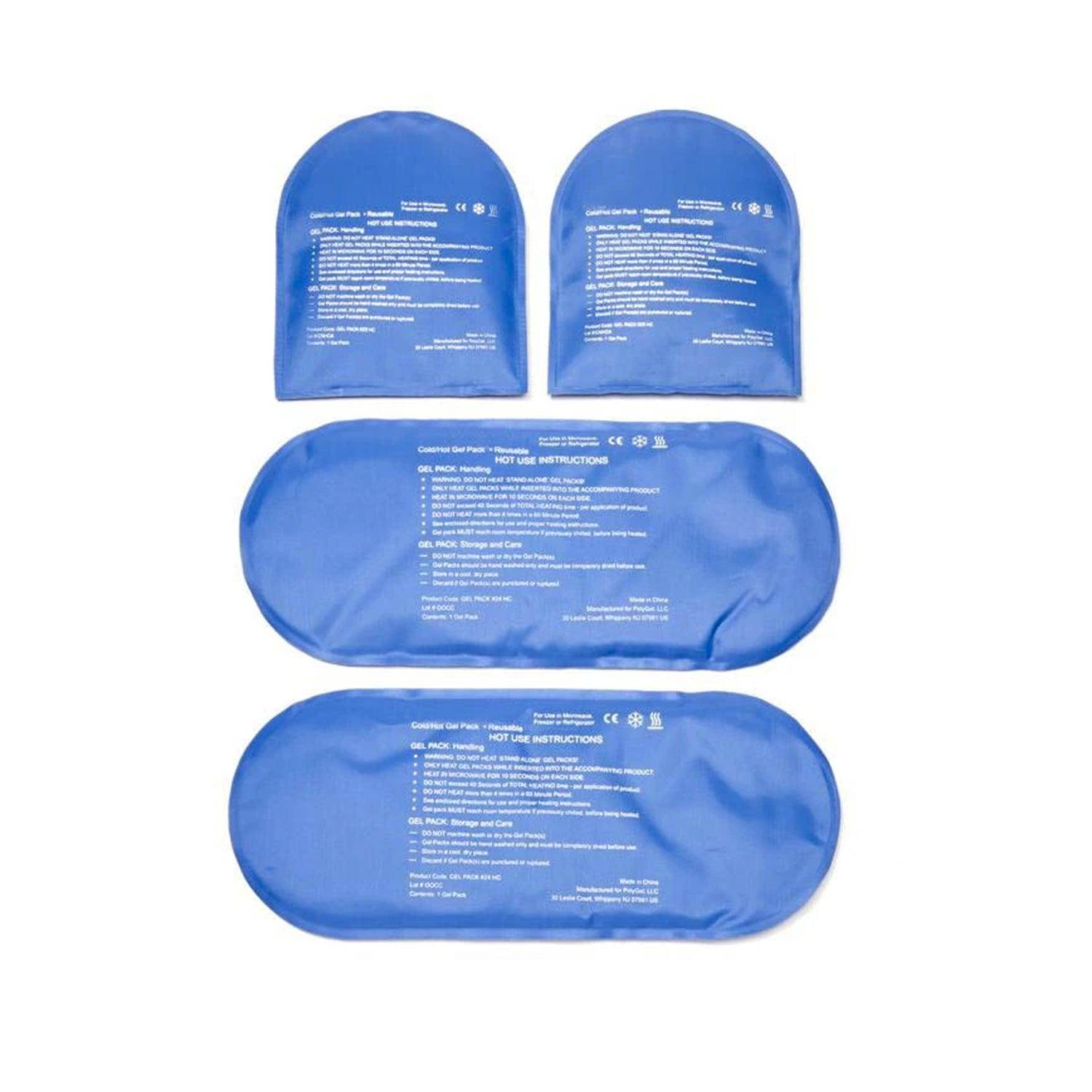
A product like the NatraCure FlexiKold Medium Gel Cold Pack is a good choice for putting cold on your shoulder.
-
You should always put a thin cloth between the cold pack and your skin. This helps stop skin irritation.
-
Using cold compresses again and again is one main step in your early shoulder rehabilitation.
Navigating the Early Healing Phase (Weeks 2–6)
The weeks after the first part of your recovery are about keeping the repair safe and making sure your shoulder does not get too stiff. At this time in the recovery process, you will keep your upper arm in a sling. This helps the tendon heal the right way.
You will not be working on your muscle strength at this time. A physical therapist will help you start gentle, passive movement. This is a very important stage. You need to follow your care plan. This will help you get ready for the active recovery phase that comes later. The next parts will tell you more about using a sling and how to care for yourself at home.
Sling Usage, Rest, and Gradual Movement
Your sling will be with you a lot in the first few weeks. You need to wear it when you are up on your feet or walking around. This will help keep the shoulder joint safe. When you are sitting or just resting, you can loosen the sling. It is okay to let your arm rest on a pillow, but do not take off the sling all the way unless you are going to take a shower or do the exercises your doctor gave you.
Getting enough rest is very important. Try to sleep in a reclining chair or use two or three pillows to keep your head up. Lying flat can make your shoulder feel worse, so it's better not to do that. A daily walk is a good idea. This will help your blood move well and help stop problems like pneumonia or trouble going to the bathroom.
Your physical therapist will help you learn how to move again. They will start with range of motion exercises. At first, your therapist will do passive range of motion with you. This is when the therapist moves your arm instead of you. These exercises help keep your joints moving. They do not put stress on the area that is healing.
At-Home Care Routines with Shoulder Compression Braces and Cold Packs
Good at-home care is key to a smooth shoulder rehab journey. Keeping up with cold therapy is very important. It helps you manage pain and swelling. It will be easier to stick to this routine if you use good cold packs.
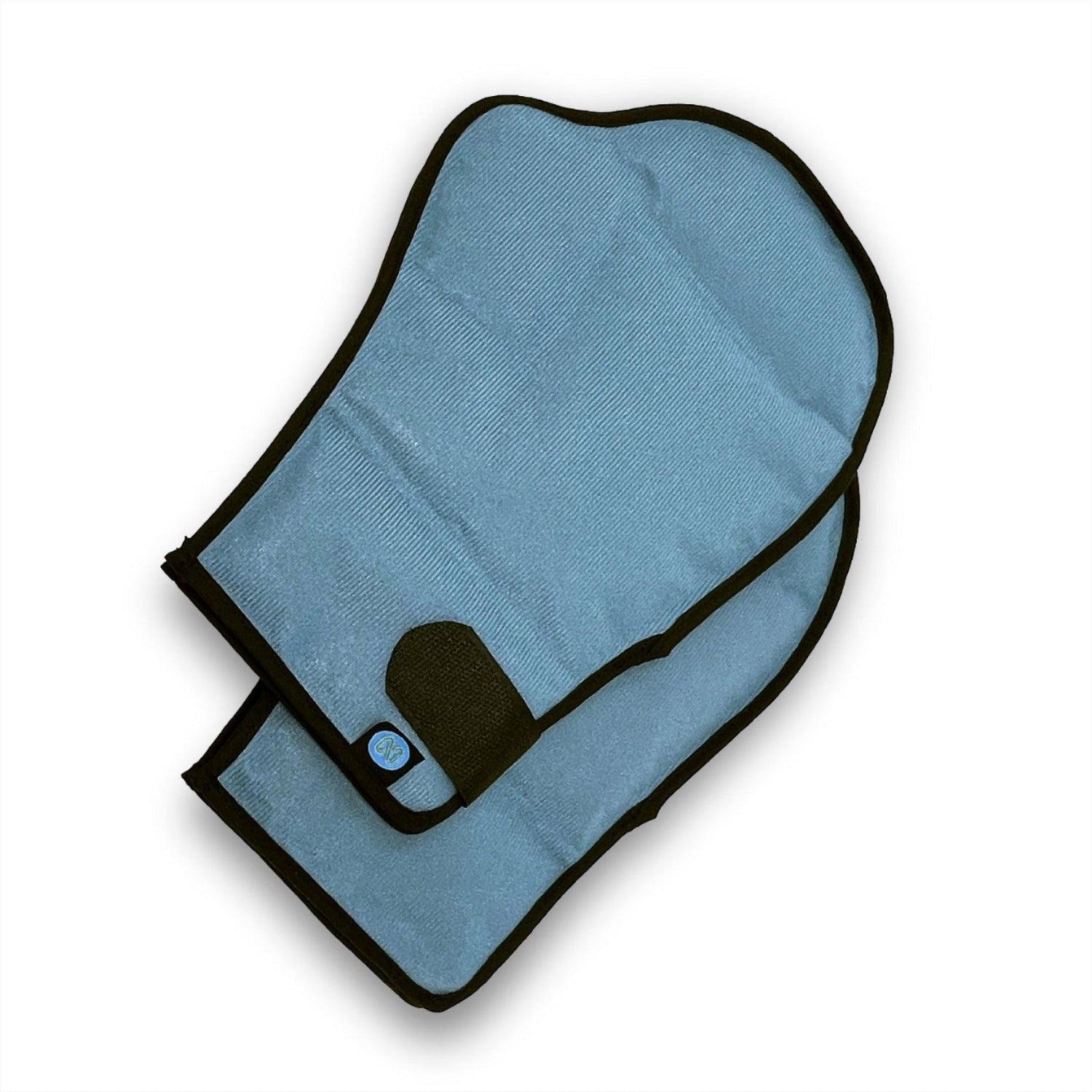
A shoulder compression brace can be a good tool to help you feel better. A product like the NatraCure Universal Shoulder Hot/Cold Compression Brace gives you support for your shoulder and can target the pain. When you use compression, it can help cut down the swelling. You can also use cold therapy with it to give pain relief, which is helpful after you do your exercises.
Here are a few key home care routines to follow:
-
Rest Well: You need to sleep well. Try to sleep with your body raised to help protect your shoulder.
-
Stay Hydrated and Eat Well: Drink plenty of fluids every day. Eat your normal diet. This will give your body what it needs to heal.
-
Keep Moving (Gently): Try to take short walks during the day. This helps with your blood flow.
Rehabilitation and Physical Therapy Timeline
Your rehabilitation program is the most important part of getting better after rotator cuff surgery. You will work with a physical therapist to make a plan that helps you get back the range of motion in your shoulder. The plan will also help you grow more strength. This program is set up in clear steps so you do not do too much or go too fast. It is there to help you feel good and keep your rotator cuff safe.
Following your physical therapy plan the right way and sticking to it is important for your recovery. The exercises you do will change as time goes on. You will start with simple movements. Later, you will move to exercises that help make your body stronger. Now, let’s look at the main parts of this process and learn about the kinds of exercises you will practice during physical therapy.
Key Stages of the Rehab Process
Your shoulder rehab will go through a few main stages. Each stage will have its own goals. This kind of physical therapy is made to help healing tissues and slowly help your shoulder work better. At first, you will work on passive motion. This helps stop stiffness. It does this without putting stress on the repair.
When your tendon starts to heal, you will begin active exercises. Here, you will use your own muscle strength to move your shoulder. The last step is to help you build up strength and keep it for longer, so you can get back to your normal life. Your physical therapist will be with you as you go through each stage. The plan will change if needed, depending on how you do.
Here is a usual plan for rehab after a rotator cuff repair:
|
Phase |
Timeline |
Goals |
|---|---|---|
|
Phase 1: Passive Motion |
0-6 Weeks |
Reduce pain, protect the repair, and maintain passive range of motion with therapist assistance. |
|
Phase 2: Active Motion |
6-12 Weeks |
Discontinue sling use, restore functional range of motion, and begin active exercises without resistance. |
|
Phase 3: Strengthening |
12-24+ Weeks |
Build muscle strength, improve power and endurance, and begin returning to daily activities and work. |
Exercises and Strategies for Safe Progression
Your journey to feel strong again will use a series of exercises. At first, you will do gentle movements. These do not use your shoulder muscles right away. Your therapist will help with passive range of motion exercises. You will also move your hand, wrist, and elbow in simple ways.
As you get better, you will start to do active range of motion exercises by yourself. These exercises help your muscles near your shoulder blade move the right way and give you better control of the joint. A physical therapist will watch to make sure you use the right form so you do not have any problems.
Here are some strategies for a safe progression:
-
Listen to Your Body: You should not keep going if you feel sharp pain. A bit of discomfort is okay, but pain means you must stop.
-
Be Consistent: For the best results, you have to do your exercises as often as your therapist tells you.
-
Gradual Increase: At first, you start with no resistance. As time goes on, you slowly add light weights or bands.
Returning to Daily Activities and Work
Getting back to your normal life is a big step in your recovery. When you can return to your daily activities and work depends on the type of work you do and how your upper arm heals. Recovery times are not the same for everyone. Some people get better in a few weeks, while others may need several months.
It's important to go back to your tasks slowly. This helps you to not get hurt again. You will need to change how you move and how you do some daily things. There are also clear rules for when you can go back to work and sports. Let’s take a look at how to go through this change in a safe way.
Adapting Day-to-Day Movements and Personal Care
You need to change the way you do your daily tasks to help your shoulder heal. In the first few months, you will not be able to use your arm all the way. You can still do easy things like writing or eating. But you should only move your arm at the elbow and wrist.
When you need to take care of yourself, like when you shower, you have to change the way you do things. If you have had arthroscopic surgery, you can often shower after 48 to 72 hours. When you want to wash under your arm, lean over and let your arm stay away from your body. Do not lift it up. This helps to keep your repair safe.
Here are a few ways to adapt everyday activities:
-
Dressing: Pick loose shirts that button up in the front. These are simple to put on when you only have use of one arm.
-
Household Chores: Use your good arm for most chores. Do not lift, push, or pull things with the arm that is getting better.
-
Showering: A shower stool can help you feel steady. It also makes it safer and easier to wash.
Guidelines for Returning to Work and Sports
The time it takes for you to go back to work depends on how hard your job is on your body. If you have a desk job, you might be able to go back in one to two weeks. You can do things like typing and writing as long as you don't lift or strain your upper body.
If you do a job that needs you to move a lot or do manual tasks, it can take a lot more time to get back to work. You may have to stay away from your job for a few months. If you need to do heavy lifting or use heavy tools at work, you may need to change what you do so you do not get hurt again. A physical therapist and your surgeon will tell you when you can go back to work safely.
Going back to sports, like contact sports or any where you move your arms over your head, takes more time. You have to be patient. It is also very important to finish physical therapy. This helps you get all your strength and movement back. Before you start doing high-impact stuff, talk to your surgeon. Make sure you get a go-ahead from him. This way, you can get back in safely.
Managing Pain, Swelling, and Other Symptoms During Recovery
During your recovery from shoulder surgery, you will need to keep on top of pain and swelling. Staying on top of pain relief will help you feel better, rest well, and do better in your physical therapy sessions.
Cold compresses are one of the best things you can use for swelling and pain. They help the area feel better and can bring down any puffiness. Make sure you watch your symptoms, too. That way, you can see if there are any problems early on. Let's talk about what you can do to feel less pain and how you can keep track of how your healing is going.
Options for Pain Relief and When to Use Cold Compresses
You have a few ways to get pain relief as you heal. At first, you will need prescription pain medication. Make sure you take it just the way your doctor says. This helps keep the pain from getting worse. As you feel better and the pain starts to go down, your doctor might tell you to use medicine you can find at the store.
Cold compresses are a good way to help with your shoulder rehab. You can use ice or a cold pack on your shoulder for 10 to 20 minutes each time. Do this every one to two hours. It works best after your physical therapy exercises. A cold compress will help calm the healing tissues and lower swelling.
As you heal with time, you should feel less pain each week. You will also find that it gets easier to move around. If you use cold compresses often during this time, it can help you feel better. This simple step can also make it easier for you to keep going with your rehab plan.
Monitoring Healing and Recognizing Signs of Complications
Watching your health is a key part of the recovery process. It is normal to have some shoulder pain and swelling. But, there are signs that could mean trouble. These problems may need fast medical help. If you know what to look for, you can make sure your healing tissues get better in the right way.
Call your doctor or get help right away if you feel numbness, if your fingers turn blue, if you feel very sick, or if pain does not get better after you use your medicine. You should also check for any signs that the area around your cut looks infected.
Pay attention to these signs that there may be a problem:
-
There is more pain, swelling, warmth, or redness around the cut.
-
Pus is coming out from the cut.
-
A fever happens.
-
Red lines are spreading from where the cut is.
Tips for Optimizing Your Recovery Journey
Do you want your recovery to go well? You need to do more than just listen to your doctor and go to physical therapy. Some simple choices in your daily life can make a big difference. Eating well and getting enough sleep will help your body heal faster. These things will also make it easier for your shoulder joint to get better.
Small changes in what you do can help you feel better and move ahead faster. Let's look at some simple tips for eating right and living well. We will also see how you can use tools to help your body feel good.
Nutrition, Sleep, and Lifestyle Adjustments
Good nutrition helps your body heal. Most of the time, you can have your normal diet. If you feel sick after taking pain medication, you can eat bland foods like plain rice, toast, or broiled chicken. It is also important to drink plenty of fluids. This helps to keep you hydrated and supports your overall health.
Quality sleep helps your body fix itself. You may not be able to lay flat, so you will need to change the way you sleep. A reclining chair or using a stack of pillows can make you feel more at ease and safe at night. Try to get up and take a short walk every day to help your blood flow better.
Here are a few small changes you can make in your life for better care at home:
-
Manage Constipation: Pain medication may make you feel blocked up. You can try a fiber supplement to help you stay regular.
-
Get Enough Sleep: Try to get enough sleep each night. This can help your body feel better and heal.
-
Stay Hydrated: Make sure you drink plenty of fluids during the day.
Using Recovery Tools like NatraCure’s Shoulder Brace Effectively
The right recovery tools can really help with shoulder rehabilitation. A good shoulder brace gives support and helps with healing. It can help you deal with pain and protect your shoulder while it gets better.
The NatraCure Universal Shoulder Hot/Cold Compression Brace is a great tool for recovery. It gives your shoulder a good feel of pressure that helps with swelling. This brace has a gel pack that you can use hot or cold. If you use the cold option after you work out, it can help calm your shoulder and lower swelling.
To use the shoulder brace the right way, first check that it fits well. It should feel snug but not too tight. Follow all the steps for heating or cooling the gel pack. Always put a cloth between the pack and your skin. If you make this a part of your usual day, it will help you feel better and support your recovery.
Frequently Asked Questions (FAQ)
Comfort and getting better after rotator cuff surgery can bring up many questions. You may want to know when you can get back to your daily activities. You might also ask about how to deal with shoulder pain in the best way, and ask how long you should use something like the NatraCure Universal Shoulder Hot/Cold Compression Brace. Some people wonder if the FlexiKold Medium Gel Cold Pack will help with swelling and shoulder pain while you are getting better. It is very important to rest and do what your physical therapist tells you. This will help you get good results after your rotator cuff surgery.
How long does full recovery from rotator cuff surgery usually take?
Full recovery from rotator cuff surgery often takes four to six months. But recovery times can be different for each person. Some people may need up to a year before they get all their upper body strength back. A good physical therapy plan is very important if you want to have a full recovery after rotator cuff surgery.
What are signs I should call my doctor after surgery?
You should call your doctor if you notice any signs of trouble after shoulder surgery. Some of these signs are more shoulder pain that does not get better with medicine, fever, pus at the spot where they made the cut, or if you feel numb or have tingling in your hand. Do not rely only on the use of this information. Always talk to a healthcare professional about any shoulder pain problems.
Can I perform household tasks during recovery, and how should I adapt them?
Yes, you can do simple daily tasks, but you need to change how you do them. Try to use your non-surgical arm for most things. Do not lift, push, or pull anything with your upper arm that is still getting better. As you move through your recovery process and your range of motion gets better, you can slowly do more. Still, you must always look out for your shoulder joint.
Conclusion
To sum up, the recovery process after rotator cuff surgery is very important. It helps you get your movement and strength back. You need to know the stages of healing and how to manage pain. Using good recovery products, such as NatraCure’s Universal Shoulder Hot/Cold Compression Brace or the FlexiKold Medium Gel Cold Pack, can really help you feel better as you get back to your usual activities.
Keep in mind that everyone's timeline is different. Make sure you listen to your body and talk with your healthcare provider if you feel something is not right. By putting your recovery first and using the right tools and care, you give yourself the best chance for a full comeback to your daily life. If you want help that is just for you, feel free to reach out for a free consultation!
Frequently Asked Questions
What is the aftercare for rotator cuff surgery?
After rotator cuff surgery, there are some important things you need to do. You should wear a sling to keep your shoulder still. It also helps to manage pain often. Going for physical therapy as planned is a big part of healing. Make sure you do what your surgeon says when it comes to taking care of the cut and what you can or cannot do. This is very important for good shoulder rehabilitation after rotator cuff surgery.
How long to drive after rotator cuff surgery?
You should wait a few weeks before you drive after rotator cuff surgery. It is best to not drive while you are still using a sling. You need to have enough range of motion in your arm to use the car in a safe way. Be sure to talk with your doctor or physical therapist first. Wait for them to say it is okay for you to drive again.
What not to do after rotator cuff repair?
After rotator cuff repair, you should not lift heavy things, push, or pull with the upper arm that was hurt. Do not start contact sports or hard activities too soon. It is also very important that you do not take off your sling before your surgeon tells you to. This helps keep the healing tissues safe.
Can I take my sling off after rotator cuff surgery?
You should take off your sling after rotator cuff surgery only when your doctor tells you to. This may be for some exercises the doctor gives you or when you need to shower. The sling is very important because it helps protect your shoulder joint and gives the healing tissues time to get better. Make sure you wear your sling the way you are told.