
Key Highlights
-
Foot blisters often happen because of friction when your footwear does not fit right, or when you do a motion over and over.
-
Most friction blisters can be cared for at home if you keep them clean and covered.
-
Good shoes that fit well and socks that pull moisture away from your skin are key to stopping foot blisters.
-
It helps to know the difference between a blister that is clear and one with blood so you can understand this injury better.
-
Go to a podiatrist for advice if you see signs of infection, like pus or more redness than before.
-
New treatment technologies and things like moleskin now help people feel less pain and protect the area.
Introduction
Almost everyone knows what it's like to feel the sore sting of a blister on the foot. A blister is a small bubble with fluid inside, and it can make walking or even just standing feel hard. Most times, foot blisters show up because of friction. This happens often when your footwear does not fit the right way. A blister can feel very annoying, but knowing some basic foot care will help you treat it and keep them from coming back. Are you ready to make your feet feel better and stay happy and healthy?
Common Causes of Blisters on Feet
Have you ever thought about why you get blisters on your feet? The main cause is friction. When your socks or shoes keep rubbing on your feet during everyday activities, it can cause the layers of skin to pull apart. Fluid goes into this space which makes a painful blister from friction.
This steady rubbing puts pressure on your heels, soles, and toes. Shoes that are too tight or too loose can increase the risk of blisters. Now, let’s look at how friction and some other things can help blisters form.
Friction from Shoes and Socks
The link between the shoes you wear and getting blisters is strong. Shoes that do not fit your feet well can cause friction. This is the main reason why you get sore spots and blisters. If your shoes are loose, your feet move around, and if they are tight, your shoes will press and rub on your skin. This problem often happens with new shoes that you have not worn much yet.
Even the sandals you like most can give you trouble. When your skin rubs again and again on your sandal, it can lead to irritation. The result of constant friction of skin against your shoe is that a sac filled with fluid forms. This is how your body tries to create a cushion. It is there to protect the deeper and more sensitive skin from more harm.
To stop friction blisters, you need to look at how your shoes fit. Wearing proper fitting shoes is the first thing you should do to avoid friction on your feet. Footwear that holds your foot well and does not rub will help keep your skin in good shape.
Heat, Moisture, and Allergic Reactions
Other than friction, there are a few things in the environment that can make it more likely for you to get blisters. Consistent foot moisture is one big reason for this. When your skin stays damp, it gets softer and can break easier. A lot of runners and athletes have to deal with this, especially in warm weather when your feet sweat more. Excessive moisture can block the pores, and this can give you tiny blisters. High humidity will make the problem even worse.
Sometimes, blisters are not from friction or moisture. Other things can cause them, too. A few main causes are:
-
Some people may have allergic reactions to chemicals in things like cosmetics, detergents, or soaps.
-
Skin problems such as dyshidrotic eczema can happen.
-
You can get burns from the sun or from being around too much heat.
-
Frostbite may happen if you are out in the extreme cold.
These situations can lead to a skin infection if you do not take care of them the right way. It is important to know what caused it. If you think you have an allergic reaction or eczema, try to solve that problem first. This will help you stop blisters from coming back.
Recognizing Blister Types and Symptoms
Not every blister is the same. The fluid sacs form under the top layers of skin, but how they look will be different based on what caused the injury. If you can spot the different types of blisters, you can figure out the best way to treat them.
It's important to keep an eye on the affected area for signs of infection. Most blisters get better on their own. But you should watch for problems like more redness, swelling, or warmth. These signs can help you know if you need to talk to a doctor. Now, let's go over the most common kinds of blisters and some warning signs of trouble.
Clear Fluid-Filled Blisters vs. Blood Blisters
The most common type is friction blisters. They look like bubbles and are filled with a clear fluid. This fluid, called serum, gathers between the upper layers of skin. It helps protect the skin under these layers. Friction usually causes these blisters. They do hurt, but most of the time they are not a big problem.
Blood blisters happen when something pinches your skin or puts too much pressure on it. This can hurt the blood vessels deep under the skin. Instead of clear fluid like with friction blisters, blood gathers below the skin and makes a dark red or purple bubble.
Sometimes, these blood blisters can look scarier than friction blisters. But you use the same care for both.
If you see that there is pus in the blister and it looks cloudy or yellow, this means there is an infection. You need to get help with it.
For quick reference, here’s how they compare:
|
Feature |
Clear Fluid-Filled Blister |
Blood Blister |
|---|---|---|
|
Cause |
Repeated rubbing or friction |
A pinch or trauma to the skin |
|
Appearance |
Bubble filled with clear liquid |
Dark red or purple bubble filled with blood |
|
Location |
Forms in the upper layers of skin |
Forms deeper, involving blood vessels |
Signs of Infection and When to Seek Medical Advice
Most blisters get better on their own. Still, you should watch for signs of infection. If a blister gets infected, it can turn into a bigger health problem if you do not take care of it. If you feel more pain in the area as time goes on, that is one of the signs of infection. This means there could be something wrong.
An open blister can let bacteria in. There are some signs of infection you should watch for:
-
There may be yellow or green pus coming out, instead of clear fluid.
-
You might see more redness, swelling, or feel warmth near the affected area.
-
Red lines may show up and spread out from the blister.
If you have any of these symptoms or feel severe pain that stops you from walking, you need to get medical help. Talk to your GP or a podiatrist. You should do this if you have a fever or feel sick too. They can drain the blister the right way if needed. They will also check if you need antibiotics for the infection.
Treating Foot Blisters at Home
The best way to treat a blister on your foot at home is to keep it safe and clean. You want to make sure the blister does not break open. The skin on top of the blister works like a shield and helps stop infection. Most blisters will heal well with this simple care.
A bandage or a piece of gauze can help you feel less pain. It also keeps the blister safe from more friction. You can find special products and treatment technologies that help blisters heal faster. Now, let's go over the steps to take care of a blister at home. We will also talk about if you should pop a blister or leave it alone.
Safe Care Steps and Products for Healing
Taking good care of a blister can help with pain relief and speed up healing. Make sure you keep the area clean and cover it well. This lowers the chance of an infection. It also lets your body heal on its own.
Here are some simple steps for safe care:
-
Gently wash the blister area with mild soap and water.
-
Put some antibacterial ointment or cream on the blister.
-
Cover the blister with a bandage, some gauze, or a special dressing to keep it safe.
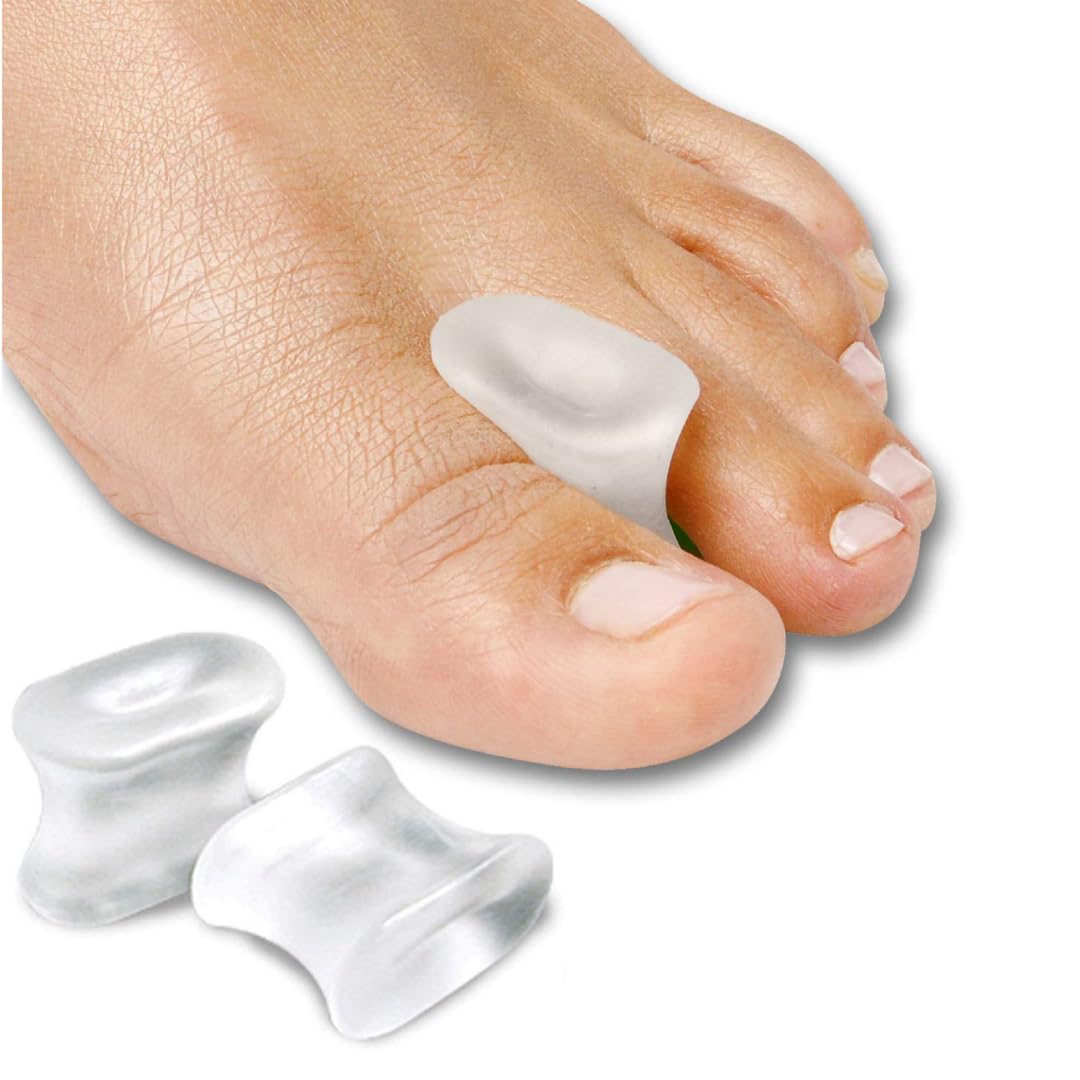
Yes, there are some products that can help a blister on the foot heal faster. Moleskin works well for this. You can cut a hole in the middle of the moleskin, so it forms a "donut" shape around the blister. This takes pressure off the spot. Gel blister bandages are also a good pick. They give the area some cushion and keep it moist, which can help the blister heal.
Should You Pop a Blister or Let It Heal Naturally?
People often ask if they should pop a blister on their foot or let it heal by itself. The best thing you can do is to leave the blister alone. The skin that covers the blister acts as a clean shield. It helps keep the area safe from bacteria. If you pop the blister, you will open the skin. This can make it hurt more and raise your risk of getting an infection.
If you have a blister that is big, hurts a lot, and stops you from walking, you might feel better if you drain it. If you want to do this, make sure you do it the right way. Start by washing your hands and the blister. Then, clean a sharp needle with rubbing alcohol. After that, make a tiny hole at the edge of the blister.
Let the fluid from the blister drain out all the way, but do not remove the skin on top. You should use an antibiotic ointment and then cover the area with a bandage. If you have a medical condition such as diabetes or poor blood flow, do not try to drain the blister on your own. In this case, you need to talk to your doctor about how to care for a blister.
Preventing Future Blisters on Feet
The best way to handle blisters is to stop them before they start. A good foot care plan can help you avoid pain and feel better later on. Most tips to stop blisters are easy to follow. They let you lower friction and keep moisture in check.
If you make smart choices about your footwear and follow some simple habits, you can lower your risk of blisters, even if you stand or walk all day. Let’s talk about what type of gear is right and how you can care for your skin.
Choosing Proper Footwear and Socks
The best way to avoid friction blisters on your feet is to wear proper fitting shoes. You want shoes that do not rub or pinch your feet. It is also a good idea to break in new shoes before you wear them for long periods. Taking these steps can help keep you safe from friction blisters.
The socks you wear matter just as much as your shoes. Cotton socks hold moisture. This can make your skin soft and raise the risk of blisters. It is better to pick socks made from fabrics that pull moisture away from your skin. These help to keep your feet dry.
Here are a few tips for your footwear and socks:
-
Make sure your shoes fit well. The shoes should be right for what you are doing, like walking or hiking.
-
Choose socks that pull away moisture. This will help cut down sweat and keep your feet drier.
-
You can use foot powder in your socks. It will help your feet stay dry by soaking up sweat and moisture.
Skin Care Tips for Active Lifestyles
If you are someone who stays active, taking some extra care of your skin can help you avoid getting blisters. How can you keep new blisters from showing up when you walk or run? The trick is to act early. Watch out for a "hot spot". A hot spot is a place on your skin where there is friction and it starts to feel sore. Stop right when you feel it and take care of the spot quickly.
Putting athletic tape, a gel bandage, or moleskin on the sore spot can help make a barrier. This stops the rubbing and keeps your skin safe. When you go hiking or do any long activity, take another pair of dry socks with you. Change into them if your feet feel damp. This helps cut down the moisture and saves your feet.
Here are a few more tips for active individuals:
-
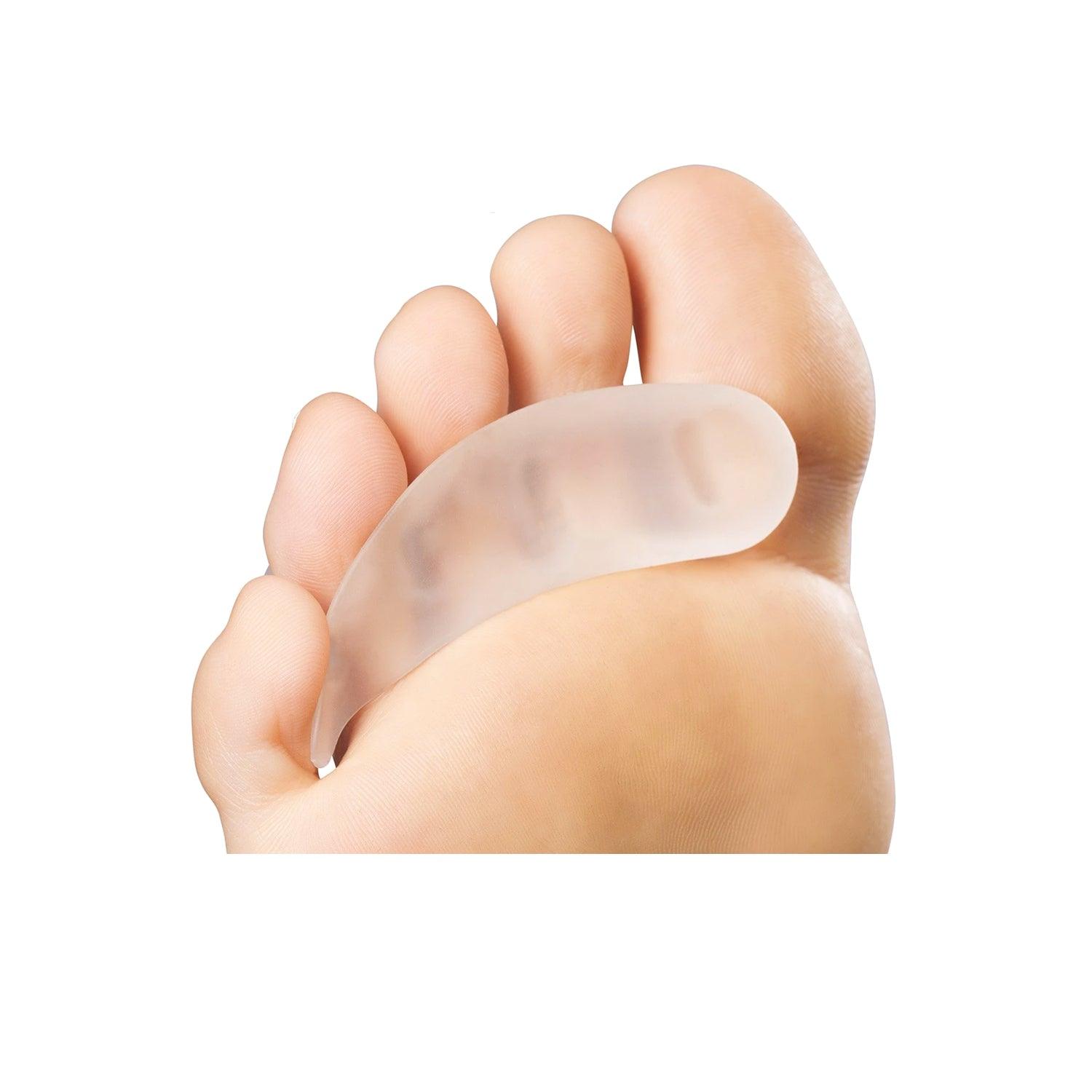
Use insoles or gel pads in your shoes. They give more cushion where there is more friction.
-
Try to keep your feet dry. This helps to stop the skin from getting too soft.
-
If you feel any pain, take care of it fast. This can stop a blister before it gets bad.
Conclusion
To sum up, knowing why you get blisters, different types, and treatments can really help with your foot care. If you pay attention to things that make blisters happen, like friction from your footwear or the weather, you can stop them before they start. When you know how to treat a blister the right way, it will heal faster. This also lowers the chance of getting an infection. Picking the right footwear and taking care of your skin will keep your feet in good shape. You can stay more comfortable and be free from blisters. For more advice and tips about foot care, feel free to ask us for a free consultation. Your feet should always get the best care!
Frequently Asked Questions
How long do blisters on feet usually take to heal?
Most foot blisters usually get better in a few days or up to a week. It can heal quicker if you cover the affected area with a bandage. This helps protect the blister from friction. Keeping the blister clean and covered gives pain relief and helps the skin under it to grow back.
Can foot blisters be a sign of an underlying health problem?
Most foot blisters come from friction. But, sometimes there can be a different reason. A foot blister can show a health problem under the skin. A chronic blister can mean you have a skin infection, eczema, or maybe an allergic reaction. Some people also get blisters from chickenpox. If there is no easy reason why you get a foot blister, you should talk to a doctor.
When should I see a doctor for foot blisters?
You should go to a podiatrist or your GP if you see signs of infection. These signs include pus, redness that gets worse, or swelling. You should also get medical help if you feel severe pain that keeps you from walking. If your blister does not start to heal after several days, ask your doctor for advice.
How do I heal blisters on my feet?
To help the blister heal, clean it gently with water. Put some antibacterial ointment on it. Cover it with a clean bandage, gauze, or dressing. This helps to give pain relief and keeps germs out. It also stops more rubbing on the spot. Do not pop the blister unless you have to, and make sure it is done in a clean way.
Is it okay to walk on blistered feet?
Walking on a blister hurts and can make the blister break open. This can lead to an infection. For pain relief during everyday activities, try to cover the affected area with a moleskin "donut" or a gel bandage. You can also wear other footwear that does not put pressure on the blister.
Why am I getting blisters on my feet?
The main reason you get blisters on your feet is friction. This often happens when your shoes do not fit well. There are other things that can make your risk of blisters higher too. For example, if you have excessive moisture from sweat, it can cause problems. Wearing socks that do not remove moisture will also add to this risk. Doing long activities, like running or hiking, can make you get blisters as well.