
Key Highlights
-
Menopause joint pain is a common problem. Many people do not notice it, but it is tied to low estrogen levels.
-
When the body loses estrogen, which helps fight swelling, there can be more inflammation. This may lead to aches, stiffness, or your joints becoming puffy.
-
A lot of the time, people think this pain is from getting older. But for many women, it is a real part of the menopause transition.
-
There are ways to feel better without drugs. You can try moving more, changing your diet, or using cold packs. Cold therapy is a simple option for your joint health.
-
To deal with joint pain well, you need to know how hormonal changes during menopause link to it. This is the first thing to do when you want to feel better from these menopausal symptoms.
Introduction
If you feel joint pain in your knees or wake up with stiff, swollen hands in your 40s, you are not making it up. A lot of menopausal women feel joint pain that comes for no clear reason. Doctors may not always link this pain to hormonal changes. Because of this, you might feel that no one is hearing you. But this pain is real. A lot of people feel it. And there is a reason behind it. Let’s talk about how menopause and joint pain are linked, even if the link is not often talked about.
Naming the Experience: How Menopause Joint Pain Shows Up
Menopausal joint pain, also known as menopausal arthralgia, is a very common issue during the menopause transition. More than half of women in their middle years feel musculoskeletal pain at this time. This joint pain is not just a simple ache. It comes from the changes in your hormones.
The main reason for this is the change and drop in estrogen. This hormone helps stop swelling in the body. When you have less estrogen, the body cannot fight swelling as well as before. You may feel some pain, feel stiff, or see some swelling in your joints. Doing simple things each day can feel harder because of this.
Common Scenarios: Stiffness, Swelling, and Aches
So, what does this joint pain from menopause feel like? The way it feels can change from person to person. But, many women say they feel the same kind of pain that often starts for no clear reason. It is not like when you feel sore from an injury. The pain often shows up on both sides of the body at the same time and feels much the same in those areas.
You may feel a general ache in your body, most often in the morning. Joint stiffness can make it hard to get out of bed. You might feel like it takes a lot of effort. Your joints can also feel swollen, especially in the hands and fingers. If you wear rings, they may feel tight. This is not just in your mind. The joints can feel warm when you touch them. This is because of swelling.
Some of the most common descriptions include:
-
Waking up can feel hard when your body is stiff and creaks, almost like the Tin Man.
-
Your knees might hurt when you walk up stairs or if you sit for a long time.
-
Your hips feel sore and make it tough to lie on your side during the night.
-
Your fingers feel puffy and sore, most often in the morning.
-
You feel body aches all over, kind of like how you feel when you get the flu.
Why Most People Don’t Connect Joint Pain with Menopause
One thing that really upsets many people is that this joint pain is not often seen as a symptom of menopause. Many feel if you talk about your joints hurting, the doctor will talk about "just getting older" or say you should lose weight. Most doctors do not talk about how joint pain and menopause go together because of hormone changes.
There are a few reasons why this happens. First, joint pain is a common problem with many things that can cause it. Second, the menopause transition is something that not all doctors fully understand. The changes that happen during this time, and how they affect muscles and bones, are not always well-known. A lot of people, including women, do not know that pain in their knees could be linked to the changes in hormones during menopause transition.
This lack of awareness can feel very upsetting. You know that something is not the same in your body. But people say it is just a normal part of getting older. This can make it take more time to find what will help you feel better. It can also make your quality of life get worse during the menopause transition.
Validating Symptoms: You’re Not Imagining This
Let's make one thing clear. The joint pain you feel is real, whether it's new or getting worse. You are not being too sensitive, and it's not just in your mind. There is a good link between the hormonal changes in the menopausal transition and joint pain. If you feel that people do not listen to you, remember that what you feel is real. Many other women feel the same way.
This pain can feel like a small bother or it can turn into chronic pain. It can get in the way of your day-to-day activities and lower your quality of life. When people do not listen or understand what you are going through, that can hurt as much as the pain in your body. It can make you feel alone and question what is going on with your body.
The first thing to do is to see that your symptoms are a real and normal part of menopause. This is a strong step that can help you feel better. You know your body best, so trust what you feel. There are reasons why you feel the way you do. More than that, there are things that can help you feel better.
Estrogen’s Role in Joint Health and Inflammation
Estrogen is at the center of the link between menopause and joint pain. Most people know about estrogen because of its part in the reproductive cycle. But this hormone does much more than that. It is also very important for keeping many parts of your body healthy, including your joints and your bones.
As you move through the menopause transition, the estrogen levels in your body start to change. Over time, these levels drop. This change affects your joint health a lot. It helps to know how this works, so you can find out why your joints might feel sore and what you can do for it.
How Estrogen Decline Triggers Menopause Arthritis
The name "menopausal arthralgia" is used by doctors to talk about joint pain women feel during this time. This is not a disease on its own, but it is a group of symptoms that happen because hormone levels are changing in the body.
Estrogen is one of the main things that helps keep the cartilage in your joints healthy. This cartilage is the soft tissue that covers your joints to help them move. When estrogen levels go down, the cartilage can get thin and not bounce back as well as before. This can lead to more joint pain.
When there is an estrogen decline, you may feel pain more easily. Estrogen works with the body to control how you feel pain. If you have less estrogen, your body can feel pain more than before. So, aches and other pains can feel stronger now, even if you did not feel them as much in the past.
If you are a woman who already has a condition like osteoarthritis, the hormonal changes during menopause can make your symptoms feel worse. The loss of estrogen makes your joints wear out faster. This can bring more pain and make you feel more stiff. It is the effect of getting older and the changes in your hormones happening at the same time.
Estrogen Loss and Inflammation: The Science Made Simple
Think of estrogen, and how it works like your body’s helper against swelling and pain. It helps control swelling inside the body. When you go through the menopause transition, estrogen levels drop. This means you lose some of this help. The outcome is that swelling can get worse. A lot of times, this shows up in your joints.
This ongoing, low-level swelling in the body is a big reason you feel pain, stiffness, and swelling. Your joints get more sensitive and can get upset quickly. Because of this, some women feel better from menopausal symptoms, like joint pain, when they use hormone therapy (HRT). Hormone therapy helps by bringing back some of the estrogen your body needs.
When the estrogen decline happens, your body can feel more inflamed. This does not mean you will get an inflammatory condition for sure. But, it does mean that your joints may hurt more or feel more sore from things you do each day. Things that did not bother you in the past might feel uncomfortable now.
Perimenopause Aches: Early Signs to Watch Out For
You do not need to wait for your periods to end to feel the effects. The time before menopause, called perimenopause, can start in your early 40s or sometimes late 30s. During this time, there are changes in hormone levels that can be hard to predict. Many women notice joint aches as one of the first things that show something is different. This can happen even before you have hot flashes or changes with your periods.
These aches in perimenopause can feel confusing. You might feel you are still too young to have problems linked to menopause. The pain can show up, then go away, so you may think it is just from a hard workout or sleeping wrong. But, if you start to see these new aches and pains happen again and again, it is a good idea to think about hormones and how they may play a part.
Pay attention to these early signs:
-
You may feel your joints ache in the morning, but as you move around, the pain eases.
-
You notice new pain or worse pain in your hands, knees, or hips, but there is no clear injury.
-
You feel more stiff than you did before.
-
You get more muscle pain or feel sore after things that used to feel easy.
Joint Pain Gets Missed: Understanding the Overlooked Connection
Even though a lot of people have it, joint pain linked to menopause often gets missed. Many healthcare workers may not notice it or they think it is from some other reason. When you go to the doctor with joint pain, they might just say it is because you are getting older, have arthritis, or something about the way you live. But they may not look at hormones, which can also be why this pain is there.
This gap with the diagnosis can be very hard for you. You may feel lost because you do not have a clear treatment plan that gets to the real reason for your discomfort. It helps to know why this link is often missed. When you understand this, you can talk better with your doctor. You can ask for the care that you need.
Why Doctors Often Attribute Pain to Aging
When a woman who is over 40 starts to feel joint pain, the most common thing people think of is aging. The risk of getting joint problems like osteoarthritis does go up as people get older. This happens because the joints get "wear and tear" with time. A healthcare provider often uses this information to explain joint pain, since it is well known.
The problem is that this answer is not complete. It does not take into account the special hormone changes in a woman when she is in her 40s or 50s. The signs of menopausal joint pain, like pain on both sides, stiff joints in the morning, and feeling sore, can feel like other problems. But the time these happen and how they connect to other menopause symptoms are signs that many people miss.
Figuring out if your joint pain is from menopause means the doctor has to rule out other causes and notice the right signs. The doctor will ask you a lot about your health and what you feel. They will want to know if you have other menopause symptoms, like hot flashes, sleep troubles, or mood changes. But sometimes, the doctor does not look at all these things together. The pain may just be seen as part of getting older.
Stories from Real Women: Being Dismissed or Misdiagnosed
Many people feel alone when their pain is dismissed, but you are not alone. A lot of women feel the same way about joint pain. They feel that others don't take them seriously. People often hear things like, "just lose weight," "get more exercise," or "it's part of getting older." This kind of feedback does not help. It tells you that your pain is not real. Over time, this can turn joint pain, which could be simple to handle, into long-lasting pain. This can make life feel much harder and lower your quality of life.
Many people go through this same thing. It can turn into a long and hard road with wrong answers. Women may have to take many tests for things like rheumatoid arthritis or fibromyalgia. But the test results often come back showing nothing, so they still do not know what is wrong.
Here are just a few common refrains:
-
"My doctor said my knee hurt only because I put on 10 pounds. He did not ask me about any other signs I had."
-
"I got checked for lupus and RA, but all my test results came back fine. It seemed to me like the doctors thought I was not telling the truth."
-
"I was told that I had 'just arthritis' and to take ibuprofen. But the pain felt different to me—it was not just in one place, but all over my body, and it started so fast."
Recognizing Menopause Body Aches vs Other Causes
It can be hard to tell the difference between joint pain from menopause and other problems like osteoarthritis or rheumatoid arthritis. But there are some clear things to watch for. Noticing these signs can help you and your doctor find out the real cause. Menopausal joint pain is mostly about a general feeling of pain and stiffness in the joints. It does not feel as sharp, strong, or damaging as the pain you get with some other types of arthritis.
While both OA and menopause joint pain can make your joints feel stiff, the pain from menopause usually covers more areas and shows up on both sides of the body at the same time. RA, which is an autoimmune disease, often comes with a lot of swelling, redness, and warmth. This swelling and discomfort can feel much worse and last longer than other joint pain caused by changes in hormones.
Here is a simple way to help you see the differences:
|
Feature |
Menopause Joint Pain |
Osteoarthritis (OA) |
Rheumatoid Arthritis (RA) |
|---|---|---|---|
|
Primary Cause |
Estrogen decline |
Cartilage wear and tear |
Autoimmune attack on joints |
|
Pain Pattern |
Often symmetrical (e.g., both knees, both hands) |
Can be asymmetrical (e.g., just one knee) |
Typically symmetrical and affects multiple joints |
|
Morning Stiffness |
Usually lasts less than 30 minutes |
Lasts a short time, improves with movement |
Often severe and can last for over an hour |
|
Other Symptoms |
Accompanied by other menopause symptoms (hot flashes, etc.) |
Pain worsens with activity |
Often accompanied by fatigue, fever, and malaise |
Most Vulnerable Joints During Menopause
Menopausal joint pain can happen in any part of your body. But it is most common in certain joints that you use a lot. Many menopausal women feel this pain in the parts of their body that move the most. This happens because of hormonal changes and the stress you put on joints. The joints that help hold your body up often feel the pain the most.
It is good to know which joints have an increased risk during the menopause transition. This can help you watch for early signs of problems. There is also value in knowing why you feel pain in your knees instead of your shoulders. This can show you better ways to get relief during this time.
Knees, Hips, Hands/Fingers: What Makes Them Vulnerable
Your knees, hips, and hands are often the first to feel joint pain when you are going through menopause. These parts of the body feel more pain because they do a lot of work, hold your weight, and move all the time. When there is a drop in estrogen, it makes things worse. All this together can make you feel more aches and stiffness in these joints.
The knees and hips feel stress all the time. Any weight gain during menopause can put more pressure on these joints. When the level of estrogen goes down, it can also hurt the cartilage that helps protect them. Your hands and fingers have many small joints. These small joints move often every day, so they can get this problem too.
Here's a quick breakdown:
-
Knees: These are big joints that carry a lot of weight. They often hurt because they take on a lot of strain.
-
Hips: These work in the same way as your knees. They hold up the body's weight. If there are changes in muscle mass, you may feel pain here.
-
Hands/Fingers: There are many small joints here. These get sore and puffy when there is inflammation, making them feel tight.
-
Wrists: Doing the same moves again and again can make swelling worse in your wrist joints.
Shoulders and Lower Back: Common Sites of Menopause Inflammation
Many women feel pain in their shoulders and lower back when they go through menopause. These aches may not be the most obvious signs, but they can cause a lot of problems. The pain is linked to hormonal and physical changes that happen during this time.
Pain in the lower back can get worse when you lose muscle mass and your posture changes. When the muscles that support your spine get weaker, there is more stress on the joints and discs in your lower back. Shoulder pain, like "frozen shoulder" (also called adhesive capsulitis), can also happen more often as women go through menopause. Many researchers think that inflammation from less estrogen has a part in this painful problem.
Not being able to do physical activity because of pain can make things worse. This may cause your body to feel more stiff, and your muscles can become weak. It is important to keep gentle movement and stretch often. This helps your back and shoulders. It also protects them from the swelling that can happen during menopause.
Differentiating Menopause Joint Pain from Other Types
While checking yourself can help, it is important to get a real diagnosis from a healthcare provider. This is needed to rule out more serious chronic conditions. You should not wait to ask for medical help if your pain is very bad, does not go away, or comes with other worrying signs.
A big difference with joint pain that comes with menopause is when it starts. If you feel muscle and joint pain in your 40s or 50s, and you also have other menopausal symptoms, these signs are probably linked. This pain is not like rheumatoid arthritis. Menopausal joint aches usually do not make your joints look deformed or very swollen with redness.
It's good to notice if the pain is on one side or on both sides. Pain in only one joint may be due to an injury or a problem like osteoarthritis. But if the pain is the same in both knees or both hands, it can be linked to a body-wide issue, such as hormonal changes. A doctor will often ask about your health history and may do blood tests to find out what is causing the pain.
Practical, Drug-Free Joint Pain Relief for Menopause
The good news is that you do not have to sit with joint pain during menopause. There are many easy and helpful ways you can feel better without using medicine. You can try simple lifestyle changes that help lower swelling and help your joint health. By doing this, you will feel less pain and have a better quality of life.
You can manage movement and your weight. You also have some good home remedies you can try. These things give you many ways to feel better. Let’s look at a few of the top things that make relief possible. These are simple steps you can start using right now.
Movement, Weight Management, and Anti-Inflammatory Diets
When your joints feel sore, you may not feel like moving at all. But getting in some regular physical activity is very good for your body. The trick is to pick low-impact exercises. These help your blood move through your body and do not put too much stress on your joints. When you move, your joints get more natural fluid. This helps to stop stiffness. Regular physical activity also makes the muscles around your joints stronger and can help you feel better.
Weight management is very important. Even if you lose a little weight, it can help take off a lot of stress from your knees and hips. When you pair this with an anti-inflammatory diet full of fruits, vegetables, whole grains, and healthy fats, you can work to fight the swelling and pain.
Here are some things you can add to your daily routine:
-
Low-impact aerobics: Swimming, cycling, and walking are all good options. They are gentle for your body.
-
Strength training: If you use weights or resistance bands, you build muscle. This can help protect your joints.
-
Flexibility exercises: Doing yoga, Pilates, and tai chi can help you increase your range of motion. They also let your body move better.
-
Anti-inflammatory foods: Food like salmon, berries, leafy greens, and walnuts can be good choices.
-
Foods to limit: It is best to cut back on sugar, processed foods, and red meat.
-
Hydration: Try to drink enough water every day. This helps your joints stay smooth and work well.
Cold Therapy for Menopause Symptoms: How It Works
One tool that many people do not use enough for menopause joint pain is cold therapy. You can put something cold on your sore and swollen joint. This is a safe way to feel better right away, and you do not need to use any medicine for it. Cold therapy can give you temporary relief when your joint starts to feel achy or puffy. It's a good thing to try if you have joint pain.
How does it work? The cold makes the blood vessels in the sore area get smaller. This slows down the blood that goes there. Because of this, swelling and redness get less. The cold also helps numb the spot. This means the pain signals going to your brain get dull and you feel less pain. While this will not fix the real reason for the problem, it gives you good relief right where you need it, when you need it most.
If your knee hurts or your hands feel sore at the end of the day, using a cold pack for 15 to 20 minutes can help a lot. This is a good and easy way to help the sore joint feel better. The best part is it does not cause side effects.
Natural Remedies and NatraCure Menopause Cooling Products
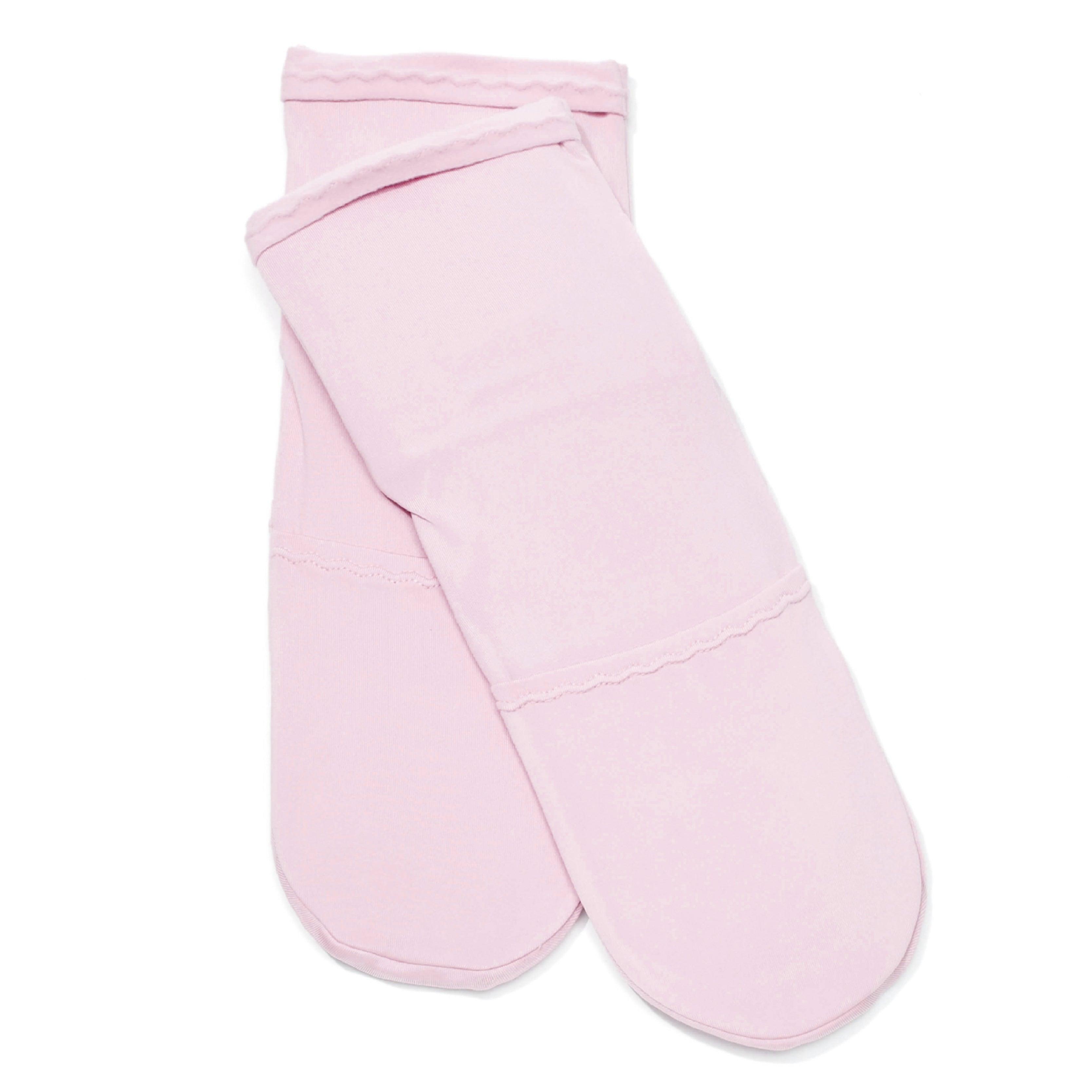
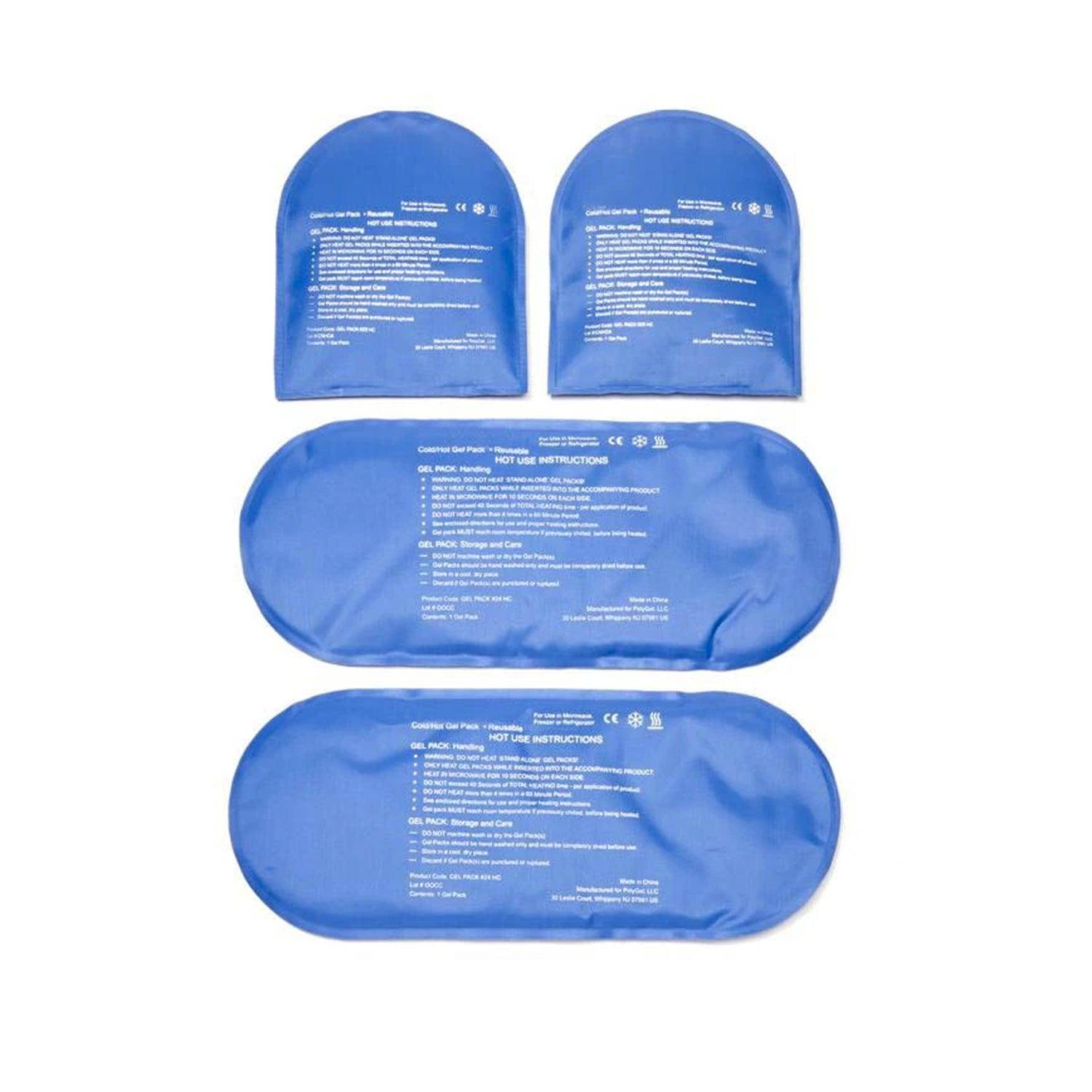
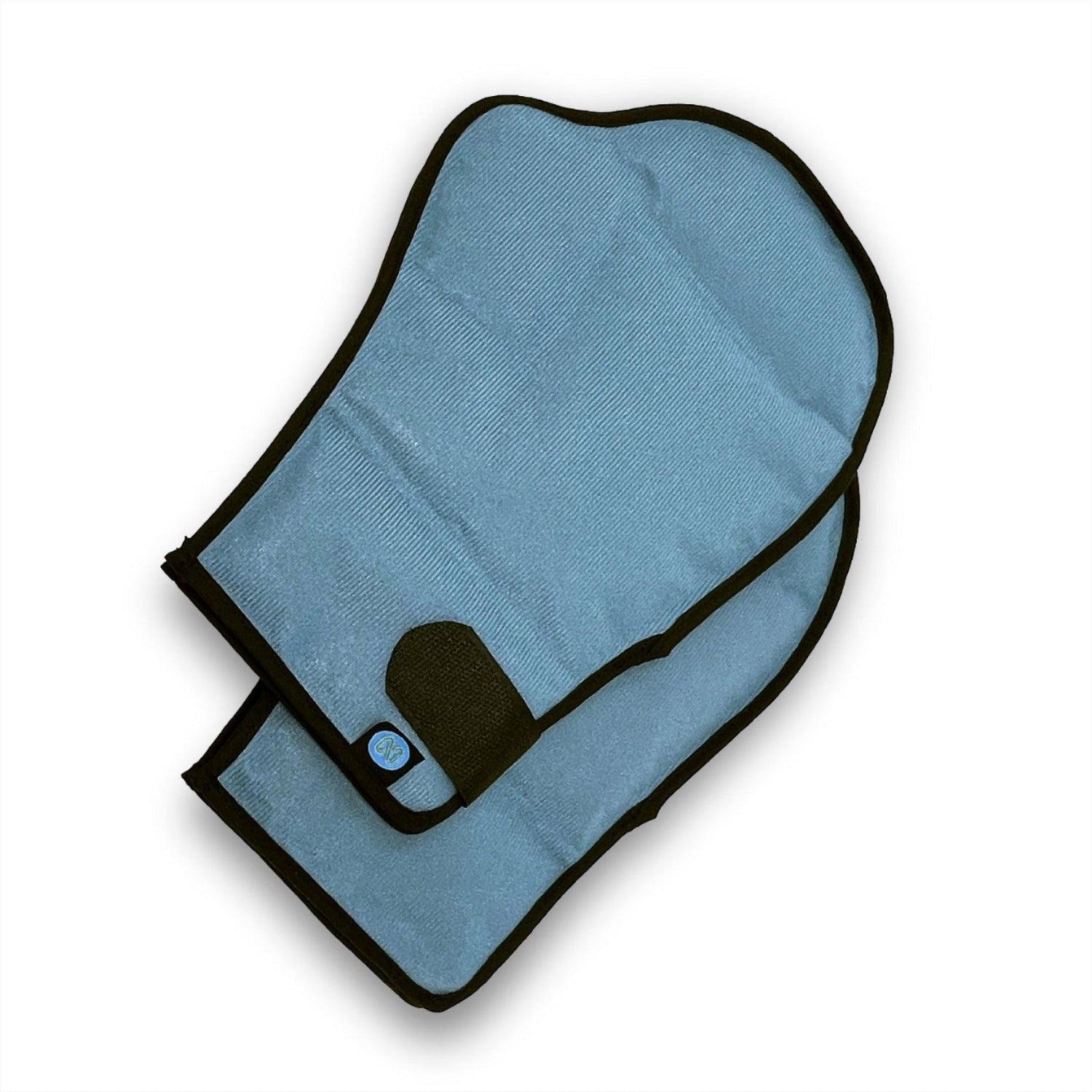
Using natural ways in your daily life can help bring relief and comfort. For cold therapy, the right tool is important. You need something easy to use and that feels good on your skin. A good tool should also help you feel better. This is why NatraCure's line of menopause cooling products can change the way you feel.
Instead of using a bag of ice that leaks or a stiff, hard ice pack, you can try our soft gel packs. They fit right on your body. You can wrap them around your knee, lay one across your lower back, or put it on your hands if they hurt. These gel packs feel good and make it easy for you to feel better. They are made to be a useful and caring part of your self-care routine.
Here is how you can use cold therapy in your home the right way:
-
Put a cold pack on the sore joint for 15 to 20 minutes each time.
-
Always put a thin towel or some barrier between the pack and your skin. This helps stop ice burn.
-
Use a cold pack when pain or swelling gets worse quickly.
-
You can try NatraCure's flexible cold therapy products for good, comfortable help right where you feel pain.
Conclusion
To sum up, it is important to know how menopause and joint pain are linked. Many women feel this pain and do not always know why it happens. When estrogen levels drop, it can cause more swelling in the body. This can make your knees and hips feel stiff and sore. You should know that you are not going through this alone. A lot of women feel the same way, but some might not see that joint pain comes from hormonal changes.
There are things you can do to help feel better without using medicine. Trying cold therapy is one way to lessen pain. This can help you feel more comfortable. If you want to manage menopause joint pain and feel better, try NatraCure’s menopause cooling products. These can be a good, gentle option that might help you feel like yourself again.
Frequently Asked Questions
Is menopause joint pain temporary or lasting?
For many women, joint pain linked to menopause gets better as the body starts to adjust to the new hormone levels after the menopause transition. But, if you do not handle it, the pain can turn into chronic pain. Tackling joint stiffness and joint pain early on helps to stop long-term problems and can also make you feel better overall.
Can hormone changes make menopause arthritis worse?
Yes, hormone changes can make menopause arthritis feel worse. When estrogen levels go down, your body loses a natural way to fight swelling. This means there can be more swelling and pain if you already have joint problems like osteoarthritis. Estrogen decline can hurt your bone health too. This is why it is even more important to take care of your bones during this time.
What are the best ways to relieve menopause-related joint pain?
The best treatment options for joint pain linked to menopause often start with simple lifestyle changes. Doing regular, low-impact physical activity can help a lot. It is also good to keep a healthy weight. Eating a diet that fights swelling in the body can make joint health better. If you need quick help when pain comes up, using cold therapy is a good way to feel better. This is a drug-free and easy way to support your joints.
What helps joint pain during menopause?
A mix of things can help with joint pain at menopause. Regular physical activity helps you keep your joints moving. If you lose weight, it can take some stress off your joints. Natural ways to feel better, like putting cold packs on your skin, can help lower swelling and pain. Eating a healthy diet is also good when you want to feel less discomfort from joint pain.
What supplements are good for menopause joint pain?
Some supplements can help support joint health. Vitamin D is needed for good bone health and to help your body absorb calcium. Omega-3 fatty acids can help cut down on inflammation. Other popular supplements like glucosamine, chondroitin, and collagen may also help, but people get different results. Always talk to your doctor before you start any new supplements.
Does taking HRT help with joint pain?
For some women, hormone replacement therapy can help with joint pain. When low estrogen levels are made better, this may help lower the swelling that causes aches and stiffness. Hormone replacement is one way to deal with menopausal symptoms. You should talk about these treatment options with your healthcare provider.
What signals the end of menopause?
Menopause means you have not had your period for a whole year. The time after menopause is called postmenopause. Some symptoms of menopause get easier for postmenopausal women when hormone levels stay steady. But things like joint pain can stay around and may need you to keep managing them.