
Key Highlights
-
Knee pain is a common issue. It can happen because of injuries, using your knee too much, or health problems like arthritis.
-
It is good to know the basic parts of your knee joint. This can help you find out what might be causing your knee pain or discomfort.
-
The causes of knee pain can include sprains in the ligaments, tears in your meniscus, tendonitis, or health problems that get worse over time, like osteoarthritis.
-
Pain relief can start at home. Some people try rest and ice. For others, medical help and physical therapy may work better.
-
If your knee pain is severe or will not go away, and you see swelling or feel that your knee is unsteady, you should see a doctor. In some cases, knee replacement surgery might be needed.
Introduction
Getting back into an exercise routine can feel exciting. But what do you do when you start to feel knee pain that you did not expect? A lot of people feel this problem, no matter their age or how fit they are. A dull ache or a sharp touch of joint pain in your knees can make you feel upset. This guide will help you feel better by showing you why you have this discomfort. It can be from something small, like a minor strain, or something that leads to chronic knee pain. You will find good, simple tips here to help you feel better and start doing your activities again in a safe way.
Understanding Knee Pain
Knee pain can show up in different forms based on what is causing it. You may feel a dull pain that sticks around. Sometimes, it can feel like a sharp stab. The discomfort might stay in one place. Other times, you may feel it in the whole joint. Knowing the types of knee pain is the first thing you can do to find out what helps.
The knee is a complex joint that helps you move every day. Because of this, there can be many different knee problems. If you learn more about how the knee is built and how it works, you may understand why you feel pain. Let’s look at the knee’s parts and see how these can lead to some common issues.
Basic Knee Anatomy and Its Function
The knee is the biggest joint in your body. It is where the thighbone and shinbone connect. The kneecap is also called the patella. It sits in a groove at the front of the knee. The kneecap helps protect your knee and gives power to your muscles.
This part of your body helps support your weight every day. It lets you walk, run, and jump without any trouble.
The ends of these bones have a smooth and slippery layer called knee cartilage. This cartilage helps the bones move against each other without rubbing or pain. There are also two C-shaped pieces called the meniscus in the knee. The meniscus is made of tough, rubbery cartilage and sits between your thighbone and shinbone. It acts like a soft cushion or shock absorber for your knee.
Strong bands called ligaments join the bones in your knee joint and keep them stable. There are also tendons, which are tough bands that join the muscles to your bones. These help you move the knee joint. If any of the ligaments or tendons get hurt or swell up, you can feel pain or discomfort in the knee joint.
How Knee Structure Influences Pain
Where you feel knee pain can often show what part of your knee has a problem. The kind of knee pain you get can also tell your doctor more. For example, an injury to the anterior cruciate ligament, or ACL, can happen when you play sports that need you to stop or turn quickly. The ACL is one of the main ligaments. It helps keep your knee steady. When you hurt your ACL, you may feel that your knee is not strong. Sometimes, it feels like the knee might give out.
Pain that you feel along the joint line, especially when you twist, can mean there is a tear in the meniscus. The meniscus is a C-shaped piece of knee cartilage. It can get hurt if you turn your knee suddenly while there is weight on it. This can make your knee feel like it catches or locks. There may also be pain when this happens.
Different types of knee pain often happen when cartilage slowly wears down. This can lead to problems like osteoarthritis. When you understand how each part of the knee works, you can better find where your discomfort is coming from. This also helps you choose the right way to treat knee pain.
Common Causes of Knee Pain
Knee pain is a common issue that many people have. There can be many reasons for it. You may feel pain in your knee joint because of a sudden injury, a problem inside the joint, or some health condition. A lot of the time, knee pain starts when you put too much stress on your knee joint. Getting older can also cause pain in this part of your body.
Finding out what is causing knee pain is important to treat it well. There are many types of knee conditions. Some happen because of ligament sprains or cartilage tears. Others come from different forms of arthritis. The next parts will talk about injury pain, knee problems that come with age, and pain that starts when you do some things. This will help you know more about knee pain, causes of knee pain, arthritis, cartilage issues, discomfort, and sprains.
Injury-Related Knee Pain (Sprains, Tears, Trauma)
A sudden injury or trauma is one of the main reasons why you may feel knee pain. This type of pain can feel sharp and come on fast. There may be swelling or you might hear a popping sound when it happens. This often takes place during sports, a fall, or when you have an accident. It can affect the ligaments, tendons, or cartilage in your knee.
If your pain came on all at once after something happened, it is probably from an injury. A medical problem be more slow to start. It may feel like aching or you feel stiffness in your knee. Here are some common knee injuries:
-
ACL Injury: A tear of the anterior cruciate ligament (ACL) happens a lot in sports. You get it when you stop or change direction suddenly.
-
Torn Meniscus: This is damage to the cartilage called meniscus. The meniscus is tough and rubbery, and it helps absorb shock in your knee. A torn meniscus often happens when your knee twists all of a sudden.
-
Fractures: If you fall or get a hard hit, the bones in your knee can break.
These injuries can mess with how steady the knee is. A doctor or health expert will need to check the knee to see how bad the damage is. If you feel pain from an injury, that is the body's way of telling you to stop and get it checked out.
Degenerative Conditions (Arthritis, Cartilage Loss)
At times, knee pain does not start because of an injury. It can happen from a problem that grows slowly over time. Arthritis is one of the main reasons for this kind of knee pain. The most common type is osteoarthritis. This is known as a "wear-and-tear" problem. It happens when the cartilage that protects the ends of your bones gets worn down as you use your joint or get older.
Another type is rheumatoid arthritis. In this condition, the body’s immune system attacks the joints, also in the knees. This can bring on inflammation, swelling, and pain. These problems can get worse or feel better at different times. Rheumatoid arthritis is not like osteoarthritis, as it can show up at any age. A person can feel it in more than one joint.
If you feel a dull ache in your knee that gets worse in the morning or after you have been still for a while, and you also notice swelling or feel stiff, this could mean you have arthritis. A healthcare provider can check your knee and find out what kind of arthritis you have. They can also help you make a plan to manage your knee pain, swelling, and stiffness.
Overuse and Activity-Induced Pain
Restarting or doing more physical activity can cause knee pain. This may happen when you use your knee too much. Doing the same move again and again can strain your knee. This may lead to inflammation and discomfort. A lot of people feel this, especially runners, cyclists, or those whose jobs need many knee movements. Overuse from these activities often makes knee pain worse.
This type of pain is often a dull ache. It gets worse when you move or do things. It is not like a sharp injury and does not happen all at once. Over time, it gets worse. A few common problems from overuse are:
-
Patellofemoral pain syndrome: Many call this "runner's knee." It happens when you feel pain between your kneecap and thighbone. This issue affects the knee joint.
-
Tendonitis: This is swelling in the tendons. Tendons are the strong, stretchy bands that link muscle to bone. A common type is patellar tendonitis, which is also known as "jumper's knee."
-
Bursitis: This is swelling in the bursae. The bursae are small, soft pouches filled with fluid. They help cushion the knee joint and are found near your kneecap.
You should listen to your body and not keep going if you feel pain. This is important to stop overuse problems from turning into long-lasting issues. The right training and good form can also help lower your risk.
Symptoms to Watch For in Knee Pain
Knee pain can feel different from one person to the next. Where you feel the pain and how strong it is can change. Other signs can help you figure out what is wrong. You may feel stiffness, which makes it hard to bend or straighten your knee. There might also be swelling you can see around the joint.
Other signs to look for are redness and if the skin feels warm when you touch it. These can point to inflammation or an infection. You might hear a popping or crunching sound when you move your knee. A feeling of weakness or your knee not being stable can happen, too. You should pay attention to these things. They can help you know if your knee discomfort means you need to see a doctor.
Signs Your Knee Pain Is Serious
You can take care of many types of knee pain at home. But, some signs show there could be something serious. If you feel severe pain that does not get better with rest, or it keeps you from doing your daily tasks, you need to see a doctor. Swelling that is bad or if your knee or leg looks different than before are things you should not ignore. Problems like these with your knee pain can mean you should get help right away.
If you feel like you can't put weight on your knee, or the joint feels shaky and might give out, this could mean there is a serious problem. A ligament tear could be the cause. If knee pain or persistent knee pain lasts more than a few days, even if it is not strong, you should get it checked. This will help stop more damage to the knee joint.
Look out for these serious symptoms:
-
A lot of swelling in the knee that comes up fast.
-
You cannot fully bend or straighten your knee.
-
You feel hot and have pain with swelling and redness, along with a fever.
-
Severe pain that happens with an injury.
If you have any of these symptoms, it is good to talk to a doctor. A doctor can give you the right diagnosis and treatment plan.
Difference Between Acute and Chronic Symptoms
The biggest difference between acute and chronic knee pain is how long the symptoms last and how they start. Acute knee pain comes on fast. It is often caused by a clear injury, like you fall or twist your knee while playing sports. This type of pain is sharp, and you may also see swelling or bruising right away. Most of the time, this type of pain goes away on its own as the injury heals.
If you or someone you know wants to know more about the type of pain and what swelling can mean with knee pain, talking to a doctor can help.
Chronic knee pain goes on for a long time, often three months or more. It can begin slowly and then get worse as time goes by. People say this type of pain feels like a dull ache or a steady, throbbing pain. It is often because of things like arthritis or overuse of the knee.
Being able to tell the difference between the two can help you find out what the cause is. An injury often causes sudden knee pain. A health problem can cause chronic knee pain. Managing chronic knee pain is very important. It can have a big effect on your quality of life.
Factors That Increase Your Risk for Knee Pain
There are several things that can make you more likely to have knee problems. Some things you can change, and some you cannot. For example, if you have extra body weight, it puts more pressure on your knee joints. This can make the cartilage wear out faster and raise your risk of knee arthritis.
Your daily habits can have a big effect on your knee pain. If you do not have enough muscle strength and are not flexible, your knees can be at risk for hurting or getting hurt. In the next sections, we will talk about how your body weight and what you do every day can lead to knee pain.
The Impact of Weight and Lifestyle Habits
Having extra weight is a big reason that people get knee pain. If you are overweight, there is more pressure on your knee every time you walk or go up the stairs. This extra weight can put stress on your knee joints and wear down the cartilage. Over time, this makes you more likely to get joint pain or problems like osteoarthritis. It is good to know that keeping your weight in a healthy range can help your knees feel better.
Keeping a healthy weight is one of the best things you can do for your knees. If you gain even one extra pound, there will be more stress on your joints. Losing a small amount of weight can take pressure off your knees. This can help lower pain, bring down inflammation, and make your quality of life better.
Excess weight puts more force on your knees. This happens in many ways when you do different things:
|
Activity |
Additional Force on Knees Per Pound of Excess Weight |
|---|---|
|
Walking on a flat surface |
3 to 4 pounds |
|
Going up or down stairs |
4 to 6 pounds |
|
Squatting to tie a shoe |
7 to 8 pounds |
Activities and Sports Commonly Linked to Knee Injuries
Some kinds of physical activity and sports put more pressure on your knees. This makes you more likely to get an injury. Sports that make you jump, stop fast, or turn quickly often cause knee trouble. Jobs that make you use your knees over and over, like working in construction or on a farm, can also make the risk higher.
The tough band of tissue that goes from your hip to your outer knee can get tight. When this happens, it may rub against your thighbone. A lot of people who run long distances or ride bikes feel this. Also, if you jump often or turn quickly, you might hurt the ligaments that help keep your kneecap in place.
Some activities that are often linked to knee injuries are:
-
Basketball, soccer, and a few more sports make people move fast, turn, and go in other ways quickly.
-
Running and jogging put a lot of stress on your joints again and again.
-
Alpine skiing has hard boots, and there is a chance that you could fall.
Good conditioning, the right technique, and enough recovery time can help lower the risk that comes with these activities.
Diagnosis and When to Seek Medical Attention
If you have knee pain that does not go away, feels very bad, or makes it hard for you to do things every day, the best option is to get medical advice. Some small aches in your knee can get better at home. But, getting the right diagnosis is important for the right treatment and to stop more harm later. A healthcare professional can find out what causes your pain.
If your knee pain is getting worse or you have had a big injury, do not wait to see a doctor. A doctor can help find what is wrong. In the next parts, we talk about how pros look at knee pain. We also let you know when it is very key to see your doctor.
How Healthcare Professionals Assess Knee Pain
When you see a healthcare professional for knee pain, the first thing they will do is ask about your medical history. They will also talk to you about your symptoms. They will want to know where you feel the pain and what it feels like. The doctor will ask what makes the pain feel better or worse, too. This helps them figure out what might be causing your knee pain.
Next, they will look at your knee joint to check its condition. They will look for things like swelling, tenderness, and redness. The doctor will ask you to bend and straighten your knee. They want to see how your knee and ligaments move. The doctor may also watch you walk to see how your knee works and moves during daily life.
Sometimes, doctors need imaging tests to be sure about what is wrong. X-rays can help them see fractures and show signs of arthritis. An MRI gives clear pictures of the soft tissues in the body, like ligaments, tendons, and cartilage. After they get the results, they may suggest physical therapy, or they may tell you to see a specialist.
When You Should Consult a Doctor
It can be tough to tell when knee pain means you need to see a doctor. But there are signs you should not ignore. If you feel severe pain that does not go away with rest or over-the-counter medicine, it is important to get medical advice. A doctor can help find out what is wrong and give you the right care for your knee pain.
If you have knee pain that does not go away after a few days or starts to affect your everyday life, you should see a doctor. Do not wait too long, because this can sometimes make the problem worse or harm the joint. A doctor will talk with you about the best treatment for your knee pain. The doctor may suggest physical therapy, injections, or other options to help you feel better.
You should call your doctor if you:
-
You can't stand on your knee or feel like it might give out.
-
You see a lot of knee swelling or notice that your knee looks different.
-
You are not able to straighten or bend your knee all the way.
Getting quick medical help can help people get better faster and feel well soon.
Solutions and Relief for Knee Pain
Many types of knee pain can feel better with self-care and home remedies. Simple steps can give you good pain relief. They can help you get back to your day. For knee osteoarthritis, using more than one way to feel better often works best.
From rest and ice to light exercises and using compression wraps, there are several ways to help with knee pain. You can also try knee braces for extra support and to feel more steady as you heal. Here are some simple methods you can use at home to ease your discomfort.
Home Remedies, Exercises, and Compression Therapy
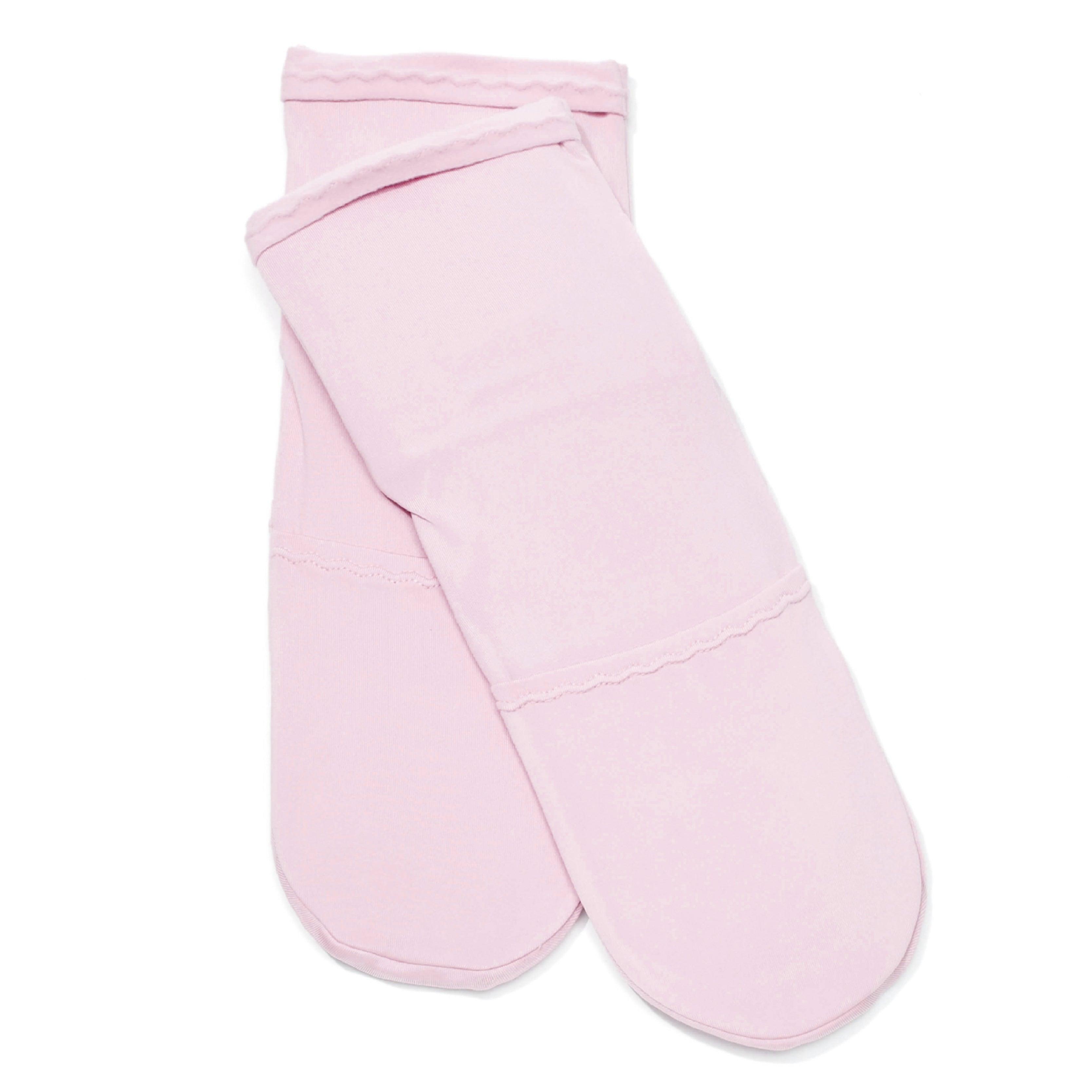
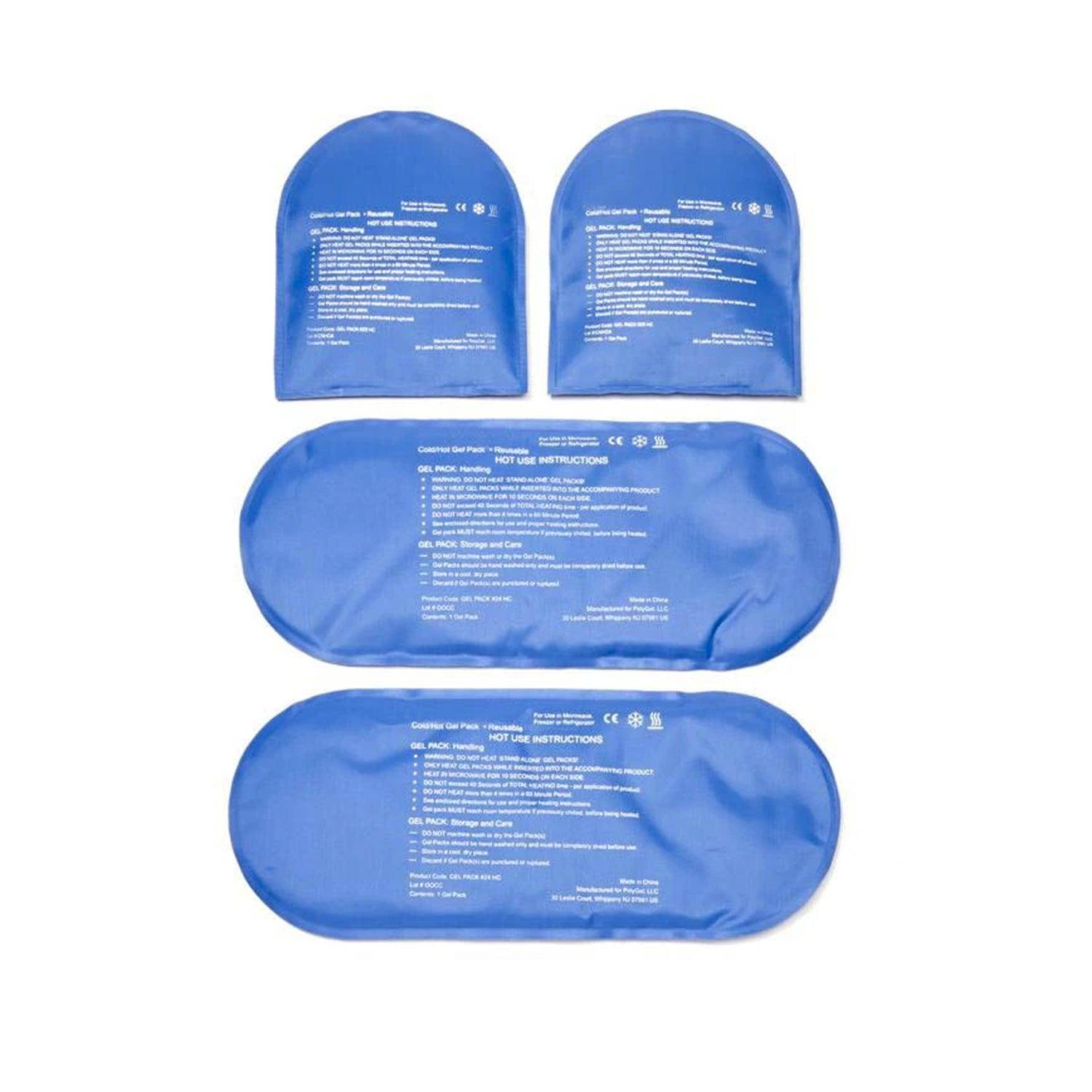
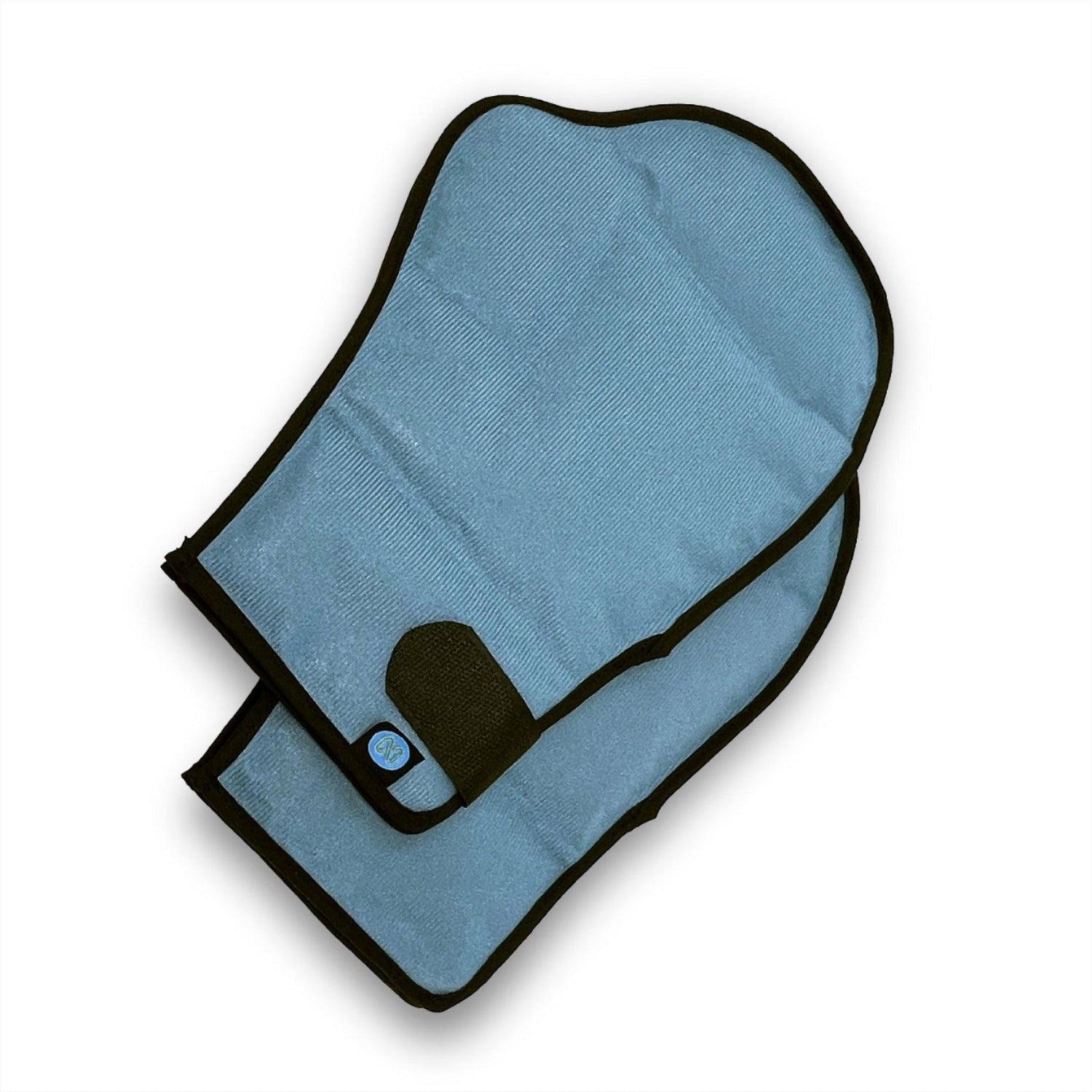
For quick pain relief, a lot of people use the RICE method. This stands for Rest, Ice, Compression, and Elevation. Rest means you stop using the knee so it can heal. Ice can help bring down swelling and cut down on inflammation. A product like NatraCure's Hot/Cold Knee Wrap can make this temperature therapy simple and help the pain feel better. Compression therapy, like the NatraCure Cold Therapy Compression Sleeve, can help lower swelling, too.
These steps can work well to bring pain relief and help with swelling and inflammation.
Gentle exercise and stretching are very important for long-term relief. When you make the muscles around your knee stronger, especially the quadriceps and hamstrings, they give better support to your joint. A physical therapy program can show you exercises that fit your needs. For pain, you can try over-the-counter NSAIDs. Medications like ibuprofen are often used to help with pain.
Consider these key strategies for home care:
-
RICE Method: Take time to rest your knee. Put ice on it. Wrap your knee with compression. Put your leg up.
-
Strengthening Exercises: Work on the muscles that help support your knee.
-
Stretching: Do stretching to help your knee move better and feel less stiff.
-
Supportive Devices: Use knee braces if you need extra support when you are active.
Conclusion
To sum up, it is important to know about knee pain when you start to exercise again. This helps you stay safe and make good progress in your fitness journey. When you spot common causes and signs of knee pain, you can act early to look after your knees. You can try home tips and do the right exercises to feel better. You can also think about compression therapy with things like NatraCure's Hot/Cold Knee Wrap. These can help ease discomfort and let your knee feel better.
Putting your knee health first helps you stay active and avoid problems later. If you want advice for your knee pain or need to talk about what treatment is right for you, feel free to check our services or book a time with us.
Frequently Asked Questions
Is knee pain common among young adults?
Yes, knee pain is a common issue for young adults. It often comes from too much physical activity, sports injuries, or problems like patellofemoral pain syndrome. People usually think joint pain happens only as you get older. But it can show up at any age, especially for those who stay active or play sports.
Are hot/cold knee wraps effective for relief?
Hot and cold wraps can help a lot when you have knee pain. You can use a cold wrap to bring down swelling or inflammation. This is good right after you hurt your knee or after you are active. A hot wrap can feel good if you have stiff joints or your muscles are sore. This is helpful when you deal with chronic knee pain, like in arthritis. Both hot and cold wraps are useful tools for pain relief.
Could arthritis be the cause of my knee pain?
Yes, arthritis can often be the reason for knee pain. You may feel knee pain and joint pain that does not go away. There can also be swelling and stiffness in your knee. Osteoarthritis is a common form of arthritis where the joint wears out over time. If you think you have arthritis, you should see a doctor. A doctor can tell you for sure and give you the right treatment.
What does it mean when both knees hurt?
When both knees hurt, it can mean there is a problem in the whole body and not just from one injury. Problems like osteoarthritis or rheumatoid arthritis often cause knee pain in both legs. A lot of inflammation or doing the same activity over and over can also lead to chronic knee pain in the joints.
Could arthritis be a reason why my knees hurt?
Yes, arthritis is one of the biggest reasons for knee pain. This can be from osteoarthritis or rheumatoid arthritis. Both of these cause swelling and hurt the cartilage in your knees, so you feel pain. It is a good idea to find out what kind you have as the first step. This will help you get the best plan for pain relief and for controlling the arthritis.
How is knee pain diagnosed by a healthcare professional?
A healthcare professional will find out what is causing your knee problems by doing a physical exam and looking at your medical history. They might also use pictures like X-rays or MRIs to get more information. Based on what they find, they can tell you the best treatment. You may get physical therapy, medicine, or other ways to feel better.
Are there home remedies or exercises to help relieve knee pain?
Yes, you can try some home tips like resting, putting ice on your knee, and wrapping it with a bandage. These ideas help with pain relief. It is also good to do simple exercises to make the muscles around your knee stronger. If you want a plan just for you, talk to a physical therapy expert. They know how to help with your knee pain in the best way.
When should I see a doctor about knee pain?
You should visit a doctor if your knee pain stays for more than a few days. If you feel severe pain in the knee with a lot of swelling or your knee feels weak, it is important to get medical advice. Also, if you cannot stand or put weight on the leg, you need to talk to a doctor. This helps you get the right idea about what is wrong and can stop your injury from getting worse.
What daily habits could be making my knee pain worse?
Wearing shoes that do not support your feet can make knee pain worse. Sitting too long with your knees bent is also not good for your knees. Doing a lot of physical activity with bad form can hurt your knees some more. Overuse and not sitting or standing well add extra strain to your knees, making joint pain feel even worse.
Is it normal to have knee pain at a young age?
Many people feel knee pain when they are young. This is not good, but it happens often. The pain is often from overuse, playing sports, doing a lot of physical activity, or from growing fast. Some people can also feel pain because they have certain conditions that affect the joint. If you take care of joint pain early, you can stop bigger problems in the future.
Can being overweight or doing certain activities cause my knees to hurt?
Yes, when you are overweight, it can put more stress on your knees. This may lead to joint pain and inflammation. Some high-impact things you do, such as running or jumping, can also raise the risk of knee pain. It helps to keep a healthy weight and move in the right way to protect your joints.
What symptoms should I watch for to know if my knee pain is serious?
Serious signs of knee pain can be easy to spot. You may feel severe pain that will not go down, have a lot of swelling, or feel like you cannot stand at all. Sometimes, the knee may feel like it is locked or just gives out. If you have knee pain that is sharp or feel any of these signs, you should get medical help right away. It is very important to not wait if these things happen to your knee.
How can I tell if my knee pain is caused by an injury or a medical condition?
Pain from an injury often comes on fast. It is sharp and starts right after something happens. Pain from a medical problem, like arthritis, shows up slowly over time. It may feel like a dull ache and there could be stiffness. The best way to know for sure is to get checked by a doctor.
What are the most common causes of knee pain?
The main causes of knee pain are injury, overuse, and arthritis. Injuries such as ligament tears can cause pain. Overuse, like tendonitis, can lead to problems in the knee. Arthritis is also one of the top causes of knee pain. Osteoarthritis is the most common type of arthritis and is a big reason for chronic knee pain. This happens when there is wear and tear on the cartilage in the joint over years.