
Key Highlights
-
If you feel hip pain when you walk, it can come from many problems. These include things like arthritis, hip bursitis, or getting hurt in the hip joint.
-
To find out why the pain is there, it helps to know about the hip muscles and the socket joint. This can help people see what is causing the pain.
-
There are several causes. Some are things like tendonitis that makes the area swell. Some belong to the hip itself, like a hip labral tear or hip impingement.
-
It is important to see the signs that show something serious could be happening. Knowing these signs helps people get fast medical care and keeps bigger problems from starting.
-
A good way to feel better is with cold therapy. Cold therapy lowers pain in the affected area by making swelling go down and numbing the spot.
-
You can help manage hip pain in several ways. You can do exercises, make lifestyle changes, and sometimes your doctor might want you to try physical therapy or think about surgical intervention for the hip joint.
Introduction
Does it feel hard to go for a simple walk because of hip pain? You are not the only one going through this. Pain in the hip joint can make walking or any physical activity feel tough. It can also take away joy from your day and affect your daily life. This kind of pain can change how you feel and keep you from doing things you love. The first step to getting pain relief is to learn about the most common things that cause hip pain when you walk. This guide helps you know what may cause the discomfort and shows you some treatment options that could help. With this, you can get back to your favorite activities.
Understanding Hip Anatomy and Function
Your hip is a great part of your body. It works like a big ball-and-socket joint. This joint holds your weight and helps you move in many ways. The ball is at the top of your thigh bone. It fits well into the socket in your hip bone. This setup lets you have a wide range of motion.
The hip muscles are strong. They work with the hip flexors. These muscles help you walk, run, or climb. When you know how they work together, you can figure out why you feel pain.
Key Structures of the Hip Joint
The hip joint has a few main parts that all work together. At the center is the socket joint. Here, the top of your thigh bone sits inside the hip socket. This setup lets your hip move easily in many ways. Around the hip joint, there is a ring of cartilage called the labrum. The labrum makes the hip socket a bit deeper and helps keep the thigh bone in place.
The hip joint is surrounded by strong hip muscles and tendons. These give the power needed for movement and keep your hip steady. The hip muscles help you lift your leg and turn your hip from side to side. A soft, smooth tissue called cartilage covers the bones. This stops them from rubbing against each other.
When the bones, cartilage, or soft tissues around your hip are hurt or sore, you may feel hip pain. A common reason for hip pain when you walk is arthritis. Arthritis can wear down the cartilage in the hip. Another reason is bursitis. Bursitis means the sacs that cushion your joint get swollen.
How the Hip Supports Walking and Movement
Walking may look easy, but there is a lot going on in the body when you do it. A big part of walking is the way your hips move. Each step depends on the hip joint moving in a set range of motion. The hips hold up your body and help you move forward. Your hip muscles do a lot of work here. The hip flexors and glutes are the main ones that make this motion happen.
When you walk, one leg moves forward, and the other leg holds your weight. The hip joint needs to be steady and also move well for this to happen. The hip muscles work together, as they tighten and loosen, to raise your leg, stretch it, and help you push away from the floor. This process helps you walk in a smooth and easy way.
If you feel hip pain after you walk for some time, it may be from muscle tiredness or swelling because of doing the same motion again and again. It can also happen if you have a problem like arthritis that gets worse when you do physical activity. When there is stress on your hip bone and joint over and over, it can make any problem bigger and cause more pain as time goes by.
Why Does Hip Pain Occur When Walking?
Hip pain that gets worse when you walk usually means there is an issue that becomes more painful with movement and carrying your own weight. A lot of daily activities can put stress on the hip joint. If there is even a small problem, all this pressure can feel painful. The pain can come either from the hip joint or from the hip muscles around it.
Many times, things like arthritis, bursitis, or a hip flexor strain can be the reason for your pain. It is important to find the underlying cause, so you can get the right care and feel better walking again. Now, let’s go over some ways you move or habits you have that might make the pain feel worse.
Common Patterns and Risk Factors
Hip pain can show up in different ways. Some people get a strong, fast pain when they take their first steps. Others feel a dull pain that gets worse as they walk more. The pain can come from things that make the hip weak or cause it to break down. If you pay attention to the way hip pain starts, it can help you find out what is causing it.
There are several things that can make it more likely for you to have hip pain. These things include:
-
Age: The chance of getting hip arthritis goes up as people get older because the cartilage wears down with time.
-
Obesity: Having too much weight puts extra stress on the hips.
-
Previous Injuries: If you had hurt your hip before, you could be at risk for more problems later.
-
Repetitive Activities: Doing high-impact sports or jobs may cause overuse injuries, such as hip bursitis or hip impingement.
Pain that gets worse when you walk is common. A lot of people feel it. This can happen because the same movements over and over can bother the part of the hip that is already sore. Weak muscles can also be the reason, as they may not support the joint well. This leads to pain. If you walk uphill or go up stairs, you might feel the hip pain get worse. These movements put more stress on the hip. People feel pain because of this repetitive motion and extra strain on the area that is already hurting.
Movements That Can Worsen Hip Pain During Walking
Not all walking is the same for hip pain. Some movements and places where you walk can put a lot of stress on your hip joint and the hip muscles. This can make your daily activities feel more painful. If you have something like a hip flexor strain, these movements can also make your hip feel much worse.
Knowing what things to watch for can help you handle your discomfort. Notice how your body feels when you do these things:
-
Walk uphill or climb stairs. This needs more work from your hip flexors.
-
Pivot or twist fast. This can hurt the joint and things around it.
-
Walk on uneven ground. This makes your hip work more to stay steady.
Doing the same movement over and over can cause pain and swelling, especially if your joint is not healthy. If you know what things start your pain, you can change how you do things. For example, you can walk on flat ground or use the elevator instead of stairs to give your hips some rest. Use this way to help with the pain that comes from repetitive motion.
Most Common Causes of Hip Pain When Walking
Many things can cause hip pain when you walk. Some common reasons are chronic diseases or sudden injuries. Often, the causes are hip arthritis, hip bursitis, a hip labral tear, or hip impingement. These hip problems each have their own signs. They also need their own type of care and treatment.
Finding the underlying cause is key to handling the problem in a good way. In some severe cases, if you feel pain all the time, you may end up needing a hip replacement. Below, we will look at some common causes. This will help you understand what could be behind your pain.
Hip Arthritis and Its Symptoms
Hip arthritis is a key cause of hip pain, mainly in older people. The most common type is osteoarthritis. This is a "wear-and-tear" problem that happens when the cartilage in the hip joint wears out as time goes by. When this happens, the bones move against each other. This often causes pain and makes the hip feel stiff. People can also have less range of motion in the hip.
There is another kind called rheumatoid arthritis. In this type, the body's own defense system attacks the lining of the hip joint. This can lead to more hip pain and problems with movement too.
Some signs of hip pain often feel like a dull ache. You may feel this pain in your hip joint, groin, outer thigh, or buttocks. The pain usually gets worse when you move more. It may get better when you rest. You might feel stiff when you wake up in the morning or after you sit for a long time. You can also feel a grinding or crunching feel in your hip joint when you move.
If you think you might have arthritis, a physical therapist can help. They can show you exercises that make your body more flexible and strong. There is no cure right now for arthritis. But, there are many ways to make the pain feel better and help you keep your quality of life. Hip pain when you walk can be a sign of arthritis.
Hip Bursitis: Causes and Signs
Hip bursitis happens when the small fluid-filled sacs called bursae in your hip get swollen. These sacs help cushion the bones and tendons near the hip. This swelling often starts because of doing the same things over and over again or putting too much stress on your hip. The most common kind is trochanteric bursitis, which affects the bursa on the outer side of your hip. Hip bursitis can cause pain and make it hard to move, and doing repetitive activities can make it worse.
The main sign of hip bursitis is a sharp pain on the outer hip. This pain can get worse if you sit too long or lie on the affected side. The spot may feel sore when you touch it. Walking can make it feel even worse, especially if you walk on a treadmill or go up stairs. The repetitive motion is what tends to bother the outer hip and the affected side the most.
Treatments for hip pain when you walk because of bursitis often include rest, some anti-inflammatory medicine, and physical therapy. If hip pain keeps coming back and does not get better, the doctor may suggest corticosteroid injections to help lower swelling. Walking on a treadmill can help your overall health, but if you do not use it right, it can make bursitis worse. It is best to ask a doctor or another professional for advice.
Hip Labral Tears and Impingement
A hip labral tear happens when the ring of cartilage around the edge of your hip socket gets damaged. This can be caused by doing the same movements again and again, an injury, or the way your bones are shaped.
Hip impingement, or femoroacetabular impingement, is when there are unusual bone bumps on your hip bones. These bumps rub together when you move, and this rubbing can hurt and also damage the labrum in your hip socket.
Both hip impingement and a hip labral tear can give you pain and make it hard for you to move your hip well.
Both of these problems can often cause hip pain when you walk. They can also make your hip feel like it is locking, clicking, or catching. The pain is usually deep in your groin. Treatment for hip pain can include rest and physical therapy. Some people may need a minimally invasive procedure called hip arthroscopy to fix the problem.
There are three types of FAI. Each type happens because of a different kind of bone growth.
|
Impingement Type |
Description |
|---|---|
|
Pincer |
A bone growth extends over the normal rim of the hip socket. |
|
Cam |
A bone growth on the head of the femur grinds against the cartilage. |
|
Combined |
Both Pincer and Cam types are present. |
Recognizing Serious Hip Pain
While many people can treat hip pain with simple home care, there are times when it points to a bigger problem. It's good to know when your pain is not just about a small strain. Some severe cases can be serious and need quick medical help. This can help stop any lasting problems or issues with your hip.
If you have hip pain that does not go away, or if you feel groin pain, do not ignore it. This could be a sign of something serious. A doctor can look at your hip with a physical exam to find out what is wrong. If there is a lot of damage, you might need hip replacement surgery. Here are some hip pain symptoms that you should never ignore.
Warning Signs You Should Not Ignore
How do you know if your hip pain is serious? Some signs show that you may need to visit a doctor soon. If your pain comes on suddenly, is very strong, or does not get better after several days of rest, you should not ignore it. This could be a sign of a big injury or another issue that needs treatment.
You should get medical help right away if you feel hip pain and these warning signs show up with it:
-
Not able to put weight on the affected leg.
-
A popping sound when the injury happened.
-
A clear change in shape or a bone coming out.
-
Signs the hip area is infected, like having a fever, the area turning red, or feeling warm.
These signs could mean there is a serious problem like a bone break, a bad tear, or an infection in the joint. Some issues, like osteonecrosis, happen when the bone does not get enough blood flow and can cause worse groin pain over time. A physical exam will help find out what is causing the pain in severe cases.
When to Consult a Healthcare Provider
If your hip pain does not get better after a few days of home care, you should see a healthcare provider. Make an appointment if the hip pain stops you from doing daily activities like walking or sleeping. You should also see someone if it does not improve even when you use over-the-counter pain relievers.
A doctor will do a physical exam to see how well you can move and to find out where the pain is coming from. The doctor might also ask for scans or other tests. These can help see if you have broken bones, arthritis, or if there are problems with blood flow to the hip bone. Do not wait until the pain gets too bad before you look for help.
Getting the right diagnosis is the first step if you want good treatment. A healthcare provider can help you know what is best for you. You might need physical therapy, medicine, or, in some cases, hip replacement surgery. Finding help early can stop the problem from getting worse. This also means you can feel better sooner.
Cold Therapy Relief for Hip Pain
When you feel hip pain, you want fast and good relief. Cold therapy, or cryotherapy, is a simple way to help with sudden pain and swelling. If you put something cold on the affected area, you can make the pain and swelling less for a while.
This method helps by making the blood vessels smaller. This slows down the blood flow to where it hurts. It can also numb the ends of the nerves. It is an easy thing to use at home. It can give good pain relief. Let's look at how it works and the best ways to use it.
How Cold Therapy Works for Hip Pain
Cold therapy is often used for hip pain. It helps because it changes how your body reacts in the affected area. When you put a cold pack on your hip, the blood vessels get smaller. This is called vasoconstriction. It slows down blood flow to that spot. Because of this, swelling and inflammation can go down.
The cold not only helps bring down swelling, but it also gives you some pain relief. It does this because the cold numbs the nerve endings in your skin and the tissues below. This stops the pain signals from reaching your brain for a while. So, you feel less pain right away, even if it's just for a short time. This makes it easier for you to rest or do some gentle physical activity.
Using cold therapy after a walk or any other time when physical activity makes your hip pain worse can really help. This simple method can lower swelling and help you feel better after you move around. It is one of the best and easiest ways to treat hip pain that happens during walking.
Methods of Applying Cold Therapy Safely
Using cold therapy is simple. But you need to be safe to protect your skin. Do not put ice or a cold pack right on your skin. Always wrap it in a thin towel or cloth first. This adds a protective layer. This easy step helps you avoid frostbite or ice burns.
To do good home care, you should keep these easy tips in mind:
-
Place something cold on the area for 15-20 minutes at a time.
-
Let your skin feel normal again before you do it again. Wait at least an hour between each cold therapy session.
-
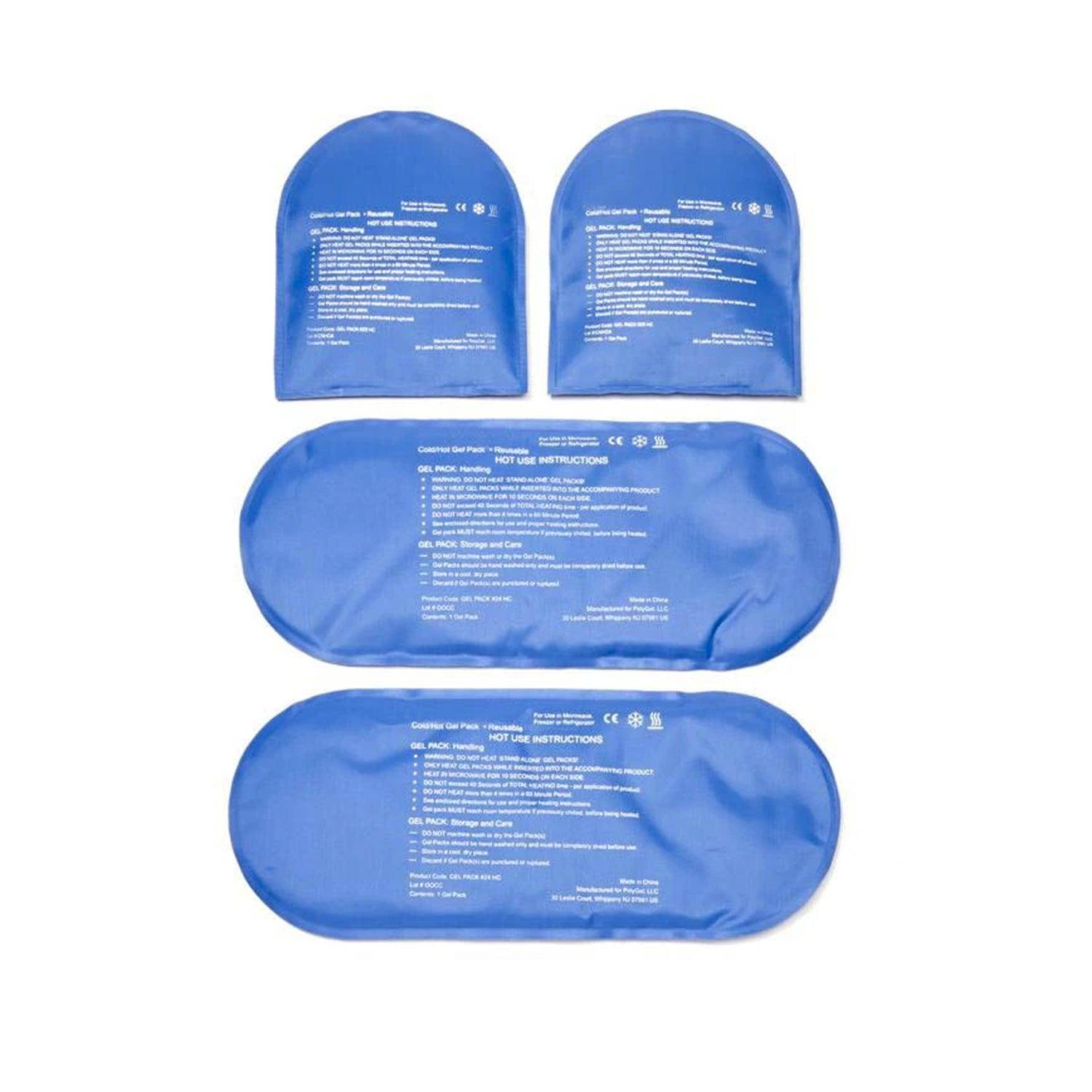
You can use a commercial cold pack, a bag of frozen vegetables, or put ice cubes in a plastic bag.
-
Cold therapy works best if you also give the area rest and take counter pain relievers for more relief.
Cold therapy can be a good way to help with sudden hip pain and swelling. But, it is only one part of dealing with this problem. The best way to feel better from hip pain depends on the underlying cause. Still, cold therapy is safe and can help you manage the symptoms at home.
Prevention and Management Strategies
Long-term prevention and the right management are very important for keeping hip pain away. It is good to have a proactive approach. This means doing targeted exercises, making smart lifestyle changes, and knowing your body's limits. This can help a lot. If you make your hip muscles stronger, you can lower strain on the joint. This helps with pain relief and makes every day feel better.
The right way to deal with hip pain can help you feel good while you move. You do not need to feel scared of pain when you do physical activity. There are many treatment options that you can try. These include doing some exercises made for your hips. You also need to know when to take a break and when to keep going. Now, let’s talk about some easy and useful ways to help lower and stop hip pain.
Exercises to Reduce Hip Pain from Walking
Making your hip muscles stronger is one of the best ways to help with hip pain from walking. When your muscles are strong, they give more support to the joint. This makes you feel more steady. Strong muscles also help fix any problems that can cause pain. A physical therapy plan will often use exercises that work on these hip muscles.
Gentle exercises can help you get better range of motion. These moves can also make your hip flexors and glutes stronger. You can do them without putting too much stress on your joint. Try to add these exercises to your routine.
-
Clamshells: Lie down on one side. Keep your knees bent. Now, lift your top knee but keep your feet together.
-
Bridges: Lie on your back with both knees bent. Lift your hips up off the floor.
-
Hip Abduction: Lie down on your side. Lift your top leg up in a straight line.
These exercises help make your hip muscles stronger. This means you can walk for longer and feel less pain. It is good to start slow and pay attention to how your body feels. Stop right away if you feel any sharp pain. Doing regular and gentle physical activity is good for your hip health over time.
Is It Safe to Keep Walking With Mild Hip Pain?
If you feel some hip pain, you may ask if you should keep walking or not. In most cases, doing some light physical activity can help. It will keep the hip joint moving and your muscles strong. It is important to pay attention to how your body feels. Do not keep going if the pain gets worse or turns sharp. Walking on flat and smooth ground with low-impact steps is usually okay when you have hip pain.
But, if you feel more pain every time you walk, it is best to stop and let the affected area rest. It's wise to change what you do for now. You can make your walks shorter, walk at a slower pace, or go for a swim or a bike ride instead. Do these easier things until the pain goes away.
It is good to keep up with your daily life. But you should not do this if it puts your health at risk. If you feel hip pain that does not go away with rest and conservative treatments, you should see a healthcare professional. They can find out what is causing the pain. They will also check if it is safe for you to keep walking so you do not get more damage.
Conclusion
To sum up, knowing the reasons for hip pain when you walk is important if you want to feel better and manage it well. Hip pain can come from things like arthritis, bursitis, or other problems. When you know your symptoms and get the right help, you can really feel a difference in your quality of life. Using cold therapy for relief can help bring down swelling and lessen pain. Doing simple exercises made for your hip can also make the muscle stronger and help you move better. Your body shows you when something is wrong—don't let hip pain go for too long. If you feel unsure about your pain or want advice that fits you, it’s a good idea to talk to a healthcare provider. When you look after your hip pain, you open the door to a more active and happier life.
Frequently Asked Questions
How do I stop my hip from hurting when I walk?
To stop hip pain when you walk, you can rest for a while. Put some ice on the sore spot, and use over-the-counter pain relievers to feel better. Doing light stretches and some strengthening moves may also help. If you still feel hip pain, talk to a physical therapist. A physical therapist can talk with you about more treatment options. They can help you make a plan for physical therapy. This may give you the long-term pain relief you want.
What does it feel like to have arthritis in your hip?
Hip arthritis often brings a dull, aching hip pain. You might feel it in the groin, outer thigh, or your buttocks. The hip joint can feel stiff, and this is worse in the morning. You may not move your hip as well as before. When you move, you might feel a grinding feeling. The hip pain usually gets worse when you do things like walk or stand for a long time.
Is walking on a treadmill good for hip bursitis?
Walking on a treadmill can be good for people because it is a low-impact physical activity. But, for some, the repetitive motion can make hip bursitis or hip pain worse. If you feel hip pain while you are on the treadmill, you should stop. Think about other treatment options or talk to a professional. They can help you find a way to change your exercise routine so it does not hurt your hip.
What's the best remedy for hip pain?
The best way to help with hip pain depends on what causes it. For most people, rest, using cold packs, and doing slow exercises that help make the hip muscles stronger will give some pain relief. If your pain does not get better, a physical therapist can give you other treatment options. These may be used as part of a physical therapy plan.