
Key Highlights
Here's a quick look at what we'll cover:
-
Cold therapy is the first choice for fighting many running injuries.
-
When you use ice the right way, it helps swelling go down, and gives you pain relief.
-
You need to know how overuse injuries and acute injuries are not the same, so you can pick the right way to treat them.
-
Ice packs, gel packs, and ice baths are good for your healing process.
-
You can use cold therapy to treat things like plantar fasciitis and shin splints.
-
It is important to know if you should use cold or heat. This will help with muscle soreness and help you feel better faster.
Introduction
Every runner knows what it's like to get hurt, whether you just jog for fun or take on marathons. A pain that comes quick or one that stays for a long time can slow you down. It can keep you from training and make you feel upset. The good thing is there are easy ways you can use to feel better. Cold therapy is one of the best things you can try for pain relief. This guide will help you learn how to use cold therapy so you feel less pain and heal faster.
Why Cold Therapy Matters for Runners
When you get hurt, the body reacts with swelling. This reaction is the body's way to start the healing process. But if you have too much swelling, it can cause more pain. It can also slow down the way you feel better. Cold therapy helps by making your blood vessels smaller. This is good because it keeps the first swelling under control and cuts down on muscle soreness. Using cold therapy is a simple thing, but it can help you feel better fast.
Choosing between cold therapy and heat therapy is something many people ask about in sports medicine. A general rule is to use cold therapy (ice) for acute injuries. These kinds of injuries are new and often swollen. Ice helps numb the area and lowers blood flow. Heat therapy works best for muscle tightness and lasting stiffness before you move or exercise. Heat boosts blood flow.
We will look at the most common running injuries. We will also talk about how to treat them in the best way.
Understanding Running Injuries—Overuse vs Acute
Running injuries usually fit into two big types. One is called acute, and the other is called overuse. An acute injury comes on fast. For example, this is when you twist your ankle on a run in the woods. The pain is sharp and you feel it right away. You can point out right when you hurt the tissue. The affected area often gets puffy right after you get hurt. For pain relief and to stop swelling at this first stage, cold therapy can help a lot.
Overuse injuries do not happen all at once. They show up slowly. These chronic injuries come from doing the same thing again and again with the same part of your body. If you do not give your body enough time to rest, it can get hurt. Shin splints and runner's knee are two good examples. At first, you may feel a dull pain. Over time, this pain can get worse. Many runners get these chronic injuries because they run more miles too soon. Some also have body problems that put more stress on them.
Both types of injuries need good care, but how you treat them is not the same. For overuse injuries, cold therapy works well. It helps if you have swelling after a run. For acute injuries, cold therapy should be the first thing you do. It helps to start the healing process for this kind of pain.
How Cold Therapy Aids Injury Recovery
When you put something cold on an injured area, a few important things start to help with the healing process. The main thing that happens is your blood vessels get smaller. This is called vasoconstriction. It is very important to do this right after sports injuries. This step stops too much fluid from moving to the tissue damage spot. That, in turn, helps control swelling.
Cold therapy does more than just help with swelling. It also gives direct pain relief. When you use cold therapy on an affected area, it slows down the nerve signals there. This makes the pain feel numb for a while. You can feel comfort right away after a hard run or if you have an injury. Here’s how it helps:
-
Reduces Inflammation: When blood vessels become tighter, it helps stop too much swelling.
-
Decreases Muscle Soreness: It helps with muscle soreness and soreness that can come from hard exercise, like delayed onset muscle soreness.
-
Slows Cellular Metabolism: This keeps other healthy tissue from getting more damage after you get hurt.
It does not matter if you use an ice pack or take one of the well-known ice baths. The goal is to help your body deal with stress right away. This can also help you start to feel better and recover faster.
The Most Common Running Injuries in Runners
Running puts a lot of stress on the body, so it is common to see some injuries happen more often. A runner might feel a muscle strain that does not go away fast. Some people also get chronic pain that sticks around for a long time. When you talk to sports medicine experts, they often see things like plantar fasciitis, shin splints, and runner’s knee. These are problems that the doctor knows well because many runners get them.
Understanding these specific injuries is the first step to getting effective treatment. Each one starts in a different way and comes with its own signs. Still, most of them get better with the same thing when it comes to pain and swelling: cold therapy. Up next, we will talk about these common problems. We will show you how to know what they are and the best way to use cold on the affected area for relief.
Plantar Fasciitis and Effective Cold Therapy Approaches
Plantar fasciitis is a common reason why people feel pain in their heel, especially runners. This happens when the muscle at the bottom of your foot, called the plantar fascia, gets irritated. You will feel a sharp pain near the heel. The pain is often worse when you first get up to walk in the morning.
Yes, cold therapy is a great way to help with the pain and swelling you get from plantar fasciitis. If you put a cold pack on your heel and arch after you go for a run, this can give you a lot of pain relief. A physical therapist may also suggest some stretches and exercises to go along with using cold therapy.
For effective application, try these methods:
-
Cold Pack: Use a cold pack that bends easily, so it fits your foot’s shape. Keep it on your foot for 15 to 20 minutes.
-
Frozen Water Bottle: Put a frozen water bottle under your foot. Roll it back and forth for 5 to 10 minutes. This gives you cold therapy and a light massage at the same time.
Treating Shin Splints and Runner’s Knee with Cold Therapy
Shin splints and runner’s knee are two problems that many runners get. They often happen when you do too much, or if you make quick changes in how hard you train. Shin splints cause pain along the inside of your shinbone. Runner’s knee gives you an aching pain around or behind your kneecap. Both of these issues can feel better if you use cold therapy. Cold therapy helps with muscle soreness and brings down swelling.
For shin splints, you can put a cold pack over the sore part of your shin for 15 to 20 minutes after you go for a run. This helps to cut down the swelling in the tissue. Cold therapy is also good for knee injuries caused by running. When you wrap a cold pack around your knee, it helps lower the pain and swelling that comes with runner's knee.
Here is a short guide on how to use cold therapy for these common injuries:
|
Injury |
What It Is |
How to Apply Cold Therapy |
|---|---|---|
|
Shin Splints |
Pain along the inner edge of the tibia (shinbone). |
Apply a long cold pack along the shin for 15-20 minutes post-run. |
|
Runner's Knee |
Pain around or behind the kneecap. |
Wrap a flexible cold pack around the entire knee for 15-20 minutes. |
Practical Cold Therapy Methods for Runners
Now that you know why cold therapy works, let's look at some easy ways to use it. You don't need big or expensive gear to start. You can use an ice pack, a gel cold pack that you can use again, or a bag of frozen vegetables if you don’t have anything else at home.
Some runners say cold water therapy like ice baths can help when you feel muscle soreness all over. After a hard run, putting your legs in cold water can cool your muscles. This may help lower inflammation in a bigger part of your body. Now, we will look at these different ways to feel better, so you can pick the best option for you. We will also tell you how to stay safe when you use them.
Ice Packs, Gel Packs, and Cold Water Baths—What Works Best?
When you want to use cold therapy, you can pick from a few choices. The one that is best often depends on what you need. A normal ice pack can work well, but it tends to be lumpy. This can feel odd. It also melts and leaves a wet spot. A gel pack is another way to go. Gel packs often stay soft even when they are frozen. This means they can fit better around body parts, like your knee or ankle.
Cold water therapy, like ice baths, is a bit different. When you put your lower body in cold water, it covers more area than an ice pack can. This makes it great for full muscle recovery after you work out hard. An ice pack is good if you want to help a certain injury. But, an ice bath can help lower muscle soreness and swelling all over your legs. Cold water therapy is a good way to feel better after using your muscles a lot.
Here’s a quick comparison:
-
Ice Packs: These are good when you need to go after one spot or injury.
-
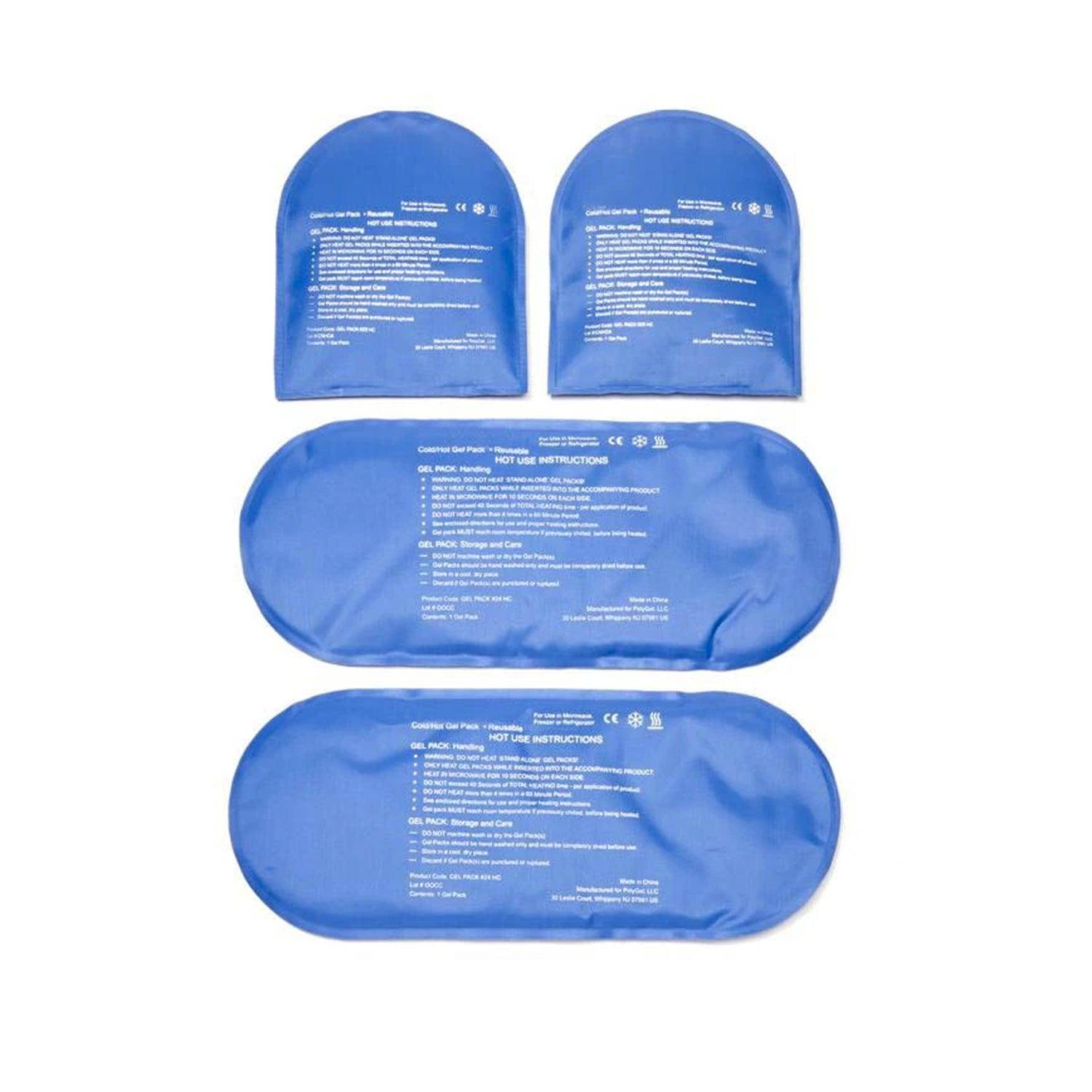
Gel Packs: These keep cold at the same level and bend easy. You will not get a mess when you use them, as they do not melt like ice does.
-
Cold Water Baths: These are good if you feel muscle soreness in more than one spot. They work well for post-run recovery and help the lower body when you need it.
How to Use Cold Compression Safely at Home
Using cold therapy can be easy, but you need to do it the right way. If you do not, you may get some risks or feel bad side effects. The biggest problem to look out for is skin damage. This may mean your skin could get frostbite. This can happen if you use too much cold or put it right on your skin for a long time.
To do cold therapy right, always put something between your skin and the cold pack. You should also keep your cold therapy sessions short.
Always wrap your ice pack or cold pack in a thin towel or cloth before you put it on the affected area. This will add a layer of protection between your skin and the cold pack. Do not put ice right on your skin. Also, keep an eye on the time. If your skin goes numb or looks bright red, you should take the pack off right away.
Follow these simple safety rules:
-
Use a Barrier: You should always put a cloth or small towel between the cold pack and your skin.
-
Limit the Time: Keep the cold pack on your skin for only 15-20 minutes at one time.
Conclusion
Cold therapy is a great tool for runners who are dealing with injuries. It helps with recovery and can make your pain feel less. The first step is to know what injury you have. Then use cold therapy in the right way. This helps you feel better and heal faster. If you have plantar fasciitis, shin splints, or runner’s knee, cold therapy can help. You need to know when to use it and how to use it the right way. This is important for your good recovery. Safety comes first, so be sure to follow the right steps when you use cold therapy. If you want help with your recovery, you can talk to our experts for a free trial or a free talk. You can start your journey to running without pain now!
Frequently Asked Questions
How long should I ice a running injury?
To get the best results, use an ice pack on the affected area for about 15 to 20 minutes at a time. This helps with pain relief and brings down swelling. Do not leave the ice pack on for more than 30 minutes, as this could slow the healing process. Keep your cold therapy short so it helps without hurting your skin.
Can I run with shin splints if I ice after?
Running when you have shin splints can make the injury worse. Using cold therapy after a run can help lower pain and muscle soreness. But, it's better to rest so your body has time to heal. If you keep running with an injury, it may take longer for you to get better. It can also turn into a bigger problem.
Is cold therapy good for plantar fasciitis?
Yes, cold therapy can really help with plantar fasciitis. If you put a cold pack on your heel and arch, it can make swelling go down. It also gives a lot of pain relief, especially after you have been on your feet for some time. This is a great way to deal with muscle soreness and pain that comes with this running injury.
How often should I use a cold pack on my knee?
If you have bad knee pain from an injury like runner's knee, you can use a cold pack on your knee 3 or 4 times a day. Each time you do cold therapy, try to keep the cold pack on for about 15 to 20 minutes. Doing this can help with muscle soreness, and it may also lower swelling during the first few days after you get hurt.
Should I ice or heat IT band syndrome?
For IT band syndrome, use an ice pack on the affected area, often the outside part of your knee, after you run. This will help bring down muscle soreness and pain. Before you start activity, heat therapy can help if you want to loosen up tight muscles. But when your run is done and you feel fresh pain, ice is the better choice for the affected area. This is the best way to help sore muscles feel better.
What's the best ice pack for running injuries?
The best ice pack is one that is soft and can wrap around the injured area, like a gel pack. This way, the cold therapy touches the whole spot you need to heal and gives good pain relief. A reusable gel ice pack that stays cold for about 20 minutes is a smart thing to have for anyone who wants to work on muscle recovery.
Is cold therapy good after running?
Yes, cold therapy after a long run is a good way to help with muscle soreness. It can also help start muscle recovery. If you need pain relief in one spot, use an ice pack. If your whole leg hurts after running, an ice bath can work well. A lot of runners feel that ice baths help lower inflammation.
Does ice help with running injuries?
Yes, using an ice pack is one of the first things you should do after getting hurt. Cold therapy is good because it can make swelling go down. It will also help numb the spot to give pain relief. The cold slows down what happens in the hurt tissue. Taking this simple step can really help the healing process for many common running injuries.