
Key Highlights
Here is a simple look at what we will talk about when it comes to toe spacers for bunions:
-
Toe spacers can be used as a simple way to help with hallux valgus. These are made to give people relief from bunion pain.
-
Some research shows that the effectiveness of toe spacers includes helping with discomfort. They can also make toes line up better, but this effect is only for a short time.
-
They can help people feel better from bunion symptoms, but toe spacers do not fix the bunion deformity at its root.
-
There are studies that show toe spacers can give good pain relief for people who have bunions that are not too bad or only mild to moderate.
-
You need to use toe spacers often if you want to see benefits from them.
-
There are also other treatment options for more serious cases, like orthotics, exercise, and surgery.
Introduction
Bunions are a foot problem called hallux valgus. They can give you a lot of foot pain and feel very uncomfortable. If you have this bony bump under your big toe, you may want to find some way to feel better. A lot of people try non-surgery choices, like toe spacers, to help with this. But do these really help? This article looks at research on toe spacers. We check if they work for handling bunion symptoms, foot pain, and if they are good for your foot health. We also see what scientists say about toe spacers and the big toe.
Understanding Bunions and Their Causes
A bunion, or hallux valgus, is a bony bump that you can see at the bottom joint of your big toe. A bunion deformity happens when there is pressure that makes your big toe lean toward the other toes. This pressure can change the normal foot alignment.
Over time, when your bones are not in line, it can cause pain and swelling. You might also find it harder to do daily activities. To manage this problem in a good way, you need to know what can cause it and what puts you at risk. In this, we will take a look at what bunions are. You will also see what factors make them happen and the most common signs they show.
What Are Bunions and How Do They Form?
A bunion is a hard bump that grows at the bottom of your big toe. Hallux valgus deformity is what doctors call this problem. It happens when the big toe moves over toward the next toe. This makes the joint of your big toe get larger and stick out. The push on the affected joint changes how your foot looks. This can hurt and feel uncomfortable.
The growth of bunions does not happen fast. It takes time for this problem to show up. A lot of pressure on the foot can change how the bones line up. A condition called metatarsus adductus, where the long bones of the foot turn in, can make things worse. This forces the big toe to move out of place and makes the bump that bunions are known for.
This hard bump can get bigger, red, and feel sore. For most people, it makes it hard to wear shoes. Walking and standing can also be tough. To deal with the pain, you need to know how they happen. This helps you find the best ways to feel better.
Key Risk Factors for Developing Bunions
There are several things that can make you more likely to get bunions. One of the biggest reasons is genetics. If your parents or grandparents had bunions, you may get them, too. The way your foot is shaped, which you can get from your family, can lead to this problem.
Another big reason you may get bunions is the shoes you wear. If you often pick shoes that are too tight, too narrow, or have high heels, these can put too much pressure on your foot. They can make your toes move in a way that is not natural. Over time, this can make a bunion show up faster.
Other things can also lead to the development of bunions. Some of these are:
-
Foot conditions: Problems like flat feet can change the way you walk and your foot alignment. This can lead to bunions.
-
Arthritis: Some types of arthritis, like rheumatoid arthritis, can make your joints swell up and change shape.
-
Foot injuries: Getting hurt on your foot can sometimes make a bunion start to grow.
Common Symptoms and Progression of Bunions
The clearest sign of bunion symptoms is seeing a bony bump at the base of the big toe. But there are other things that come with it. You may feel pain, swelling, or redness near the joint. This foot pain intensity can be different for everyone. It can feel like light pain, or it can feel worse. Sometimes, the bunion can hurt enough to stop you from doing your daily activities. The pain intensity may change from day to day. There can also be times when you feel more sore or notice more swelling.
As the condition gets worse, the bunion on your big toe can get bigger and hurt more. The progression of bunions can cause more toe deformities. For example, your big toe might start to cross over or go under your second toe. This can make it hard to find shoes that feel good on your feet. It can also lead to other problems, such as corns or calluses, because the toes rub against each other or your shoes.
Over time, a bad bunion can make your big toe stiff. This makes it hard to bend your big toe when you walk. So, you may find it tough to walk the way you used to and enjoy physical activities. It is good to take care of symptoms early to slow things down.
Toe Spacers Explained
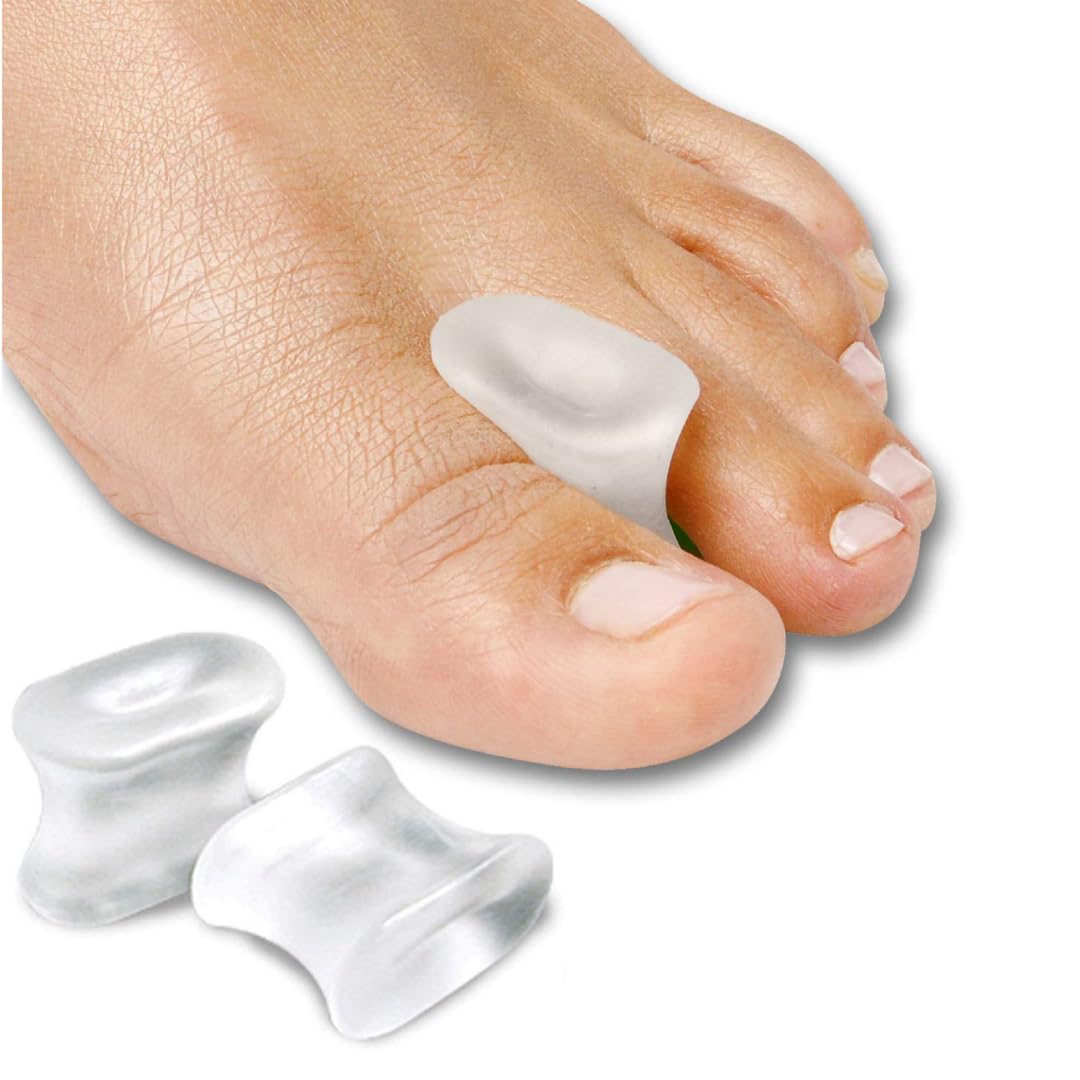
Toe spacers are sometimes called toe separators or a type of hallux valgus orthosis. You put them between your toes. They are made from soft gel or silicone. The job of these toe spacers is to create space. This can help to line up your toes better and take pressure off them.
These toe spacers are used by people who want help with hallux valgus. A hallux valgus orthosis like this gives your toes a little space so they feel better.
The main goal of these devices is to help lower the pain that comes with bunions. The benefits of toe spacers are pain relief and better toe alignment when you have them on. Let's look at what toe spacers are, what types you can get, and why people use them for bunion pain relief.
What Are Toe Spacers and How Do They Work?
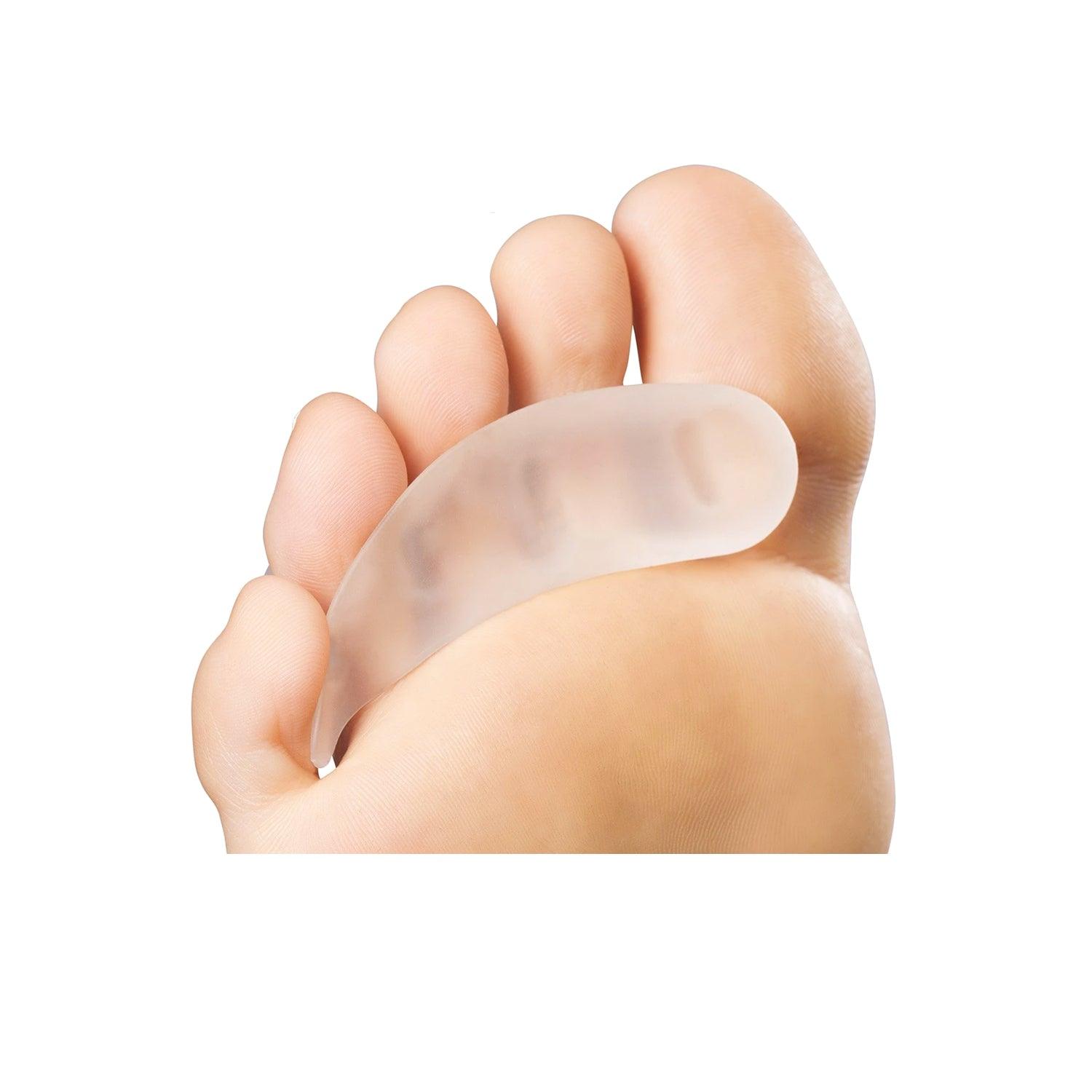
Toe spacers are small inserts made from soft stuff like silicone, gel, or foam. You put them between your toes, and they help to keep your toes apart in a gentle way. The main use for people with hallux valgus is to help line up the big toe right and stop it from pressing against the other toes.
By making space between your toes, toe spacers help to lower pressure on the affected joint and the soft tissue nearby. This can help you feel less pain and swelling if you have a bunion. The device helps your foot get back to a more natural foot alignment. This can make you feel better when you walk or stand.
Toe spacers can help give short-term relief and better foot health. But, you need to know what they can and cannot do. Some studies show that toe spacers may help with pain. They do not fix the main problem of a bunion, though. To get good results, people need to use toe spacers often.
Varieties of Toe Spacers Available in the U.S.
When you search for toe spacers, you will see that there are many types you can get. These toe spacers are sometimes called a hallux valgus orthosis. They come in different materials and styles. This is because people have different needs and likes. The one you choose can depend on how bad your hallux valgus is and what daily activities you do.
Silicone toe separators are a good choice for many people. They last a long time, feel soft, and you can clean them with ease. You may also find gel spacers. These are even more bendy and feel soft on the toes. A prefabricated toe separator is made to fit between all five toes at the same time. This helps stretch and straighten them together.
Common varieties include:
-
Single-toe separators: These are made to go between the big toe and the second toe.
-
Full-toe spreaders: You can use these to keep all five toes apart.
-
Bunion guard spacers: These have a spacer and a shield that goes over the bunion bump to protect it.
-
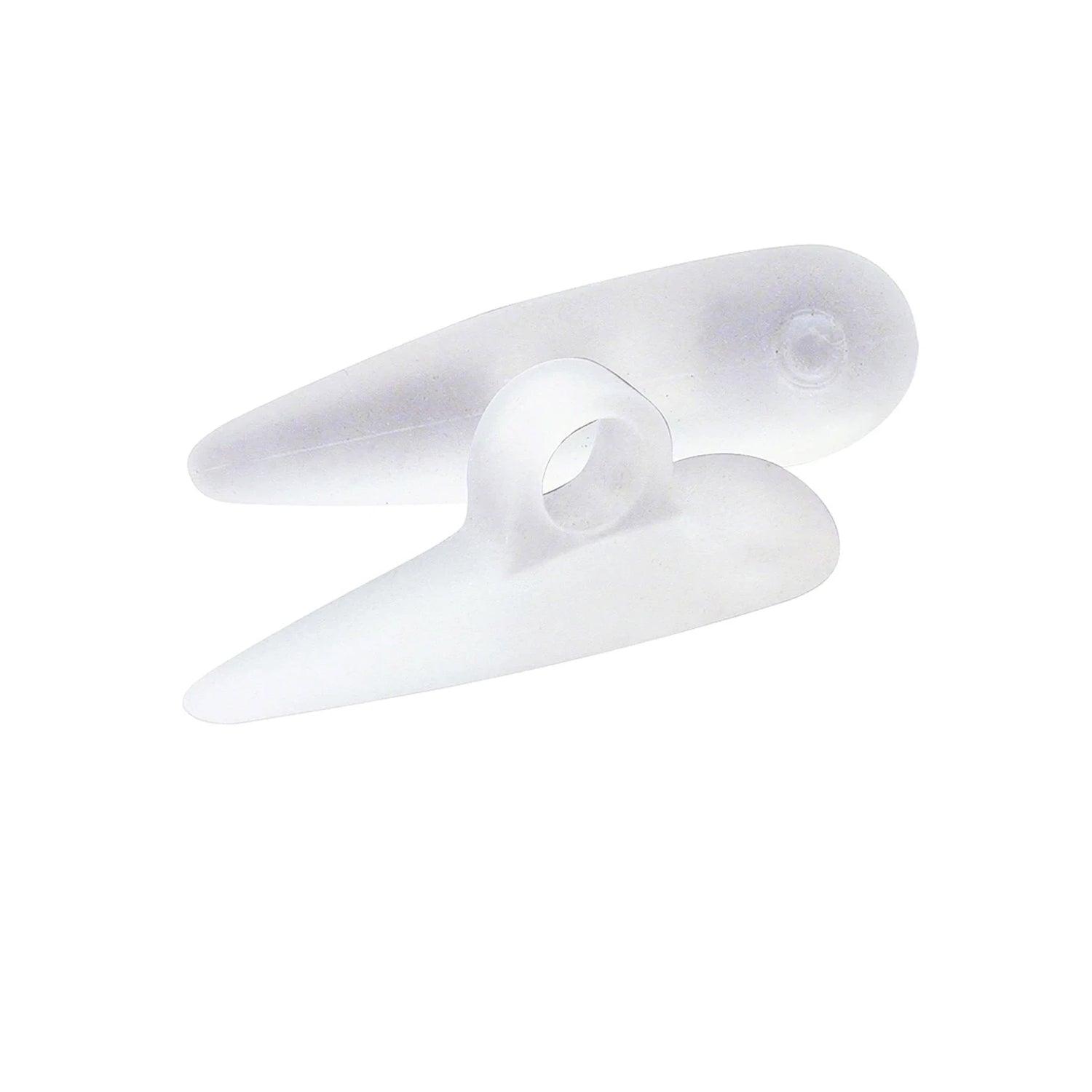
Loop spacers: These have a ring that goes around a toe. It helps keep the spacer in place. Many people can wear them inside shoes with a wide toe box, and you store them at room temperature.
Why Toe Spacers Are Used for Bunion Relief
The main reason people use toe spacers is to help with bunion pain. A bunion happens when the big toe moves in and presses on the other toes. This can make the area sore and feel tight because of all the pressure. The use of toe spacers can help because they keep the toes apart. This makes the pain go down right away.
This split can make pain feel much less, especially when you walk or stand. When the toes line up better, even for a short time, spacers can spread plantar pressure more evenly across the foot. This can take away some stress from the bunion joint and help lessen pain intensity.
For many people, this way can help with pain relief without needing surgery or bigger steps. These methods do not fix the bunion itself, but they do help lower pain. This can make it easier for you to move around and do things each day. To keep getting these good results, you should use them often. That is the way to handle pain well and feel better.
Scientific Evidence on Toe Spacers for Bunions
When you think about any treatment, it's important to look at the science behind it. There is some research on toe spacers and how they work for hallux valgus. The studies show that toe spacers can help people manage pain from hallux valgus. The effectiveness of toe spacers is still being studied, and the results so far are mixed, but they do give people some hope.
The level of evidence is not the same in all studies. Many of them say there can be pain reduction and that alignment may get better for a short time. Below, we will look at some big clinical studies. We will talk about the effect these devices have on pain and how they line things up. We will also see what the research is saying about them.
Overview of Major Clinical Studies and Findings
Several studies have looked at the effectiveness of toe spacers for bunions. A big review published in BMJ Open talked about many studies on hallux valgus orthotics, including toe spacers. The review showed that these devices can help lower pain and improve the hallux valgus angle. Still, more good research is needed on this.
Other research has more to share. This includes observational studies and a few randomized clinical trials. For example, there was one study with a sample size of 60 people. It found that 72% said their feet hurt less in their shoes after they used toe spacers often for six months. Another study showed a significant reduction in the angle of the bunion for people with mild to moderate bunions after using toe spacers for about the same time.
|
Study Type |
Key Finding |
|---|---|
|
Systematic Review |
Can reduce pain and improve alignment. |
|
Observational Study |
72% of users reported less shoe discomfort. |
|
Clinical Trial |
Significant reduction in bunion angle for mild cases. |
These findings show that toe spacers are not a cure, but they are a valuable tool to help manage symptoms. Many research studies back this up.
Impact of Toe Spacers on Bunion Pain Relief
One of the most talked about benefits of using toe spacers is that they help lower bunion pain. Studies show that these devices can bring a significant reduction in foot pain for many people. When toe spacers put space between the big toe and the second toe, they ease the pressure on the sore bunion joint.
This space between the toes helps lower pain intensity when you walk or stand. Research says that toe spacers can change plantar pressure and how it spreads out under your foot. When the toe goes back into place, pressure moves away from the first metatarsal head. That is the spot where a bunion hurts the most. Because of this new plantar pressure distribution, you can get pain relief right where you need it.
The relief often happens most when you wear the spacer. If you use it often, there can be more comfort that stays with you for a longer time. For people who feel foot pain every day from bunions, this way, which does not need surgery, can help with pain. Some clinical trials show that it can work well for foot pain.
Evidence on Alignment Correction and Hallux Valgus Angle
Many people ask if toe spacers can fix alignment issues for good. Medical studies show that toe spacers can help the big toe sit in a better place when you wear them. But, they do not give a lasting correction of hallux valgus. The bony part of the foot does not change from using the device. So, toe spacers can help, but they do not make a permanent fix for hallux valgus or alignment issues.
Some studies say there is a significant improvement in the hallux valgus angle, or HV angle, when people use toe spacers often and for a long time. One study from the Journal of Foot and Ankle Research shows that people with mild or moderate bunions had a significant reduction in the HV angle after using toe spacers for six months.
This means that for some people, especially when a bunion is just starting, toe spacers may help slow down how fast the bunion gets worse. The correction of hallux valgus does not last. The toe will probably move back to its old position after you take out the toe spacer. So, it is best to see toe spacers as a way to manage hallux valgus. They are not a cure.
Comparing Toe Spacers with Other Non-Surgical Treatments
Toe spacers are one way to help with bunions without surgery. There are many other treatment options that you can try for this problem. These conservative treatments can help manage pain and make your foot feel and work better. Some people who use them may wait longer before having surgical correction, and some may not need surgery at all.
How do toe spacers compare to things like splints, insoles, or physical therapy? Looking at these options side-by-side can help you decide what works best for your own needs. Let's look at how well toe spacers work compared to other common methods that people use before trying more serious treatments.
Toe Spacers vs. Night Splints and Insoles
When you look at treatment options for bunions, it helps to think about toe spacers, night splints, and custom insoles or foot orthoses. Most people wear toe spacers during the day. These small devices gently keep your toes apart as you walk. They are soft and feel good on your feet while you are up and moving around.
Night splints are different because you wear them when you sleep. They keep the big toe straight for a long time while you rest. The goal is to stretch the soft tissues and slowly change the way your toe lines up.
Insoles work in another way. They help change the way the foot moves as you walk. They do this by moving the pressure away from the bunion joint.
|
Treatment |
How It Works |
Best For |
|---|---|---|
|
Toe Spacers |
Separates toes to reduce pressure during activity. |
Daytime pain relief and mild alignment. |
|
Night Splints |
Holds toe in corrected position during sleep. |
Stretching soft tissues and overnight alignment. |
|
Insoles |
Corrects foot mechanics and pressure distribution. |
Addressing underlying issues like flat feet. |
Many people say that using both kinds of treatments helps them feel better all around. For example, you can use insoles in your shoes during the day. At night, you can wear a night splint. Putting these together can really help your feet feel good.
Effectiveness Compared to Stretching and Physical Therapy
Besides devices, active treatments like physical therapy and certain foot exercises can help a lot with bunions. These ways work on building up the foot muscles and making your feet looser. This can support the way your foot should be and stop bunions from getting worse.
Stretching can help the big toe move better. These exercises also help your big toe feel less stiff. When you work on the small foot muscles, your foot gets stronger. A strong foot gives more support when you walk.
A physical therapist may show you how to do these things. They often use hand movements and exercises together. This can help to fix the way you stand and walk. These steps focus on the main cause, which can be weak or tight muscles in your big toe or foot muscles. This kind of care can help if you have bunions.
Physical therapy is an active way to help your feet, while toe spacers mainly give passive support. Toe spacers can help with pain reduction right away because they lower pressure on the toes. On the other hand, exercises and stretches can make your foot function better over time. A lot of experts say it is good to use toe spacers along with a physical therapy program. When you use both, you may get the best results because they work well together.
Clinical Outcomes and Patient Satisfaction Levels
When you look at any treatment, you want to know if it works and if people feel better. For toe spacers, the results are mostly positive. People taking part in studies say there is a significant effect on their pain. This helps them do daily activities with more comfort and feel better in these tasks.
Patient satisfaction is usually high, especially in people who have mild or moderate bunions. A study found that 72% of people said they had less pain from their shoes. This has made life better for them. The high satisfaction rate shows that toe spacers do not "cure" bunions, but people feel it is still a valuable tool to help manage their condition.
While toe spacers may not change the shape of your feet, they can help with pain relief and make you feel more comfortable. A lot of people feel less pain and are happy with how toe spacers work for bunion pain. Toe spacers are a good choice for people who want to try a simple way to help with bunion pain and add help to their bunion management plan. Many get pain reduction by using toe spacers along with other treatments.
Practical Considerations for Using Toe Spacers
If you are thinking about the use of toe spacers for your bunions, there are some useful things to know. How you use toe spacers is important. Wearing them in the right way helps you get the most out of them. The shoes you pick, how often you use them, and how long you wear them all matter. These things can really make a big difference for you.
Using these the right way is important if you want to feel better and stay comfortable. We will talk about who should think about using them. We will also say how long it can take to notice changes. Plus, we will look at ways to mix them with other relief choices for a better plan.
Who Should Consider Using Toe Spacers?
Toe spacers are good for people who have mild or moderate bunion symptoms. If you have hallux valgus and feel pain, feel discomfort, or your toes rub against each other, then you may want to try them. Toe spacers are a good way for people who want a non-invasive way to deal with their condition.
People who move a lot and feel that their bunions make it hard to walk or do other things may get help from toe spacers. Toe spacers can make your foot work better and bring down pain when you are on the move. This can help you keep doing what you like. They are a simple first step you may try before you think about doing anything more serious for your bunions.
You might be a good candidate if you:
-
Are at the start of getting a bunion.
-
Have pain when your toes cross or push on each other.
-
Want to deal with symptoms and not have surgery.
-
Are trying to add to other help, like physical therapy.
It is always good to talk to a podiatrist to see if they are right for you. There can be exclusion criteria for some foot conditions. Your podiatrist will help you know what these are.
Duration and Consistency: How Long Until Results Show?
If you want to see results from toe spacers, you need to use them often. Wearing them once in a while will not give you a significant improvement. Most people and studies say you must wear the toe spacers for a few hours each day. This is the best way to feel pain relief and help with alignment.
The time it takes to feel results is not the same for everyone. Some people feel less pressure right away when they use the spacers. For changes in pain while doing daily activities, it can take a few weeks or months if you use the spacers all the time. A study found that people saw good improvements after wearing them often for six months.
It's good to be patient and keep going with toe spacers. You may feel the toe spacers help line up your toes for now, but they might do even more over time. The more you use them, the more they can help lower swelling and pain. We do not have very clear rules yet, but future studies may show us more. For now, it is best to use toe spacers every day for the best results.
Combining Toe Spacers with Other Bunion Relief Methods
For many people, mixing different ways to handle bunions works best. Toe spacers play a big part in building better foot health. Using toe spacers with other conservative treatments often brings better results than trying just one thing on its own.
Research and practice both show that using orthoses like custom insoles works well when you also use toe spacers. Insoles can help fix the roots of problems like flat feet. At the same time, toe spacers can give more relief right at the toes. This way, the use of orthoses and toe spacers get to help in more than one way.
In the same way, you can wear toe spacers during the day and a night splint at night while you sleep. This helps your toe to be slowly straightened and supported all the time. Doing foot exercises and choosing proper footwear that has a wide toe box will also help much more. These steps work together to manage your bunion symptoms in a good way.
Conclusion
To sum up, toe spacers can help a lot with bunions. Many studies show they are good for pain relief and can help fix toe alignment. When you look at ways to treat bunions, it helps to see how toe spacers stack up against other non-surgical choices for full pain relief. Staying steady with your use and mixing toe spacers with other treatments can give better results. If you want to know how toe spacers can be part of your foot care, you can talk to a podiatrist for advice just for you. Looking after your feet is important for your health, so pick what works best.
Frequently Asked Questions
Are there any risks or side effects associated with toe spacers for bunions?
Toe spacers are usually safe to use for hallux valgus. Some risks or side effects may happen. These can be skin irritation or discomfort. Sometimes pain can get worse if the toe spacer is too tight or not the right size. It is a good idea to start using them slowly. Stop using toe spacers if you feel a lot of pain.
Do podiatrists and medical experts recommend toe spacers for bunion treatment?
Yes, many podiatrists and other medical experts say that toe spacers can help with bunions. They often tell people to use them as part of a gentle treatment plan. Toe spacers are usually used to give pain relief and to help slow down bunions from getting worse. They work even better when people use proper footwear and do some exercises. Many have seen the effectiveness of toe spacers for managing pain and other symptoms.
How can you tell if toe spacers are helping your bunions?
You can tell that toe spacers are helping to relieve bunion pain if you feel less pain, especially when you move or after you do something active. Some other good signs are if you see less redness or swelling near your joint, and you feel less sore when you put on shoes. Feeling better or more comfortable when doing your daily activities is also a big tip-off that the toe spacers are working.
Do podiatrists recommend toe spacers for bunions?
Yes, podiatrists do often say that people with bunions should use toe spacers. Toe spacers can help make daily activities feel better. They give pain relief to the people who need it and help many feel more satisfied with their day. Podiatrists also ask people to use other methods with toe spacers to help with symptoms when not going for surgery.
Is there any evidence for toe spacers?
Yes, there is proof that toe spacers help with hallux valgus. Some studies and a systematic review show the use of toe spacers can lower pain. They may also help make the bunion angle better if you use them often. Toe spacers are not a full cure, but the evidence says they are a good tool to manage this problem.
What are the negatives of toe spacers?
The main downsides of toe spacers are that they do not fix bunion deformity for good. The relief they give is often for a short time only. There can be some side effects like discomfort or skin irritation. They may not work well if the case is very severe. You also must wear them with proper footwear that has enough space in it.