
Does Humidity Affect Arthritis? Understanding Joint Pain
Key Highlights
-
A lot of people say their joint pain and arthritis symptoms get worse when the air is very humid.
-
Some studies show there could be a link between chronic pain and weather conditions. The weather, including high humidity, air pressure, and wind speed, might play a part.
-
Changes in weather may affect joint fluid and tissues. You might feel more stiff and uncomfortable because of this.
-
A warm and dry place may help some feel better, but moving might not work for everyone.
-
If you want to manage arthritis symptoms when the weather is bad, keep active inside your home. Using things like dehumidifiers can also help.
Introduction
Have you ever felt your joints hurt more when the day is sticky and muggy? You are not the only one. A lot of people with joint pain say their arthritis symptoms feel worse in humid weather. Some people may say this is just an old story, but there is more information now about how weather can affect your body. Here, we will talk about how humid weather might affect joint health and what you can do to feel better.
The Connection Between Humidity and Arthritis
For many years, people have said that weather changes, like high humidity, can make arthritis pain feel worse. Scientists are still looking into why this happens, but lots of people feel more joint pain when the weather is humid. The influence of weather is real for many who have to manage joint problems every day.
This link is not only about feeling a bit more sore. Some people feel big changes in how they feel when the humidity or barometric pressure shifts. It may hurt more and be tough to get moving. We will look at what goes on in your body when these weather changes happen.
How Humid Weather Influences Joint Pain
So, what happens in your joints when it is humid? Some people think it has to do with changes in air pressure. In humid conditions, the barometric pressure usually goes down. When barometric pressure drops before a storm or on a wet day, there is less pressure from the outside air on your body. This may make the tissue in your joints expand a little bit.
This growth can add more weight to your sore joints. The arthritis pain may get worse. You feel this more when the air is wet and sticky. People with joint inflammation may feel pain when there is even a small change in the weather.
Some researchers say that when there is high humidity and the temperature is low, the synovial fluid inside your joints can get thicker. This fluid helps your joints move smoothly. When the fluid gets thicker, your joints may feel stiff and hurt more. Because of this, humid and rainy days can be hard for people who have arthritis.
Scientific Insights on Humidity’s Impact
Personal stories can feel strong, but now we see more clear proof from science. A big study in Britain looked at over 2,600 people with chronic pain in 2019. These researchers used smartphones to gather details about symptoms and local weather. They found that with higher relative humidity, lower barometric pressure, and stronger wind speed, pain levels in people went up.
Other scientific studies say close to the same thing, but some results are a bit different. A 2015 study looked at osteoarthritis and found that both humidity and temperature affect joint pain. The study shows humidity has even more of an impact on joints when the weather is cold. So, having both damp and cold weather conditions can be really hard on joint pain.
Many people with arthritis say they feel worse when there are pressure changes or shifts in humidity. Over the years, they have talked about these feelings often. Now, studies tell us that these people are right. Weather changes really do affect arthritis symptoms, and it is not just all in your head. Researchers still work to learn more about how and why this happens. There is hope they will find more answers about the connection with pressure changes soon.
Why Some People Are More Sensitive to Humidity Changes
Your knee can hurt when it rains, but your friend with arthritis may feel fine. This happens because everyone reacts in their own way. Not all people with arthritis feel symptom changes when the weather shifts. The way your body feels pain can depend on several things, such as personal and environmental factors. These things can affect how your body deals with changes in humidity and pressure.
The type of arthritis you have, the level of joint inflammation, and your health all matter. When you look into these factors, you may understand your own joint pain symptoms. This can help you find good ways to manage joint pain.
Factors That Increase Joint Sensitivity
Many things can make your joints feel more sensitive when the weather changes. If you have a lot of swelling or your joint cartilage is damaged, this can make you feel every shift in atmospheric pressure. Joints with damage have nerves that act up, and these nerves might pick up small changes around us. Every arthritis report is different. What makes one person feel pain may not be the same for someone else.
A statistical analysis of patient data from many studies shows some things often lead to more sensitivity. These things are:
-
The type of arthritis: Each type affects the joints in its own way.
-
Severity of the condition: If joint damage is worse, it can make them feel more sensitive.
-
Previous injuries: Injuries from before can cause the joint to react more when the weather changes.
In the end, the way you feel pain can change because of how you think and feel. When it is a gloomy or rainy day, your mood might go down. You may notice your discomfort more at this time. This can make your pain feel even worse. The way your body reacts to the weather, along with how you feel in your mind, both matter. So, these environmental conditions together often affect how your joints feel.
Can Certain Types of Arthritis Be More Affected?
Different types of arthritis can feel worse in different kinds of weather. For example, research shows that osteoarthritis pain can get worse when there is more humidity and the temperature gets low. People who have osteoarthritis pain in the knee, hand, or hip feel more pain when the daily average humidity is higher, mostly when it is cold outside.
People who have rheumatoid arthritis often feel more pain when the weather changes. This is because RA is an autoimmune disease. There is a study that says cold weather can make it more likely for their symptoms to flare up. An additional study shows that in the winter, high humidity causes their joints to feel more sore. Rainfall in the summer can also make their joints feel even more tender.
Other conditions, such as gout and psoriatic arthritis, can be affected by the weather too. The things that start these problems might not be the same, though. For instance, higher temperatures can lead to an increased risk of gout attacks. This shows that different types of arthritis may be set off by the weather in their own way. It is why joint pain does not have one simple answer when it comes to how the weather makes it better or worse.
Navigating Climate Choices for Arthritis Relief
If the weather can make your arthritis feel worse or better, you might wonder if you should move to a place with a different climate. For some people, living in the best climate for arthritis sounds like a good idea. The main goal is to find a place where the weather conditions help lower pain and make disease activity go down.
It can be hard to pick a good place to live for arthritis relief. Some places might feel better for you, but moving does not always fix the problem. Research shows what climates may help. It also points out what you need to think about before making that kind of move.
Which Climates Are Best for Managing Arthritis?
Many people with arthritis feel better in places that are warm and dry. This type of weather can help the muscles feel relaxed. It also helps their blood flow get better. When the blood flow gets better, joint stiffness and pain can go down. When the air has low humidity, it helps too. A place with high humidity can make swelling and inflammation get worse.
Stable weather conditions are good for people who want fewer health problems. Places where the atmospheric pressure does not change much can help lower the chance of flare-ups. Areas in Arizona and Southern California are seen as good options. This is because they get hot and dry weather, and not much changes in the atmospheric pressure.
Here is a quick look at how different things in the weather might affect your joints:
|
Climate Factor |
Potential Effect on Arthritis |
|---|---|
|
High Humidity |
May increase swelling, stiffness, and pain. |
|
Low Humidity |
Often preferred; may reduce joint discomfort. |
|
Warm Ambient Temperature |
Can help relax muscles and improve circulation. |
|
Cold Temperatures |
May thicken joint fluid, leading to stiffness. |
|
Stable Atmospheric Pressure |
Fewer pressure changes may mean fewer pain triggers. |
Is Moving to a Drier Environment Worth Considering?
Thinking about moving to a place with less rain can be a big step. The idea is that you will have fewer symptom changes and feel better. But it may not fully fix your joint health. Your body can get used to the new climate, and after some time, the symptoms might come back.
Before you move for good, you might want to stay in your new place for some time. Go there for a longer visit and try living through more than one season. See if your arthritis pain gets better or worse. A short test like this can show you what life there will feel like. This can help you feel sure before you decide to move and change everything.
Think about what you give up when you move. If you leave family, friends, and your doctors, that can, at times, make things harder. Some people feel that it's better to stay and look for other ways to feel better. The possible good things from a new place may not be enough to make moving worth it.
NatraCure Products for Weather-Related Joint Pain Relief
When your joints hurt because there is a lot of humidity, having good recovery tools can really help. NatraCure has hot and cold therapy products made with science that help you feel better and be comfortable. No matter what the weather is like, these products are here for you.
-
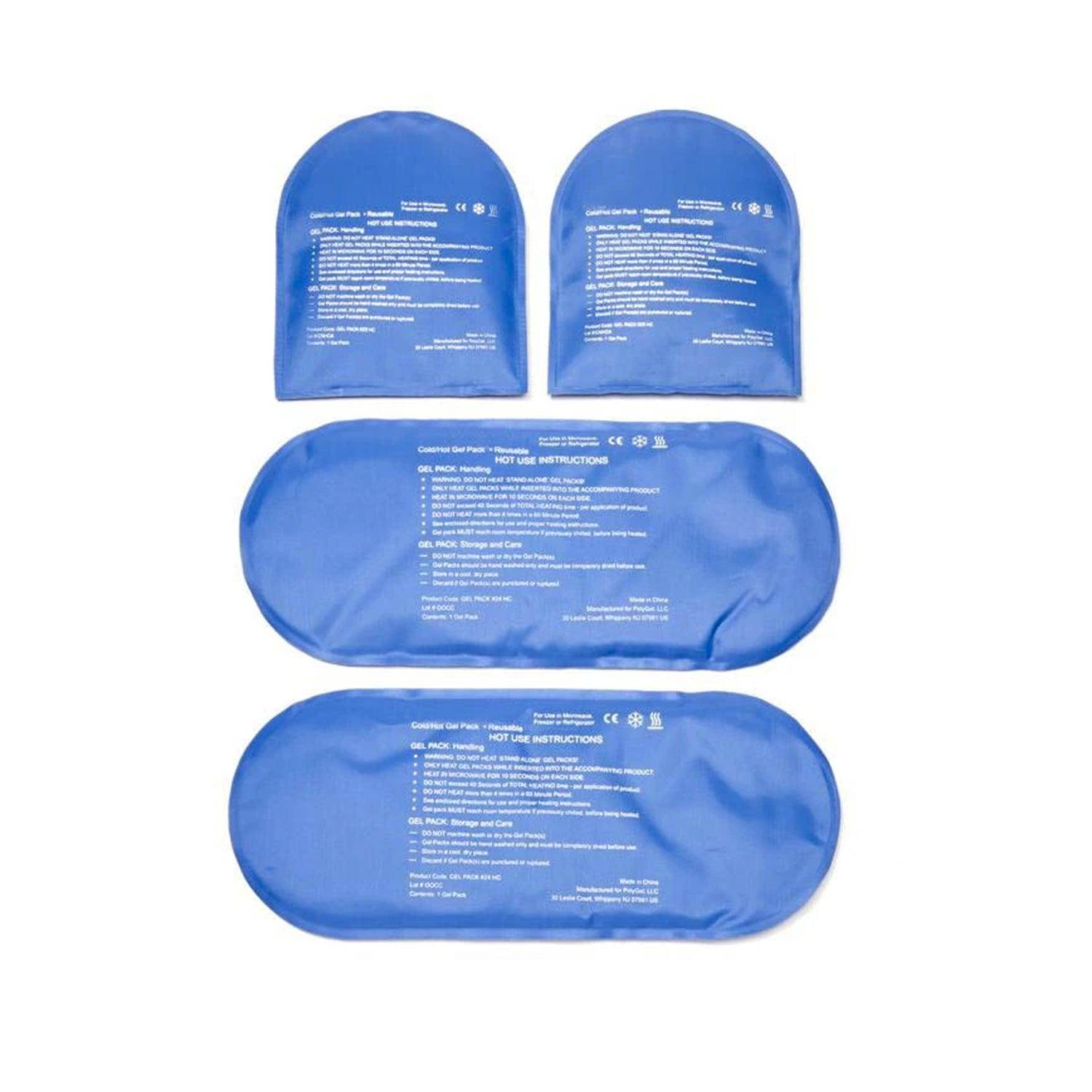
FlexiKold® Gel Ice Packs: People who work in medicine trust these cold packs. They are soft, last a long time, and help calm swelling and stiffness on wet or stormy days.
-
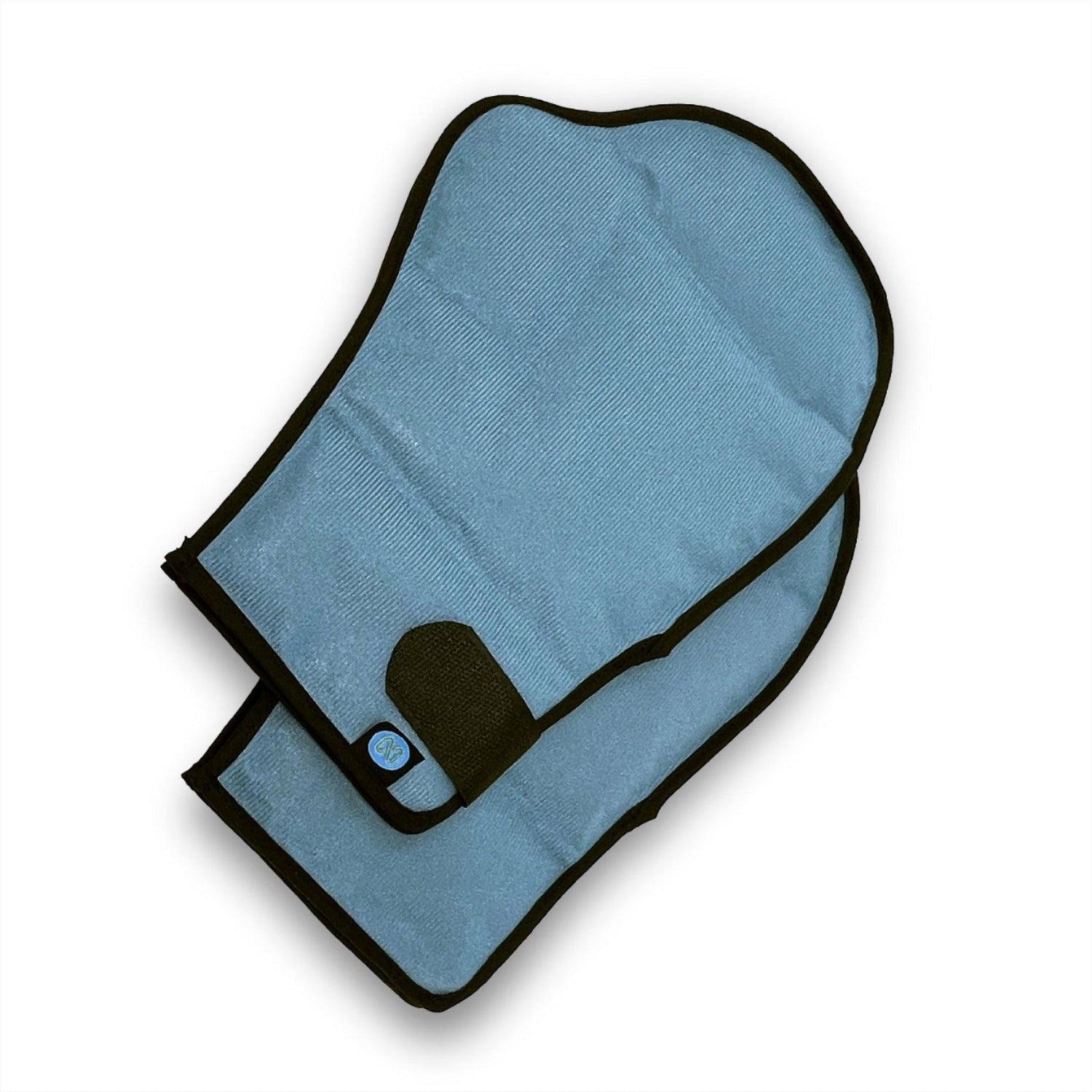
Universal Hot & Cold Compression Wraps: You can use these wraps on many joints. They let you choose the tightness and how hot or cold you want it—these work well to help pain that gets worse when the air pressure changes.
-
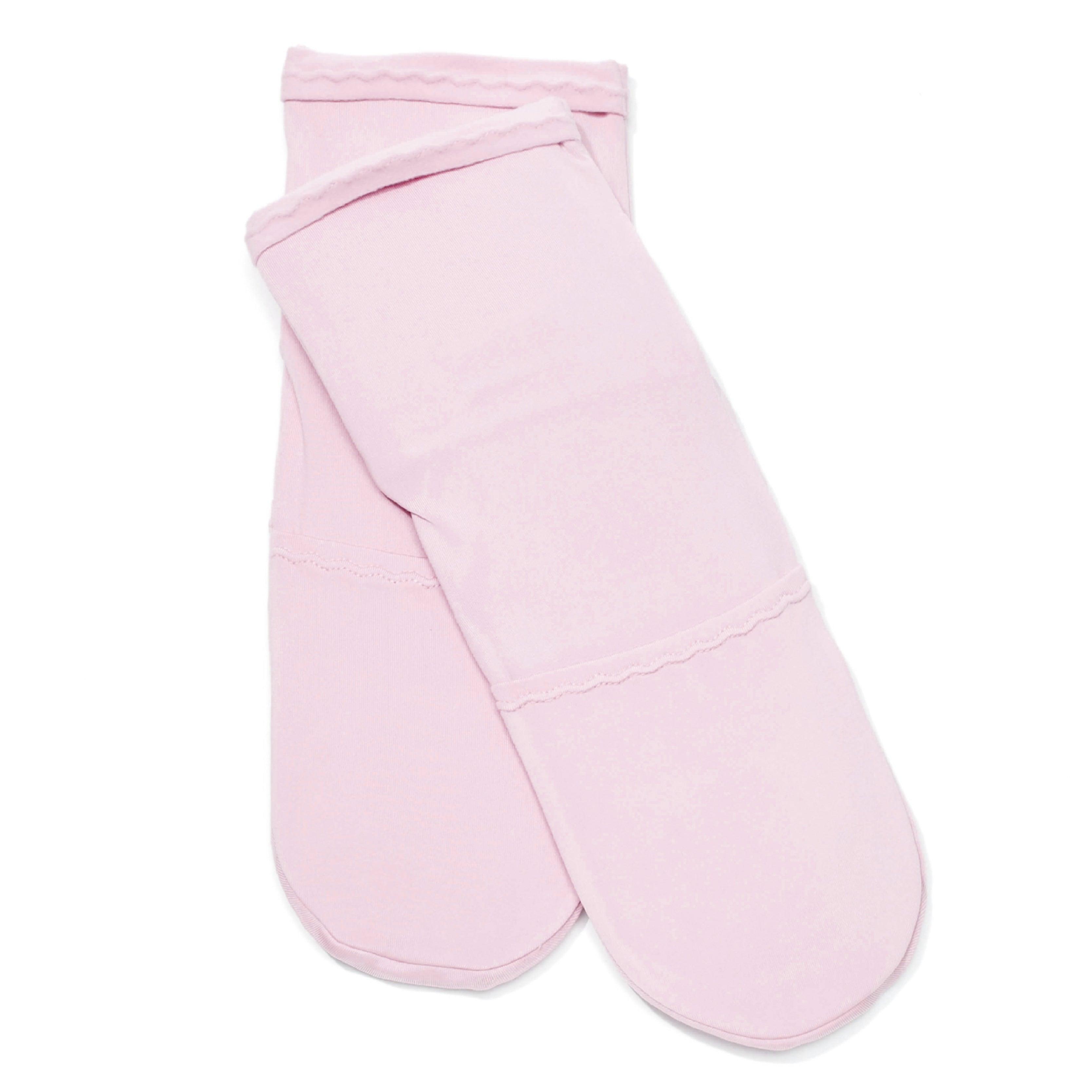
Cold Therapy Socks & Gloves: These are great for hands and feet when they feel puffy or hurt as the weather changes and brings on arthritis symptoms.
-
Moist Heat Wraps: Use soft heat with these wraps to help muscles feel looser and to get blood moving, which helps when cool and damp weather makes joints feel tight.
Each NatraCure product helps your body heal in its own way. You can be active, feel good, and take charge of your joint health every day of the year.
Conclusion
In the end, knowing how high humidity and humid weather can affect joint pain is important to feel better. For some people, joint pain gets worse in humid conditions. For others, the weather may not change their joint pain much. It's good to know what makes your joint pain feel worse, so you can make better choices about where you live or how you cope. If dry places feel better, you might want to look for those, or you can try ways to feel better in humid conditions.
Doing things to help yourself, like finding tips or making small changes, can make life more comfortable. And it helps to keep learning about weather conditions and how they affect you. Changing your way of living when needed can help your joint pain feel less, and it can make every day feel better. If you do not know how to handle your joint pain when it's humid, you can reach out to someone for help or advice.
Frequently Asked Questions
Does high humidity affect all types of arthritis?
High humidity can make joint pain feel worse for many people with different types of arthritis. This happens in both rheumatoid arthritis and osteoarthritis. A lot of people say their arthritis symptoms, like pain and stiffness, get worse when it is humid. But the way these changes feel in the body can be different for everyone. That means managing chronic pain from arthritis can be a very personal thing.
Is it the heat, humidity, or both that worsens arthritis pain?
For many people, high humidity and changes in barometric pressure are the main reasons their arthritis pain gets worse. It’s not really the hot weather itself. Some people feel better in warm and dry places. But, there are certain things like gout that get worse when high temperatures hit. This can affect how active the disease is.
What can I do to manage arthritis during humid weather?
For arthritis management during humid weather, you can use a dehumidifier inside your home. Make sure to drink enough water. Do some gentle physical activity in a place with air conditioning, such as an indoor pool. Talk to your doctor about treatment options for your arthritis symptoms. By watching how you feel, you can know when to change your routine if needed.
How does humidity affect arthritis pain or symptoms?
Humidity can have an effect on arthritis pain through changes in barometric pressure. When the pressure drops, it can make the tissues around your joints get bigger. This can add to your joint pain symptoms and make the pain feel worse. These kinds of weather changes often put extra stress on joints that are already hurting. Because of this, your joint health and comfort may not be good. For many people, this means more joint pain when the weather shifts.
Why do some people with arthritis feel more joint pain when the weather is humid?
Some people feel more arthritis pain when it is humid. This can happen because their joints get more sensitive in these conditions. Things like how serious the joint inflammation is, and the type of arthritis you have, can also make joints feel more pain when the weather changes. For many people, these environmental factors make joint symptoms worse during damp times.
Are there scientific studies that show a link between humidity and increased arthritis symptoms?
Yes, several clinical studies say there is a link. A big study done in 2019 and a systematic review of other research found a significant association between higher humidity, lower barometric pressure, and more arthritis symptoms. This gives strong evidence that changing weather can affect pain levels in people who have arthritis.
What is the best climate or weather condition for people with arthritis?
Many people who have arthritis often feel better in warm and dry weather conditions. A place with a warm ambient temperature and low humidity may be good for people with arthritis pain. A dry climate with steady barometric pressure is usually said to be the best climate for less pain and stiffness.
Does high humidity affect all types of arthritis or just certain kinds?
High humidity can affect people with different types of arthritis, like osteoarthritis and rheumatoid arthritis. But, the joint symptoms and pain intensity may not be the same for everyone. How high humidity changes disease activity is not simple. It can be different for each person, based on their own condition. So, it’s a very personal experience.
Can changing where I live help reduce my arthritis symptoms due to humidity?
Moving to a place with a different climate might help lower your joint pain or arthritis symptoms caused by humidity. But the climate is not always the answer. There are other things in the environment that also affect your joints. It’s a good idea to stay in a new area for some time before you decide, so you can see if it really helps you feel better.
How can I manage my arthritis pain during humid weather?
To help with arthritis pain in humid weather, it is good to focus on what you can do inside. Use a dehumidifier in your home. Try physical therapy exercises that you can do inside and look for indoor pools when you want to get some activity. If you plan to go out, pick a time when the humidity is lower. Talk with your doctor about treatment options and other things that can help with arthritis pain.
Do weather changes cause arthritis flares or just worsen ongoing pain?
Weather changes can be hard on the body. A lot of people feel more chronic pain and feel stiffer when the weather changes. Bad weather or a quick change in conditions, like when barometric pressure drops fast, can make arthritis flare up. When this happens, pain intensity can go up and people feel more swelling in their joints. These kinds of environmental conditions are tough for those who already have chronic pain.
Are there quick tips for staying active with arthritis when humidity is high?
To stay active with arthritis when there is high humidity, it's best to move physical activity inside. You can try gentle yoga, stretching, or walk on a treadmill while in an air-conditioned room. This is good for you because it can help with joint stiffness and help you keep a healthy weight. You will not feel more uncomfortable from the humid air when you exercise like this.
How to make arthritis feel better?
To help with arthritis symptoms, it’s good to use more than one method. The best way is to follow the treatment options your doctor gives you for pain. You should also do physical therapy often to keep moving well. Be sure to live healthy every day. Keeping up with gentle movement is important. This will help your joint health over time and make you feel less discomfort.
[keywords used: arthritis symptoms, treatment options, joint health, physical therapy]
What are the five worst states to live in with arthritis?
There is not an official list, but some states have tough weather conditions for people with joint pain. Places with high humidity and cold weather can make joint pain feel worse. The weather can also keep you from doing outdoor activities. This can lead to more stiffness and discomfort.
Why is my arthritis suddenly so bad?
A sudden increase in arthritis pain can be caused by many things. The weather can play a big part, and changes like lower air pressure or higher humidity may lead to symptoms getting worse. You might also feel more pain from doing too much work, stress, or having more joint inflammation. The pain can go up when these factors change.
Is heat or cold better for arthritis?
Both heat and cold help with pain relief for arthritis. They do this in different ways. Heat is good for easing stiff joints. It also helps relax the muscles. Cold is best for when there is a lot of pain and swelling. Which one to choose will be about your signs and how you feel. When used the right way, neither method comes with major side effects.