
Key Highlights
-
Cold therapy is key for rotator cuff healing, especially after shoulder surgery. It helps manage pain and swelling.
-
When you put ice packs on the shoulder, they make blood vessels tighten up. This cuts down on initial inflammation and gives pain relief.
-
A week-by-week plan can be used to fit cold therapy to each recovery phase. This starts right away after the operation and lasts through to full healing.
-
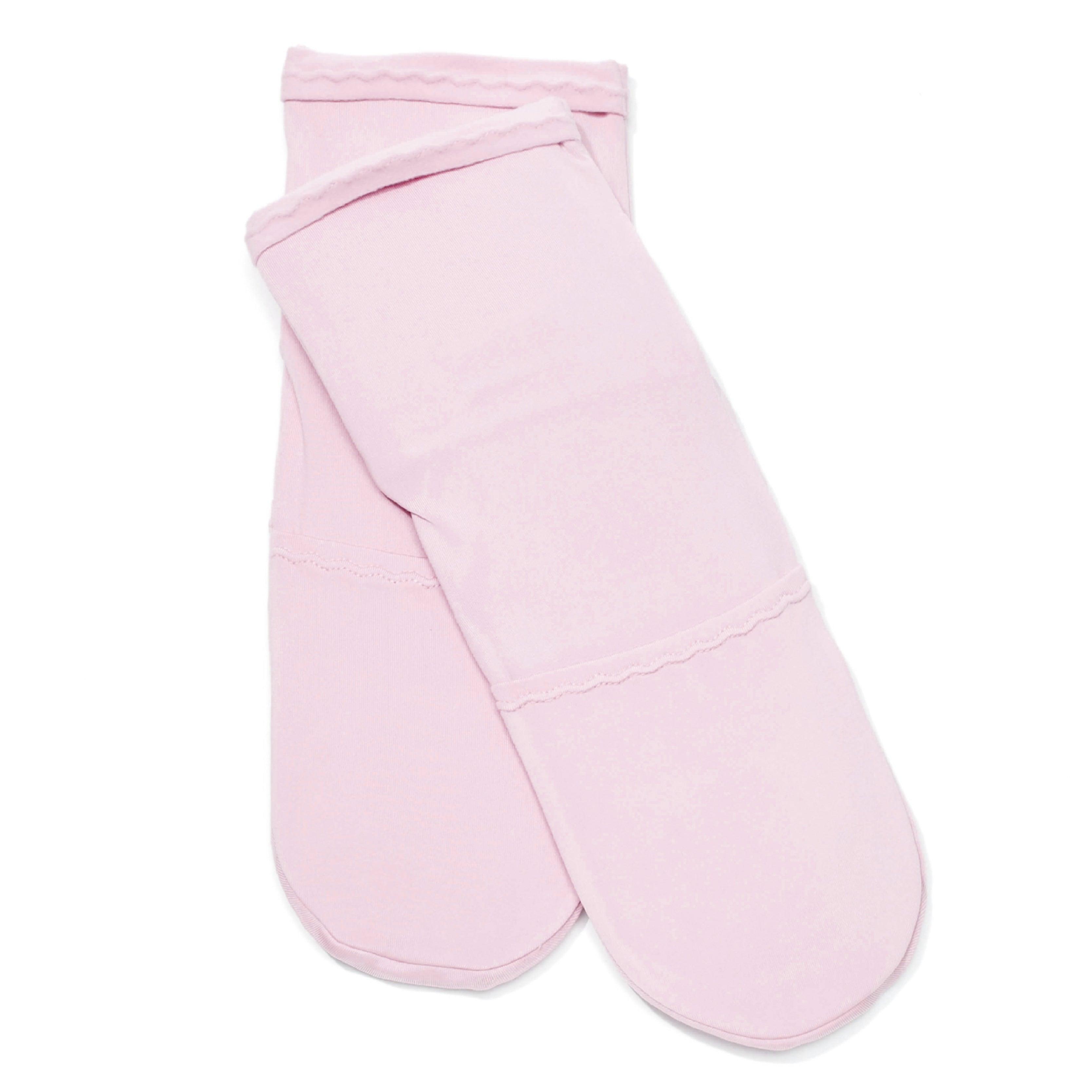
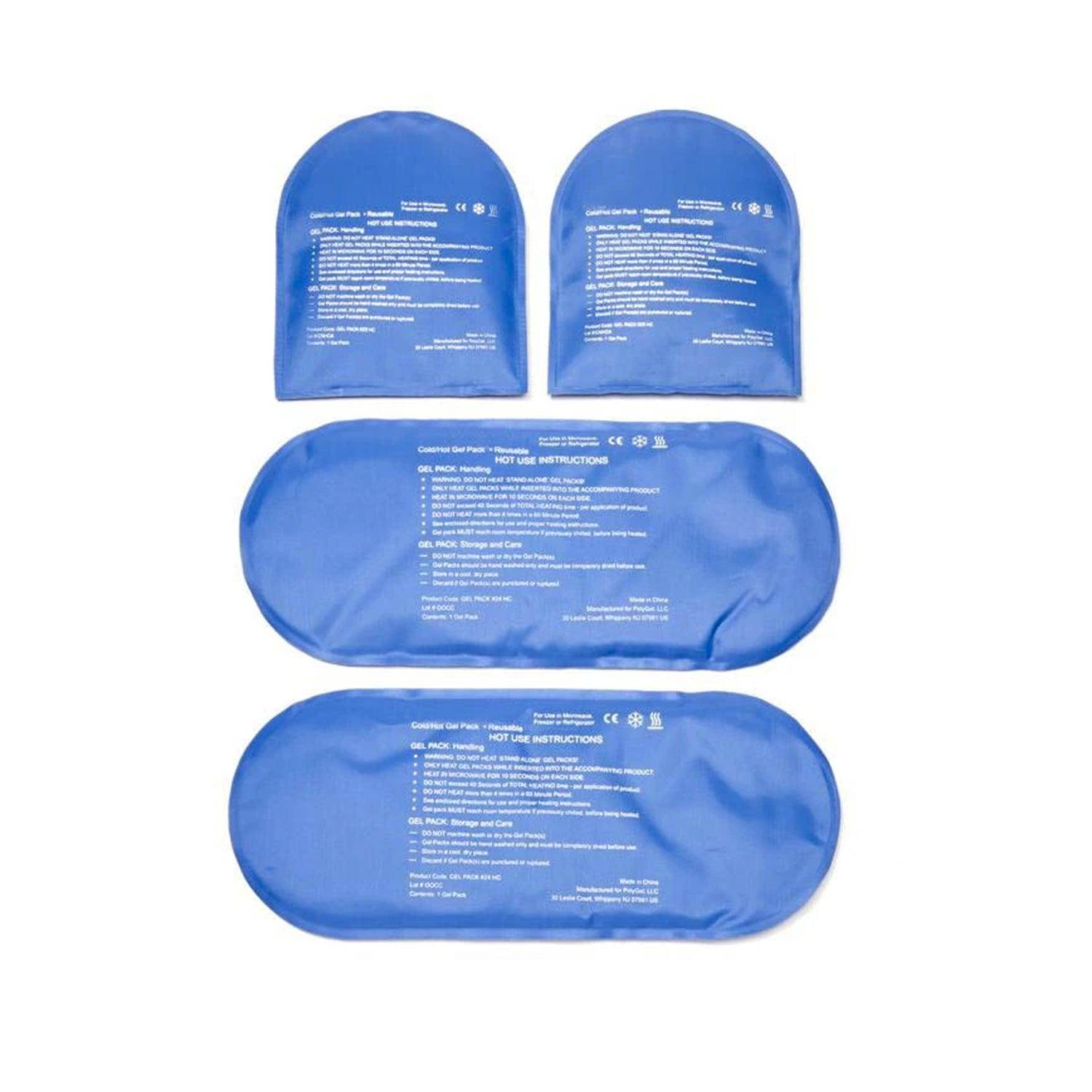
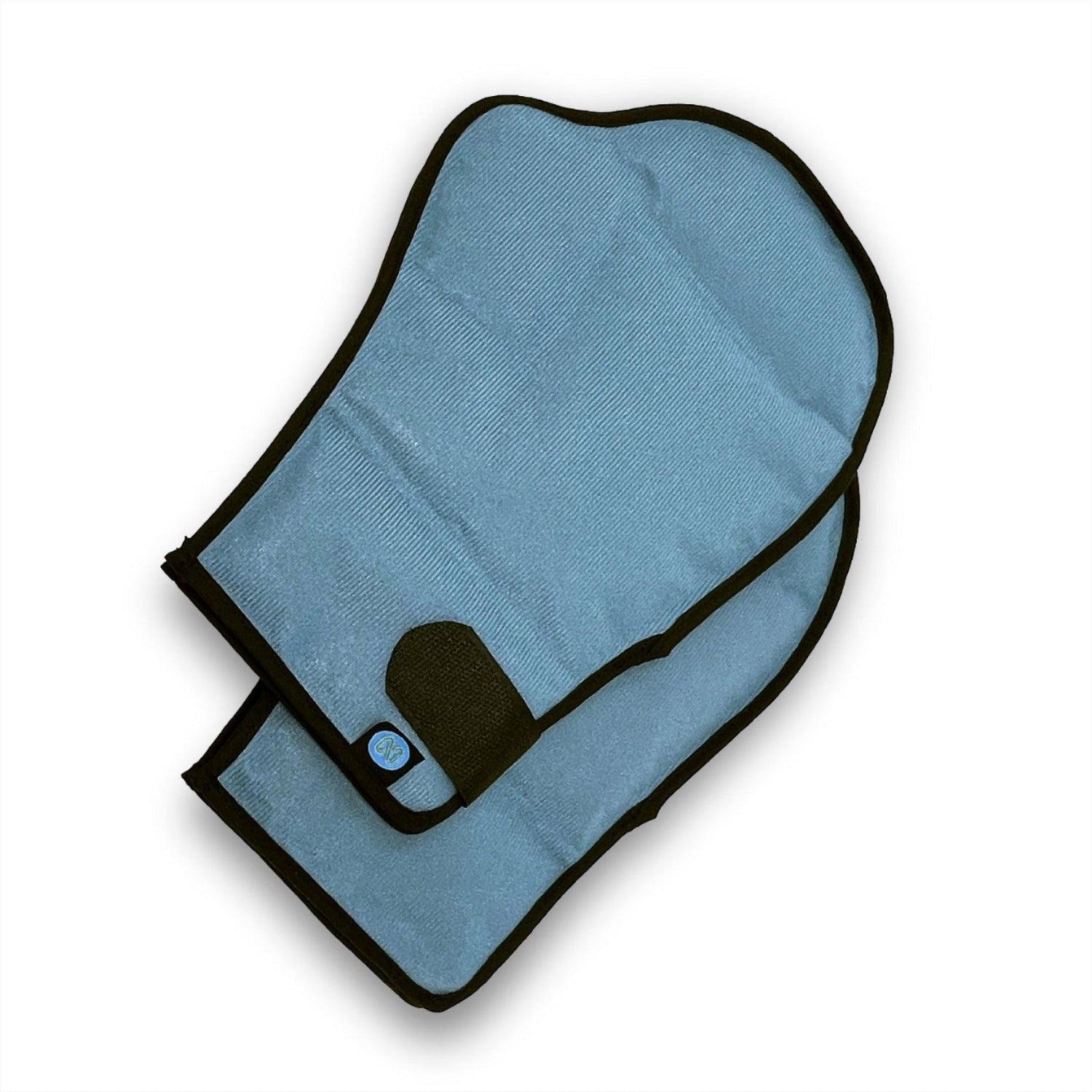
A high-quality gel pack, like FlexiKold, delivers steady cold and fits well to the shoulder area.
-
For proper application, use a barrier between ice packs and skin. Sessions should last only 15-20 minutes, and you should follow a regular schedule.
-
When you combine cold therapy with compression, you can get faster and more comfortable recovery.
Introduction
Recovering from a rotator cuff injury is tough. You can feel a lot of shoulder pain, and it can get in the way of your daily activities. The good thing is you have ways to help your body heal. One good and simple way is cold therapy. Cold therapy can help with pain and make your recovery faster.
This guide will show you, week by week, how to use cold therapy. It will tell you what to do each week to help your rotator cuff feel better. With this plan, there will be less pain and you can get back to your daily activities sooner. Cold therapy can really help you feel better and get you back to your best.
Understanding Rotator Cuff Recovery and Cold Therapy
Rotator cuff recovery takes time, whether you get hurt or have shoulder surgery. You need to handle pain and swelling as you heal. In each recovery phase, your goal is to help your body heal in a natural way. Physical therapy often supports you through this process.
The proper application of cold therapy is important in this process. If you use it the right way, it can make a significant difference in how you feel and heal. Let’s look at the role of cold therapy in your recovery and why it works so well for shoulder injuries.
The Role of Cold Therapy in Rotator Cuff Healing
Cold therapy is important in the first stage of healing for the rotator cuff. It helps with swelling and pain. When you put something cold on the shoulder, the blood vessels get smaller. This slows blood flow to the hurt area. Because of this, you can lessen the swelling that comes right after an injury or surgery. Cold therapy can make the pain feel better in this way.
When you control swelling, you help stop pressure on nerves that feel pain. This makes things feel better and helps the healing start. This is one reason why cold therapy is often used right after an injury or surgery.
Cold therapy does more than just lower inflammation. It helps give pain relief by making the affected area feel numb. The cold temperature slows down the signals that tell your brain you feel pain. This gives you a break from shoulder pain, even if it is only for a short time. This numb feeling can make your recovery feel better. It also helps you rest easier.
Why Cold Therapy Is Effective for Shoulder Injuries
Cold therapy is often used for shoulder injuries. It helps in pain management by working on the body's swelling response. When you have a rotator cuff injury, your body sends more fluid and blood to that spot. This makes the area puffy, warm, and sore. Cold therapy cools the tissues and can give you quick relief from the pain.
Cold therapy is a good way to help shoulder injuries get better because it can:
-
Reduce Swelling: It tightens blood vessels. This lowers fluid around the joint.
-
Numb Pain: It works like a local pain killer. It makes nerve endings feel less and cuts down sharp or aching feelings.
-
Limit Bruising: Less blood flow stops too much bleeding inside. It keeps the area from getting dark spots around the hurt spot.
When you mix cold with compression, you can get even better results. Compression helps push the cold down into the tissues. This can make the therapy work better to lower inflammation and help you have a faster recovery. Using both cold and compression together is a good way to handle shoulder injuries.
Week-by-Week Approach to Rotator Cuff Recovery
A week-by-week plan helps you heal your rotator cuff the right way. Your needs will be different when you start, and they will change as you grow stronger after your injury or surgery. A plan that fits you helps make sure the right, effective therapy is used at each step to help your body feel better.
At first, you will work on keeping pain and swelling down. As you get better, you will pay more attention to handling stiffness. You will also work on getting your range of motion back, often with physical therapy. A weekly guide can help you change your cold therapy routine to fit what you need as you go through each stage.
This step-by-step plan makes your recovery feel easier and less stressful. It helps you get the most out of cold therapy at every stage. When you know what to do each week, you feel more sure of yourself and more in control as you heal.
Starting Cold Therapy Right After Rotator Cuff Surgery
After rotator cuff surgery, you need to take care of pain and swelling right away. Cold therapy is one of the best ways you can do this. If you put cold on the surgical area, it can help numb the pain and bring down swelling a lot. This happens because cold therapy helps lower the inflammation that comes up after surgery on the rotator cuff area.
Your surgeon will likely tell you to begin cold therapy right away. Starting this early helps keep any swelling down after your surgery. This can help you feel more comfortable from the start. Let's see what you should know, and how to use cold therapy the right way in these important first few moments.
Immediate Post-Operative Care: What to Expect
In the hours and days right after shoulder surgery, you may feel pain, have swelling, and your movement could be limited. This is normal when you are trying to get better. Your medical team will give you medicine for pain, but cold therapy is also very important for pain relief that is not from medicine.
You will likely need to use cold packs on your shoulder often. The main thing is to keep swelling down in the area. This can help lower your pain, and it also lets your shoulder heal better. You will have your arm in a sling to keep the repair safe, so you must put the cold pack around it with care.
Being steady with cold therapy is very important during this early time. If you stick to a set cold therapy plan, it can help you feel better. It lets you stay on top of pain and swelling. This makes the first days of getting better feel much easier.
Should You Use Cold Therapy Immediately?
Yes, for most shoulder surgery patients, it is good to use cold therapy right after the operation. Surgeons will often tell you to start as soon as you leave the operating room. This helps deal with the initial inflammation that can show up very fast. This is a strong way to control pain and swelling after shoulder surgery.
The first one to three days after surgery is when inflammation is usually at its worst. If you use cold on the area during this time, it can make blood vessels tighten up. That keeps too much fluid from moving to where the surgery was done. This helps stop swelling from getting too bad. Too much swelling can lead to more pain and make it take longer for you to heal.
Always listen to what your surgeon tells you. The advice they give will fit your shoulder surgery. Most doctors agree that using cold therapy right away helps a lot. It makes shoulder surgery recovery more comfortable and gives you the best chance to heal well. This is important for all shoulder surgery patients.
Essential Cold Therapy Guidelines in Week 1
During the first week of your recovery phase, the main thing you need to focus on is pain management. Cold therapy will really help you during this time. Make sure to use it the right way for the best results. Here are some things you should know. Always follow the top tips when you use ice packs. This will help you get the best from cold therapy and avoid hurting yourself.
Always keep your skin safe. Do not put an ice pack right on your shoulder. The cold can hurt your skin and cause things like frostbite. You should wrap the ice pack in a thin, dry towel or cloth. This helps make a barrier for your skin. You will still feel the cooling but lower the chance of any skin damage or injury.
To get the best results in week 1, it is good to keep to a steady schedule. Try to follow your plan each day and do not skip it. This will help you get used to the new way and make it easy to keep doing well. A regular plan works for most people, and you may feel good about your work. When you put in the time, you will also see changes. If you keep up with it, you will feel better week after week.
-
Duration: Put the ice pack on for 15 to 20 minutes each time.
-
Frequency: You should use cold therapy every 2 to 4 hours when you are not sleeping.
-
Consistency: If you follow this plan, it will help keep pain and swelling down all day.
Cold Therapy Methods for Rotator Cuff Recovery
When you look at cold therapy, you can find many recovery methods to try. The best options depend on what your specific needs are. It also depends on your budget and where you are in your recovery. You can use simple homemade packs or choose advanced machines. There is something for everyone in cold therapy.
Knowing the different types of cold therapy devices can help you pick what works best for you. You might want something simple like a gel pack, or you may like an ice machine that keeps things cold for a long time. When you understand the good and bad parts of each, you can get more out of your cold therapy.
Gel Packs versus Ice Machines: Pros and Cons
The two cold therapy choices you see most often are gel packs and ice machines. A gel pack, like a shoulder ice wrap, is simple to use. It does not cost a lot and can be used again and again. When you freeze the gel packs, they do not get too hard. That way, they can fit right on your shoulder. But gel packs have to go back in the freezer after each time you use them. They might also get warm before you feel better, so you may want something that stays cold longer for your cold therapy.
Ice machines, such as the Breg Polar Care Cube, are a newer way to help with pain and swelling. These machines move cold water through a pad that goes around your shoulder. This gives strong and steady cooling for a longer time. Many doctors say to use them after you have surgery because they work well. However, the polar care cube can cost more money and is not as easy to carry around.
Choosing the right option comes down to what you need. A gel pack works well for most pain relief. If you have heavy swelling after surgery, an ice machine may be the better choice.
|
Feature |
Gel Packs |
Ice Machines |
|---|---|---|
|
Cost |
Inexpensive and reusable |
Expensive initial investment |
|
Convenience |
Highly portable, easy to use |
Requires setup, ice, and a power source |
|
Consistency |
Loses coldness over 20-30 minutes |
Provides continuous, consistent cold |
|
Best For |
Minor injuries, general pain, tendonitis |
Post-surgical recovery, severe swelling |
Benefits of Using Flexikold for Shoulder Pain Relief
When you need a gel pack for shoulder pain, Flexikold is a good pick. The pack is well-made, and the design works great. It lasts a long time and stays cold longer than most other brands. This means you get pain relief for more time. If you have pain from rotator cuff injuries, Flexikold is a smart choice to help with that.
The special gel inside Flexikold packs stays soft, even when it is frozen solid. Because of this, the pack can easily fit the shape of your shoulder. This lets cold therapy reach every part of the affected area. A pack with good contact like this can make your treatment work better.
Using Flexikold can give you a comfortable recovery. It is easy to use and has features that make things feel better for you.
-
Ease of Use: You only need to put it in the freezer. It will be ready for you when you need it.
-
Targeted Relief: The design keeps the pack where you put it. This helps the cold reach the spot that hurts the most.
-
Long-Lasting Cold: It stays cold for a good 20 minutes. This gives you a full cold therapy time.
Adding Compression to Cold Therapy: Enhanced Recovery
To help with your recovery experience, try using cold therapy together with compression. When you put gentle pressure on the injured area while it is cool, the cold gets deeper into your muscle and joint tissues. Using both at the same time can do a better job of lowering pain and swelling than just using cold therapy by itself.
Many new cold packs and shoulder wraps are made to do two things at once. A lot of them have adjustable straps. These straps help you get a secure fit around your shoulder. When you do this, the pack stays in place. You also get a bit of light compression, which can make you feel better and help with your pain.
The mix of cold and compression gives a strong pain relief effect. The cold makes the blood vessels smaller. This can cut down swelling. The compression moves extra fluid out of the sore area. When you use both of these, you feel less pain and heal faster.
Week-by-Week Cold Therapy Plan for the Rotator Cuff
A good shoulder recovery needs a smart plan that can change with you. This cold therapy guide gives you steps for each week, so you can heal at your own pace. As your rotator cuff gets better, you may feel different. That means your cold therapy routine should also change to help you feel good while you recover your shoulder.
This plan will help you use cold therapy the right way from the start. It will show you how to deal with swelling in the beginning. Later, it will help you with stiffness too. Follow these steps to make sure your shoulder gets good care when it needs it.
First Two Weeks: Reducing Swelling and Pain
In the first two weeks after a rotator cuff injury or surgery, you need to focus on pain. You should also work to control swelling. During this time, the body has its most strong response. Because of this, you will need to use ice therapy often. Putting ice on the affected area will help you feel better. It is very important during this stage.
During the early stages of an injury, your top goal is to keep swelling down. Swelling can lead to pain and pressure. You can also feel sharp pain at this time. If you use a cold pack often, it will help the blood vessels get smaller. A cold pack can also numb your pain. This makes the early stages of an injury feel a bit better.
To get the most out of this time, stick to a set schedule. This will help you have more benefits.
-
Application: Put something cold on the area for 15 to 20 minutes at a time.
-
Frequency: Do this every 2 to 3 hours during the day.
-
After Activity: Make sure to use ice therapy after any physical therapy exercises. This can help reduce any pain or swelling that may come up.
Weeks 3–4: Managing Stiffness and Restoring Mobility
By the third and fourth week of your shoulder recovery, the big swelling that you saw at first should start to go down. You will now start to work on the stiffness you feel and get your movement back. This is the time when people often start more physical therapy to help the shoulder work as it should and to get back their range of motion.
Cold therapy is still useful at this time, but you might use it in another way. It works well after your physical therapy sessions. Sometimes, exercise can make pain or swelling come back for a short time. If you use a cold pack after, it can help cool down the tissues and stop problems from getting worse.
Using cold therapy can help ease the pain from rotator cuff tendonitis. This pain often happens because of overuse and swelling. At this point, you may feel better if you use cold packs. It can help with the ache you get when you stretch or do exercises to get stronger. This way, you can take part in your rehab plan with less pain.
Weeks 5–6: Supporting Long-Term Healing
As you move into weeks five and six, you are now in the recovery phase. The focus at this time is on long-term healing and building up strength. The sharp swelling may be gone, but you might still feel sore or feel chronic stiffness in the shoulder area, especially after you do things. Cold therapy is still good for helping with these symptoms.
At this stage, you can use cold therapy when you feel it's needed. Put it on your shoulder after any hard physical therapy session or after a long day. This can help stop any pain that could make you not want to stay active. It also helps support a more comfortable recovery.
At this time, some people start to use heat therapy. It can help with tight muscles before stretching. But, cold therapy is still the best way to treat any new or returning swelling. When you use it when needed, cold therapy helps in the last part of healing. It also helps you feel good about getting back to your normal activities.
Safety, Risks, and Best Practices for Cold Therapy
Cold therapy is safe and works well if you use it the right way. But you have to follow the best practices or there can be risks. If you do not use it as told, there may be skin or nerve damage. Always use cold therapy for the time that is recommended. Follow the manufacturer’s instructions every time you use a cold pack.
Knowing the safety rules of cold therapy can help you get the most out of it without any problems. Let's talk about how long you should use it, how often you should use it, and how to spot signs that show you might be using it too much. This will help make sure you stay safe and feel better as you recover.
Recommended Duration and Application Frequency
To use cold therapy in a safe way, you need to follow the right amount of time and how often you do it. If you use cold too much or for too long, there can be side effects. The best way is to find a good balance. This will help you feel better and not hurt your body.
A good way to use a cold pack is to keep it on for 15 to 20 minutes each time. This can help lower pain and swelling in that area. Do not leave it on for too long because it can hurt your skin or nerves. You should not sleep with an ice pack on.
How often you use the application will depend on where you are in your recovery.
-
Acute Phase (First 72 Hours): In the first three days, put something cold on the area every two to four hours. This helps with the strong swelling.
-
Later Stages: When you start to feel better, you can use cold packs less often. Try using them after physical therapy or when you feel pain.
-
Listen to Your Body: Take the pack off right away if your skin feels too numb or turns bright red.
Recognizing and Avoiding Overuse Risks
Using cold therapy too much can be risky. It can cause skin damage. This may just be mild irritation, but it can also lead to frostbite. This can happen if you put a cold pack right on your skin or leave it there for too long. Always put a towel or something similar between the cold pack and your skin. This will help protect you from getting skin damage while using cold therapy.
Being in the cold for too long can lead to nerve damage. You might feel numbness or tingling that stays for a while or may not go away at all. The cold slows down nerve signals, which can become dangerous if you are not careful. That is why it is important to keep ice on for just 15 to 20 minutes, so there are no further complications like nerve damage.
Watch out for the warning signs of overuse. If the skin becomes white or waxy, or you get blisters, the cold pack has been on for too long. Listen to your body. If you feel too much pain, stop the therapy right away. If you take these steps, you can avoid problems and feel better safely.
Conclusion
In the end, using cold therapy the right way is very important for your rotator cuff recovery. If you follow a week-by-week plan, you can bring down pain and swelling. This also helps you manage stiffness and keeps you on track for better healing over time. You should pick the best method for you, like Flexikold. It brings together the good points of cold therapy and adds pressure for even better comfort. When you focus on your recovery process, you heal faster and your shoulder works better. If you feel ready to handle your recovery, you can try Flexikold and see how it helps you feel better.
Frequently Asked Questions
Are ice machines more effective than gel packs for rotator cuff recovery?
Ice machines can be better for pain relief after surgery because they give steady cold therapy. But for most people, a shoulder ice wrap or a gel pack works well too. These are not as costly as ice machines and are easier to use. Choose what is best for you based on how bad your injury is and how much you want to spend. A high-quality cold therapy wrap can give good pain relief as well.
What is the best cold therapy schedule after rotator cuff surgery?
After you have shoulder surgery, you may use cold therapy to help with pain management and swelling. A usual routine is to put cold on your shoulder for 15 to 20 minutes every 2 to 4 hours in the first recovery phase. It is important to follow the exact directions that your surgeon or physical therapist gives you. They will know what is best for you and your type of surgery.
Can cold therapy help relieve rotator cuff tendonitis pain?
Yes, cold therapy can help with pain relief for rotator cuff problems. When you apply cold to the shoulder, it helps bring down swelling. It also makes the area feel numb, so you feel less shoulder pain. Cold therapy is a good choice after you do something that makes the pain worse. It is an effective therapy for people who want to feel better from rotator cuff pain.
Is cold therapy good for rotator cuff surgery?
Cold therapy is great for people who have had rotator cuff surgery. It helps with pain relief and brings down swelling after shoulder surgery. Many who use cold therapy after this type of procedure do not need as much pain medication. Keeping up with cold therapy can make the recovery experience better for most shoulder surgery patients.
Is hot or cold better for a rotator cuff injury?
For rotator cuff injuries, cold therapy works best in the first 48 to 72 hours. It helps control the initial inflammation and helps numb the pain. Heat therapy works better for long-lasting problems, muscle tension, or if you feel stiff after the first swelling goes down. Do not use heat therapy on a new, swollen injury.
How long to ice after rotator cuff repair?
After a rotator cuff repair, you should use ice therapy for about 15 to 20 minutes each time. If you keep cold temperatures on your skin for too long, it can cause skin damage. Be sure to wrap the ice pack in a towel. You also need to follow the manufacturer’s instructions. This will help you use ice therapy safely and get good results for your rotator cuff.