
Key Highlights
-
Cold therapy is a very good way to help with pain and swelling after you have shoulder surgery.
-
When you use an ice pack, it makes your blood vessels get smaller. This can bring down swelling and calm the nerves that feel hurt, so you feel better.
-
It is good to choose the right ice pack, like a gel pack that bends easily. It will cover your shoulder well and feel comfortable.
-
To use cold therapy the right way, wrap the ice pack and put it on your shoulder for 15 to 20 minutes each time.
-
Make sure to talk to your healthcare provider before you use cold therapy, especially after a rotator cuff surgery.
Introduction
Getting better after shoulder surgery can feel hard, but there are ways to make pain feel less. Using cold therapy is one of the best and easiest ways to help. You can use an ice pack on the area that hurts. This will make the pain go down, and it can help you feel more at ease as you heal over time.
This guide will tell you all you need to know about using an ice pack after your shoulder surgery. You will learn how to pick the right ice pack and how to use it on the affected area in a safe way so you get good pain relief.
Importance of Cold Therapy After Shoulder Surgery
After you have shoulder surgery, your body reacts by sending more blood to the injured area. This causes swelling and makes it feel warm. Cold therapy is very helpful here. When you use an ice pack on the spot, it helps control the swelling and eases how you feel. This keeps the injured area from getting worse after shoulder surgery.
The cold pack makes your blood vessels tighten up. This lowers the amount of blood that goes to the area where you had surgery. It helps keep swelling down and also takes away some pain. This cooling method is safe and works well to help you feel better as you heal. Now, let's see how it helps with pain and helps you get better faster.
How Ice Packs Aid in Swelling and Pain Relief
When you use cold therapy on your shoulder, it begins to fight the swelling right away. The ice pack makes the blood vessels shrink. This means less fluid can build up in the spot around surgery. It helps bring the swelling and soreness down.
The cold does more than help with swelling. It also numbs the nerves for a short time. This numbing helps with pain relief by calming the nerves that send pain signals to your brain. If you have shoulder pain after surgery, this can give you direct and quick comfort.
Using an ice pack gives you natural pain relief. It helps you use less medicine. If you use cold therapy often, it can help with swelling and pain after surgery. You feel better while your body heals.
The Role of Cold Therapy in Speeding Up Recovery
Cold therapy can help manage swelling and pain in the body. This makes it easier for your body to heal. When you keep swelling under control with cold therapy, your body can give more energy to fix the injured area. This can also lower your healing time.
Using cold on the shoulder right after surgery is very important. It helps slow down how fast the cells work and makes the blood vessels tighter. This can stop too much swelling early on. Doing this helps keep the area around the surgery safe, so it does not get hurt more by swelling and other problems.
In the end, the goal is to feel better and get back to your life faster. Using cold therapy in your care after surgery is an easy and strong way to help yourself heal. It helps you take care of your symptoms. With cold therapy, you may be able to return to your daily routine sooner and make your recovery time shorter.
Choosing the Right Ice Pack for Shoulder Surgery
With many options out there, it can feel hard to pick the best ice pack for your shoulder recovery. You can use things that are easy to find, like a bag of crushed ice or even frozen vegetables. But many people find that gel packs work better, especially after surgery.
These gel-based cold pack choices stay flexible when frozen. They fit well to your shoulder and cover every part. The cold goes evenly across the area. In this text, you will get to know the important things to look for and see our top cold pack pick to help during your recovery.
Key Features to Look for in a Shoulder Ice Pack
When you pick a shoulder ice pack, it's good to think about some key things. This is really important after surgery. A pack should feel cold and also be easy to use. A good ice pack will help you feel better and make your treatment work well. Be sure to look for one that is practical and simple to use every day. A shoulder ice pack can give the right comfort and support when you need it most.
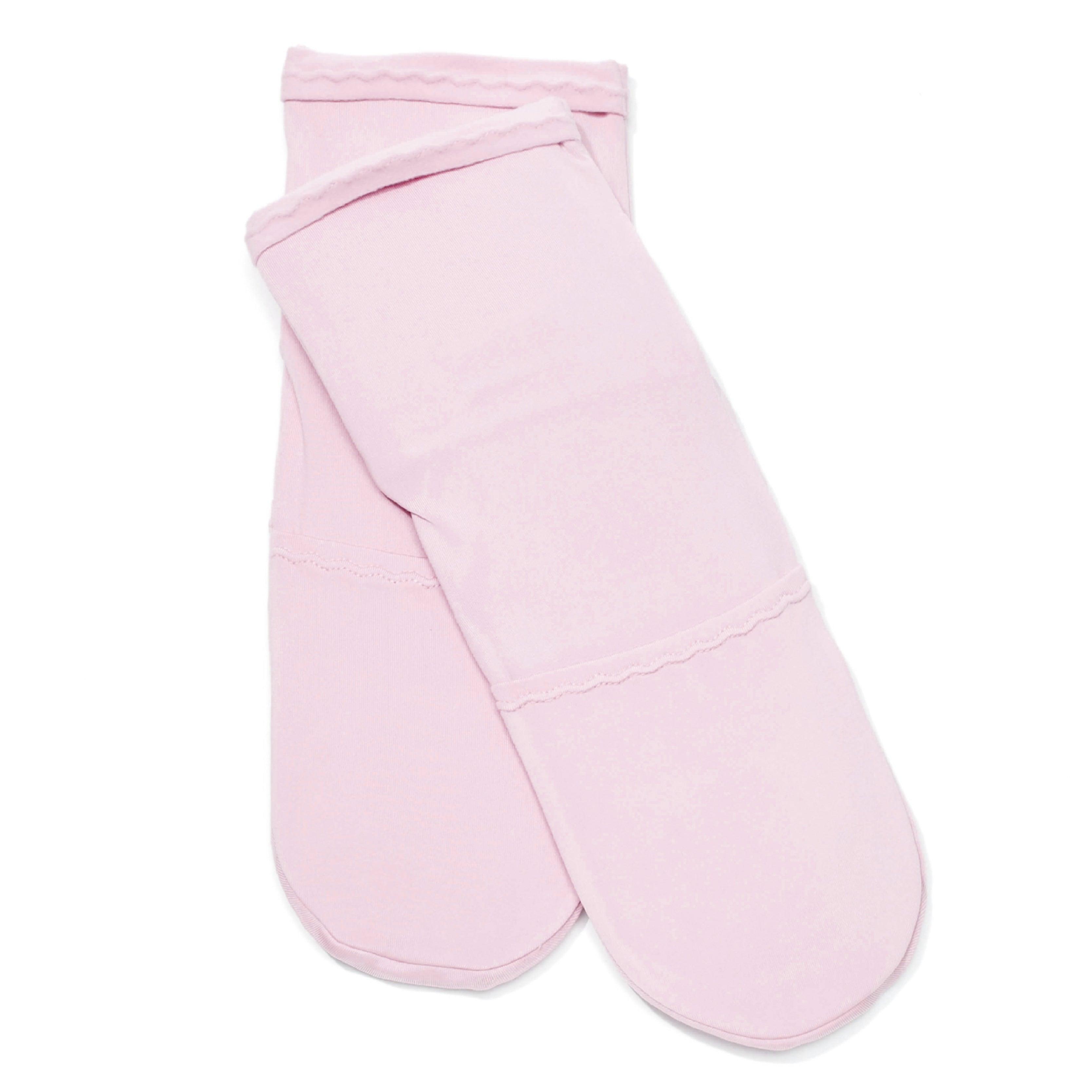
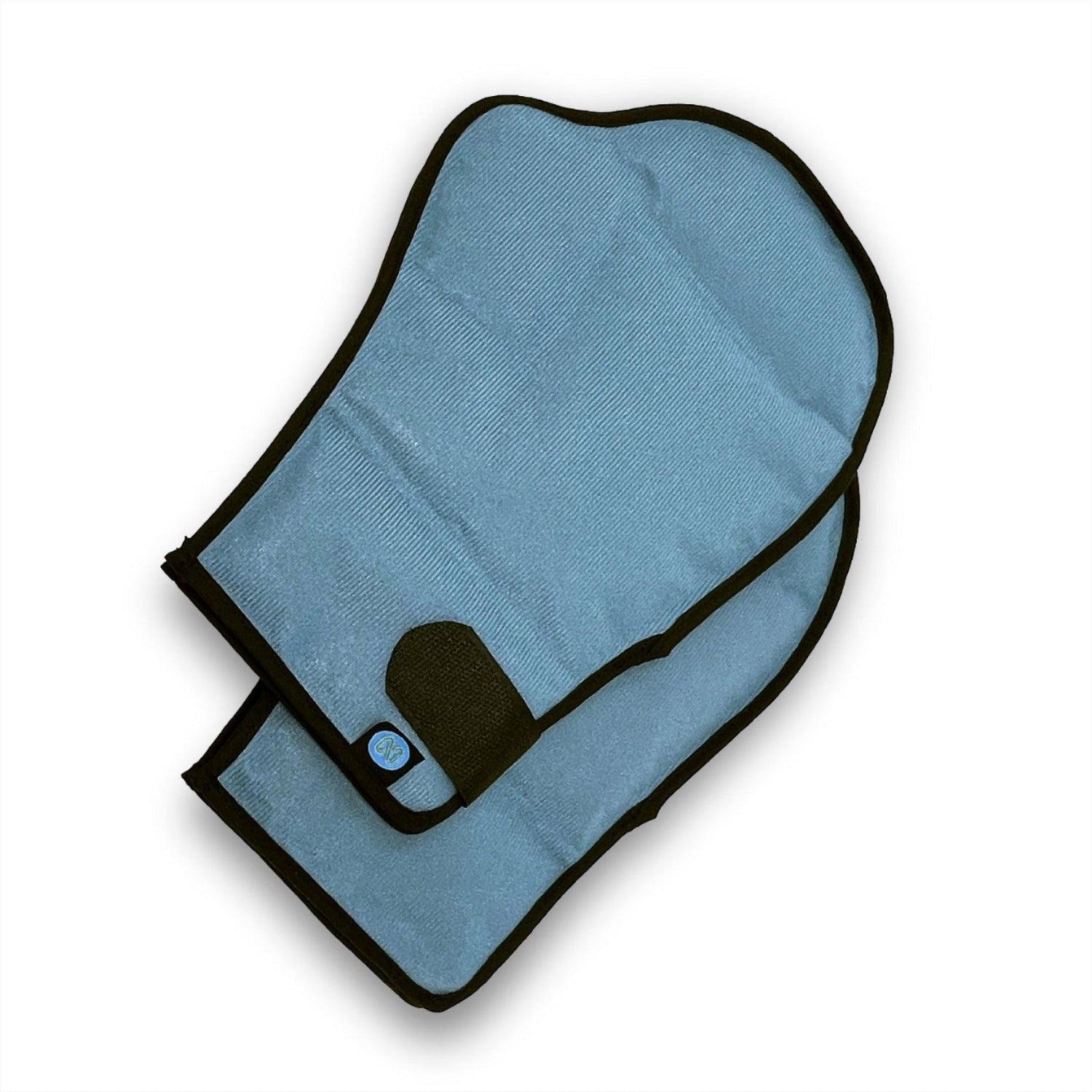
Look for gel packs that are made just for the shoulder. Many of these come as a cold therapy wrap. They also have straps, so you get a secure fit. This helps the pack stay in place and keeps your hands free. You do not need to hold it, so it is more easy to use. A cold therapy wrap with premium material is a good choice. It will make the gel packs last longer and stop leaks.
Here are a few key features to consider:
-
Flexibility: The pack needs to be flexible when it is frozen. This helps it fit well to your shoulder.
-
Secure Fit: You should look for a pack that has adjustable straps. This will give you a secure fit, so you can use your hands.
-
Size and Shape: Make sure to pick a pack that can cover the front, top, and back of your shoulder.
-
Material: A pack made of strong, high-quality material stops leaks and gives you more use over time.
-
Plush Cover: Some packs have a plush cover. This helps protect your skin.
Why FlexiKold Is Recommended for Post-Surgery Recovery
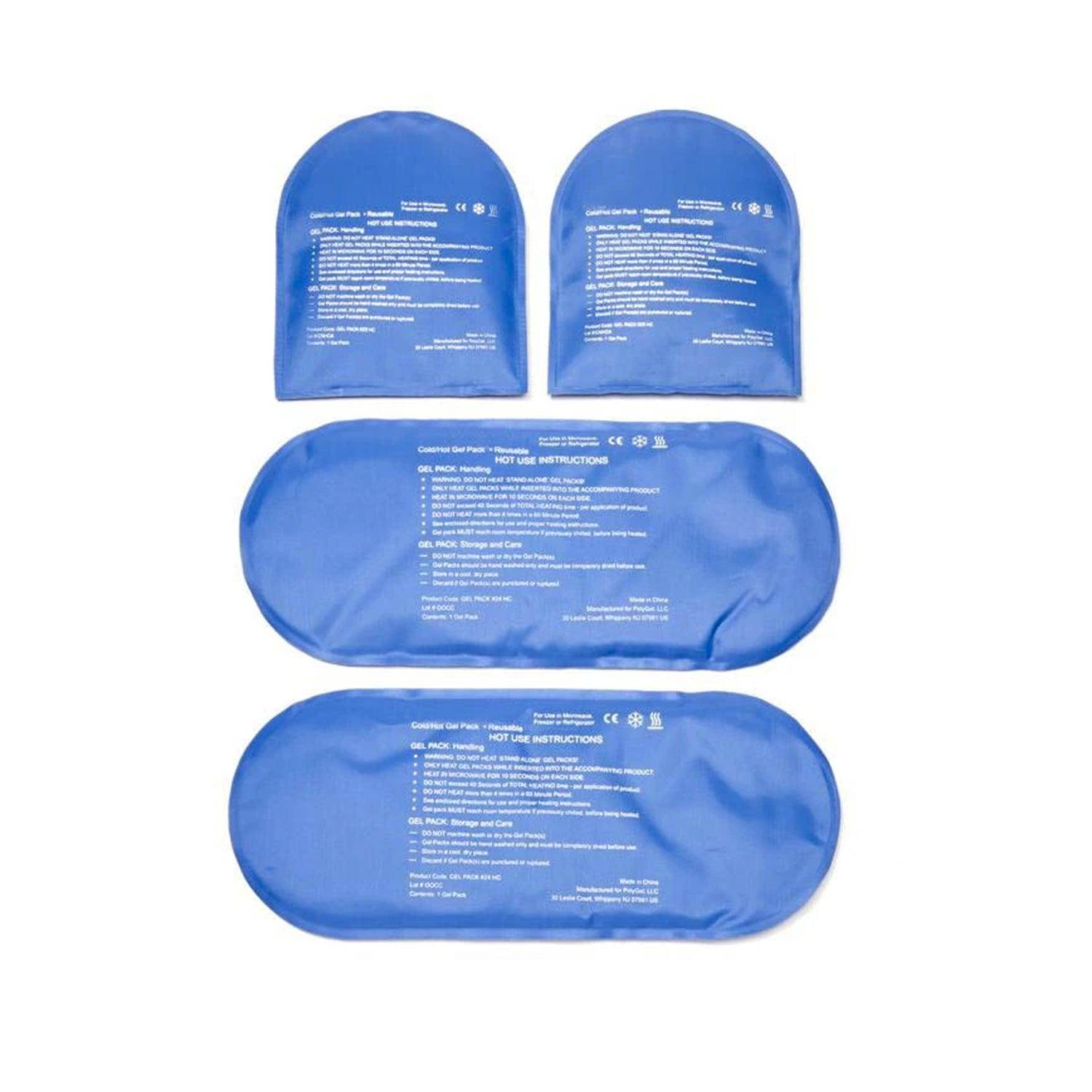
For people recovering after surgery, FlexiKold gel packs can be a good option. The gel packs are made to keep cold for a long time. This means you get steady cold therapy on the affected area. Many people find this helpful for shoulder rotator cuff tears. Using cold therapy with gel packs helps lessen pain that comes and goes when you heal from surgery like rotator cuff tear surgery.
The FlexiKold gel packs stay flexible even when they are frozen solid. This is a big advantage for cold therapy. You can wrap the pack around your shoulder, and it will fit well into the shape of your body. This means that the cold can get deep into the tissue and help with pain relief. The design of the gel packs makes sure you get cold therapy right where you need it for the best results.
FlexiKold packs can be used many times. They are made in a way that lasts long. These packs are a good choice that saves money over time. You can use them through your whole recovery after shoulder surgery. They help you feel better where you need it most. That is why many people say FlexiKold packs are great for anyone dealing with shoulder surgery healing.
Proper Method to Apply an Ice Pack to Your Shoulder
Applying an ice pack the right way matters as much as picking the correct one. The main goal is to make cold therapy work well and keep your skin safe. If you use it wrong, you might not get the benefits. It can even hurt your skin.
Using a shoulder ice pack wrap or a shoulder brace made for cold therapy can make things easier. These items keep the ice pack in place on your shoulder. You get a secure fit, so the ice pack stays on without you having to hold it. The steps below will show you how to do this the right way and stay safe while using cold therapy.
Step-by-Step Guide to Wrapping and Securing an Ice Pack
To get the best results from your cold therapy, you need to wrap and fix the ice pack the right way. When you are using something simple, like ice in a plastic bag, you should always put a layer between the ice and your skin. A cold therapy wrap usually has this layer built in, so you do not have to worry.
A shoulder ice pack wrap with neoprene straps is a good choice. The straps help keep the ice pack tight, so you get compression and a secure fit. This means the pack will stay in place and send cold right to your whole shoulder joint.
Follow these steps to make sure you use it in a safe and good way:
-
Prepare the Pack: Make sure your ice pack is well frozen.
-
Protect Your Skin: Always use a thin cloth or towel between the ice pack and your skin. This stops frostbite. If your wrap has a built-in cover, you do not need to do this.
-
Position the Pack: Put the ice pack right over the area on your shoulder that hurts the most or is swollen.
-
Secure It: Fasten the straps of the shoulder ice pack wrap to hold it in place. It should feel snug, but not so tight that it cuts off blood flow.
-
Apply for the Right Duration: Keep the pack on your shoulder for 15 to 20 minutes.
Tips for Comfort and Safety During Cold Therapy
Cold therapy is safe for most people. But there are a few things you should keep in mind for your safety and comfort. You need to watch out for skin damage if you put cold on your skin for too long. So, it is important to pay attention and be careful.
Always pay attention to what your body tells you. If you feel any sharp or stinging pain, or see that your skin looks too red or too pale, take off the ice pack right away. Your own comfort helps you know if you are using the ice pack the right way. Do not sleep with an ice pack still on. This can make a cold injury much more likely.
For a safe experience, keep these tips in mind:
-
Use a Barrier: Do not put an ice pack right on your skin. Place a thin towel or the plush cover that comes with your pack between your skin and the ice pack.
-
Limit the Time: Use cold therapy for 15 to 20 minutes each time. This helps stop skin damage.
-
Check Your Skin: Look at your skin after using an ice pack. See if there is redness or any signs of your skin getting hurt.
-
Consult Your Doctor: Always do what your healthcare provider says when using cold therapy.
Best Practices for Using Ice Packs After Shoulder Surgery
To get the most from cold therapy after shoulder surgery, you need to follow some best practices. It is key to stay steady with your routine and use this at the right times. Doing this helps you handle pain and swelling better. Your healthcare provider will share steps made just for you, but there are some basic rules that fit most cases of recovery.
Using an ice pack the right way is not just about putting it on your shoulder. You need to know how long you should use it each time, how often you should do it again, and what steps to take to keep yourself safe. If you follow these tips, it will help make healing feel better and easier.
How Long and How Often to Apply Ice Packs
A good rule of thumb for using an ice pack is the "20 minutes on, 20 minutes off" method. But it can be better to be a bit more careful. Try to use cold therapy or an ice pack for 15 to 20 minutes at a time. This is the right amount of time to help lower swelling and ease acute pain. It also helps make sure you do not hurt your skin or the area below it.
The number of times you use an ice pack depends on how you feel after surgery. In the first days, your pain and swelling will be at a high point. So, you may need to use an ice pack quite often. As rotator cuff pain and swelling start to go down, you can use the ice pack less often. Make sure you let your skin feel normal again between each time you use the ice pack. This usually takes at least one or two hours.
Here is a basic plan you can use. But make sure to talk to your doctor for advice that is right for you.
|
Recovery Phase |
Duration of Icing Session |
Frequency |
|---|---|---|
|
First 48-72 Hours |
15-20 minutes |
Every 1-2 hours while awake |
|
Week 1 |
15-20 minutes |
4-5 times a day |
|
Week 2 and beyond |
15-20 minutes |
2-3 times a day, or as needed for pain |
Common Risks and Precautions When Using Ice Packs
While cold therapy can help you a lot, it also has risks if you do not use it the right way. The biggest issue to watch out for is skin damage. This can start as just a little skin irritation, but it can get worse and even lead to frostbite. A cold pack may cause this if you put it right on the skin, or if you keep it there for too much time.
Yes, you can ice too much after surgery. If you use ice too much, it can hurt your skin and nerves. This can make your recovery take longer. It is good to let your skin rest between icing times so the blood can come back to the area. You should always look at your skin and feel for changes. Stop right away if your skin feels numb for a long time or if you see any change in color.
Always keep these precautions in mind:
-
Avoid Direct Contact: Always put something between the ice pack and your skin.
-
Mind the Clock: Keep each cold therapy session to 20 minutes or less.
-
Don't Ice Over Broken Skin: Don't put a cold pack on skin with open wounds, blisters, or rashes.
-
Listen to Your Body: If you feel something is wrong or the pain gets worse, stop cold therapy and talk to your healthcare provider.
Conclusion
Using an ice pack after shoulder surgery is important. It helps to ease pain and lower swelling. Cold therapy gives comfort and speed up recovery. The FlexiKold shoulder ice pack is a good choice because it has features made for people after surgery. If you use your ice pack right and follow tips for cold therapy, you can help your body feel better and heal well. Taking care of your recovery matters as much as the surgery. If you want the best results after shoulder surgery, try the FlexiKold shoulder ice pack.
Frequently Asked Questions
Can I Use a Reusable Ice Pack Like FlexiKold After Rotator Cuff Surgery?
Yes, a reusable ice pack like FlexiKold is a good choice for cold therapy after rotator cuff surgery. The gel packs in it are soft and can fit well on the shoulder, so you get relief where you need it. Because it is a reusable ice bag, you can use it again and again. This makes it easy and helps you save money during your recovery period.
Is a Gel Ice Wrap or Ice Machine Better for Shoulder Recovery?
Both a gel ice wrap and an ice machine work well for cold therapy after shoulder surgery. A gel wrap is easy to use, low in cost, and you can take it anywhere. An ice machine gives steady, moving cold water, but it costs more and is harder to move around. A lot of people feel a gel ice wrap covers what they need for cold therapy after this kind of surgery.
Where Can I Buy the FlexiKold Shoulder Ice Pack in the United States?
You can buy the FlexiKold shoulder ice pack from big online stores like Amazon. This ice pack is a good pick for home use. It gives a secure fit and is made with premium material. The ice pack is strong and will help you feel better during your recovery.
Do ice packs help after shoulder surgery?
Yes, ice packs can be very helpful after shoulder surgery. Using cold therapy on the injured area can make swelling and muscle spasms go down. It also helps with pain relief and lets your tissues heal better. This helps make recovery feel more comfortable.
Can I ice too much after surgery?
Yes, you can use an ice pack too much after shoulder surgery. If you put ice on for more than 20 minutes at one time, or do not use something to cover your skin, it can cause skin damage or even frostbite. Always do what your healthcare provider tells you, and make sure to let your skin rest between cold therapy times.
What are the worst days after shoulder surgery?
The first two or three days after shoulder surgery can be tough. You may feel a lot of acute pain and see swelling during this time. This is because your body reacts the most in these early days. Taking care of the pain well is important. It helps you feel better and can shorten your healing time.
Why sleep in a recliner after shoulder surgery?
Sleeping in a recliner after shoulder surgery is a good idea. It helps your upper body stay up, and this can help lower swelling and shoulder pain. A recliner also stops your arm from moving too much when you sleep. This way, you will not turn or roll into a spot that could make your shoulder pain worse or hurt it again.