
Key Highlights
Here’s a quick look at what we'll cover:
-
Your core body temperature drops when you are about to sleep. This is an important part of your circadian rhythm.
-
If this drop in body temperature is disturbed, like when you are in a warm room or when you have hot flashes, you can find it hard to sleep. It also lowers sleep quality.
-
Chronic pain and inflammation can stop your body from controlling its temperature well. This process is called thermoregulation.
-
When you have poor sleep, your body can feel more pain. This starts a bad cycle where chronic pain and poor sleep feed into each other.
-
A cool bedroom, kept between 65–68°F, can make your sleep quality better. It can help to bring you some pain relief too.
-
Using cold therapy just before bed can ease some pain from inflammation and help you get better rest.
Introduction
If you live with chronic pain, you know how hard it is to get good sleep. When you feel sore, you move around in bed all night. This keeps you tired, and your pain might feel worse the next day. But did you know the temperature in your bedroom could be one of the biggest reasons for this? There is a strong link between sleep temperature, your body’s clock, and how you feel pain. Knowing about this can help you get better sleep. It also helps you work on pain management and feel good when you wake up the next day.
The Connection Between Temperature, Sleep, and Pain
Your body temperature, sleep cycles, and pain levels are closely tied together. The circadian rhythm is your body's natural 24-hour clock. It causes your core body temperature to fall in the evening. This drop tells your brain to get ready for sleep. It is an important step and cannot be missed.
When this drop in temperature is disturbed, like when the room is too warm, when you feel sick, or when there are changes in your hormones, it can stop you from getting to sleep. It can also lower the quality of your rest. This is important because poor sleep can make people feel pain more. In the next part, we will go over how these changes happen and what they do when they do not work right.
Understanding Core Body Temperature Fluctuations During Sleep
Every night, your body temperature goes down a bit. This happens because of the circadian rhythm. A drop of one to two degrees lets your brain know it is time to sleep. When your core body temperature lowers, you can start the deeper parts of your sleep cycles. It also helps you stay in those stages, so you feel rested.
This drop in temperature helps you get good rest. The body does this by sending more blood to your hands and feet. This move releases heat from the body. You may feel your feet get warmer right before you feel sleepy. That is your body working through this process.
If something messes with how your body cools down while you sleep, sleep problems can start to happen. A sleep schedule that stays the same each day helps keep your body on track. But things outside your control can mess up this routine. This can make you feel tired and stop your body from getting the good rest that it needs to feel better.
How Thermoregulation Influences Sleep Onset and Pain Thresholds
Thermoregulation is the way your body keeps its core temperature steady. This system works the most at night. It tries to set up good conditions for you to sleep. When you try to sleep, your body needs to cool down. If the room is too warm, your body cools down slower. This can make you stay awake longer.
This link also affects your pain threshold. If you do not get enough deep sleep that lets your body rest, your nervous system becomes more sensitive. Because of this, the same amount of pain can feel much worse.
Good thermoregulation helps you fall asleep fast. It helps you reach the deep sleep stages. This is when the body does repair work. When you support the natural cooling process, you can help your sleep get better. It may also increase your pain tolerance.
Role of the Hypothalamus in Sleep and Pain Regulation
Deep in your brain, there is a small area called the hypothalamus. It works like a control center for many important jobs in your body. The hypothalamus helps manage your body's clock. It helps control your body temperature. It also has a big role in your sleep. The hypothalamus cools your body at the right time so you can go to sleep. This tiny part is very important for how you feel every day.
The hypothalamus helps with pain perception. The nerves that feel temperature and pain are close to each other. That is why pain can feel worse at night. When your body changes with the time of day and there are fewer things to do or think about, your brain may notice pain signals more.
When your hypothalamus is working the way it should, it helps control hormones and keeps your body at the right temperature. This helps you have restful sleep. But if you feel pain or have a poor sleep space, this process can get disturbed. It can make your sleep quality worse and you may feel even more discomfort.
How Disrupted Thermoregulation Impacts Sleep Quality
When your body's way of keeping temperature steady is not working right, your sleep quality starts to drop. This can be hard for people who live with chronic pain. If your core body temperature does not go down before bedtime, it can make it hard to fall asleep. You may wake up often too. Plus, you may not be able to get the deep rest your body needs to feel better.
This causes a tough cycle. Pain can mess up the way your body controls heat. This makes it hard to get good sleep. Poor sleep can make you feel even more pain. Next, we will look at the things that upset this balance. We will also talk about how these things change your sleep cycles.
Factors That Disturb Temperature Balance at Night (Hot Flashes, Illness, Environment)
There are several things that can stop your body from staying at the right temperature at night. This can make it hard for you to sleep well. One big reason is your sleep environment. If the bedroom temperature is too high, your body finds it hard to cool down. This can make it tough to get good sleep.
Chronic conditions and different times in life can change how you feel. When people go through perimenopause or menopause, they may get hot flashes and night sweats. These make their body temperature go up fast and wake them in the night. Being sick with a fever does the same thing. It raises core temperature and makes restful sleep hard to get.
Other common culprits include:
-
Hot weather and high humidity can make it hard for you to feel cool.
-
Bedding and pajamas that keep heat in may stop you from getting comfortable.
-
Eating spicy foods, drinking alcohol, or having caffeine before bed could keep you awake.
-
Doing intense exercise late in the day can also make it tough to sleep.
Each of these things can upset the natural cooling process that your body needs. You need this natural cooling process to fall asleep and stay asleep.
Effects of Poor Temperature Regulation on NREM Sleep and Deep Sleep Cycles
Your sleep is broken into cycles. These cycles move between lighter NREM stages and deeper ones. The deep sleep stage is often called slow-wave sleep. In this stage, most of your healing and memory work happens. This stage is also the most at risk if there is a change in temperature.
When the sleep temperature is too high, you might not get into deep sleep. This can also make it hard to stay in that deep sleep. You may spend more time in light sleep cycles. You wake up more often and feel not rested in the morning.
Not getting enough deep sleep can directly affect how you handle pain. If your body has little time to fix itself, swelling in the body can go up, and you feel pain more. When your body cannot keep its temperature the right way, you lose out on the best part of your sleep. This leads to poor sleep, and you feel worse pain. A lack of deep rest can hurt both your pain management and your sleep quality.
The Cycle of Poor Sleep and Increased Inflammatory Pain
The relationship between sleep and pain goes both ways. Persistent pain, mostly from issues like arthritis, can make it hard to fall asleep. Poor sleep also makes pain feel worse and increases inflammation in your body.
When you do not get enough good sleep, your body makes more of certain proteins that can cause swelling. These proteins can make your pain levels go up. This leads to a bad cycle. Pain makes it hard to sleep, and not sleeping enough makes pain feel worse.
This is why you need to deal with sleep problems when you have chronic pain. Taking steps to improve your sleep can help break the cycle. It can also reduce inflammation in the body and lower your pain levels. When you feel less pain, your quality of life can get better.
Body Temperature, Chronic Pain, and Sensitivity to Heat or Cold
If you live with chronic pain, you may feel more sensitive when the temperature changes. This is not just in your head. Many chronic pain conditions can make you feel heat or cold more than other people. This can change your sleep quality and how comfortable you feel, mostly at night.
This problem with feeling hot or cold can make setting up a good sleeping environment hard. A room that seems okay to others might feel too warm or cold for you. This can cause pain and mess with your sleep. Let’s talk about why this happens and how it links to illnesses like arthritis or fibromyalgia.
Why Some People are More Sensitive to Temperature Changes at Night
People with chronic pain often feel changes in temperature more, especially at night. This happens because the nervous system is not working the way it should. In conditions such as fibromyalgia or neuropathic pain, the nervous system can get too active. It can read normal feelings, like heat or cold, as pain.
At night, your core temperature changes as you sleep. This can make you feel those shifts a lot more. The cooling down that helps you drift off can feel too cold. A small rise in heat from your blankets can feel too much and may cause pain.
This can cause big sleep problems. Your body tries hard to keep a good and steady temperature. This fight to stay cool or warm keeps you from getting into a deep, restful sleep. Because of this, pain levels may get worse the next day.
The Science Behind Temperature Sensitivity and Conditions Like Arthritis and Fibromyalgia
For people with chronic pain, like arthritis or fibromyalgia, it is common to feel more pain with temperature changes. A lot of people feel worse when the weather is cold or damp. A drop or change in barometric pressure and temperature can make the fluid in joints get thicker. This can cause more stiffness and pain, especially in people with osteoarthritis.
In fibromyalgia, the nervous system does not work as it should. It handles pain and temperature signals in a different way. With this central sensitization, the brain makes these feelings stronger. A breeze can feel really cold, and a warm room can feel too hot. This messes up the body clock and makes it hard to sleep.
The nerves in the body that feel temperature and pain are connected. Because of this, when you feel a change in temperature, your brain might pick it up as pain. This can connect the weather, how comfortable you feel, and how well you sleep.
Interaction of Circadian Rhythm Temperature Shifts With Pain Perception
Your circadian rhythm controls how your core body temperature goes up and down during the day. This change happens over 24 hours. It is a big part of your sleep schedule. When your body temperature drops at night, it lets you know it is almost time for bed. But, these normal changes in body temperature can also affect how you feel pain.
Studies show that pain can feel worse at night and early in the morning. This happens when your core body temperature is at its lowest point. During this time, the level of cortisol in your body drops as well. This might make pain feel stronger because cortisol helps fight swelling in the body.
This means that even if you do not have a pain problem, you may feel more discomfort at night. For people with chronic pain, the normal drop in body temperature at night can make pain feel worse. This can also make it harder for them to find pain relief and get good rest. Keeping a consistent sleep schedule can help steady your circadian rhythm. A regular sleep plan may also help ease some of these problems.
Research Insights: Optimal Sleep Temperature for Pain Relief
Many scientific studies say a cool room can help you get better sleep. If you want better sleep quality, keeping your room cool may help you fall asleep faster. A lower ambient temperature can also help you get more deep sleep. For people who need pain relief, this is even more important. Previous studies have shown that your bedroom temperature really matters for your sleep.
A cooler place helps your body's natural way of cooling down. This is needed for good sleep that can help manage pain levels for the next day. Let's look at what most doctors say about the best sleep temperature. Even small changes can have an effect on your sleep and pain.
Clinical Evidence for the Best Sleep Temperature Range (65–68°F)
Many sleep studies show that the best bedroom temperature for most adults is between 65 and 68 degrees Fahrenheit (18–20°C). A cool room like this helps your core body temperature go down. This drop makes it easier for you to fall asleep and stay asleep. A cooler room can mean better sleep, help with sleep quality, and even give some pain relief. Keeping the right body temperature at night can make a real difference for us.
Sleeping in a room where the temperature is in this range can help you go to sleep faster. You may wake up less during the night and spend more time in deep sleep and REM sleep. This is good for people with chronic pain. Getting this kind of restful sleep can help with their symptoms.
Here is a quick guide showing how different temperatures can change the way you sleep:
|
Temperature Range |
Effect on Sleep Quality |
|---|---|
|
Above 75°F (24°C) |
Can significantly disrupt sleep, reduce deep sleep, and increase wakefulness. |
|
65–68°F (18–20°C) |
The optimal range for most people to support the body's natural sleep cycle. |
|
Below 60°F (15°C) |
May be too cold for some, causing discomfort and shivering that can disrupt sleep. |
Setting your thermostat to the right range is an easy step. It will help you have a better night’s sleep.
Impact of Too Warm or Too Cold Environments on Sleep Onset Latency and Pain Levels
The temperature in your bedroom can have an effect on how fast you fall asleep. If the room is too warm, your body finds it hard to cool down. This means your body cannot get to the lower temperature it needs for sleep. Because of this, you may feel restless or even get upset. The right ambient temperature is important to help you sleep well.
On the other hand, a room that is too cold can also bother you. If you feel cold and start to shiver or feel stiff, it can be hard for your body to relax and go to sleep. This kind of discomfort can make pain levels feel worse. It can be even harder for people who feel joint stiffness or have muscle pain.
If the sleep temperature is not right, it can make your sleep quality worse. When you don't get good sleep, your body may feel more pain the next day. People with chronic pain may feel that pain get worse. If you want to fall asleep fast and feel less pain, it is important to pick the "just right" sleep temperature.
High Temperatures, Seasonal Changes, and Their Effects on Pain Management at Night
Seasonal changes, mainly when the hot weather comes, can make pain management at night harder. When it is hot, the body finds it tough to cool down. This means your sleep can get broken and you may spend less time in deep sleep, which is important for your rest. If you have chronic pain, this may lead to harder mornings.
During the summer or if you live in a place with a warm climate, you may wake up more at night because you feel too hot. This can lower your sleep quality. When you do not sleep well, your body can have more swelling. This can make chronic pain symptoms feel worse for you.
A change to colder weather can also cause problems. A cool room is helpful, but if the room is cold and damp, it can make joint stiffness and pain worse for people with arthritis. When days get shorter and there is less light exposure in winter, your circadian rhythm can be disrupted. This can make sleep and pain management harder.
Practical Strategies to Manage Temperature for Better Sleep With Pain
Now that you know how temperature, sleep, and pain are connected, you can make some easy changes each day to feel better at night. Small updates to your daily routine and the way you set up your bedroom can make a significant difference. These steps can help your body control its temperature, which means you can get more restful sleep.
These strategies do more than just change the thermostat. By following good sleep habits, and by using cooling techniques for yourself, you can help your body feel better at night. This helps with better sleep and pain management. Let’s look at some tips you can try tonight.
Preparing Your Room: Ideal Thermostat Settings and Air Circulation Tips
The right sleeping environment begins with the thermostat. Try to set the temperature between 65 and 68 degrees Fahrenheit. Do this about an hour before bed. This time helps your room get cool. A cool room tells your body that it is time to relax and get ready to sleep.
Good air flow is important to keep your bedroom cool and feel good. If there is no movement in the air, it can feel hot. A fan will help move the air so you feel a soft, cool breeze. If you have a ceiling fan, set it to spin counter-clockwise in the summer. This helps push the cool air down and lets you enjoy a bedroom cool even on warm days.
Here are a few more tips for optimizing your room:
-
Use blackout curtains to stop heat and early sunlight from coming in during the day.
-
Keep your bedroom door open at night. This can help the air move better. Close it if outside noise is a problem.
-
If you do not have air conditioning, put a bowl of ice in front of a fan. This can help make the air feel cooler.
-
Think about using a programmable thermostat. It can automatically make the room cooler when it gets late.
Choosing Bedding, Pajamas, and Mattresses for Temperature Control
What you sleep on and in is important for how warm or cool you feel during the night. Heavy and fake fabrics can trap your body heat. This often makes you feel too hot, sweat during the night, and wake up a lot. It is better to pick things that are known for being easy for air to move through. Look for ones that keep sweat away from your skin. This will help you feel cooler and sleep better.
Look for bedding and pajamas made from natural fibers. These let air move through, and also pull sweat away from your skin. They help you stay cool and dry in the night. This can be good if you have hot flashes or night sweats.
Consider these options for better temperature control:
-
Bedding: The linen, bamboo, and long-staple cotton sheets are good to have when you want to feel cool at night.
-
Pajamas: Pick pajamas that fit loose. The best ones are made from cotton or bamboo, as they let air flow while you sleep.
-
Mattresses: A lot of new mattresses use cooling features. Some of these have gel in memory foam or hybrid types, to help air move and keep you cool.
Choosing the right materials is important. It helps you feel good and get better sleep. The right materials can also help with pain relief and improve sleep quality.
Personal Cooling Techniques and the Use of Wearables for Thermoregulation
There are some easy ways that you can use to cool down your body temperature before you go to bed. You can take a warm bath or shower about one or two hours before bedtime. It might seem strange, but after you get out, your body cools down. This drop in body temperature tells your brain that it is time to sleep.
You can also focus on your pulse points. These are spots where blood vessels are near the skin, like your wrists, neck, and ankles. If you run cool water over these areas or use a cool cloth, it can help lower your body temperature fast.
In the last few years, there have been new wearable devices made for thermoregulation. You can wear these bands on your wrist or head. They can help cool or warm your body. This helps you fall asleep faster and feel good all night. These gadgets can cost a lot, but they may be good for you if you have trouble controlling your body temperature and want better sleep.
Cold Therapy Before Bed: Techniques, Tips, and Tools
For people who feel pain in one spot after an injury, from arthritis, or after exercise, cold therapy before bed can help a lot. Putting cold on a sore or swollen area can bring down swelling and stop pain signs for a while. It can make you feel better and help you sleep. Using cold in this way can be a strong part of your pain management routine if you use cold exposure.
It is important to use cold therapy the right way. Doing this helps you get the most benefits and stay safe. In the next part, we will talk about how the process works. We will also share the best tools to use. You will find ways to apply it safely. The goal is to help you feel pain relief and have better sleep quality.
How Cold Therapy Helps Lower Inflammatory Pain and Aids Sleep
Cold therapy, or cryotherapy, makes the blood vessels smaller in the area where you feel pain. This is called vasoconstriction. It lowers the blood flow and helps stop swelling. It also calms the sharp pain that comes from inflammation. By slowing down nerve activity, cold therapy gives good pain relief for a short time.
Cold therapy can help with pain from a sore joint or aching muscle. This may break the cycle of pain and trouble sleeping. When you do not feel sharp pain, your body can relax. It can be easier to fall asleep.
This routine before you sleep can help people who live with chronic pain conditions, like rheumatoid arthritis, or those who feel pain from a new injury. If you calm inflammation before lying down, you make it easier for your body to rest well. A good night's sleep is important for long-term healing and pain management. This sets you up to feel more comfortable and helps with chronic pain.
Safe Application of Gel Packs (Including FlexiKold): Timing, Placement, and Barriers
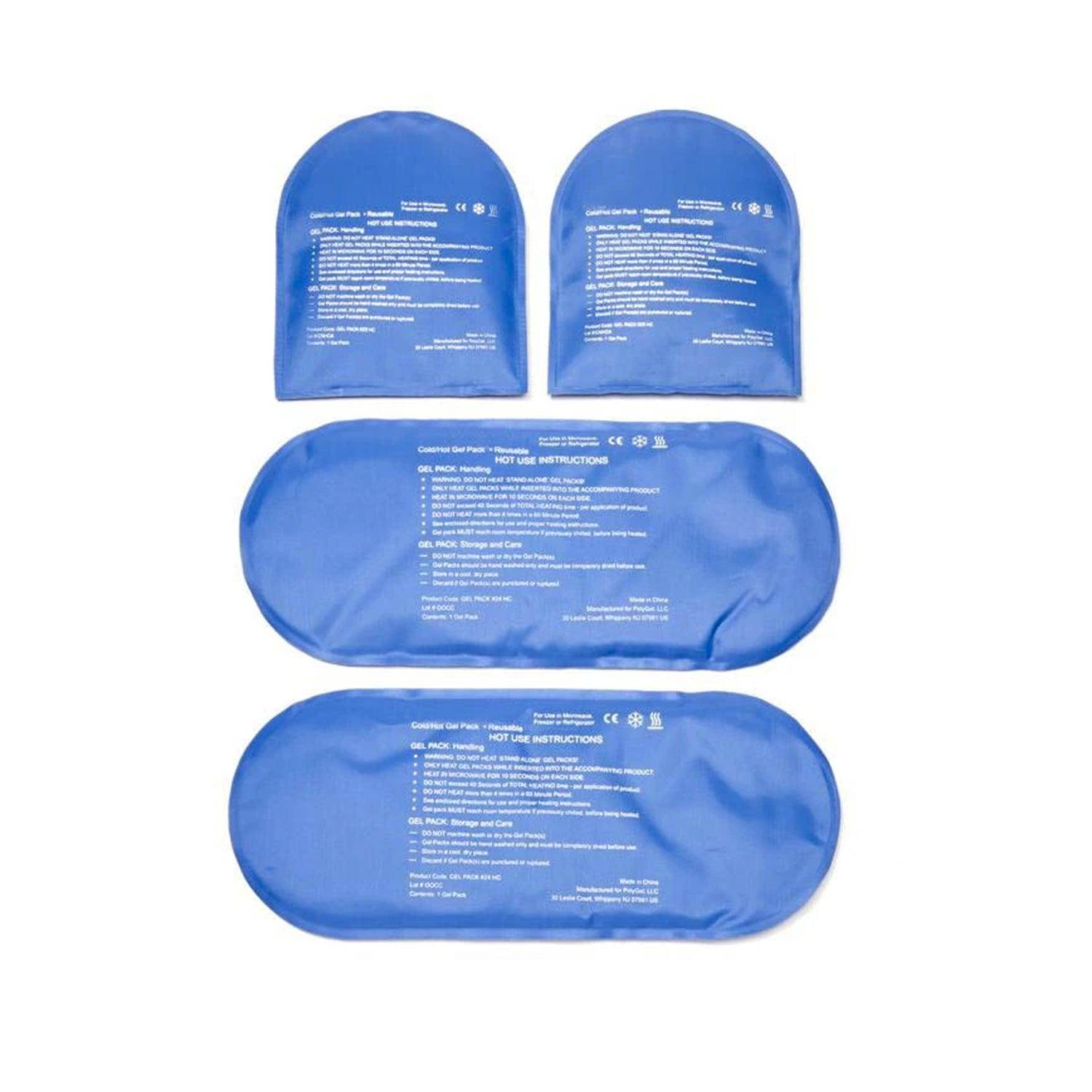
To make cold therapy work well, you should always use safe methods. Flexible gel packs fit your body better than regular ice packs. That means you get cold to more parts of your body, not just one spot. A pack like the NatraCure FlexiKold gel pack is made for this job. It stays soft when frozen and keeps the cold going for a long time. It is HSA/FSA eligible, so anyone can use it for pain management.
The key to safe use is to know when to use the pack and how to protect your skin. You should not put a gel pack right on your skin. It can hurt your skin or cause ice burns. Always use something between the gel pack and your skin, like a thin towel or the cover that comes with the pack.
Here are some easy tips for safe and good cold therapy:
-
Timing: You should use the cold pack for 15 to 20 minutes each time. Do not use it for longer, as that may harm your skin.
-
Barrier: Always put a towel or cloth between the gel pack and your skin.
-
Placement: Place the pack so it covers all the part that hurts, like your lower back, knee, or shoulder.
Matching Cold Therapy to Pain Type: Joints vs. Muscles vs. Systemic Discomfort
Cold therapy works best for pain that comes on suddenly and causes swelling. If you feel joint pain, such as from arthritis or a sprain, you can put a cold pack right on your joint. A cold pack will lower swelling and numb your joint, making you feel better in that spot. This can help a lot for joint pain in your knees, wrists, and ankles, especially before you go to bed.
For sore muscles after you work out, cold therapy can help lower pain and swelling. This can make delayed onset muscle soreness (DOMS) feel less strong. When you put something cold on large muscles like your quads, hamstrings, or lower back, it can make the ache less. This can help you feel better and rest more easily.
Cold therapy does not help with every kind of pain. If you feel pain all over your body, or your muscles feel tight and there is no swelling, like when you get a stiff neck from stress, then gentle heat can be better for you. You should listen to your body and pick the treatment that works best for your pain.
Conclusion
In short, knowing how temperature, sleep, and pain work together can help make your sleep better and ease pain. The right ambient temperature does a lot for your body, so it is important to set up your room for good sleep quality. Simple changes, like changing the room temperature, using cold packs, and picking the right bedding, can help you get better sleep and feel more pain relief. Do not forget how much temperature can do for you when you want better sleep and to feel less pain. If you want tips that fit you, you can book a free talk to get ideas made just for your needs.
Frequently Asked Questions
What is the best room temperature for sleep with chronic pain?
The best bedroom temperature for sleep, if you have chronic pain, is between 65 and 68 degrees Fahrenheit (18-20°C). A cool room helps lower your core body temperature. This is important in getting deep sleep and restores you. A cooler room can make sleep quality better and also gives pain relief.
Can body temperature affect how much pain you feel at night?
Yes, body temperature has a direct effect on how you feel pain. When your body temperature drops at night during sleep cycles, you may feel pain more. A warm room can disrupt this rhythm. This can lead to poor sleep quality and make your pain feel even worse. Poor sleep or poor sleep quality can lower your pain threshold and increase pain levels.
Is it safe to use ice packs or cold therapy while sleeping?
You should not fall asleep with an ice pack on your body. Cold exposure for too long can hurt your skin and nerves. Try to use cold therapy for 15-20 minutes before bed. It will give you pain relief and help you feel good enough to sleep. This is a safer way than leaving an ice pack on all night.
What is the 10 5 3 2 1 rule for sleep?
The 10-3-2-1-0 rule helps you get better sleep and keep a good sleep schedule. It says you should not have any caffeine 10 hours before bed. You should stop drinking alcohol or eating large meals 3 hours before you go to sleep. There should be no more work 2 hours before bed. No screen time 1 hour before sleeping. And do not hit the snooze button in the morning. This simple rule can help you get good rest every night.
Does ibuprofen help sleep?
Ibuprofen may help you sleep if pain from swelling or inflammation keeps you awake. It is a nonsteroidal anti-inflammatory drug, so it can lessen pain and swelling. This can help your body feel better, and let you relax enough to fall asleep. But ibuprofen does not make you feel sleepy on its own, and you should use it only for pain management as told by your doctor.
What to do if I'm in so much pain I can't sleep?
If pain keeps you from sleeping, you can try gentle stretches. Deep breathing may also help. Using cold or heat on the area can give relief. If you have chronic pain, it is important to make a good pain management plan for it. Talk to your healthcare provider about pain that is severe or does not go away. This will help improve your sleep quality.
How does room temperature affect sleep quality for people with chronic pain?
A warm room can make sleep quality worse. It stops your body from cooling down, which is important to sleep well. For people with chronic pain, this can cause lighter sleep and more times waking up. This makes pain levels and swelling go up. A cool room helps you get deeper and better sleep.
Why does pain often feel worse at night, especially when trying to sleep?
Pain gets worse at night because of your circadian rhythm. When your body temperature goes down and your anti-inflammatory hormone levels drop, you feel more pain. At night, there are fewer things to take your mind off it. Your brain thinks about the discomfort more, so it feels stronger when you try to sleep.
What role does body temperature play in the connection between pain and sleep quality?
Your core body temperature needs to go down for you to start deep, restful sleep. This drop in body temperature is important for pain relief and for your body to fix itself. If pain or a warm room keeps your core body temperature from dropping, your sleep quality is not as good. This can make your pain threshold lower and cause pain levels to go up.
Does sleeping in a cooler room reduce pain sensitivity at night?
Yes, sleeping in a cooler room can help lower pain sensitivity. A cool sleep temperature helps you get better sleep. When you sleep well, it can reduce inflammation and make you feel less pain. Good sleep quality in a cooler room supports the body's healing. This gives you pain relief in an indirect way.
Are there recommended temperature settings for those with both sleep problems and pain issues?
Yes, the best temperature for people who have sleep problems and feel pain is between 65 and 68 degrees Fahrenheit (18-20°C). This range helps your sleep quality get better. A good sleep quality is important for people who want pain relief. A cool room like this may also cut down on inflammation, help manage pain, and let your body feel better.
How do hot weather and seasonal transitions impact sleep quality in people with pain conditions?
Hot weather and changes in the season can make it hard for the body to keep its temperature steady. This often affects sleep quality. For people who live with chronic pain, that means they wake up more often during the night. They also get less deep sleep, which is needed for the body to feel good. When sleep is not restful, inflammation can go up and that may make pain feel worse. This is seen in conditions like arthritis or fibromyalgia.