
Key Highlights
-
At three weeks, you will notice your hip replacement recovery making good progress. You will feel less pain and move better by this time.
-
Keeping up with physical therapy helps make the muscles near your new hip joint stronger.
-
Good pain management means you start to use less pain medication as you feel more comfortable.
-
You can walk with less help now. You may move from using a walker to a cane.
-
You can do some light activities, but do not try anything high-impact. This helps keep your new hip joint safe while it heals.
-
You may still feel some swelling and stiffness, but both should get better each day.
Introduction
You are now three weeks into the recovery process after your hip replacement surgery. This is a big step. You may wonder if what you feel now is normal. Keep in mind that each person can feel different, but many people share some common things at this time. To know what to expect can help you feel better and stay focused.
This guide helps you learn how you should feel at week three after getting your new hip joint. It covers things like pain levels and how well you can move at this time with your new hip.
Understanding Recovery 3 Weeks After Hip Replacement Surgery
The time it takes to get better after a hip replacement is different for everyone. By the third week, the healing process is going well. You are moving past the first hard days and starting to feel stronger. You may feel a bit more independent now. Your new hip joint is starting to feel more like a part of your body.
This week is really important because it helps set the base for your later success. The way you stick to physical therapy and listen to what your care team says will decide how fast you move forward. In this third week, you will get to see how things feel, and it will be helpful to look at how things have changed from the start to now.
What to Expect in the Third Week Compared to Week 2 Hip Replacement Progress
By the third week, you will feel a clear change from how it was in week two. In the second week, you were still using a walker a lot. There was also a lot of hip pain that made you feel sore. Now, things get better by week three. It will feel like you have more freedom to move. The hip pain should not be as bad, and you may use less pain medication.
Your range of motion will get better. The stiffness you felt a lot in the first two weeks should start to go away. This will help you do your daily activities with more ease. Tasks that were hard just one week ago may now feel easier to handle. This shows that your body is getting used to the change and healing.
Always listen to what your care team tells you to do. If you try to do too much, it can slow you down. You may feel good about the progress you make in week two and week three. But you should still move at a steady speed. This will help you to have a smooth recovery.
How Hip Replacement Recovery Changes from Week to Week
The recovery process after a hip replacement has clear steps week by week. In the first week, the main goals are to start healing and manage pain. You also start walking a bit with a walker. During this time, your daily activities are very limited. You will need a lot of help from others.
Physical therapy gets more active when you start the second week. At this stage, you do exercises to get your strength and flexibility back. Your staples may also be taken out at this time. By the third week, a lot of people start using a cane and are able to do more light activities by themselves. The recovery time gets shorter as you move forward in these early weeks.
Here is a simple outline of how your recovery may move forward. Remember that this is just a guide, as your own experience can be different.
|
Recovery Phase |
Key Milestones and Activities |
|---|---|
|
Week 1 |
Hospital stay, initial steps with a walker, pain management, sponge baths, focus on rest. |
|
Week 2 |
Staples may be removed, transition to showers, continued physical therapy, still using a walker or crutches. |
|
Weeks 3-6 |
Transition to a cane, significant improvement in mobility, able to perform more daily activities, potential to return to driving. |
Common Symptoms and Sensations at 3 Weeks Post-Surgery
Three weeks after hip replacement surgery, it is normal for you to feel a few things while you heal. There may still be some discomfort, stiffness, and swelling at the surgical site. These things happen because your body is getting better from hip replacement. Most people deal with these feelings. They are a normal part of the healing process and usually not something to worry about.
Good pain management is important during this time. You might feel better now, but you still need to watch for problems like blood clots. It helps to know what things are normal and what signs mean you should call your doctor. This will help you feel more sure of yourself as you go through this phase.
Typical Pain Levels and Their Management
At three weeks, your hip pain should feel a lot less than right after surgery. Most people say their pain is around four out of ten or less. You may still feel sore, especially after physical therapy or if you move around a lot, but this pain should not be too hard to handle.
The need for strong pain medication usually goes down during this time. You may start to use over-the-counter pain relievers if your doctor says it is okay. This is a good sign in your recovery process. It means you have made it through the worst part of healing. Real pain relief often comes from using your medication as told, getting rest, and moving gently when you can.
To help you with pain management, it is good to do what your care team tells you. You can read these key steps for pain management:
-
Take your pain medication as your doctor told you. Make sure you take it on time, especially before therapy.
-
Put ice packs on the area. This will help lower the swelling and make the pain feel less.
-
Don't push yourself too hard. Listen to your body and rest when you feel tired.
-
Keep doing your gentle exercises. This stops your joints and muscles from getting stiff.
Swelling, Bruising, and Stiffness: What’s Normal?
Swelling, bruising, and stiffness are normal to feel three weeks after your surgery. This is a part of your healing with a new hip and the new hip joint. These signs show that your body is working hard to heal and fix the area around the new hip joint. Even though these can bother you, they do not last forever. Things should slowly get better with time.
Helping your blood circulation is one of the best ways to deal with these symptoms. Gentle movement, walking, and doing the exercises your doctor gives you, can help cut down on swelling and make you feel less stiff. You may see that swelling gets worse later in the day or if you stand for a long time. This is normal. You can help this by putting your leg up.
Here’s what you should look at and think of as normal for this time:
-
There may be some small to medium swelling around the hip. It can run down the leg too.
-
You might see some bruising. As it heals, the color can go from purple to yellow.
-
A person may feel stiff, especially in the morning or when they have not moved for a while.
-
The cut area can feel warm. This is a normal sign that it is healing.
Mobility and Physical Activity—What Should You Be Able to Do?
By the third week, you should see a steady rise in your mobility and physical activity. The aim is to help you be more independent but still careful with your healing hip. At this stage, you may start to move from using assistive devices like a walker, and begin to use a cane. This change is a big step forward.
It is important to keep up with your daily exercises. This helps you move better and grow stronger. When you feel that you can do more, remember to know what is good for you. Try to only do safe activities. The parts below will show what you can do and what you should stay away from if you want to keep safe and also have good range of motion.
Walking, Climbing Stairs, and Daily Movements
Walking is one of the most important light activities you can do at this time. Try to go for short, regular walks. This helps with blood flow and muscle strength. You may have come out of the recovery room using a walker. By week three, your physical therapist may ask you to switch to a cane. You may even be able to walk short distances without walking aids.
Climbing stairs is a normal part of your day, and the hospital staff will show you how to do this before you go home. Most patients can use stairs if there is a strong railing. The most important thing is to move slowly, one step at a time. Use your good leg first when going up. When coming down, lead with your leg that had surgery.
You should now be able to take care of more daily activities on your own. This means you can get dressed and use the bathroom without much help. You may still need a raised toilet seat to keep you from bending your hip too much.
Safe Activities and Movements Versus Those to Avoid
To have a comfortable recovery, you need to know what moves can help and which ones can slow down the healing process. Safe activities can help build up your muscles. They also help you get better range of motion without putting stress on your new hip. Focus on gentle and steady movements that your physical therapist tells you to do.
On the other hand, there are some things you must stay away from after hip surgery. These are things where you make strong moves, bend too much, or twist your hip. If you do not follow these rules, it can hurt the new joint or slow down how fast you get better. A good way to help with pain management is to watch how your body feels. If you feel strong pain when doing something, stop right away.
Here is a quick guide you can use about what is safe to do and what you should stay away from:
-
Do: Take short, steady walks on flat ground often.
-
Do: Do your physical therapy exercises every day.
-
Don't: Run, jump, or play sports that have a lot of impact.
-
Don't: Twist or turn sharply on the leg you had surgery on.
-
Don't: Bend your hip past 90 degrees or cross your legs.
Pain Relief and Comfort Strategies
As you get more active, it's important to have good ways to feel less pain and stay comfortable. The aim of pain management now is to lower your pain so you can take part in physical therapy and do your daily activities. You often need more than just pain medication to feel better.
Using an ice pack is a good and easy way to help lower swelling and pain. You should always talk with your healthcare provider to find what works best for you. The next parts will give you some tips on how to use cold therapy for a comfortable recovery.
Applying Ice and the Benefits of FlexiKold Medium Gel Cold Pack
Using an ice pack is a key part of the recovery process after hip surgery. Cold therapy makes blood vessels smaller, and this helps give pain relief and lowers swelling around the surgical site. It is good to use ice often, mainly after you exercise or feel sore. This can make you feel much better after hip surgery.
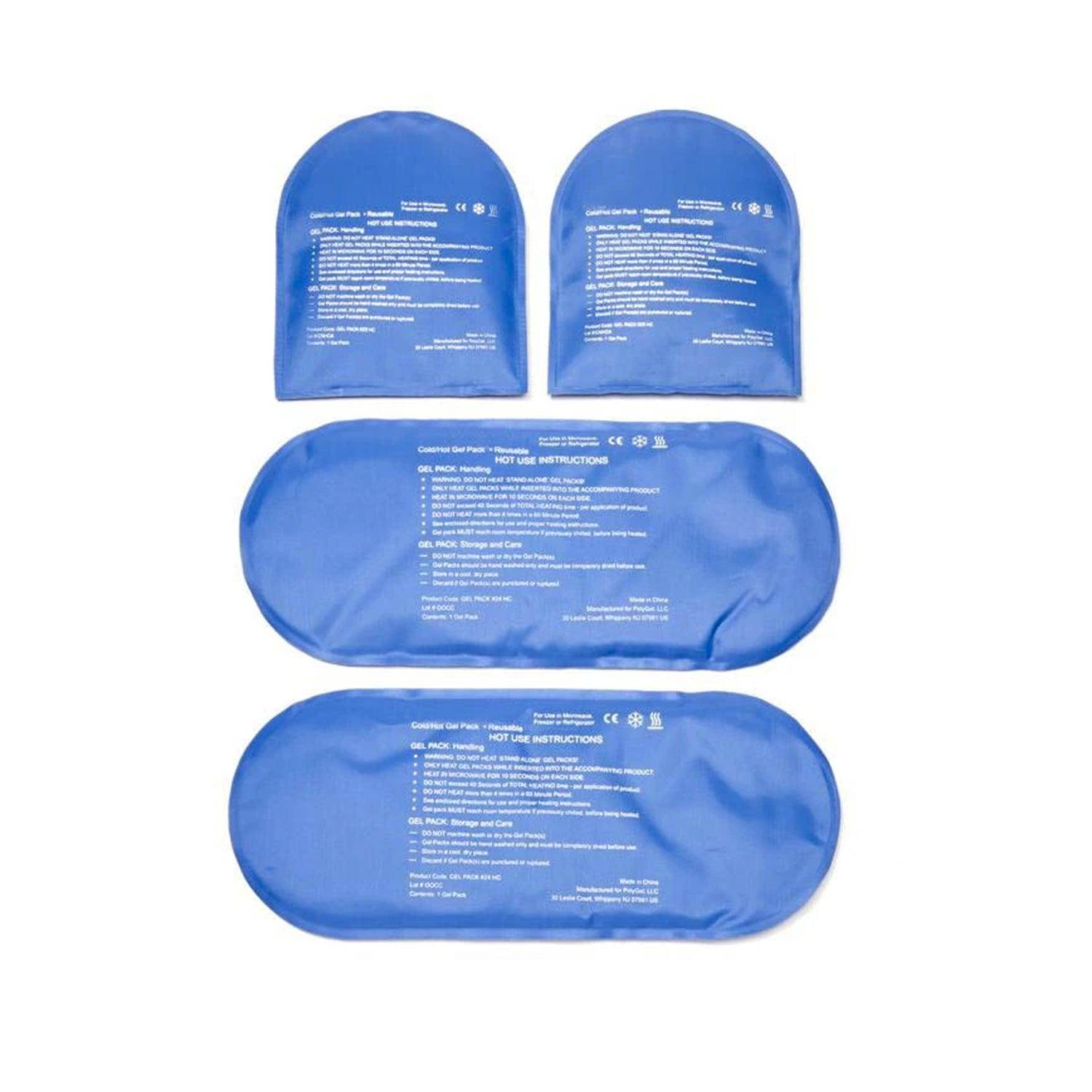
If you want steady and strong cold therapy, try the FlexiKold Medium Gel Cold Pack. This product stays cold longer than other ice packs. The cold pack is also soft and bends even after being kept in the freezer. So, it can fit well around your hip and give you the most relief. It helps you feel better faster by keeping swelling down.
Here are some tips for using an ice pack in the best way:
-
Put the ice pack on for 15 to 20 minutes at a time.
-
Always keep a thin towel between the cold pack and your skin. This will stop you from getting ice burns.
-
Use the ice pack a few times a day, especially right after doing physical activity.
-
Raise your leg while you put ice on it. This can also help with swelling.
Using a Hot/Cold Pack Hip Wrap for Targeted Relief
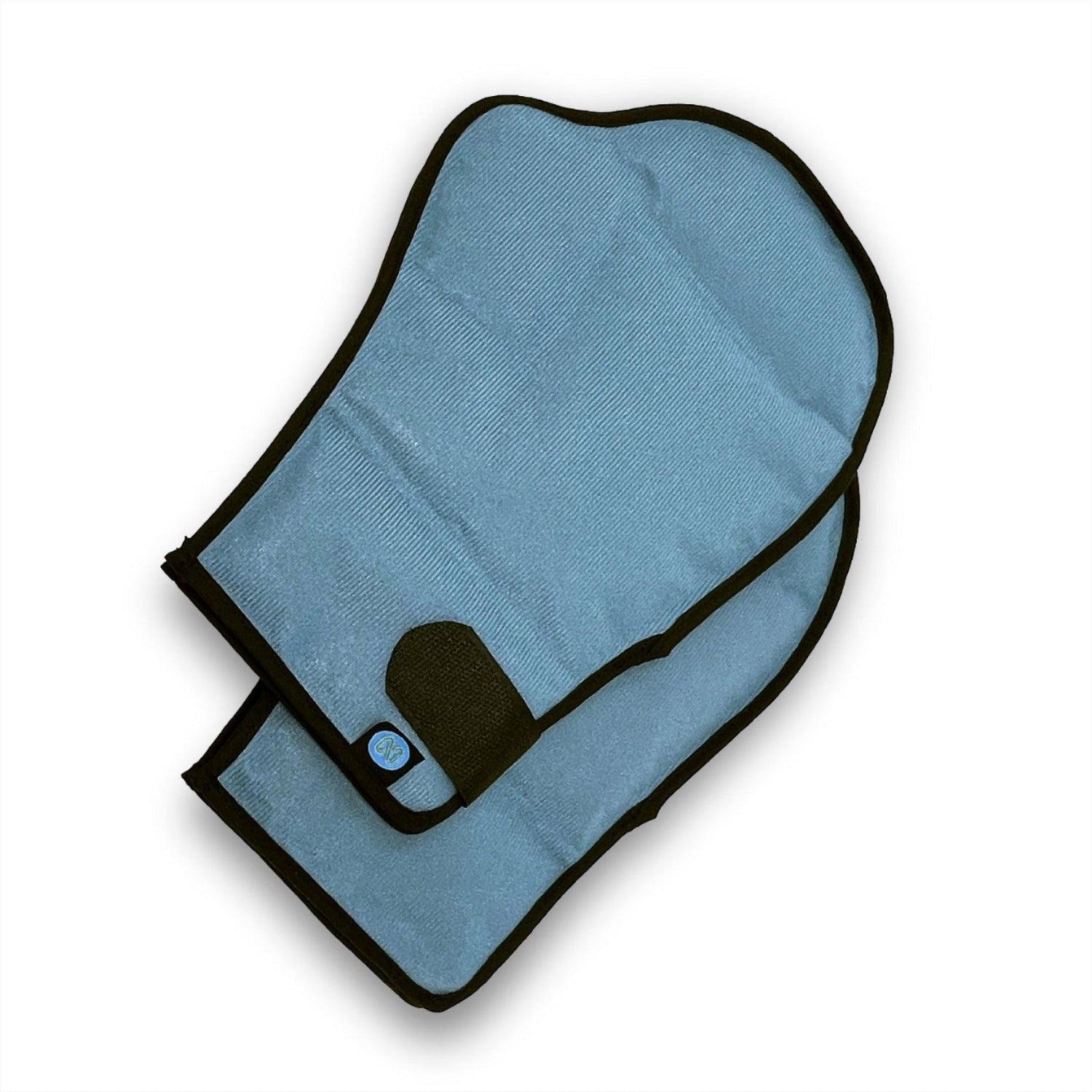
A special wrap for your hip can help a lot with pain management. A product such as the Hot/Cold Pack Hip Wrap lets you feel better right where it hurts the most. This kind of wrap keeps the pack in place, so you get cold therapy without having to hold it.
This hands-free way lets you put ice on your hip pain while you rest, sit, or do some easy moves. It is very handy, and it helps you stick to cold therapy, which is key to dealing with swelling during your recovery time. You can use it before or after physical therapy. It gets your joint ready to move or helps calm it down after that.
When you add a hip wrap to your daily routine, you can do more to help with your pain. A hip wrap helps your body feel better, so getting back to doing what you love will feel easier and be less uncomfortable.
Monitoring Healing and Recognizing Red Flags
It's very important to watch your healing process after surgery. You should keep an eye on how well your surgical site is doing. When things are healing fine, it can make you feel good. But if you spot warning signs, you need to act. They are important for your safety.
Look closely at the area of your surgery. Notice how you feel in general. Be sure to watch for any new or odd symptoms during this healing process.
While serious problems like infection or blood clots don't happen often, you need to know the signs to watch out for. If you have any worries, talk to medical professionals right away. Here, we will tell you what signs are good and which ones are not.
Signs of Good Healing at Week 3
At three weeks, you can see many good signs that your healing process is working. Good healing means you feel less pain and other bad signs, and feel more comfortable moving and doing things. Noticing these changes can help you feel sure about your progress and keep you going with your recovery plan.
You should feel your new hip getting stronger and more steady each day. At first, you may feel sharp pain, but with time it will turn into a dull ache. This ache is easier to handle, and pain relief can help with it. As you feel better, you can start doing more with your hip joint. Taking part in physical activity will help your new hip joint heal well and support your recovery.
Look for these signs of good healing:
-
You feel less pain and do not need as much medicine.
-
The cut is clean and dry. It is closing as it should.
-
You can move better and walk with less trouble.
-
The swelling and stiffness near your hip gets less over time.
Warning Symptoms That Need Medical Attention
Recovery often goes well. Still, you need to watch for any warning signs that may point to a problem. If you notice signs of infection or blood clots, get medical help right away. Do not ignore any unusual symptoms. It is always better to be careful and talk to your healthcare provider.
An infection at the surgical site can show up as more redness, feeling warm, or fluid coming out. A fever is also an important sign to watch for. Blood clots, or deep vein thrombosis, often show up in the leg. You may notice a lot of swelling, pain, or feel tenderness in your calf.
Get in touch with your doctor or go to the emergency room if you feel any of these:
-
Fever or chills.
-
More redness, pus, or a bad smell from your cut.
-
A sudden and strong pain that your pills do not help.
-
Pain, swelling, or redness in your calf, or sudden shortness of breath.
Frequently Asked Questions (FAQ)
It is normal to have concerns about recovery after surgery. Talking about these worries can help make you feel better during this time. A lot of people want to know how to deal with hip pain after surgery. The best thing you can do is use pain medication as your healthcare provider tells you. You should also try the gentle exercises your physical therapist gives you. Doing these things can help you have a smoother recovery process.
Using tools like the FlexiKold Medium Gel Cold Pack or Hot/Cold Pack Hip Wrap may also give you pain relief. These packs can help blood circulation around the surgical site. Better blood flow can help you feel more comfortable and help your body heal. Remember, focus on what can help both your pain and your recovery.
How soon can I start driving again after hip replacement surgery?
Most hip replacement patients are able to get back to driving about two to six weeks after surgery. You will get the final okay from your surgeon and your physical therapist. This will only happen if you are not taking strong pain medication anymore and if you have the muscle control you need to drive the vehicle safely.
When is it safe to ride in a car or travel after hip surgery?
You can usually ride in a car as a passenger for short trips soon after hip replacement surgery. But you should not go on long journeys for about six weeks. This helps lower the chance of blood clots. It is good to stop, stand, and stretch during trips. This will help you keep your range of motion after hip replacement.
How does anterior hip replacement affect the recovery timeline compared to other approaches?
Some people say that an anterior hip replacement helps you get better faster. But studies show that there is not much change in how soon you leave the hospital when you compare this to other ways of doing a total hip arthroplasty. Both types of hip replacement are right for same-day surgery. The main thing for a good recovery is your health, how much you want to get well, and how well you stick to physical therapy. This helps you get your muscle strength back.
Conclusion
As you go through the third week after your hip replacement, it is important to know what to expect. This can help make your healing process smoother. Some pain and swelling are normal at this time. Try to focus on ways to feel better and move more each day. Using items like the FlexiKold Medium Gel Cold Pack and Hot/Cold Pack Hip Wrap can help with pain relief. These products target your hip and help you feel better as you heal.
Be sure to listen to your body. Watch how you feel and notice any changes week by week. This will help you see if there is something that needs medical help. Staying informed and ready will help you have a better recovery journey. If you have any questions about your recovery or want more advice on your hip replacement, feel free to ask for a consultation!