
Key Highlights
Waking up in a sweat doesn't have to be your new normal. Finding relief from hot flashes and night sweats is possible with a few key strategies. Here’s a quick look at what this guide covers to improve your sleep quality during this transition:
-
Understand why perimenopause causes hot flashes and disrupts sleep.
-
Optimize your bedroom environment with cooling products and the right temperature.
-
Learn which lifestyle changes, like diet and exercise, can reduce symptoms of menopause.
-
Discover how to use cold therapy for quick relief when you overheat.
-
Develop a plan for what to do when night sweats wake you up.
-
Get answers to common questions about managing hormone-related sleep issues.
Introduction
If you've found yourself waking up drenched in sweat, feeling like someone turned up the heat, you're not alone. These disruptive night sweats are classic symptoms of perimenopause, and they can seriously wreck your sleep. The problem isn't your furnace; it's your body's internal thermostat going a bit haywire. This guide is here to offer practical, empathetic advice. We will explore simple, effective strategies to manage your body temperature, cool down, and finally get the restful sleep you deserve through these menopausal symptoms.
Why Perimenopause Affects Sleep and Body Temperature
During perimenopause, your hormone levels, particularly estrogen, begin to fluctuate and decline. This change directly impacts the part of your brain that controls your body temperature, the hypothalamus. Think of it as a glitch in your internal thermostat, causing it to become overly sensitive to slight temperature changes. These vasomotor symptoms are a hallmark of the menopausal transition.
This faulty regulation leads to the sudden, intense waves of heat known as hot flashes and their nighttime counterpart, night sweats. These menopause symptoms can leave you wide awake and uncomfortable, making a good night's sleep feel impossible. Understanding this connection is the first step toward finding effective relief. Let's look closer at how these hormonal shifts create such specific sleep challenges.
The Role of Hormones in Hot Flashes, Night Sweats, and Thermal Regulation
Scientists believe that the drop in estrogen levels is the primary driver behind hot flashes and night sweats. Your hypothalamus misreads your body temperature as being too high, even when it's not. In response, it triggers a chain reaction to cool you down—fast.
This "cool-down" process is what you experience as a hot flash. Your blood vessels near the skin's surface dilate to release heat, causing that flushed feeling. Your heart may race, and your sweat glands kick into overdrive. When this happens at night, it results in drenching night sweats that can soak your pajamas and sheets, often followed by a chill as your body overcorrects.
These menopausal symptoms are your body's attempt at thermoregulation, but the system has become faulty due to changing hormone levels. While it's a natural process, the disruption it causes is very real and can significantly impact your quality of life, especially your sleep.
How Perimenopause Insomnia Differs from General Sleep Troubles
While many people experience occasional sleep problems, the insomnia that often accompanies perimenopause is unique. It's not just about having trouble quieting your mind; it's a physical battle against your own body. The primary culprit is the sudden and intense heat from night sweats that jolts you awake.
Unlike general insomnia, where you might toss and turn, perimenopause insomnia often involves waking up abruptly, drenched in sweat and feeling overheated. By the time the hot flash subsides and you're left with a subsequent chill, you're often wide awake and uncomfortable, making it difficult to fall back asleep.
These specific symptoms of menopause mean that standard sleep hygiene advice, while helpful, often isn't enough. Improving your sleep quality during this phase requires a targeted approach that directly addresses the root cause: the body's struggle with temperature regulation. It's about managing the physical menopausal symptoms to create an environment where sleep is possible again.
Creating a Cooling Bedroom Oasis
One of the most powerful ways to combat night sweats is to take control of your sleep environment. By actively making your bedroom cooler, you can help your body better manage its internal body temperature and reduce the frequency and intensity of nighttime hot flashes. Simple adjustments can make a significant difference.
From the temperature on your thermostat to the fabrics you sleep on, every detail matters. Using cooling products like specialized mattress covers and pillows can provide targeted relief, while managing airflow can prevent heat from building up around you. Let's explore the specifics of turning your bedroom into a cool, sweat-free sanctuary.
The Best Sleep Temperature for Menopause: What Research Shows
Finding the right bedroom temperature is crucial for managing the symptoms of menopause at night. While personal preference plays a role, research suggests a cooler room is better for promoting quality sleep. For women experiencing hot flashes, the ideal range is often between 60-67 degrees Fahrenheit. This cooler environment helps your body maintain a lower core temperature, making it less likely that your internal thermostat will trigger a hot flash.
A cooler room supports your body’s natural process of lowering its temperature to initiate and maintain sleep. Keeping the air cool can act as a buffer against the sudden heat surges that define night sweats. Experiment within this range to find what feels most comfortable for you.
To optimize your sleep environment, consider these temperature-related factors:
|
Factor |
Recommendation |
Why It Helps |
|---|---|---|
|
Thermostat |
Set between 60-67°F (15-19°C) |
Lowers ambient temperature to prevent overheating. |
|
Programmable |
Schedule a lower temp at night |
Ensures the room is cool before you even get into bed. |
|
Consistency |
Keep the temperature stable |
Avoids fluctuations that can trigger your body's heat response. |
Breathable Bedding and Cooling Mattresses: What Actually Helps
The materials you sleep on and under play a significant role in how well your body regulates heat throughout the night. Heavy, synthetic fabrics can trap heat and moisture, creating a perfect storm for hot flashes. Opting for breathable, moisture-wicking bedding is a simple yet effective change to improve your sleep quality.
Many find relief with cooling products specifically designed to combat overheating. Cooling mattress covers, toppers, and pillows are made with materials like gel-infused foam or specialized fabrics that draw heat away from your body. While they may not stop a hot flash from starting, they can significantly reduce its intensity and help you feel more comfortable.
Consider making these swaps for a cooler night's sleep:
-
Fabrics: Choose sheets and pajamas made from natural, breathable materials like cotton, bamboo, or linen. These fabrics allow for better airflow and wick sweat away from your skin.
-
Layering: Instead of a single heavy comforter, use lightweight layers. This allows you to easily add or remove covers as your body temperature fluctuates.
-
Cooling Pillows: A cooling pillow can be especially helpful, as keeping your head and neck cool can have a powerful effect on your overall comfort.
Using Fans, Air Conditioning, and Other Cooling Products for Hot Flashes at Night
Beyond your bedding, managing the air in your room is key to preventing and managing hot flashes. Relying on air conditioning to keep the room's ambient temperature low is a great start, especially during hot summer months. However, creating air movement is just as important.
A ceiling fan or a strategically placed oscillating fan can create a constant, gentle breeze over your body. This airflow helps evaporate sweat more quickly and provides a continuous cooling sensation that can ward off overheating. Many women find that the direct airflow from a fan is more effective at managing a hot flash than just a cold room alone.
Here are a few other cooling products and strategies to consider:
-
Bed Fans: These devices are designed to blow cool air between your sheets, targeting the lower half of your body to prevent heat from building up under the covers.
-
Open Windows: On cooler nights, opening a window can provide fresh, cool air without the hum of an AC unit.
-
Personal Misters: Keeping a small spray bottle with cool water on your nightstand can offer instant relief when you feel a hot flash starting.
Pre-Bedtime Routines for Hot Flash Relief Sleep
What you do in the hours leading up to bedtime can have a surprisingly large impact on your night. Certain lifestyle changes and habits can either trigger or help prevent the menopause symptoms that disrupt your sleep. By being mindful of your evening routine, you can help stabilize your body temperature and prepare yourself for better sleep quality.
Creating a "cool-down" ritual for your body before you even get into bed can be a game-changer. This involves being selective about what you eat and drink, how you move your body, and the temperature of your bath or shower. Let's examine how these choices can lead to a more restful night.
Foods and Drinks to Avoid Before Bed to Reduce Night Sweats
Certain foods and beverages are known environmental triggers for hot flashes and night sweats. Consuming them in the evening can set you up for a night of tossing and turning. The main culprits are substances that cause vasodilation, which is the widening of your blood vessels. This process can mimic the start of a hot flash and easily push your sensitive internal thermostat over the edge.
Spicy foods are a well-known trigger. The capsaicin in chili peppers, for example, sends a heat signal to your brain, which can initiate a full-body cooling response (i.e., sweat). Similarly, alcohol can interfere with your body's ability to regulate temperature and often leads to waking up in the middle of the night.
To minimize these symptoms of menopause, try to avoid these items within three hours of bedtime:
-
Spicy Foods: Dishes with chili, cayenne, or hot sauce.
-
Alcohol: Even a single glass of wine can be enough to trigger night sweats for some women.
-
Caffeine: Found in coffee, tea, chocolate, and some sodas.
-
High-Sugar Foods: A spike and subsequent crash in blood sugar can sometimes contribute to hot flashes.
The Benefits of Cool Showers, Gentle Movement, and Proper Hydration
Your evening lifestyle habits can be powerful tools for managing your body temperature. A cool or lukewarm shower taken 60 to 90 minutes before bed can be particularly effective. This practice helps lower your core body temperature, signaling to your brain that it's time to sleep. A hot shower, conversely, can raise your temperature and might trigger a hot flash right before you try to rest.
Gentle physical activity like stretching or a slow walk in the evening can also be beneficial, but timing is important. Vigorous exercise too close to bedtime can elevate your heart rate and body temperature, making it harder to sleep. Save intense workouts for earlier in the day.
Proper hydration is also key, but consider the temperature of your water.
-
Cool Shower: Take a lukewarm shower 60-90 minutes before sleep to help initiate the body's cool-down process.
-
Sip Cool Water: Keep a glass of cool, not ice-cold, water by your bed. Sipping it can help you cool down if you wake up hot.
-
Light Movement: Engage in gentle stretching or yoga to relax your body without raising its temperature.
Cold Therapy Techniques and Practical Cooling Tools
When you feel a hot flash coming on or wake up in a cold sweat, you need quick relief. This is where cold therapy comes in. Applying something cold to specific points on your body can help lower your core body temperature rapidly, short-circuiting the hot flash and providing immediate comfort.
This doesn't have to be a complicated process. Simple, practical cooling products and techniques can be incredibly effective for managing these frustrating symptoms of menopause. Having these tools ready on your nightstand can make the difference between a minor disruption and an hour of lost sleep. Let's look at how to use cold therapy to your advantage.
How Cold Packs, Water Bottles, and Cooling Gel Pads Help With Night Sweats
Applying cold therapy directly to your skin is one of the fastest ways to tell your brain to call off the emergency cool-down. The key is to target areas where your blood vessels are close to the surface, known as pulse points. Cooling these spots helps lower the temperature of the blood circulating through your body, providing quick relief from night sweats.
Simple tools can be incredibly effective. A chilled water bottle, a pillow filled with cooling gel, or a dedicated cold pack can all work well. The goal is to have something ready to grab the moment you feel that familiar wave of heat begin. This proactive approach can often stop a hot flash in its tracks before it fully develops.
Here are some popular and effective cold therapy options:
-
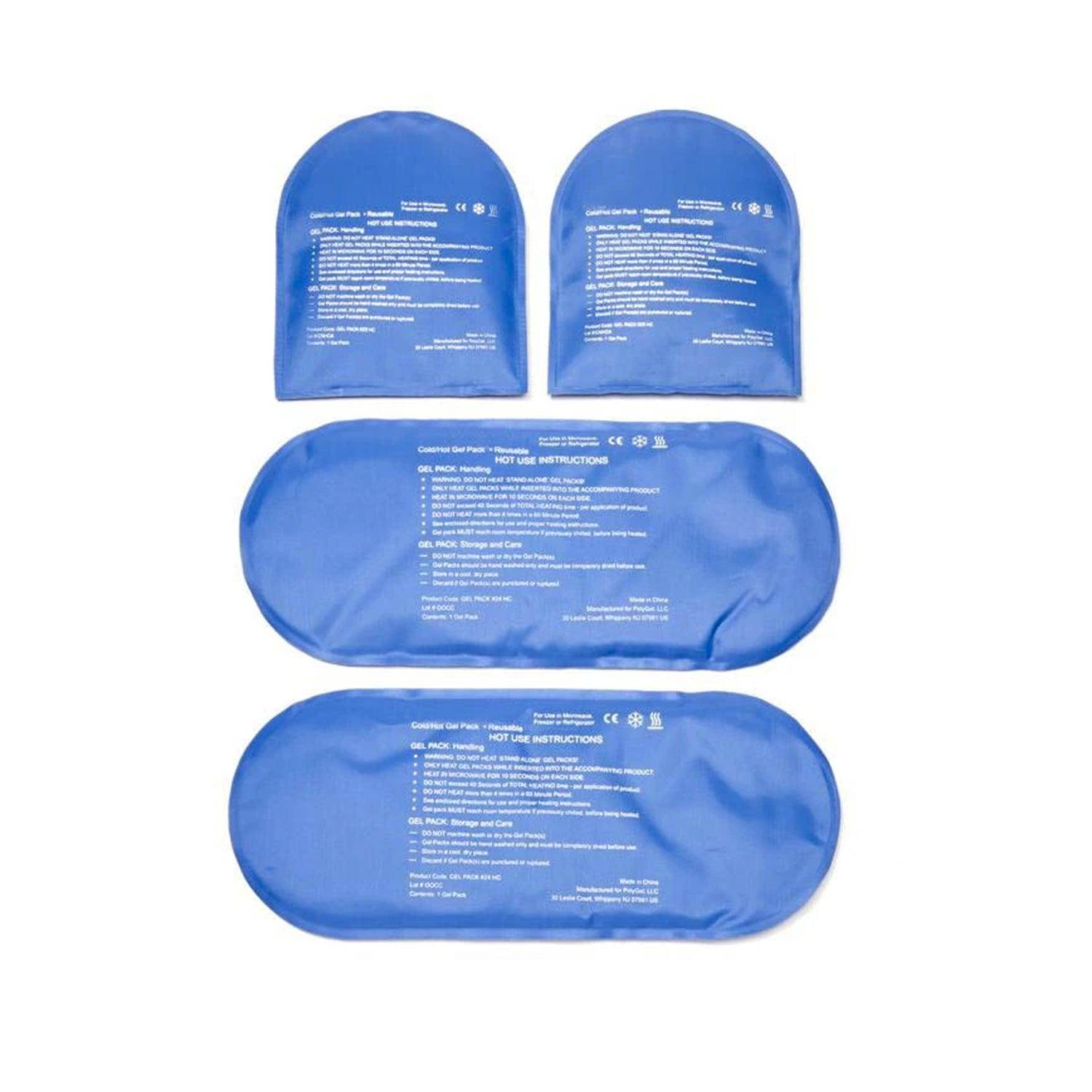
Cold Packs: Keep a flexible gel pack in the freezer or refrigerator. Its pliability allows it to conform to your neck, wrists, or forehead.
-
Chilled Water Bottle: A metal water bottle filled with cold water can be pressed against your pulse points.
-
Cooling Gel Pads: These can be placed under your head or on your chest to absorb and dissipate body heat.
Using NatraCure FlexiKold for Hot Flash Relief: Tips and Real-Life Experiences
Many women have discovered that a high-quality, flexible cold pack is an indispensable tool for menopause relief. A product like the NatraCure FlexiKold Gel Ice Pack is a practical choice because it stays cold longer than a wet washcloth and remains pliable even when frozen. This flexibility allows you to comfortably wrap it around your neck or wrist for fast-acting relief from hot flashes.
For maximum convenience, keep a FlexiKold pack on your nightstand in an insulated bag or simply grab it from the fridge when you head to bed. When you feel a hot flash starting, you can apply it directly to your pulse points—the back of your neck or the inside of your wrists are especially effective spots. The immediate, intense cold helps to quickly lower your perceived body temperature and calm the overheating sensation.
This simple strategy can significantly improve your sleep quality by shortening the duration of night sweats and helping you get back to sleep faster. As an added benefit, products like this are often HSA/FSA eligible, making them an accessible and practical investment in your comfort.
Habits That Support Restorative Sleep Through Perimenopause
Beyond managing your temperature, certain lifestyle habits can promote more restorative sleep during perimenopause. Your body's internal clock, or circadian rhythm, can become more fragile during this time, making consistency more important than ever. Establishing strong sleep routines helps regulate your hormone balance and makes your body more resilient to disruptions.
These habits are about creating a predictable environment that signals to your body when it's time to wind down and when it's time to be alert. From managing your light exposure to understanding your personal triggers, these practices can empower you to regain control over your sleep quality. Let's delve into the routines that can help you navigate the symptoms of menopause more peacefully.
Building Consistent Sleep Routines and Managing Light Exposure
Consistency is your best friend when it comes to managing perimenopausal sleep problems. Going to bed and waking up at the same time every day, even on weekends, helps to stabilize your body’s circadian rhythm. This regularity can make your sleep-wake cycle more robust, helping to regulate hormone balance and potentially reducing the frequency of night sweats.
Light exposure is another critical factor. Exposure to bright light in the morning helps to set your internal clock for the day, promoting alertness. Conversely, minimizing exposure to blue light from screens (phones, tablets, TVs) in the one to two hours before bed is essential. This blue light can suppress the production of melatonin, the hormone that signals sleep.
Implement these lifestyle changes for better sleep:
-
Consistent Schedule: Aim for the same bedtime and wake-up time daily to reinforce your body's natural sleep rhythm.
-
Mindful Light Exposure: Get morning sunlight to wake your body up, and use "night mode" or blue-light-blocking glasses in the evening to prepare for sleep.
Tracking Triggers and Adjusting Sleep Habits for Better Sleep Quality
Your hot flash triggers are unique to you. What causes a night sweat for one person might not affect another. Keeping a simple sleep journal can be an incredibly powerful tool for identifying your personal environmental triggers. For a week or two, make a note of what you ate, drank, and did in the evening, as well as the quality of your sleep.
You might notice a pattern emerge. Perhaps a glass of red wine is a guaranteed trigger, or maybe a stressful day at work consistently leads to a restless night. Once you identify these connections, you can make targeted lifestyle changes to avoid them. This process of self-discovery is a key non-hormonal method for improving your sleep quality.
Here’s what you can track to pinpoint your triggers:
-
Diet: Note any spicy foods, sugar, caffeine, or alcohol consumed in the evening.
-
Activities: Record any late-night exercise, stressful conversations, or screen time.
-
Environment: Log your bedroom temperature and what you were wearing to bed. This data will help you adjust your sleep habits for the best results.
What To Do When You Wake Up Overheated in the Night
Despite your best efforts, night sweats can still happen. Waking up suddenly, drenched in a cold sweat, is jarring and frustrating. The key to minimizing lost sleep is to have a plan of action ready before it happens. Knowing exactly what to do can help you cool down your body temperature quickly and calmly, making it easier to fall back asleep. Instead of lying in bed feeling miserable, you can take immediate, effective steps.
This plan should involve a few simple, pre-prepared tools and techniques. Having a cold pack on hand, a glass of cool water within reach, and breathable layers you can easily shed will empower you to manage the hot flashes efficiently. The goal is to address the physical discomfort right away so you can get back to the important business of sleeping.
Immediate Cooling Steps to Get Back to Sleep Faster
When a hot flash hits, your first priority is quick relief. Having cooling products at your fingertips means you don't have to fully wake yourself up by getting out of bed to find a solution. The goal is to cool your body temperature as efficiently as possible.
Start by throwing off your covers. Then, reach for your pre-planned cooling tool. Applying a cold pack to the back of your neck, forehead, or inner wrists can provide an immediate calming and cooling sensation. The cold stimulus helps to counteract the heat signal your brain is sending out, effectively shortening the duration of the hot flash.
Here is a simple action plan for immediate cooling:
-
Grab a Cold Pack: Apply a flexible cold pack like the NatraCure FlexiKold to your neck or wrists.
-
Sip Cool Water: Take a few sips of the cool water you've left on your nightstand.
-
Use a Fan: If you have a personal fan, turn it on and aim it at your face and chest for rapid evaporative cooling.
The 20-Minute Rule and When to Try Relaxation Techniques
After you've cooled down from one of those hot jumps, you might find your mind is now racing. If you don't fall back asleep within about 20 minutes, get out of bed. Lying there feeling frustrated will only create a negative association with your bedroom. Go to another room and do something calm and relaxing in dim light until you feel sleepy again.
This is also an excellent time to practice relaxation techniques. Deep breathing exercises can help calm your nervous system, which often goes into overdrive during a hot flash. This is a powerful natural remedy that helps regulate your heart rate and shift your body out of "panic mode" and back into a state of rest.
Try these simple techniques:
-
Box Breathing: Inhale for a count of four, hold for four, exhale for four, and hold for four. Repeat this cycle for several minutes to calm your mind and body.
-
Quiet Reading: Read a chapter of a book (a real book, not a screen) until your eyelids feel heavy.
Conclusion
In conclusion, navigating sleep during perimenopause can be challenging, especially with hot flashes and night sweats disrupting your rest. However, by implementing the cooling sleep tips outlined in this guide, you can create a more comfortable sleeping environment and develop practical routines that cater to your unique needs. From optimizing your bedroom temperature to incorporating cold therapy techniques, every step can significantly impact your sleep quality. Remember, you’re not alone in this journey. For personalized advice and support, don’t hesitate to get a free consultation with our experts. Here's to restful nights and revitalized days!
Frequently Asked Questions
What temperature should your bedroom be for the best perimenopause sleep?
For menopause relief and better sleep quality, aim to keep your bedroom between 60-67°F (15-19°C). A cooler room helps lower your core body temperature, which can reduce the severity and frequency of night sweats. This simple environmental trigger adjustment can significantly help manage the symptoms of menopause at night.
Do cooling pillows and mattress toppers really work for hot flashes at night?
Yes, for many women, cooling products like gel-infused pillows and mattress covers can make a big difference. While they won't stop the hormonal cause of hot flashes, they draw heat away from your body, reducing the intensity of menopausal symptoms and making your sleep environment much more comfortable.
Can natural or non-hormonal remedies actually help with hot flash relief and sleep?
Absolutely. Lifestyle changes like diet adjustments, consistent sleep schedules, and relaxation techniques are powerful non-hormonal tools. Some women also find relief with herbal supplements like black cohosh or through practices like cognitive behavioral therapy for insomnia (CBT-I), which are effective for managing menopause symptoms without hormones.
How do I stop hot flashes so I can sleep?
Stopping hot flashes involves a multi-faceted approach. You can try lifestyle changes, use cooling products for immediate relief, and practice deep breathing. For severe symptoms, talk to your doctor about options like hormone therapy. The key is to lower your body temperature and calm your nervous system.
Why do I get a hot flash just as I fall asleep?
As you drift off to sleep, your body's temperature naturally fluctuates. During perimenopause, fluctuating hormone levels make your brain's thermostat extra sensitive. This normal shift can be misinterpreted as overheating, causing your blood vessels to dilate and triggering a hot flash or night sweats right at that vulnerable moment.
What calms a hot flash?
To calm a hot flash, focus on rapid cooling and relaxation. Apply cooling products like a cold pack to your neck or wrists, sip cool water, and practice slow, deep breathing. These actions help lower your body temperature and soothe the nervous system's overactive response to shifting hormone balance.