
Key Highlights
Here are the main things to keep in mind when you have a blister on the bottom of your foot:
-
The most common causes of blisters on your feet are friction and pressure from shoes that do not fit well. Having too much moisture on your feet can also cause foot blisters.
-
You can help prevent foot blisters by wearing comfortable shoes. Moisture-wicking socks will keep your feet dry. Also, break in new shoes slowly to give your feet time to get used to them.
-
If you get a blister, keep it clean and use a sterile bandage to cover it. Do not pop it.
-
Watch out for signs of infection such as more pain, pus, green or yellow color, or redness that moves away from the area.
-
You can use cushioning products such as gel callus pads. These helps keep the blister safe and support the healing process.
-
But if you notice signs of infection or feel a lot of pain, you need to see a doctor.
Introduction
Have you ever got home after a day of walking or running to find a blister on the bottom of your foot? It can feel so painful and make you feel tired. A blister like this is very common and is annoying. It often makes it hard to walk, stand, or even exercise. The blister is filled with fluid. A blister like this usually comes from too much rubbing and painful pressure on your feet. If you want to feel good and move without pain, you should know what causes foot blisters. This way, you will know how to treat them and also stop them from coming back. Then you can get up and go about your day feeling good and ready for anything.
Understanding Blisters on the Bottom of the Foot
A blister is a small area on your skin that fills with fluid. It forms in the upper layers of skin. There can be different types of blisters. Most blisters on your feet happen because of rubbing, also known as friction. This is your body’s way to protect the skin layers below from getting hurt even more.
Foot blisters can hurt, but when you know what causes them, you can lower your risk. Let’s look at what a blister is, why they often show up under your foot, and the risk factors that can make you more likely to get them.
What Is a Blister and Why Do They Form?
A blister is a small bubble that has clear fluid inside. It shows up on your skin when there is a lot of rubbing or pushing on the top layer of skin. This happens because the top layer of skin starts to pull away from the part under it. The body fills this space with plasma, a clear fluid.
This reaction is the body's smart way to protect itself. A fluid-filled sac forms as a cushion and keeps the lower layers of skin safe from more pressure and further damage. It also makes a clean space around the wound to keep out germs, which helps the healing process start for the layers of skin.
A blister can hurt, but it shows that your body is trying to protect you. If you don't pop the blister, it helps keep your skin safe while it gets better. The skin under the blister will heal on its own over time.
Common Causes of Blisters Under the Foot
One of the common causes of blisters on your feet is friction. When you walk or stand for a long time, there is pressure put on your soles, toes, and heels. This can cause friction blisters. But, these are not the only causes of blisters.
Painful shoe pressure often comes from shoes that do not fit well. When shoes are too tight or too loose, they rub against your skin. This can make the top layer of skin feel sore and even cause irritation. Sometimes, new shoes can do this too, because they have not shaped to your feet yet. If you get sweaty feet, the excess moisture can make your skin soft. That means it is easier for blisters to form. All these things show how new shoes, painful shoe pressure, and excess moisture can harm the top layer of skin.
Other common causes of blisters include:
-
Doing hard and long activities like running or hiking.
-
Wearing the wrong kind of socks, like ones made from synthetic fabrics that do not pull away sweat.
-
Allergic reactions or coming in contact with some chemicals.
-
Getting sunburn on the feet.
Risk Factors That Increase Your Chances of Getting Blisters
Some things you do and some body issues can make you more likely to get sore blisters. If you feel that you get them often, knowing the risk factors can help stop them. Heat and wetness together can be hard on your skin. This can cause your skin to break and lead to blisters.
People who have sweaty feet often get blisters more because wetness makes more rubbing inside the shoe. If you have flat feet or bunions, your foot does not fit in the shoe the right way. This change can cause new spots that feel painful pressure and more rubbing on your foot.
Consider these other risk factors:
-
Wearing shoes but not putting on socks.
-
Picking socks that are nylon or polyester.
-
Not drying feet well after they are wet.
-
Quickly doing more or harder physical activities than before.
Identifying and Assessing Blisters
Knowing what to watch for can help you take care of a blister before it gets worse. Most blisters are easy to spot, but blood blisters can look much more worrying. It's important to see the early signs and symptoms. This way, you can act fast.
It is important to know if a blister is getting better or if it is starting to get infected. A blister that has an infection needs a different kind of care. Sometimes, you may need to see a doctor to stop it from getting worse. Here, we will talk about signs of a normal blister, how you can notice an infection, and when you should go to the doctor.
Signs and Symptoms to Watch For
Before a blister is fully there, you may feel a "hot spot" on your foot. At this time, the affected area will feel warm. It can also look red, as it starts to get irritated. If there is more rubbing on your skin, you will see signs like swelling or a bubble on that part soon.
A normal friction blister looks like a small, raised bump on the skin. It's filled with clear fluid. The spot can be sore when you touch it. You might feel painful pressure when you walk or put weight on it. This pain is your body's way to let you know that you need to slow down and give the spot time to start the healing process.
Key signs and symptoms include:
-
The skin may look red or feel hot.
-
A small bubble filled with fluid can show up.
-
You may feel pain or feel bad, mainly if you press on it.
-
The skin near the blister can feel soft or sore.
How to Tell if a Blister Is Infected
Most blisters heal without a problem. But there is always a risk of infection, mainly if the skin breaks open. If a blister gets infected, it will look and feel very different from a normal blister. It will need care right away. The first sign is often more pain, swelling, and redness around the blister.
You should take a look at the fluid inside the blister. If it is not clear any more and looks cloudy, yellow, or green, then it could be pus. This is usually a sign of a bacterial infection. The skin near the blister can feel warm when you touch it. Sometimes, you might also see red lines going out from the area.
Watch for these signs of an infected blister:
-
The skin turns yellow, green, or purple.
-
There is pus coming out from the blister.
-
Swelling and redness get worse and spread to other places.
-
The spot feels very warm.
When You Should Seek Medical Attention for Blisters
Most blisters can be taken care of at home, but there are times you need to see a podiatrist or doctor. If you think your blister might be infected because of the signs mentioned above, you should get medical help. This will help stop the infection from spreading.
You should see a doctor if the blister hurts a lot, stops you from walking, or if it does not get better after a few days. If you have a medical condition like diabetes or poor circulation, any cut or blister on your foot should be looked at by a doctor. This is important to stop further damage and serious problems.
Consult a doctor if you have any of these:
-
Signs that you might have an infection include pus, more redness, or if you get a fever.
-
If you have pain that is so strong you cannot do normal things.
-
If you get blisters again and again and there is no clear reason for them.
At-Home Treatment Options for Foot Blisters
Most foot blisters can be treated at home with the right steps. When you care for a blister, the main things to do are keep it safe from more harm, stop infections, and help the healing process so it gets better on its own.
If you take proper care, you can feel less discomfort. Your skin can also start to heal. There is a range of products that will help cushion the area. These can help with faster healing. The next sections will show the best first-aid steps and the products to use.
First Aid Steps to Manage a Blister on the Bottom of the Foot
When you find a blister, try to be gentle with it. You want to keep it from popping. The skin over the blister helps keep out germs. If you can, don't touch or open the blister. Leaving it there is the best way to keep it safe from getting infected.
First, wash your hands. Then, use a mild cleanser and warm water to gently clean the skin around the blister. Dry the area by patting it with a towel. Try not to pop the blister, as this can make things worse. If the blister has already broken, clean the area well. Put some antibiotic ointment on it and cover it.
Follow these first aid steps for good blister management:
-
Wash your hands well.
-
Gently clean the area with some soap and water.
-
Do not pop or drain the blister.
-
Cover the blister using a sterile bandage or some gauze.
-
To help, stay away from the shoes that caused it to keep pressure off the area.
Safe Ways to Protect, Cover, and Heal a Blister
It is important to cover a blister the right way. This helps protect it from rubbing and gives it time to heal. A small blister can be covered with a simple sterile bandage. If the blister is on the bottom of your foot, you may need to use something stronger. This will help keep it safe when you walk.
A good way to help with a blister is to use moleskin padding or padding strips in a small ring or "donut" shape around it. This will lift your shoe so it does not touch or rub against the sore spot. You can hold the covering in place with flexible tape. Be sure to keep the spot clean and dry under the covering to help it get better faster.
Here are some safe ways to cover and protect a blister:
-
Use special blister bandages to help cushion and protect your skin.
-
Put moleskin padding around the blister, not right on it.
-
Use ordinary bandages and hold them in place with flexible tape.
-
Change the dressing each day or if it gets wet or dirty.
Products and Bandages to Use – Featuring Ball of Foot Cushions and Gel Callus Pads
When a regular bandage does not help, there are several products you can use that are made to help with painful pressure and blister pain. These products are made to keep the blister safe and let you feel better. Using the right product can make your feel more comfortable and stop things from getting worse. Things like ball of foot cushions and gel callus pads give help right where you need it.
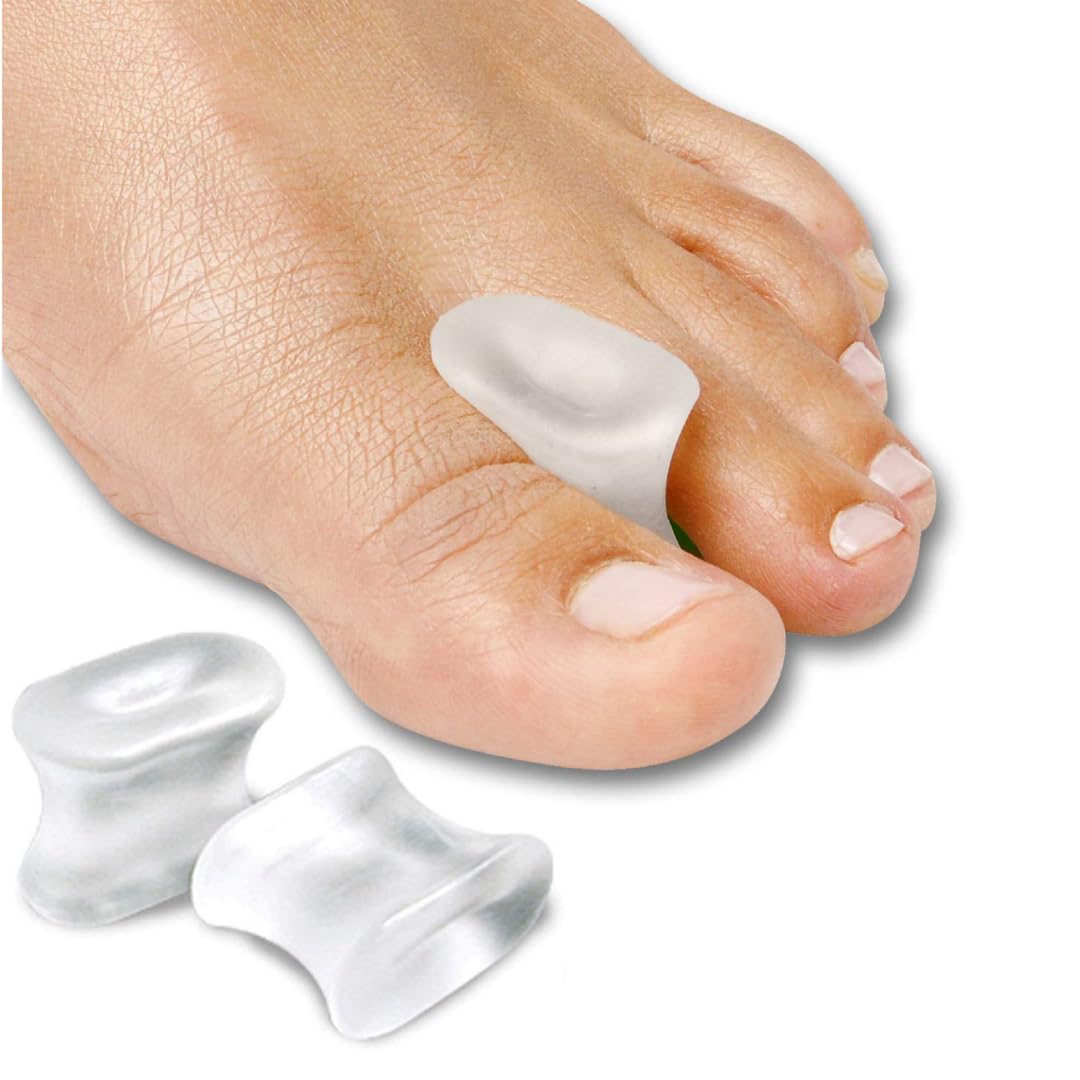
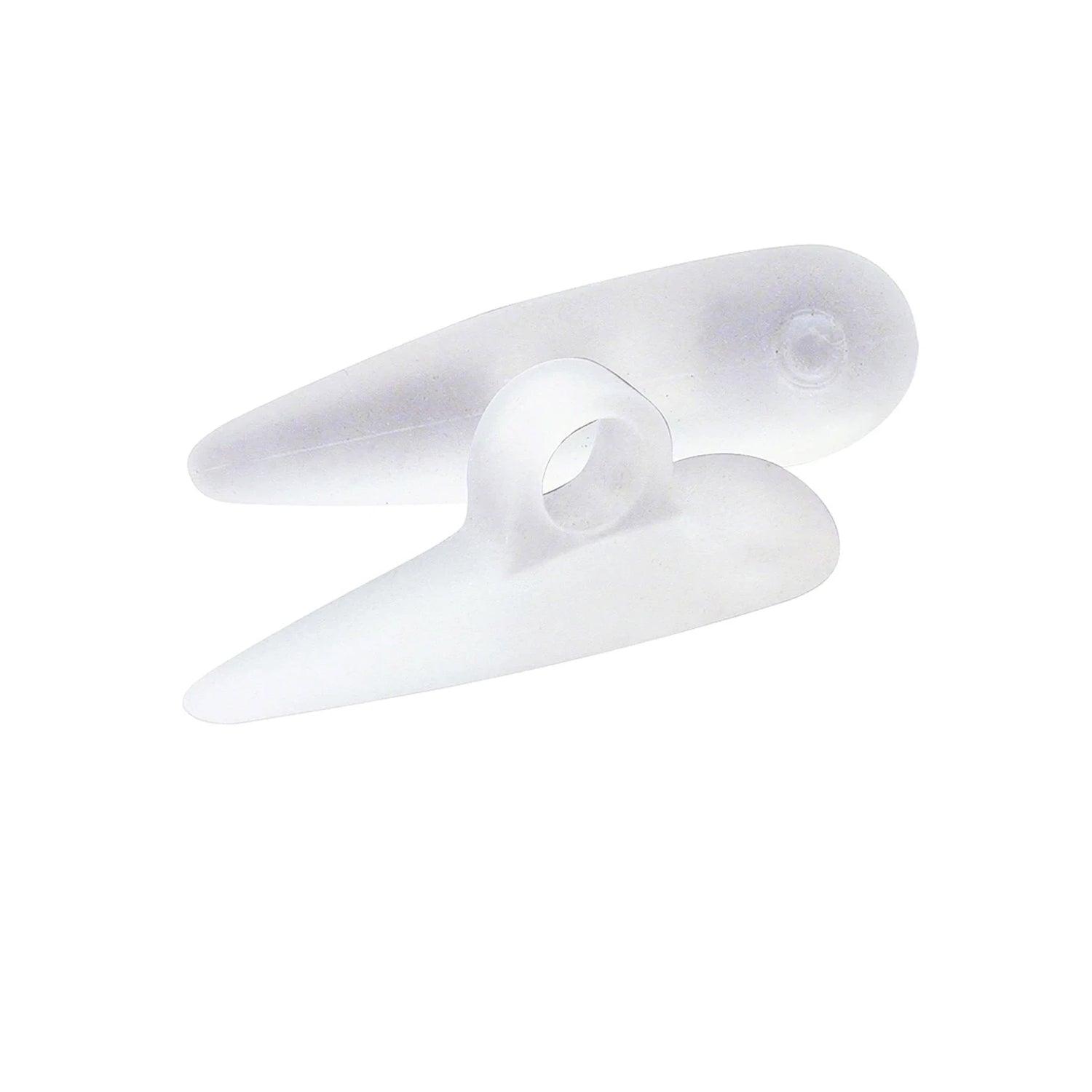
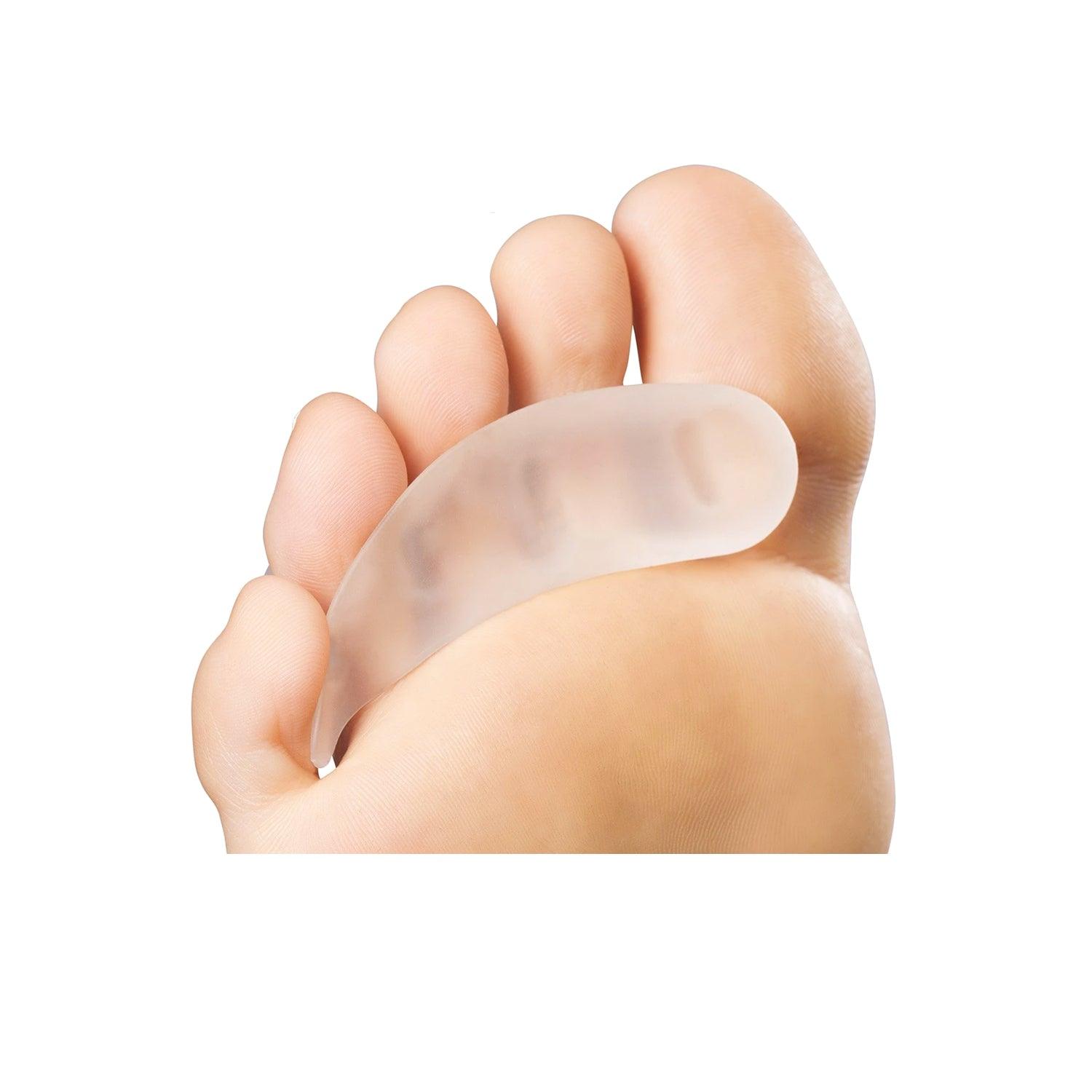
Ball of Foot Cushions help by adding extra thick padding under the ball of your foot. This is where blisters often show up. These pads soak up shock when you walk and help stop rubbing with each step. You can also try Gel Callus Pads. These use soft hydrogel technology. They fit well over your skin and cover the problematic area with a smooth, gentle layer.
These products are made to stay where you put them. They help give relief as your blister gets better.
|
Product Type |
How It Helps |
|---|---|
|
Ball of Foot Cushions |
Provides extra thick padding to absorb pressure and friction on the ball of the foot. |
|
Gel Callus Pads |
Uses hydrogel technology to create a soft, flexible cushion that protects sensitive areas. |
|
Moleskin Padding |
Can be cut to create a custom "donut" shape to lift pressure off the blister. |
How NatraCure Can Help Relieve Pain and Support Healing
If you have a blister that hurts, you want something that helps right away and helps you heal fast. NatraCure is here for you with products made to help with this problem. The Gel Callus Pads work well to cushion your blister. These pads use special hydrogel technology that makes your skin feel better and keeps it safe from rubbing. This means you get comfort and faster healing.
The flexible design of NatraCure products lets them fit well and stay hidden under your socks and in your shoes. They give you all-day relief. If you get blisters on the ball of your foot, our Ball of Foot Cushions help by soaking up the shock from each step. They also lower the painful pressure in that spot. This brings you maximum comfort every day.
NatraCure products keep your blister safe from more injury. This helps your body heal well and fast. With NatraCure, you can feel good knowing you’re getting the right help for your healing process. The products let you get up and move with comfort and confidence, without worrying about further trauma.
Conclusion
To sum up, getting blisters on the bottom of your foot can feel bad. But if you know what causes them and what to do, you can make them better. You need to look for signs of blisters early on. A good option is to use Ball of Foot Cushions or Gel Callus Pads at home. These will help ease the pain and keep your foot protected. Products from NatraCure can help you feel good and heal, so you stay active and comfortable.
Take good care of your feet. If you feel you need help or have questions, you can always ask for expert advice. If you want tips to help your foot feel better, you can book a free consultation with us today!
Frequently Asked Questions
Is It Safe to Pop a Blister on the Bottom of My Foot?
It is not a good idea to pop a blister. The top layer of skin that stays on top of the blister keeps out germs and helps you stay safe. If you pop it, you take off this layer and bacteria can get in. If the blister pops by itself, clean the spot, put on a sterile bandage, and watch it to see if it gets infected.
How Long Does It Take for a Blister to Heal?
With the right care, most friction blisters get better in a few days or up to a week. The healing process can go faster if you stop what is rubbing the area and keep it covered. If you see that it is not getting better after several days, you should see a doctor.
Which Types of Footwear Are Best to Prevent Future Blisters?
The best footwear for you will be comfortable shoes that fit well. They should not feel too tight or too loose on your feet. You should always put on good socks. It is better if you choose moisture-wicking ones, as they help keep your feet dry. When you get new shoes, do not wear them for long periods right away. Make sure to break them in slowly so your feet feel good.
How do you treat blisters on the bottom of your feet?
Treat a blister by cleaning the area gently. Cover it with a bandage so there is no further trauma. Do not pop the blister. If it breaks, put some antibiotic ointment on it. Then, use a fresh bandage. You can use foot powder to keep the area dry. It also helps reduce friction during the healing process.
What causes blisters on the sole of your feet?
Friction is the most common reason for friction blisters. This happens when your feet rub on your shoes or socks for long periods. When you walk or run, you feel this more. Excess moisture from sweat can make your skin soft. This makes it easy for painful shoe pressure to cause friction blisters.