
Key Highlights
-
Cold therapy is important when you have new shoulder injuries. It helps to bring down swelling and takes away pain in the affected area.
-
The best ice pack for shoulder pain gives full coverage. It can bend and fit well to your body, and it stays cold for a long time.
-
You should use an ice pack for 15-20 minutes when you want to feel better from shoulder pain, like after a rotator cuff injury or when you are getting better after surgery.
-
Do not make the mistake of putting an ice pack right on your skin. Also, do not ice for too long, as this can lead to skin damage.
-
Gel packs you can use again are a good choice for shoulder injuries. This is because they stay soft, even when frozen, and can fit the area better.
Introduction
Dealing with shoulder pain can make your day hard. The shoulder has a round shape, so putting an ice pack on it can feel tough. It is not easy to keep it in place and feel relief. You may have hurt your shoulder, have a rotator cuff problem, or feel sore after surgery. Cold therapy can help a lot with pain in these cases. This guide will show you what to look for when you want the best ice pack for your shoulder. It will help you get good and comfortable relief.
Why Cold Therapy Is Essential for Shoulder Injury Recovery
When you have a new shoulder injury, cold therapy is a good first step. Putting something cold on the affected area can help bring quick pain relief. This is important for shoulder injuries like strains and sprains. Cold therapy makes the first symptoms feel less strong, and many people use it as a part of their at-home care.
Using an ice pack the right way can help with swelling and stop more pain. This can help you feel better faster. Here is how an ice pack works and when you should pick this treatment instead of heat.
How Cold Therapy Reduces Swelling and Eases Pain
Have you ever thought about how an ice pack can help with shoulder pain? The cold therapy does something special to your blood vessels. When you put the ice pack on the injured area, it makes your blood vessels get smaller. This is called vasoconstriction. It slows down blood flow going to where you got hurt.
By slowing down blood flow, you lower the amount of fluid that builds up around the area. This helps limit swelling and inflammation, which are big causes of pain after an injury. So, when there is less swelling, there is less pressure on your nerve endings.
Along with helping control inflammation, the cold also makes the area feel numb. It slows down pain signals from the spot that go to your brain. This gives you quick and strong pain relief. You can feel more at ease and rest better, which is very important for healing.
When to Use an Ice Pack Versus Heat for Shoulder Injuries
To take good care of your shoulder, you need to know when to use an ice pack or a heating pad. You can feel better if you pick the right one, but you have to think about when and what kind of pain you have. If you use the wrong option at the wrong time, it could make your pain feel worse.
Ice therapy can help with acute pain and new injuries. It works best during the first 48 to 72 hours after you get hurt. Use ice therapy when there is swelling or the area is puffy.
-
Use Ice For: Sharp pain that throbs, new injuries that happen quick, sprains, and muscle pain after you work out.
Heat therapy is best for chronic pain, muscle stiffness, or soreness that stays for a long time and does not come with much swelling. Heat therapy works by making blood flow increase. This helps relax tense muscles and can calm dull pain that does not go away.
-
Use Heat For: Long-term problems like osteoarthritis, muscle stiffness, and pain that gets better with heat.
Types of Ice Packs for Shoulder Injuries
When you look for an ice pack for your shoulder, you will see that there are a lot of options. There are simple bags of ice you can use. You will also find shoulder ice wraps that can feel very high-tech. The choices may feel like a lot. You can pick from disposable packs, clay packs, and some electric devices that cool down your shoulder.
The most common types you will see are hard-shell ice packs and flexible gel packs. It is important to know the difference between the two. This will help you find the one that fits your shoulder better and gives you the relief you are looking for.
Gel vs. Hard Ice Packs — What’s Better for Shoulder Contours
The shape of your shoulder curves in a way that makes it tough to ice it well. A stiff and hard ice pack does not fit the shoulder, so it cannot touch the whole joint. This means the cold therapy is not even and does not work as well as it should. So, when you want to use an ice pack, it is good to know the difference between gel packs and hard packs. The shape of your shoulder is an important part of this choice.
Flexible gel packs stay soft even when frozen. They easily shape around your shoulder, neck, and upper back. This helps give you full coverage and a secure fit. Hard ice packs, on the other hand, stay cold but they are too stiff to give this kind of contact.
In the end, the shoulder needs to be able to move well for any treatment to work. Gel packs are good because they can cool down the affected area. They do this by spreading cold all over it in a steady way.
|
Feature |
Gel Packs |
Hard Ice Packs |
|---|---|---|
|
Flexibility |
High; conforms to body contours |
Low; rigid and inflexible |
|
Coverage |
Excellent; molds to the joint |
Poor; leaves gaps |
|
Comfort |
High; soft and pliable against skin |
Low; hard and uncomfortable |
|
Best For |
Contoured areas like shoulders & knees |
Flat surfaces like the back |
Reusable Gel Ice Packs for Shoulder: Are They Worth It?
Getting a reusable gel ice pack for your shoulder is a good idea. It helps you save money and feel better during recovery. A single-use pack might be handy for now, but over time, the cost can get high if you use cold therapy a lot. A strong, reusable ice pack works many times. It can make shoulder pain feel better and be good for your budget, too. If you want real shoulder pain relief, a reusable gel ice pack is a smart and easy choice.
Besides saving money, reusing a cold pack means there is always one in your freezer. You do not have to rush to make an ice bag or go out to buy one when you need cold therapy. Having it ready helps you get the best results from your cold pack every time. This gives you peace of mind and makes your routine easy.
Reusable gel packs give you cold therapy for shoulder pain in a simple way. They are not like other things such as ice machines that can be hard to use or cost a lot. These gel packs are easy to use, work well, and do not cost much. You can get professional cold therapy at home without any tricky steps or spending too much money. This makes gel packs a good and smart choice if you have shoulder pain.
Key Features to Look for in an Ice Pack for Shoulder Injuries
Not every ice pack will work the same, especially for shoulder pain. To feel better, you should find an ice pack made for your shoulder. A regular ice pack may not help much for this spot. Some ice packs are made to fit better and give you more comfort in that area. If you want to ease your shoulder pain, pick the one that is right for you.
Choosing the right product is not just about the price. You also need to look at things like the size, how flexible it is, and what materials are used. These small details help you know how good the ice pack will feel and if it will be easy and comfortable to use. Now, let's look at the main things that make an ice pack good for shoulder injuries.
Size, Flexibility, and Coverage Matters for Effective Relief
To get good relief, your ice pack needs to cover the whole shoulder joint. A small ice pack that just sits on the top will not help with pain that goes down your arm or into your back. You should pick a big ice pack that can go around the front, side, and back of your shoulder at the same time.
It is important for the pack to be flexible. The pack should bend so it can fit close to your body. If the pack is hard, air can get in. This stops the cold from touching all the sore areas. A pack that sits well on your body helps the cold stay even. This gives you the best effect.
Think about how the pack stays where you put it. The best shoulder ice packs have an adjustable strap or are made as a wrap. This means you get a secure fit and can use your pack hands-free. You don’t need to hold it in place yourself.
-
Size: Pick a large pack to cover your whole shoulder.
-
Flexibility: Make sure it is a soft gel that can shape to fit your body.
-
Coverage: Choose one that can wrap all the way around your joint.
-
Strap: A pack with an adjustable strap will give you a secure fit and be easy to use.
Materials: Skin Safety, Latex-Free Options, and Cold Retention
The things used to make an ice pack are important for safety and how well it works. The ice pack will touch your skin, even if there is something between your skin and the pack. So, it is good to pick an ice pack that is made with safe and non-toxic stuff. This helps lower the chance of skin irritation or an allergic reaction.
For a lot of people, it is very important that a product is latex-free. Many have latex allergies. If they use a pack that has latex, they can get rashes or, in some cases, even have worse problems. Before you buy, make sure to read the product details to know if it is latex-free.
The kind of materials used in the pack matter for how long it stays cold. A pack that is made well with a strong gel inside will stay cold for more time. This makes sure you get a full 15-20 minute session before it starts to warm up. A pack that keeps its cold longer helps to lower pain and swelling better.
Common Mistakes to Avoid When Using Ice Packs on Your Shoulder
Using an ice pack may look simple, but there are common mistakes that people make. These can make the ice pack less useful or even cause harm. A big mistake is to put the ice pack right on your skin. Direct contact like this can cause skin damage or even frostbite. You should always have something between the ice pack and your skin to protect it.
Another mistake some people make is using an ice pack for an extended period without stopping. It might feel good, but keeping ice on the skin too long can hurt your skin and nerves. To get relief safely, you need to know the right amount of time and how often to use ice therapy.
Icing Duration, Application Frequency, and Skin Protection
If you want to get the good things from cold therapy but not get skin damage, timing is very important. For a shoulder injury, you should ice it for 15 to 20 minutes at one time. This will help bring down swelling and stop pain. But you should not go longer so your skin does not get hurt.
You can use an ice pack every 2 to 3 hours during the first 48 hours after you get hurt. After you take the ice pack off, let your skin get back to its normal temperature before you use it again. This break helps your tissues feel better and keeps your skin from getting hurt by too much cold.
Most importantly, always practice proper skin protection. Do not put an ice pack straight on your skin. Use a thin towel or a cloth to act as a barrier. This will help you avoid frostbite and irritation.
-
Duration: Keep the time for each session to 15–20 minutes.
-
Frequency: Use ice every 2–3 hours if you need it.
-
Protection: You should always put a thin towel between the pack and your skin.
-
Breaks: Let your skin go back to its normal temperature before you use ice again.
The FlexiKold Gel Ice Pack by NatraCure—What Makes It Unique?
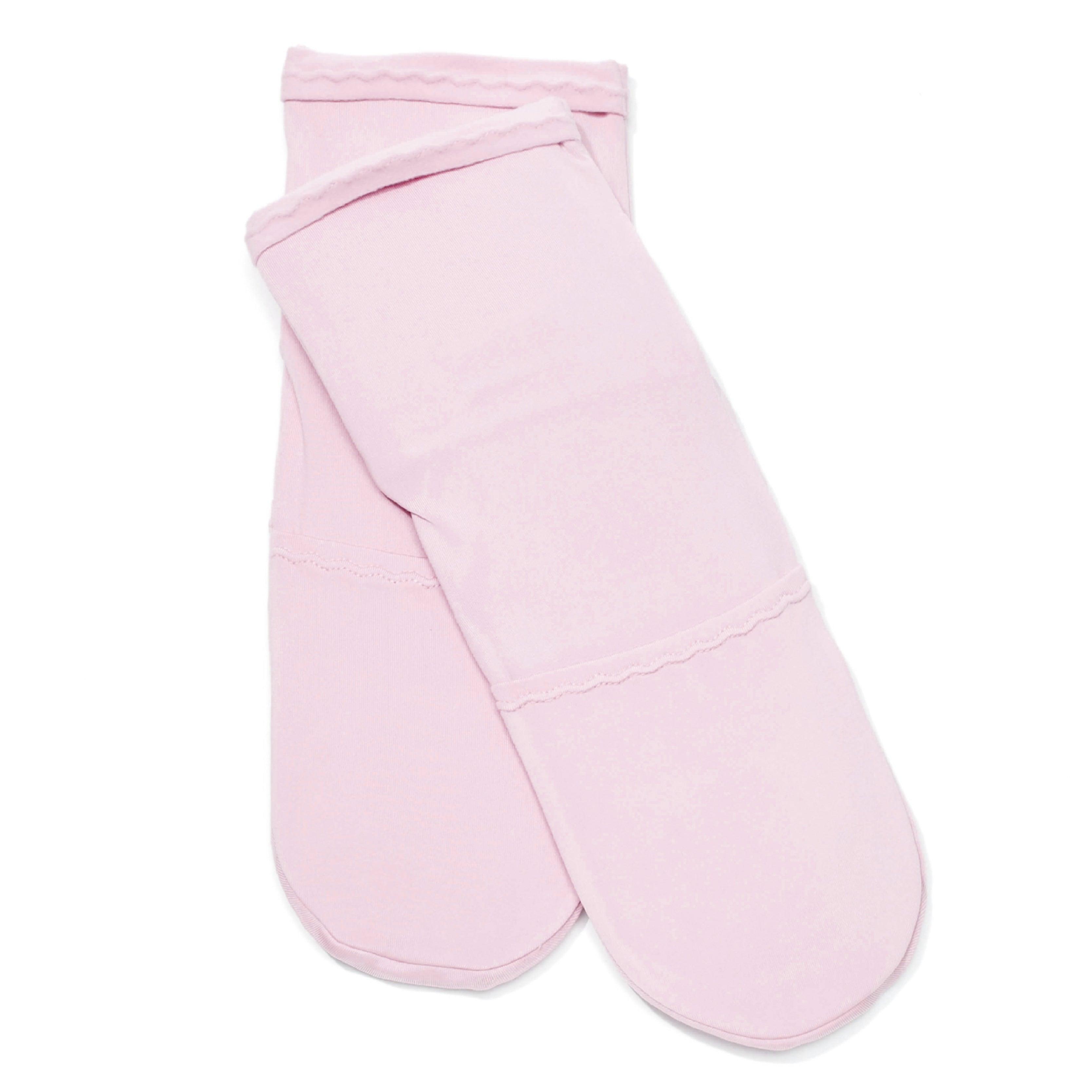
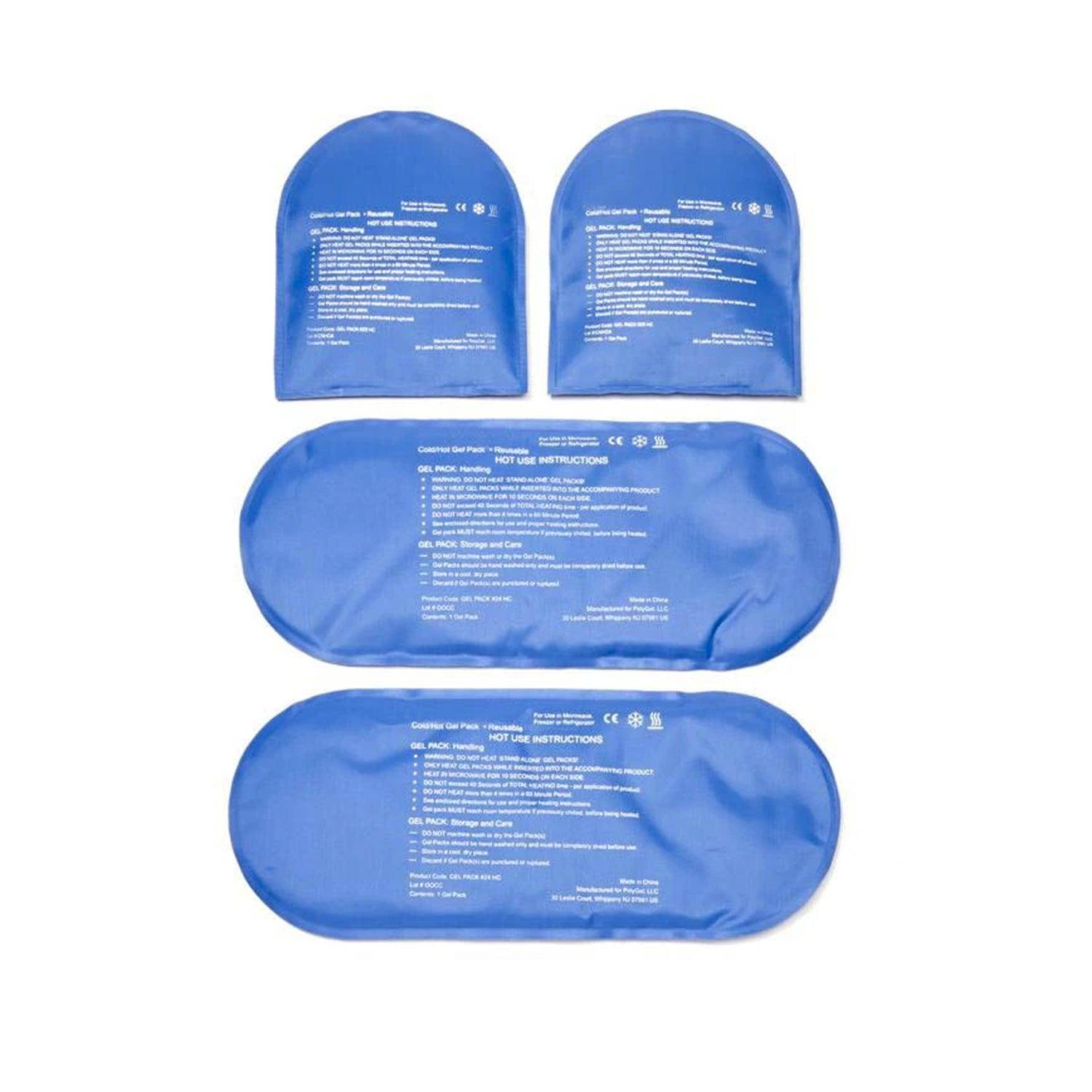
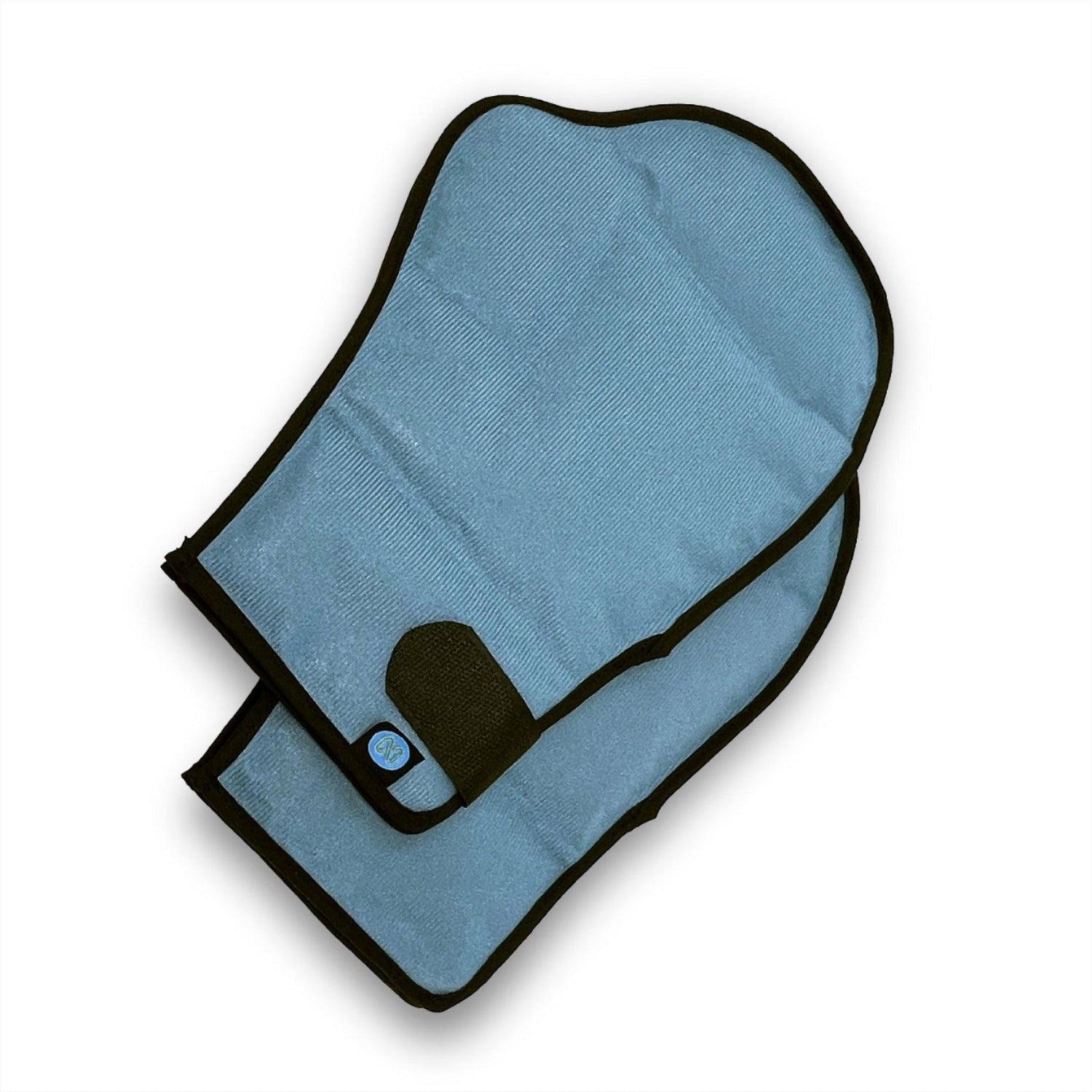
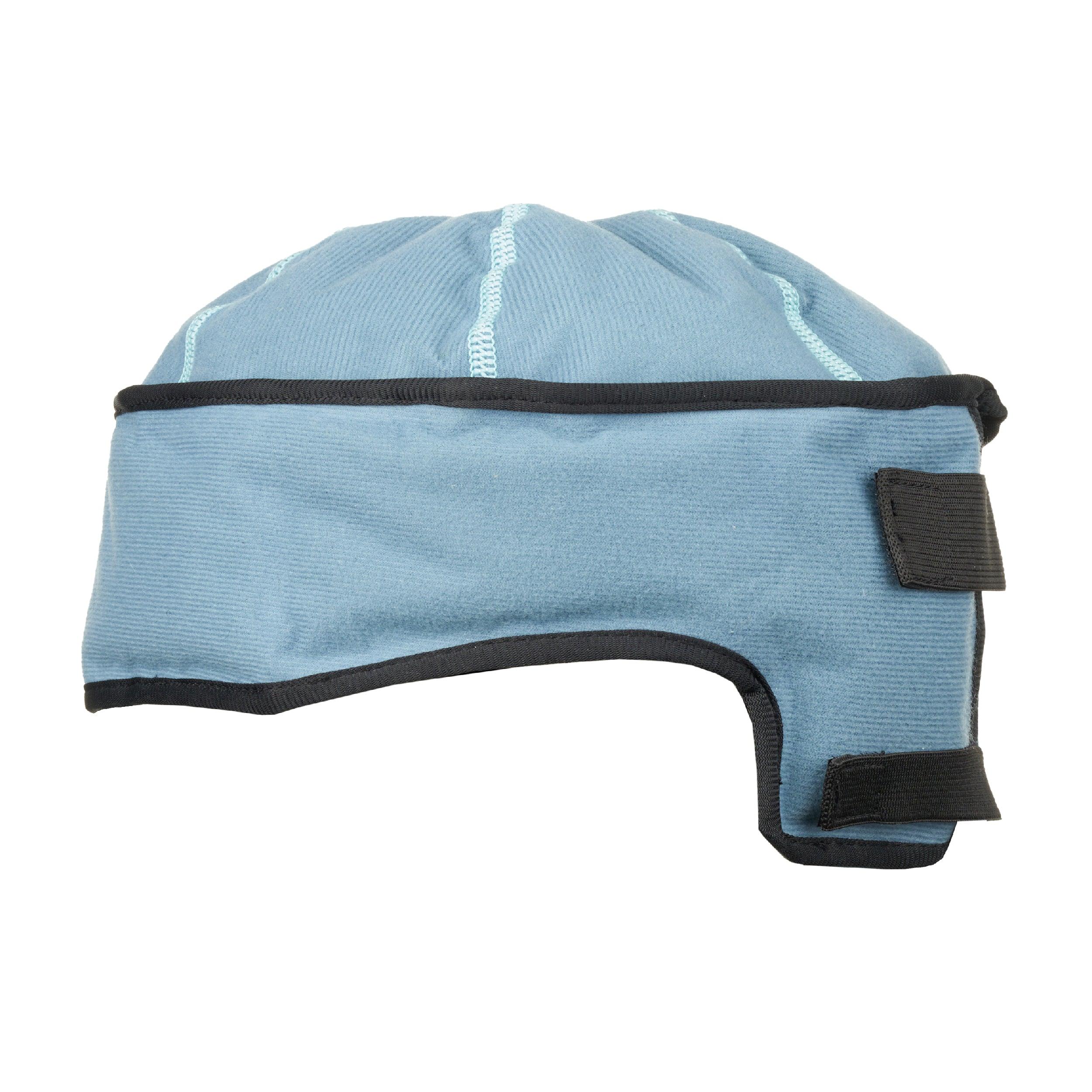
When you are looking for a good shoulder ice pack, the FlexiKold Gel Ice Pack by NatraCure is a top pick. A lot of people feel unhappy when they try to use cold therapy for shoulder pain, but this ice pack was made to fix that. Some ice packs feel stiff and hard, but not this one. FlexiKold uses a special gel that stays soft even when it is fresh out of the freezer. This means you can wrap it around your shoulder with ease for cold therapy right where you feel the pain.
FlexiKold is trusted by many people in healthcare for use at home. It gives you cold therapy that is strong enough for hospitals but is still easy for anyone to use. You can use it again and again, which means it will help you for a long time. Whether you have a new pain or feel sore for years, FlexiKold can help.
It comes in several sizes. There is a large size too, so it is good for the shoulder area. This makes FlexiKold a useful and reliable cold therapy choice for people who need to feel better.
Standout Features: Flexibility, Reusability, and Comfort for Shoulder Injury
The best thing about the FlexiKold Gel Ice Pack is how flexible it is. The gel inside does not turn hard in the freezer. You can bend and shape it to fit every part of your shoulder. This gives you a secure fit and puts the cold right on the spot where you need it most. You feel comfort, and you get the most help for your shoulder injury with this ice pack.
Another benefit that stands out is that you can use it again and again. FlexiKold is made to last. You will get many uses out of it, and it still works well every time. This helps save money in the long run, and it is better for the environment, too. You can trust that it will be there and work when you need help with pain.
Comfort is very important with this ice pack. It is made from strong materials that do not have latex, so it is safe for people who have sensitive skin. The soft feel and flexible shape make it feel good on your body. This is much better than using a hard ice pack. You can have a comfortable and helpful recovery session every time.
-
Stays Flexible When Frozen: The special gel inside helps the pack fit well to your shoulder, even when it is cold.
-
Durable and Reusable: It is made to last a long time. You can use it again and again, and it will still help you feel better each time.
-
Latex-Free and CNCET Certified: The pack uses safe, top-quality stuff. You do not have to worry because it has no latex and you can trust it.
Tips for Using an Ice Pack on Your Shoulder Safely and Effectively
Now that you know what you should look for in an ice pack, it's time to learn how to use it for the best results. Using it the right way is just as important as picking a good pack. A few simple tips can help you feel better and use an ice pack safely every time.
These tips will show you how to put on the pack the right way. They will also help you fit cold therapy into your daily self-care. If you have shoulder pain, these steps can help you feel better. Try them to get the most from your cold therapy.
Best Practices: Application Methods, Session Length, and Self-Care Routines
To use an ice pack the right way, begin by wrapping it in a thin and wet towel. The wet towel helps the cold from the ice pack reach your skin better. Put the ice pack on the spot that hurts the most. Make sure it covers the affected area fully. If the ice pack comes with straps, fasten them so the pack stays in place but is not too tight.
Sticking to the right session length is important for safety and for cold therapy to work well. Keep each cold therapy session between 15 and 20 minutes. This gives enough time for the cold to reach deep into the tissues. It also helps protect your skin and nerves from harm.
Add icing to your full self-care routine if you want the best results. It can help to put your arm up on pillows while you ice, if you are able to. This can help bring down swelling even more. When you finish, let your skin rest and go back to its normal temperature before you ice again.
-
Always use a thin cloth as a barrier.
-
Keep your sessions to 15–20 minutes.
-
Try to lift your shoulder up when you can.
-
Rest too, for a full way to get better.
Using a Cold Pack for Rotator Cuff and Post-Surgery Support
If you have a rotator cuff injury, you will need a cold pack to help with sharp pain and swelling. The muscles and tendons in the rotator cuff are deep in your shoulder. A good gel cold pack gives strong cooling. This helps numb sharp pain that comes with tears and tendinitis. A cold pack can give strong support as you get better.
Using a cold pack after shoulder surgery is a common part of the healing process. Doctors will often say that cold therapy helps lower swelling and pain after the surgery. It can be a good and safe way to feel better and not just use medicine for pain. But, you should always do what your surgeon tells you about when and how to use the ice pack.
Whether you have a rotator cuff problem or are taking care of your shoulder after surgery, staying consistent is very important. Icing the area often helps bring down swelling. It also helps with pain while you heal. Use a flexible pack that can cover all of the surgical area or the rotator cuff. This is the best way to help the healing process.
Conclusion
To sum up, picking the right ice pack for shoulder injuries is very important. The best choice will help you get better pain relief and recover faster. Cold therapy is a good way to lower swelling and feel less pain. It should be a big part of your healing process.
When you look at ice pack options, think about the size, how flexible it is, and what it’s made of. This helps make sure you get the best one for you. Make sure you don’t ice for too long and always protect your skin when using cold therapy.
If you want a good experience, try the FlexiKold Gel Ice Pack by NatraCure. People say it is very comfortable and you can use it many times. Ready to feel better? Get your FlexiKold ice pack on NatraCure.com today!
Frequently Asked Questions
How long should I ice my shoulder injury at a time?
You need to use an ice pack on your shoulder for about 15 to 20 minutes. This will help lower shoulder pain and swelling. Remember to wrap the ice pack in a thin towel. Let your skin return to its normal temperature before you start cold therapy again.
Is it safe to use an ice pack after shoulder surgery?
Yes, you can use an ice pack after shoulder surgery and it is often a good idea. Doctors often say cold therapy is helpful to manage pain and swelling. Make sure to follow what your surgeon says about when and how to use it. It is always important to get professional medical advice so you know it is right for your healing process.
How often can I apply a reusable gel ice pack shoulder each day?
For acute shoulder pain, you can use a reusable gel ice pack every 2 to 3 hours. The best number of times to ice depends on how much shoulder pain you feel. It is important to take at least an hour break between cold therapy sessions. This helps your skin recover.
Should you put ice on a shoulder injury?
Yes, you should use an ice pack on a new shoulder injury. Try to do this in the first two to three days after the injury. This cold therapy gives pain relief right away. It helps by making the blood vessels smaller and lowers swelling in the affected area. The ice will also help with the pain.
How to sleep with a torn rotator cuff?
To sleep when you have a torn rotator cuff, do not lie on your affected shoulder. Try to sleep on your back. You can use a pillow under your injured arm to help keep it in a good spot. This helps take pressure off the area and gives you some pain relief. It can also help you sleep better at night.