
Best Alternatives to Ice Packs for Pain Relief
Key Highlights
- Cold therapy can be done with household items like frozen peas or wet washcloths.
- A frozen bag of vegetables conforms to the body better than ice cubes.
- Frozen wet washcloths make a simple DIY compress.
- Warm compresses are sometimes better for chronic pain or stiffness.
- Always use a cloth barrier to protect skin.
- Reusable gel packs last longer and stay flexible compared to DIY options.
Introduction
Dealing with a sprain, strain, or bruise often makes you look for your first-aid kit. Cold therapy helps reduce swelling and pain, but you don’t always need a store-bought ice pack. This guide explores the best at-home alternatives for pain relief and safe cold therapy.
Top Alternatives to Ice Packs for Pain Relief
1. Homemade Gel Packs Using Household Ingredients
Fill a sealable bag with water and freeze it for a simple ice pack. A frozen sponge in a bag also works well, staying flexible and mess-free. Always wrap with a thin cloth before applying.
2. Frozen Vegetable Bags
Frozen peas or corn mold easily to body contours. Wrap in a towel and apply for 15–20 minutes. Re-freeze and reuse as needed—or cook them later!
3. Cold, Wet Towels
Wet a washcloth, seal in a bag, and freeze for quick relief. This method is helpful for soreness, headaches, or fevers. Always add a barrier to avoid skin irritation.
4. Reusable Gel Packs vs DIY Options
| Feature | Reusable Gel Pack | DIY Options |
|---|---|---|
| Flexibility | Pliable when frozen | Rigid/lumpy |
| Temperature | Consistent, therapeutic cold | Melts quickly |
| Convenience | Always ready, reusable | Requires assembly |
| Durability | Leak-resistant | Can weaken or leak |
5. Warm Compresses
For chronic soreness or stiffness, heat may be more effective. Soak a towel in warm water or microwave a damp cloth briefly. Avoid heat on fresh injuries.
Safety First: Applying Cold Compresses
- Always use a barrier—never apply directly to skin.
- Limit use to 15–20 minutes per session.
- Stop if skin becomes numb, pale, or overly red.
- Wait 1–2 hours before reapplying.
- Consult a clinician if pain persists or if you have diabetes, Raynaud’s, or poor circulation.
How NatraCure Products Support Pain Relief
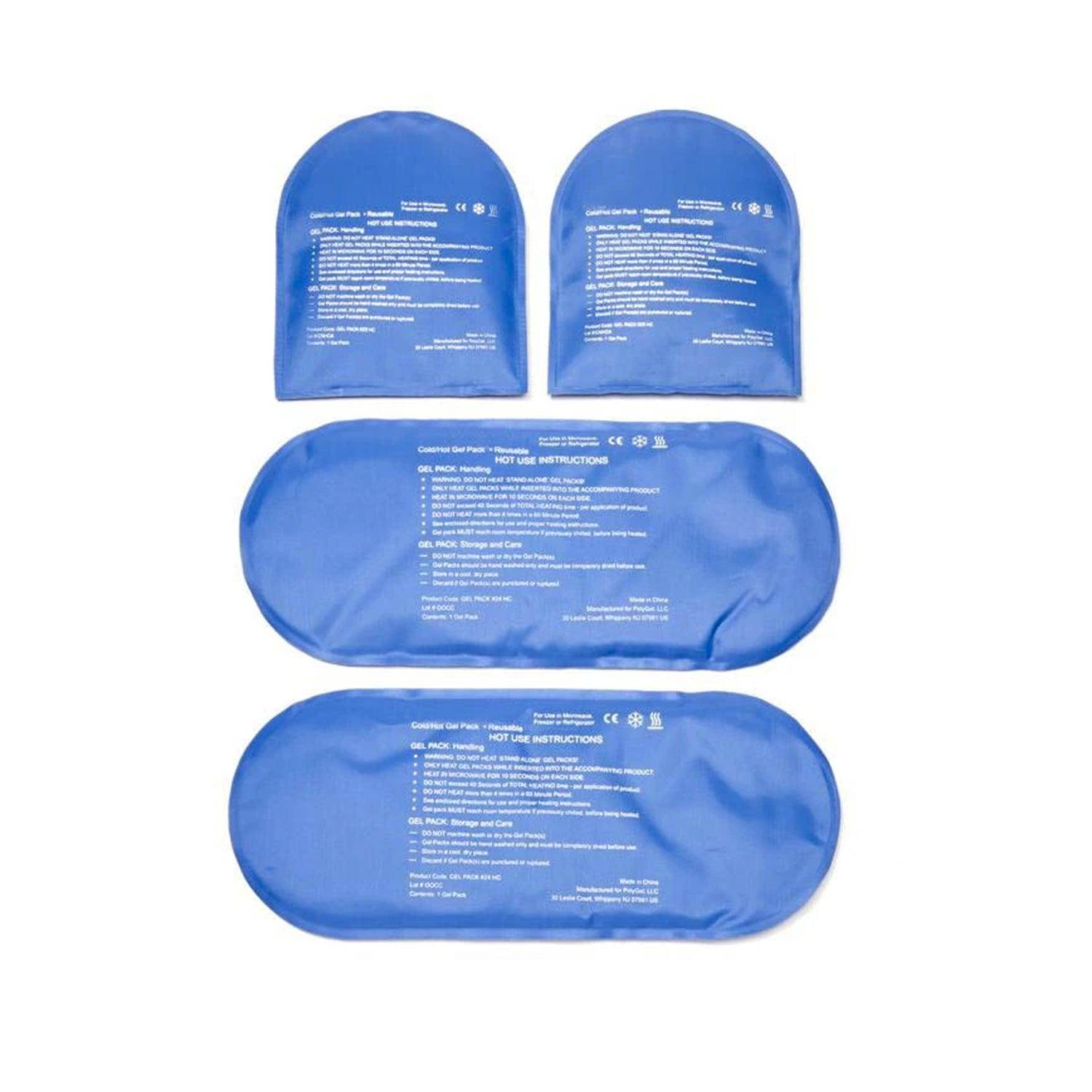
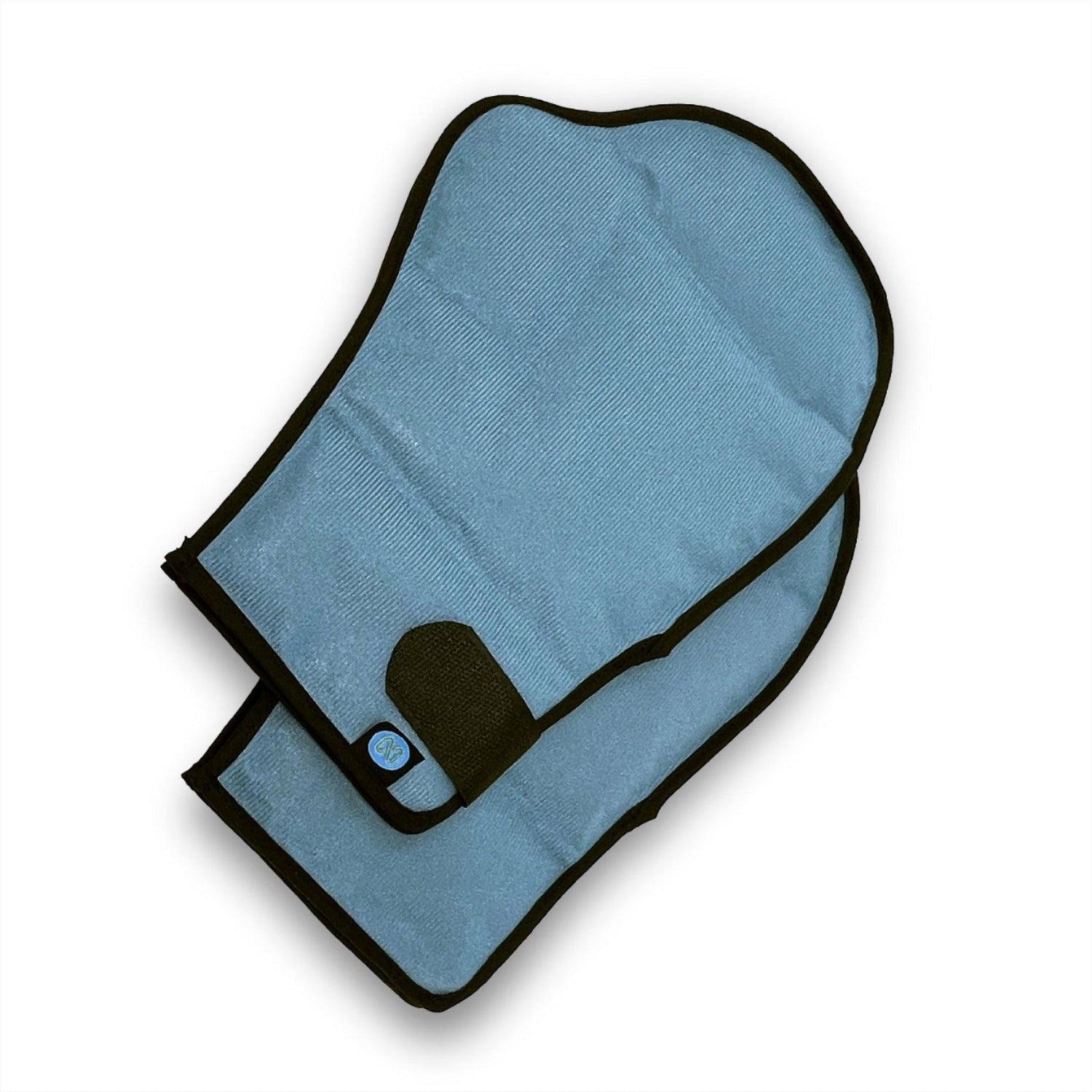
DIY methods are convenient, but NatraCure Gel Cold Packs provide longer-lasting, flexible relief. They’re reusable, durable, and can also be heated for warm compress use.
Frequently Asked Questions
What safety precautions should I follow when using homemade cold compresses?
Always wrap in a cloth, limit to 20 minutes, and avoid use with circulation issues unless advised by a doctor.
Do household alternatives work as well as store-bought ice packs?
Yes, short-term relief is possible, but reusable gel packs last longer and are more effective for repeated use.
Is a warm compress better than an ice pack?
Heat works well for chronic stiffness or arthritis, but not for fresh injuries.
References
- Demir Y. Non-pharmacological therapies in pain management. In: Pain Management – Current Issues and Opinions. IntechOpen; 2012.
- Hsu JR, et al. Clinical practice guidelines for pain management in acute musculoskeletal injury. J Orthop Trauma. 2019;33(5):258–270.
- Allan R, et al. Cold for centuries: history of cryotherapies. Eur J Appl Physiol. 2022;122(7):1425–1441.
- Bleakley C, McDonough S. Ice in acute soft-tissue injury: systematic review. Am J Sports Med. 2004;32(1):251–261.
- Ibikunle AA, Adeyemo WL. Ice pack therapy after third molar surgery. Oral Maxillofac Surg. 2016;20(1):27–34.
- Michlovitz SL, et al. Michlovitz’s Modalities for Therapeutic Intervention. 6th ed. FA Davis; 2016.
- Singer AJ, et al. Hot vs cold packs for neck/back strain. Acad Emerg Med. 2010;17(5):484–489.
- Halm M, Lindquist R. Heat and cold therapies. In: Complementary and Alternative Therapies in Nursing. Springer; 2022.
- Hardy M, Woodall W. Effects of heat, cold, and stretch. J Hand Ther. 1998;11(2):148–154.
- Garra G, et al. Hot and cold packs for acute neck/back pain. Acad Emerg Med. 2010;17(5):484–489.